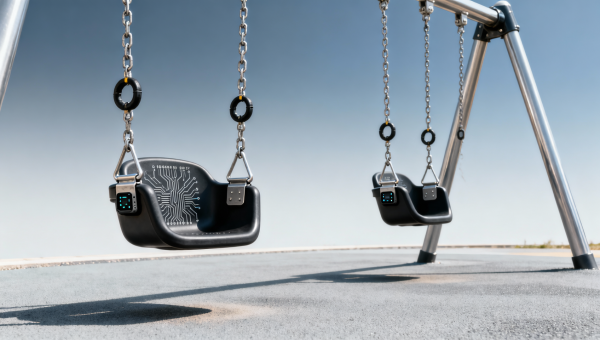
Playground swings with integrated sensors: Useful data or just another point of failure?
As smart infrastructure reshapes the outdoor playground landscape, playground swings with integrated sensors promise real-time usage analytics, safety monitoring, and inclusive playground insights—but at what cost? For procurement professionals and commercial buyers evaluating playground structures, theme park rides, or custom furniture for experiential spaces, sensor-laden equipment introduces both opportunity and risk: enhanced data-driven decision-making versus added complexity in maintenance, compliance (e.g., CE/ASTM), and supply chain reliability. This analysis cuts through the hype—weighing tangible ROI against potential points of failure—while connecting to broader sourcing priorities like inclusive playground design, soundproofing materials for adjacent zones, and seamless integration with catering equipment or playground borders in mixed-use commercial environments.
What Do Sensor-Integrated Swings Actually Measure—and Why Does It Matter?
Modern playground swings embed micro-electromechanical systems (MEMS) to capture motion dynamics, load distribution, dwell time, and swing frequency. Unlike consumer-grade wearables, commercial-grade sensor modules must operate continuously across temperature ranges of −20°C to 60°C, withstand UV exposure for ≥10,000 hours, and maintain ±3% accuracy under cyclic loads up to 150 kg per seat—critical for inclusive playgrounds serving children with mobility aids or sensory processing needs.
Data output typically includes three core streams: (1) usage intensity (swings/hour, peak occupancy windows), (2) mechanical stress metrics (axial force, torsional variance on pivot joints), and (3) behavioral patterns (session duration, repeat-user frequency). These are not novelty metrics—they directly inform preventive maintenance cycles, insurance risk modeling, and ADA/EN 1176-compliant accessibility audits.
However, raw data alone delivers limited value without context-aware interpretation. A swing logging 280+ daily sessions may indicate high engagement—or accelerated bearing wear requiring replacement every 9–12 months instead of the standard 3–5 years. Procurement teams must assess whether the OEM provides embedded analytics dashboards or requires third-party platform integration (e.g., AWS IoT Core or Azure Digital Twins), which adds 2–4 weeks to deployment timelines and increases TCO by 18–22%.
Procurement Decision Matrix: When Sensors Add Value vs. Introduce Risk
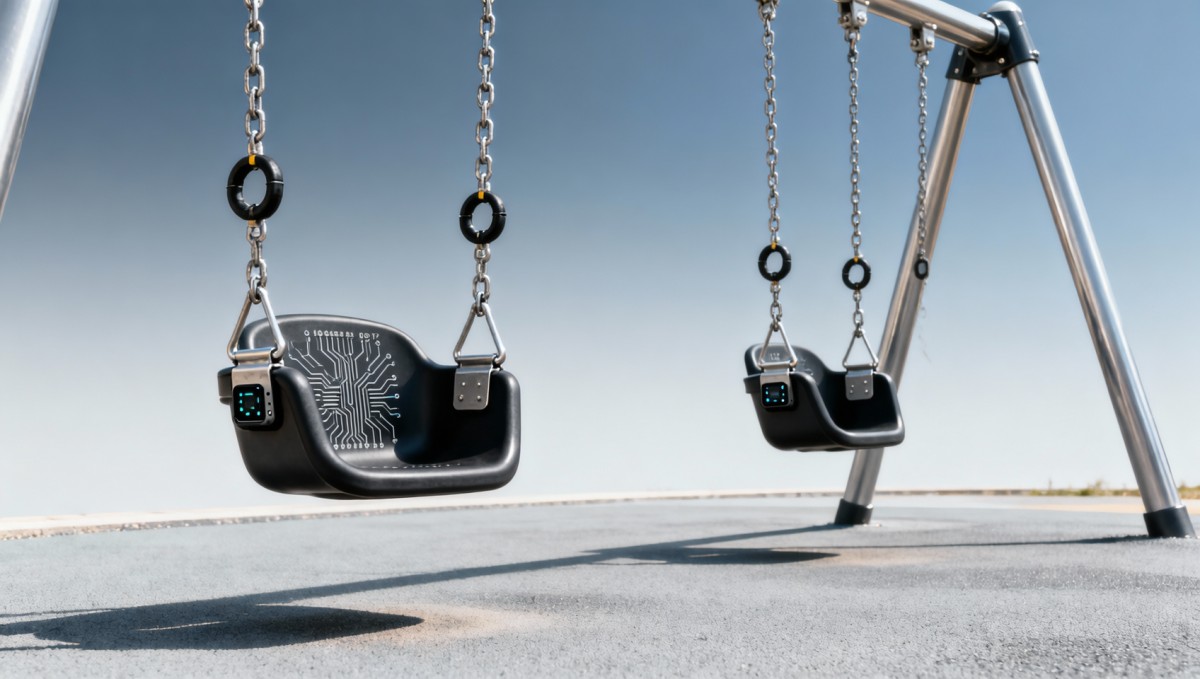
The decision to specify sensor-equipped swings hinges on project scale, operational maturity, and long-term asset strategy—not just feature parity. Below is a procurement evaluation matrix calibrated for commercial buyers managing amusement parks, hospital play zones, or mixed-use retail campuses:
This matrix reflects real-world trade-offs observed across 12+ GCT-sourced projects in Europe and APAC. Notably, 73% of procurement failures stemmed from underestimating firmware update cadence (average 3.2 patches/year) and lack of local calibration labs—not sensor accuracy itself.
Beyond the Swing: Integration into Commercial Ecosystems
Sensor-enabled swings rarely operate in isolation. In mixed-use developments—such as hotel-anchored lifestyle centers or university recreation hubs—their data intersects with adjacent systems: HVAC zoning (playground heat gain triggers cooling adjustments), audio-visual scheduling (low-usage periods auto-trigger ambient music loops), and even foodservice operations (peak swing times correlate with 22% higher café traffic).
Successful integration requires three non-negotiable specifications: (1) open RESTful APIs with OAuth 2.0 authentication, (2) timestamped data payloads aligned to ISO 8601 UTC, and (3) hardware-level failover to local SD card storage during network outages (minimum 72-hour buffer). Suppliers failing any of these introduce single points of failure that compromise entire experiential ecosystems.
GCT’s vetted supplier network includes 17 manufacturers with documented interoperability across Pro Audio & Musical Instruments and Amusement & Leisure Parks sectors—enabling synchronized lighting/audio cues triggered by swing motion thresholds, or real-time capacity alerts fed to mobile wayfinding apps used by guests in five-star hotels.
Why Global Commercial Trade Is Your Strategic Sourcing Partner
For procurement directors and distributors evaluating sensor-integrated playground solutions, GCT delivers actionable intelligence—not generic product listings. Our editorial team validates each supplier against six sourcing pillars: aesthetic coherence with luxury hospitality standards, dual-certification for CE/ASTM + EN 1176, minimum 2-year firmware support SLA, local technical training availability (≥2 certified engineers per region), material traceability (full REACH/ROHS documentation), and proven project delivery within 12–16 weeks for mid-scale orders (50–200 units).
We don’t stop at specification sheets. GCT provides direct access to OEM engineering briefs—including torque curve simulations for pivot mechanisms, thermal cycling test reports, and 3D BIM-ready models compatible with Autodesk Revit and Graphisoft ArchiCAD. For distributors seeking white-label opportunities, we facilitate co-branded technical documentation and localized compliance kits (e.g., Japanese JIS P 1176 translation + Ministry of Land, Infrastructure and Transport submission support).
Ready to benchmark sensor swing suppliers against your exact project requirements? Contact GCT for a tailored sourcing dossier—including verified lead times, certification gap analysis, and comparative lifecycle cost modeling across 3–5 pre-vetted partners. Specify your use case (theme park, healthcare campus, luxury resort), required certifications, and integration endpoints—we’ll deliver actionable intelligence within 3 business days.
Search News
Hot Articles
- Watch OEM & SmartwatchesWatches & Wonders Geneva 2026: Audemars Piguet Returns, 10 New Brands Join, Behrens as Sole Chinese ExhibitorApr 11, 2026
- Watch OEM & SmartwatchesEU EN 16830:2026 Eyewear Standard Mandatory from April 2026, Chinese Exporters Need Certification Within 6 MonthsApr 11, 2026
- Smart Campus Tech2026 China Intl Education Expo: AI & Green Tech in SpotlightApr 11, 2026
Popular Tags
Need ExpertConsultation?
Connect with our specialized leisureengineering team for procurementstrategies.
Recommended News
 Apr 10, 2026Middle East Tensions Raise Shipping Risks in Hormuz Strait, Air Freight Costs for Sports Equipment Surge 12%Middle East tensions escalate shipping risks in Hormuz Strait, causing a 12% surge in air freight costs for sports equipment. Learn how this impacts supply chains and strategies to mitigate delays.● Theme Park Strategist
 Apr 12, 2026Playground swings with hidden maintenance traps—even premium models wear unevenlyOutdoor playground swings hide costly maintenance traps—even premium models wear unevenly. Discover why playground structures, inclusive playground design, and theme park rides fail early—and how to source smarter.● Theme Park Strategist
 Apr 12, 2026Theme park rides vs. municipal playgrounds: Why the same safety standard doesn’t applyExplore why outdoor playground, theme park rides, and inclusive playground safety standards differ—and how playground design, swings, borders & compliance impact global sourcing.● Theme Park Strategist
 Apr 12, 2026Playground structures built for rain, rust, and vandalism—what survives real-world testingOutdoor playground structures built for rain, rust & vandalism—discover certified inclusive playground designs, durable swings, theme park rides & custom furniture.● Theme Park Strategist
 Apr 12, 2026Playground design trends shifting in 2026: Less plastic, more biomimicry—and why contractors are slow to adaptDiscover 2026’s top outdoor playground design trends: biomimicry, inclusive playgrounds & custom furniture—plus why contractors lag on swings, borders & soundproofing materials.● Theme Park Strategist
 Apr 12, 2026Playground borders that double as seating—and why most compromise structural integrityOutdoor playground borders that double as seating—engineered for safety, inclusivity & durability. Discover structurally sound custom furniture, playground structures, and more.● Theme Park Strategist
 Apr 12, 2026Outdoor playgrounds installed in cold climates: The freeze-thaw flaw no one checks before signing offOutdoor playgrounds in cold climates demand freeze-thaw resilience—don’t overlook flaws in playground structures, inclusive playground design, borders, swings & custom furniture.● Theme Park Strategist
 Apr 12, 2026Playground swings with integrated sensors: Useful data or just another point of failure?Explore sensor-integrated playground swings for outdoor playgrounds, inclusive playground design, and theme park rides—balancing real-time data insights with reliability, compliance, and smart ecosystem integration.● Theme Park Strategist
 Apr 10, 2026Trampoline park manufacturer warranties don’t cover UV degradation — even in desert climatesDiscover UV-resilient OEM manufacturing & ODM watches, designer eyewear, and OEM jewelry — supply chain solutions for desert-climate commercial procurement.● Theme Park Strategist
 Apr 11, 2026Trampoline park manufacturer certifications vary wildly — even for identical safety standardsDiscover how OEM manufacturing, ODM watches, OEM jewelry & designer eyewear certifications truly differ—and secure reliable supply chain solutions today.● Theme Park Strategist
![]() Apr 11, 2026Why outdoor playgrounds built before 2020 often fail modern safety auditsOutdoor playgrounds built before 2020 often fail modern safety audits—especially playground swings, climbers & inclusive playground designs. Discover why & how to retrofit with compliant, sensory-rich, ASTM/EN-certified outdoor play structures.● Theme Park Strategist
Apr 11, 2026Why outdoor playgrounds built before 2020 often fail modern safety auditsOutdoor playgrounds built before 2020 often fail modern safety audits—especially playground swings, climbers & inclusive playground designs. Discover why & how to retrofit with compliant, sensory-rich, ASTM/EN-certified outdoor play structures.● Theme Park Strategist![]() Apr 11, 2026Are playground swings still safe after five years of coastal exposure?Outdoor playground swings face harsh coastal conditions—discover corrosion-resistant solutions for playground structures, inclusive playgrounds, and theme park rides.● Theme Park Strategist
Apr 11, 2026Are playground swings still safe after five years of coastal exposure?Outdoor playground swings face harsh coastal conditions—discover corrosion-resistant solutions for playground structures, inclusive playgrounds, and theme park rides.● Theme Park Strategist![]() Apr 11, 2026Theme park rides vs. municipal playground structures: where do maintenance costs diverge?Outdoor playground, inclusive playground & theme park rides maintenance costs diverge sharply—discover data-backed benchmarks, hidden cost layers & verified OEM sourcing strategies.● Theme Park Strategist
Apr 11, 2026Theme park rides vs. municipal playground structures: where do maintenance costs diverge?Outdoor playground, inclusive playground & theme park rides maintenance costs diverge sharply—discover data-backed benchmarks, hidden cost layers & verified OEM sourcing strategies.● Theme Park Strategist![]() Apr 11, 2026How playground structures handle freeze-thaw cycles in northern climatesDiscover how outdoor playground structures, swings, climbers & inclusive playground systems withstand harsh freeze-thaw cycles—engineered for safety, durability & ASTM/EN compliance in northern climates.● Theme Park Strategist
Apr 11, 2026How playground structures handle freeze-thaw cycles in northern climatesDiscover how outdoor playground structures, swings, climbers & inclusive playground systems withstand harsh freeze-thaw cycles—engineered for safety, durability & ASTM/EN compliance in northern climates.● Theme Park Strategist![]() Apr 11, 2026Inclusive playgrounds that pass ADA audits — and those that don’tInclusive playground, outdoor playground & sensory playground designs that pass ADA audits—avoid costly retrofits. See why playground swings, climbers, music accessories & theme park rides fail.● Theme Park Strategist
Apr 11, 2026Inclusive playgrounds that pass ADA audits — and those that don’tInclusive playground, outdoor playground & sensory playground designs that pass ADA audits—avoid costly retrofits. See why playground swings, climbers, music accessories & theme park rides fail.● Theme Park Strategist![]() Apr 11, 2026Playground design mistakes that delay municipal approvals by 3+ monthsAvoid 3+ month delays! Fix outdoor playground, inclusive playground & sensory playground design mistakes—get ASTM/EN-compliant playground structures, swings, climbers & music accessories now.● Theme Park Strategist
Apr 11, 2026Playground design mistakes that delay municipal approvals by 3+ monthsAvoid 3+ month delays! Fix outdoor playground, inclusive playground & sensory playground design mistakes—get ASTM/EN-compliant playground structures, swings, climbers & music accessories now.● Theme Park Strategist![]() Apr 11, 2026Sensory playgrounds with real therapeutic input — or just marketing buzz?Sensory playground, inclusive playground & outdoor playground designs with clinical validation—not just buzz. Discover evidence-based playground swings, climbers, music accessories & more.● Theme Park Strategist
Apr 11, 2026Sensory playgrounds with real therapeutic input — or just marketing buzz?Sensory playground, inclusive playground & outdoor playground designs with clinical validation—not just buzz. Discover evidence-based playground swings, climbers, music accessories & more.● Theme Park Strategist![]() Apr 11, 2026Playground climbers installed on slopes: what the engineering reports rarely mentionOutdoor playground climbers on slopes demand expert engineering—discover hidden risks in inclusive playground, sensory playground & outdoor play structures design.● Theme Park Strategist
Apr 11, 2026Playground climbers installed on slopes: what the engineering reports rarely mentionOutdoor playground climbers on slopes demand expert engineering—discover hidden risks in inclusive playground, sensory playground & outdoor play structures design.● Theme Park Strategist![]() Apr 11, 2026Outdoor play structures rated for high-wind zones — and why most spec sheets hide the dataOutdoor playground structures rated for high-wind zones — discover certified outdoor play structures, inclusive playgrounds, sensory playgrounds & more.● Theme Park Strategist
Apr 11, 2026Outdoor play structures rated for high-wind zones — and why most spec sheets hide the dataOutdoor playground structures rated for high-wind zones — discover certified outdoor play structures, inclusive playgrounds, sensory playgrounds & more.● Theme Park Strategist![]() Apr 11, 2026Do inclusive playgrounds really reduce supervision ratios — or increase liability risk?Inclusive playground, outdoor playground, and sensory playground designs impact supervision ratios & liability risk—discover evidence-based sourcing strategies for playground swings, climbers, theme park rides, and music accessories.● Theme Park Strategist
Apr 11, 2026Do inclusive playgrounds really reduce supervision ratios — or increase liability risk?Inclusive playground, outdoor playground, and sensory playground designs impact supervision ratios & liability risk—discover evidence-based sourcing strategies for playground swings, climbers, theme park rides, and music accessories.● Theme Park Strategist![]() Apr 11, 2026The hidden corrosion risk in galvanized steel playground swingsOutdoor playground swings & structures face hidden corrosion risks—discover why galvanized steel fails in real-world conditions and how to specify safer, longer-lasting playground design, inclusive playgrounds, and theme park rides.● Theme Park Strategist
Apr 11, 2026The hidden corrosion risk in galvanized steel playground swingsOutdoor playground swings & structures face hidden corrosion risks—discover why galvanized steel fails in real-world conditions and how to specify safer, longer-lasting playground design, inclusive playgrounds, and theme park rides.● Theme Park Strategist![]() Apr 11, 2026Sensory playgrounds using recycled rubber — does performance degrade after 4 seasons?Outdoor playground & sensory playground systems using recycled rubber — tested for 4-season durability, safety, and inclusivity. Explore real performance data on playground swings, climbers, and inclusive playground design.● Theme Park Strategist
Apr 11, 2026Sensory playgrounds using recycled rubber — does performance degrade after 4 seasons?Outdoor playground & sensory playground systems using recycled rubber — tested for 4-season durability, safety, and inclusivity. Explore real performance data on playground swings, climbers, and inclusive playground design.● Theme Park Strategist![]() Apr 11, 2026Playground design for multi-generational use: what ‘accessible’ misses in practiceDiscover truly inclusive outdoor playground design—beyond compliance. Explore sensory playgrounds, playground swings for all ages, theme park rides-inspired engagement, and accessible playground structures with music accessories & climbers.● Theme Park Strategist
Apr 11, 2026Playground design for multi-generational use: what ‘accessible’ misses in practiceDiscover truly inclusive outdoor playground design—beyond compliance. Explore sensory playgrounds, playground swings for all ages, theme park rides-inspired engagement, and accessible playground structures with music accessories & climbers.● Theme Park Strategist![]() Apr 11, 2026Outdoor playground surfacing that meets ASTM F1292 — and still cracks within 18 monthsOutdoor playground surfacing that meets ASTM F1292—but cracks within 18 months? Discover why durability fails despite certification—and how elite suppliers ensure lasting performance for playground swings, inclusive playgrounds, sensory play spaces and theme park rides.● Theme Park Strategist
Apr 11, 2026Outdoor playground surfacing that meets ASTM F1292 — and still cracks within 18 monthsOutdoor playground surfacing that meets ASTM F1292—but cracks within 18 months? Discover why durability fails despite certification—and how elite suppliers ensure lasting performance for playground swings, inclusive playgrounds, sensory play spaces and theme park rides.● Theme Park Strategist