How to Tell if an Indoor Playground Design Is Too Generic
A memorable indoor playground should feel distinct, purposeful, and commercially viable—not like a recycled template borrowed from a trampoline park, arcade games venue, or generic adventure playground. If your concept looks interchangeable with projects across unrelated sectors, from office supplies retail to musical instruments showrooms or even luxury jewelry spaces, it may be too generic to stand out. This guide helps buyers and evaluators spot the warning signs early.
For procurement teams, distributors, and commercial evaluators, a generic indoor playground design is not just a creative weakness. It can reduce dwell time, blur market positioning, weaken repeat visitation, and make it harder to justify investment in fit-out, safety engineering, and themed equipment. In a competitive leisure market, sameness is expensive.
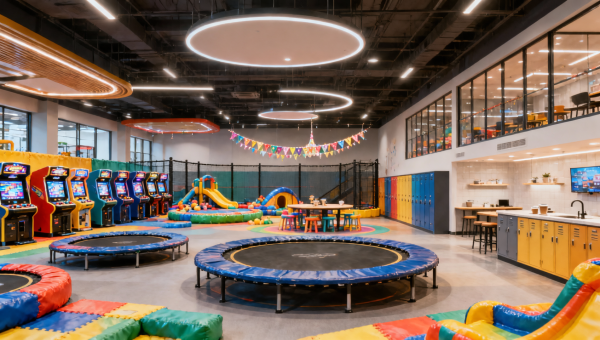
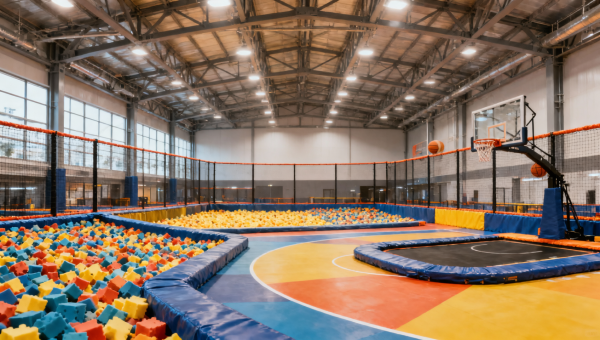
The challenge is that many layouts look acceptable at first glance. A ball pit, climbing frame, slide tower, foam obstacles, and a few bright colors can create the illusion of a complete concept. Yet once you assess circulation, age zoning, revenue logic, and brand fit, the design may reveal itself as a template with little commercial differentiation.
This article explains how to identify an overly generic indoor playground design, what warning signals matter most during sourcing and evaluation, and how buyers can compare design proposals in a more structured way before moving into production, OEM customization, or final project approval.
What “Generic” Really Means in an Indoor Playground Project
In the indoor playground industry, “generic” does not simply mean simple. A compact project of 120–300 square meters can still be distinctive if it has a clear play narrative, age-specific planning, and a coherent visual language. Generic design means the concept could be swapped into 10 different venues with almost no change in function, theme, or customer experience.
This usually happens when suppliers rely too heavily on standard modular libraries. Standard components are useful for controlling lead time, budget, and compliance, but overdependence creates repetition. If 70%–80% of the visible structure, color distribution, and obstacle sequence matches dozens of previously installed projects, buyers should question whether the design has enough market identity.
A generic indoor playground often lacks a clear relationship between business model and space planning. For example, a family entertainment center focused on birthday parties needs social zones, supervision lines, and event staging. A mall-based children’s play area may need high visual attraction within the first 3–5 seconds of sightline exposure. A design that ignores these distinctions is not strategic.
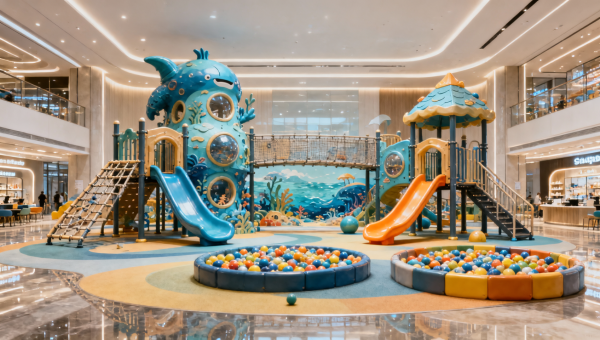
Another sign is that the theme is only surface deep. Applying jungle graphics, candy colors, or space decals does not create a meaningful concept if the equipment sequence, tactile variety, and movement rhythm remain unchanged. Buyers should look beyond decorative panels and ask whether the play journey itself has been tailored.
Core traits of a non-generic concept
- A defined target age mix, such as 1–3 years, 4–7 years, and 8–12 years, with different challenge levels and supervision needs.
- A unique circulation path that avoids random movement and supports safe, intuitive flow across entry, active play, rest, and exit zones.
- A theme translated into structure, not just graphics, such as city role-play, ocean expedition, soft ninja challenges, or educational sensory play.
- Commercial logic tied to the venue, including party hosting, food adjacency, retail corners, timed admissions, or multi-child family use.
When these elements are missing, the project may still be functional, but it becomes easier for competitors to replicate and harder for channel partners to position. In B2B purchasing, that weakens long-term value even if the initial quotation looks attractive.
The Early Warning Signs Buyers Should Catch During Proposal Review
The proposal stage is where generic design is easiest to detect. Once fabrication drawings, steel structures, netting plans, and molded elements move into production, design changes become slower and more expensive. Buyers should therefore evaluate concept packages before focusing only on unit price or shipping schedule.
One of the clearest warning signs is visual sameness across references. If a supplier presents 6–8 previous projects and all of them share the same tower shape, same slide arrangement, same color blocks, and same obstacle order, the new proposal is likely being adapted from a standard formula rather than designed for your site.
A second warning sign is poor site response. Columns, ceiling heights, sprinkler lines, evacuation routes, and storefront exposure all affect the layout. If the concept appears “perfect” without showing how it handles a 3.2-meter low beam, a narrow entry, or a split-level floor plate, the design may be generic rather than site-driven.
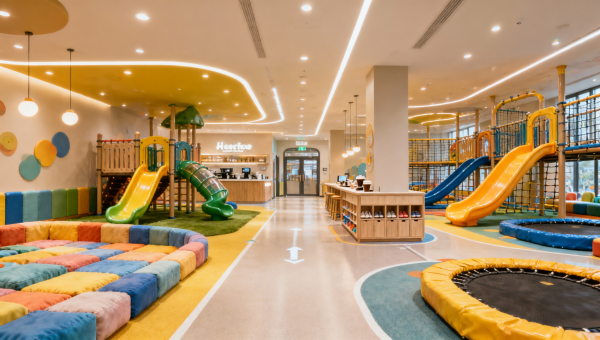
Third, watch for weak age zoning. In a well-considered indoor playground design, toddler areas, medium-challenge zones, and higher-energy play should be physically and visually differentiated. If all activities are compressed into one continuous block, operators may face supervision conflict, lower comfort, and more difficult risk management.
Practical checklist for design review
Before approving a concept, many sourcing teams use a weighted review framework. The table below helps distinguish a customized commercial design from an off-the-shelf layout with only cosmetic modifications.
The most important conclusion is that genericity is usually visible in the logic of the design, not only in its appearance. A project can look colorful and still be commercially weak if it ignores operational use, customer segmentation, and site-specific constraints.
Questions procurement teams should ask suppliers
- Which 3 design decisions were made specifically for this site rather than copied from a previous project?
- How does the concept separate users by age, risk level, and play intensity?
- What percentage of the proposal uses standard modules versus customized elements?
- How will the layout support staffing efficiency, supervision, and maintenance access over 12–24 months?
These questions often reveal whether the supplier is acting as a true design partner or simply as a fabricator of standard play structures. That distinction matters when projects must compete in dense urban leisure markets.
How Generic Design Hurts Operations, Branding, and ROI
A generic indoor playground design may reduce upfront design effort, but the hidden operating cost can be significant. In leisure spaces, customer perception is formed quickly. If parents and children feel they have “seen this before,” the venue loses novelty, social shareability, and destination appeal. That can affect both first visits and repeat frequency within the first 6–12 months.
For branded operators and regional distributors, generic design also weakens portfolio identity. If every location uses the same play tower language regardless of city, mall grade, local demographics, or brand positioning, expansion becomes operationally easier but commercially flatter. Distinctive design helps a network communicate quality tiers and market differentiation.
There is also a safety management dimension. Reused layouts do not always account for site-specific supervision blind spots, bottlenecks, or queue compression. For example, a narrow deck transition that works in a 200-square-meter venue may become problematic in a 600-square-meter family entertainment center with higher weekend density and party traffic.
From a procurement perspective, generic design creates comparison pressure. If multiple suppliers appear to offer nearly identical configurations, selection may default to price alone. That is a risky position for both supplier and buyer, because long-term serviceability, spare parts coordination, and commercial uniqueness become undervalued during the purchasing process.
Typical business impacts
The table below summarizes common ways an overly standard indoor playground design can influence commercial performance.
A useful takeaway is that design uniqueness should not be treated as decoration. In commercial play environments, it influences attraction, throughput, staffing, and brand durability. This is why experienced buyers compare concepts through both design and operations lenses.
Where ROI pressure usually appears first
- In urban malls, weak storefront differentiation can reduce walk-in conversion during the first 90 days.
- In destination play centers, repetitive equipment sequences can shorten average perceived novelty cycles.
- In multi-site chains, template-heavy design can make premium pricing harder to defend across tiered locations.
These issues are especially relevant to business assessment teams reviewing new leisure concepts for expansion, distribution, or investment support.
What a Strong Indoor Playground Design Brief Should Include
Many generic results begin with weak project briefs. If the client only provides floor size and a rough budget, the supplier will usually respond with a familiar configuration. To receive a tailored indoor playground design, buyers need to define commercial and technical inputs early, ideally before the first concept round.
A reliable brief should cover at least 8 key variables: total area, ceiling height, target age range, expected daily capacity, local safety requirements, brand direction, maintenance expectations, and revenue model. Additional details such as mall grade, city climate, party demand, and food integration can further sharpen the concept.
It is also useful to state what the project should not become. For instance, a buyer may want active soft play but not a trampoline-dominant venue, or a fantasy theme without excessive screen-based gaming. These exclusions protect the design process from drifting back into generic category habits.
In practical sourcing, suppliers respond better when they can align design ambition with fabrication reality. If you want 20%–30% customized features, say so. If you need installation within 6–10 weeks after drawing approval, specify that timeline. Clear constraints often produce better creativity than vague expectations.
Recommended briefing framework
The following framework helps reduce template responses and improves proposal relevance across design, engineering, and sourcing teams.
The practical lesson is simple: a generic brief usually produces a generic proposal. Buyers who want a distinctive indoor playground design need to provide enough operational and spatial data to support intelligent customization.
Minimum information package to send suppliers
- Scaled floor plan with column grid, heights, exits, and utility limits.
- Target age mix and estimated peak occupancy range.
- Desired functions such as toddler zone, role-play, climbing route, party room, café edge, or redemption counter.
- Budget band, customization tolerance, and target installation window.
This level of detail improves concept quality and helps evaluators compare quotations on a more meaningful basis than headline price alone.
A Practical Evaluation Method for Buyers, Distributors, and Project Teams
When several suppliers are bidding, decision-makers need a repeatable scoring method. This is particularly important for distributors, agents, and multi-project procurement teams that must compare design creativity, engineering feasibility, and commercial fit without relying on subjective impressions only.
One effective method is to score proposals across 5 dimensions: site adaptation, play originality, age zoning, operational usability, and brand differentiation. Each can be rated on a 1–5 scale, creating a 25-point assessment. Designs scoring below 15 often need major revision, while concepts above 20 usually demonstrate stronger site and business alignment.
Buyers should also request a revision cycle before supplier finalization. A 2-round concept process is often enough for small and medium indoor playground projects, while larger family entertainment centers may require 3 rounds plus engineering review. If a supplier resists revisions entirely, that can indicate limited customization capability.
Beyond design boards, ask for operational evidence. Cleaning access, spare parts logic, material durability, and replacement procedures matter over the first 12 months and beyond. A design that looks original but is difficult to maintain may still be a poor investment.
Five-step evaluation flow
- Screen concept relevance: confirm the proposal addresses your venue type, age mix, and commercial objective.
- Check site adaptation: verify response to heights, beams, egress, and supervision sightlines.
- Review play sequencing: confirm the design offers varied movement, challenge progression, and rest transitions.
- Compare operational practicality: inspect cleaning routes, replaceable parts, and staffing visibility.
- Assess differentiation value: decide whether the concept supports marketing, repeat visitation, and portfolio identity.
This process helps teams move from “Do we like this design?” to “Will this design perform in our business context?” That shift is essential in commercial sports and entertainment sourcing.
FAQ: common buyer questions
Below are several questions frequently raised by information researchers and commercial evaluators during project planning.
How much customization is usually enough to avoid a generic result?
For many indoor playground projects, 20%–35% visible customization is enough to create a distinct identity if the changes affect layout logic, key focal structures, and age-zone composition. A project does not need every component to be custom-made. Strategic customization matters more than total customization.
Does a generic design always mean lower quality?
No. A generic design can still be structurally sound and safe if engineering and materials are properly handled. The issue is commercial sameness, not necessarily manufacturing failure. Buyers should evaluate design quality and production quality as related but separate topics.
What project types are most vulnerable to template-heavy design?
Mall kiosks, mid-size soft play parks, and rapid rollout franchise sites are especially vulnerable because speed and cost pressure often push suppliers toward library-based solutions. In these cases, a stronger brief and structured review process become even more important.
How long should concept review take before production approval?
For standard commercial projects, a disciplined review window of 7–14 days per round is common. This gives enough time for operations, procurement, and design stakeholders to evaluate the concept without delaying the broader sourcing schedule excessively.
A strong indoor playground design should do more than fill a floor plan. It should express a clear market position, respond to site realities, support safe and efficient operation, and give customers a reason to remember the venue. If a concept looks interchangeable, it may already be losing value before installation begins.
For buyers, distributors, and business assessment teams, the most reliable approach is to review proposals through structured criteria: site adaptation, age zoning, play originality, business fit, and long-term maintainability. That process reduces the risk of selecting a design that is easy to buy but difficult to differentiate.
If you are comparing indoor playground suppliers, planning a new family entertainment venue, or refining a branded leisure concept, GCT can help you assess sourcing options with greater clarity. Contact us to explore tailored commercial playground solutions, request a more targeted evaluation framework, or learn more about supplier capabilities for customized project delivery.
Search News
Hot Articles
- Stage Lighting & TrussCCTV5 Snooker Broadcast Drives 37% Surge in Stage Lighting Export InquiriesApr 21, 2026
- Indoor PlaygroundVietnam Mandates Child Finger-Trap Sensors for Indoor Play EquipmentApr 21, 2026
- Stage Lighting & TrussGuangdong vs. Shanxi CBA Game Highlights Domestic Smart Arena LightingApr 21, 2026
Popular Tags
Need ExpertConsultation?
Connect with our specialized leisureengineering team for procurementstrategies.
Recommended News
 Apr 21, 2026Vietnam Mandates Child Finger-Trap Sensors for Indoor Play EquipmentVietnam mandates child finger-trap sensors for indoor play equipment—comply with TCVN 9507:2023 by July 1, 2026 to clear customs & protect kids.● Theme Park Strategist
 Apr 20, 2026NES Launches Sports Community Curator ProgramSports Community Curator program launched by NES — join global fitness studios, uni clubs & outdoor groups to co-create, test gear & grow with Chinese sports brands.● Theme Park Strategist
 Apr 17, 2026CPSC AI Safety Alert: 200ms Delay in Child Playground AI Systems = HazardCPSC AI Safety Alert: 200ms delay in child playground AI systems = hazard. Learn how latency compliance impacts Target/Walmart listings, testing, and supply chain.● Theme Park Strategist
 Apr 17, 20262026 Shanghai Sailing Open Adopts Domestic SeaChronos Pro Timing SystemSeaChronos Pro timing system debuts at 2026 Shanghai Sailing Open — ITU-certified, millisecond-accurate, wind- and tide-integrated. A game-changer for marine sports tech.● Theme Park Strategist
 Apr 16, 2026FDA Proposes New Labeling Rules for Sports Nutrition Supplements with Chinese LabelsFDA's new labeling rules for sports nutrition supplements with Chinese labels take effect April 2026—learn compliance must-dos for U.S. importers, manufacturers & brands.● Theme Park Strategist
 Apr 15, 2026Saudi SASO Updates Amusement Ride Standards: VR Devices Now Require Mandatory EMC TestingSaudi SASO's new 2026 standard mandates EMC testing for VR amusement rides, impacting exporters. Learn key compliance strategies for Saudi market access.● Theme Park Strategist
 Apr 14, 2026Japan Mandates Multilingual E-Manuals for Fitness Equipment from April 2026Japan mandates multilingual e-manuals for fitness equipment from April 2026. Learn how this impacts manufacturers & importers with JIS T 0601-1 compliance requirements. Stay ahead of the regulation!● Theme Park Strategist
 Apr 13, 2026WTT Taiyuan Adopts Chinese AI Table Tennis Analysis System with ITTF Export CertificationWTT Taiyuan adopts Chinese AI table tennis analysis system with ITTF export certification, enabling real-time ball speed & spin tracking. A game-changer for sports tech in emerging markets like Southeast Asia & Middle East.● Theme Park Strategist
 Apr 13, 2026First Female Snooker Player Achieves Multiple Century Breaks as Chinese Table Gains WPBSA CertificationChinese snooker player Bai Yulu makes history with multiple century breaks using WPBSA-certified 'Tournament Pro X7' table, marking a milestone for Chinese manufacturing in professional snooker equipment. Discover how this impacts global markets.● Theme Park Strategist
 Apr 13, 2026RCEP Zero Tariff on China's TPU Sports Protective Gear Boosts ASEAN TradeRCEP's zero-tariff policy on China's TPU sports protective gear boosts ASEAN trade, giving Chinese exporters cost advantages over Korean rivals. Learn how manufacturers and distributors can capitalize on this opportunity.● Theme Park Strategist
 Apr 10, 2026Japan's JIS T 9001:2026 Sports Flooring Anti-Slip Standard Mandatory from April 2026Japan's JIS T 9001:2026 standard mandates anti-slip sports flooring (SCOF ≥ 0.6) from April 2026. Chinese exporters must adapt to meet new requirements. Learn key compliance strategies.● Theme Park Strategist
 Apr 10, 2026Bai Yulu Makes History at Snooker World Championship, Sparks Surge in Women's Sports Equipment DemandBai Yulu makes history at Snooker World Championship with two century breaks, sparking 185% surge in women's sports equipment demand. Discover how manufacturers, e-commerce & supply chains can capitalize on this trend.● Theme Park Strategist
 Apr 10, 20262026 Badminton Asia Championships Quarterfinals Schedule Announced, Shi Yuqi to Compete; Southeast Asia Racket Orders Face 6-8 Week Delays2026 Badminton Asia Championships quarterfinals schedule revealed with Shi Yuqi competing, while Southeast Asia faces 6-8 week racket delays. Learn how supply chain issues impact manufacturers and get strategies to navigate equipment shortages.● Theme Park Strategist
 Apr 10, 2026WTT Taiyuan Challenge Sparks Smart Equipment Demand: Japan Buyers Scrutinize AI Training TechDiscover how the WTT Taiyuan Challenge boosts demand for AI training tech as Japanese buyers evaluate smart sports equipment. Learn key opportunities for manufacturers with JIS-certified solutions.● Theme Park Strategist
 Apr 10, 2026Chinese Snooker Players' Success Spurs Global Demand for Cue AccessoriesChinese snooker players' success drives 210% global demand surge for cue accessories. Explore how manufacturers & exporters can capitalize on this trend with UK, German & Australian markets leading inquiries.● Theme Park Strategist
 Apr 10, 2026EU Updates EN 16830:2026 Eyewear Safety Standard, Impacting China's Sports Goggle ExportsEU's updated EN 16830:2026 eyewear safety standard impacts China's sports goggle exports with stricter CE certification requirements. Learn how manufacturers and exporters can adapt to new impact resistance, UV400+, and blue light blocking standards before the September 2026 deadline.● Theme Park Strategist
 Apr 22, 2026Vietnam Mandates Child Finger-Trap Sensors for Indoor Playground EquipmentVietnam mandates child finger-trap sensors for indoor playground equipment—comply with QCVN 128:2026 & TCVN 9350:2023 before Oct 2026!● Theme Park Strategist
 Apr 22, 2026How to Tell if an Indoor Playground Design Is Too GenericIndoor playground buyers: learn how to spot a generic indoor playground design before it feels like a trampoline park or adventure playground template, and protect brand appeal and ROI.● Theme Park Strategist
 Apr 22, 2026Indoor Playground Layout Mistakes That Limit Repeat VisitsIndoor playground and trampoline park layout mistakes can quietly reduce repeat visits, spend, and safety. Learn how zoning, arcade games flow, and adventure playground planning drive stronger returns.● Theme Park Strategist
 Apr 22, 2026Trampoline Park Equipment That Wears Out Faster Than ExpectedTrampoline park buyers: discover which indoor playground and adventure playground components wear out first, how to cut downtime, improve safety, and choose equipment with better long-term ROI.● Theme Park Strategist
 Apr 22, 2026What Makes a Trampoline Park Profitable Beyond Ticket Sales?Trampoline park profit goes beyond tickets with arcade games, indoor playground and adventure playground upgrades. Discover smarter revenue ideas for buyers and operators.● Theme Park Strategist
 Apr 21, 2026Trampoline park price per square foot explained simplyTrampoline park price per square foot explained simply—compare every trampoline park supplier and indoor playground manufacturer with clear cost drivers, scope tips, and smarter ROI insights.● Theme Park Strategist
 Apr 22, 2026Indoor playground manufacturer or trader? A practical way to tellIndoor playground manufacturer or indoor playground supplier? Learn practical checks to spot traders, compare trampoline park supplier options, reduce sourcing risk, and choose with confidence.● Theme Park Strategist
 Apr 22, 2026How indoor playground suppliers handle custom layoutsIndoor playground supplier insights: learn how an indoor playground manufacturer plans custom layouts for safety, traffic flow, branding, and trampoline park price—compare smarter and avoid costly redesigns.● Theme Park Strategist