Office Supplies Costs That Quietly Add Up Over a Year
From office supplies to arcade games, musical instruments, and even equipment for an indoor playground or trampoline park, small recurring purchases often escape annual budget reviews. For buyers, distributors, and commercial evaluators in sports and entertainment, understanding how these quiet costs accumulate is essential for smarter sourcing, stronger margin control, and better long-term procurement decisions.
Why Quiet Operating Costs Matter More in Sports and Entertainment Procurement
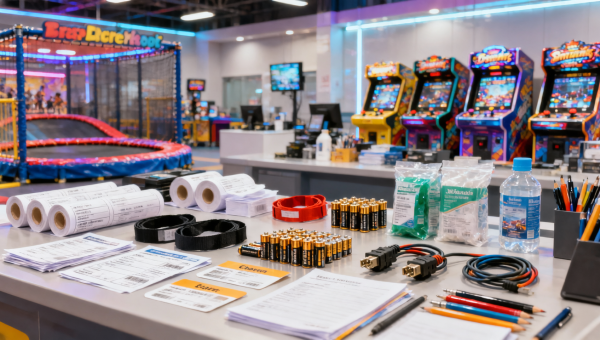
In the sports and entertainment industry, visible capital expenditure usually gets the most attention. Buyers compare the price of a trampoline system, a batch of arcade machines, a sound console, or a lighting rig. Yet many annual losses come from lower-ticket items purchased every week or every month. These include consumables, accessories, replacement parts, packaging, cables, labels, wristbands, printer media, sanitation supplies, batteries, and ticketing materials.
For a venue operator or distributor, the issue is rarely one large invoice. The real problem is purchase fragmentation. Orders placed by different departments over 12 months often sit in separate systems, under different cost codes, and with different suppliers. That makes annual office supplies costs and related support spending look harmless in isolation, even when they materially reduce margin.
This is especially relevant in sports and entertainment environments where operations run 7 days a week, footfall can spike during holidays, and downtime carries direct revenue impact. A family entertainment center, indoor playground, music venue, or amusement park may place small emergency orders every 2–4 weeks. Those urgent buys often carry higher freight charges, lower negotiation leverage, and inconsistent quality.
Global Commercial Trade supports this decision layer by connecting sourcing intelligence across office and educational supplies, amusement and leisure parks, and pro audio and musical instruments. That cross-sector view matters because the hidden cost pattern is rarely limited to one category. A buyer reviewing stationery spend may discover the same leak in cable replenishment, spare fasteners, cleaning items, and front-desk consumables.
- Small orders create admin overhead across requisition, approval, payment, and receiving.
- Rush replenishment can add 10%–30% to landed cost depending on route and packaging needs.
- Inconsistent specifications increase waste, especially for labels, receipts, printer supplies, and consumables tied to equipment compatibility.
- Poor category visibility weakens annual budgeting and distributor forecasting.
What usually gets overlooked first?
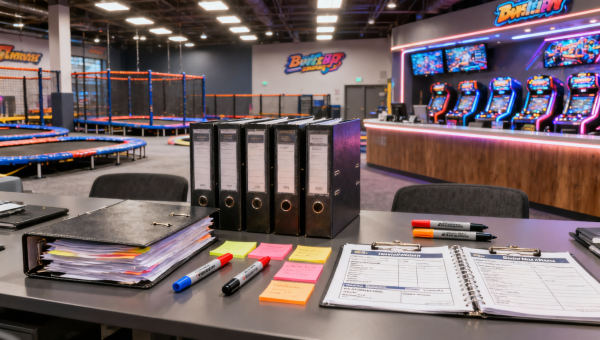
In entertainment procurement, overlooked spend usually starts with support items rather than core assets. A procurement team may track ride maintenance or audio equipment carefully, but not the recurring office supplies costs tied to booking desks, event administration, ticketing counters, staff training rooms, and merchandising support. These are operationally necessary, but they are not always strategically managed.
The risk grows when multiple sites operate under one group. A regional chain with 3–10 venues can have different local buying habits for the same marker pens, printer cartridges, locker tags, queue signage, laminating pouches, or cleaning cloths. That variation reduces volume leverage and makes standardization harder during expansion.
A practical way to define “quiet costs”
Quiet costs are low-visibility, recurring expenditures that are individually minor but cumulatively material over a 6-month or 12-month cycle. They often sit below capex approval thresholds and may not trigger strategic review until budget pressure appears. In sports and entertainment, these costs often affect guest service continuity just as much as they affect purchasing efficiency.
Which Purchases Quietly Add Up Over a Year?
The most useful way to control office supplies costs in sports and entertainment is to map them by operational function, not just by accounting label. A ticketing counter, rehearsal studio, venue office, redemption store, and maintenance room all consume different low-value items. When grouped by use case, hidden spending becomes easier to analyze and benchmark.
The table below highlights categories that frequently accumulate across leisure venues, indoor amusement operators, sports facilities, and entertainment distributors. These are not exotic purchases. They are the routine items that become expensive because they are frequent, fragmented, and often urgent.
The point is not that every site should reduce these purchases aggressively. Many are essential. The point is that annual spend control requires visibility into order frequency, compatibility, and supplier overlap. If a venue places 20–40 small orders each quarter across these categories, transaction cost alone can become a serious burden.
For distributors and agents, this pattern also affects channel performance. If end users repeatedly buy low-volume consumables from multiple local sources, distributor share of wallet drops. Standardized replenishment packs, planned ordering windows, and category bundling can recover both efficiency and account stickiness.
How this differs from ordinary office administration
A normal office might consume stationery in a predictable way. A sports or entertainment venue does not. Demand changes with event schedules, school holidays, tournament periods, weather, promotions, and maintenance cycles. That is why the same office supplies costs behave more like operational support inventory than simple administration overhead.
This difference is one reason category specialists matter. GCT helps buyers assess cross-functional purchasing rather than treating office and venue support categories as unrelated silos. For a commercial evaluator, that creates a more accurate total cost picture before supplier selection or regional rollout.
How to Evaluate Total Cost Instead of Unit Price Alone
Many procurement teams still compare low-value items by unit price only. That is understandable, but incomplete. In sports and entertainment sourcing, total cost should include order frequency, stockout risk, compatibility, waste rate, approval labor, and delivery timing. A cheaper item can be more expensive over 12 months if it causes repeated replacement or fragmented purchasing.
The following comparison framework is useful when reviewing office supplies costs alongside operating consumables for venues, music spaces, and amusement sites. It helps procurement teams turn a scattered spend problem into a measurable sourcing decision.
This comparison shows why procurement decisions should not stop at a supplier’s price list. A venue that saves a small amount per box of labels but needs extra shipments, extra approvals, and extra troubleshooting may lose far more in labor and interruption cost. Total cost control is usually achieved through standardization, forecast discipline, and category integration.
For business evaluators, three core indicators are especially useful: order frequency per month, number of active SKUs per site, and percentage of urgent purchases. If those three indicators trend upward over two consecutive quarters, hidden operating spend is likely undermining procurement efficiency.
A 4-step review model for buyers and distributors
- Map every recurring low-value purchase across front-of-house, administration, maintenance, and event support.
- Combine 6–12 months of buying records to identify duplicate SKUs and fragmented suppliers.
- Separate emergency demand from predictable demand so reorder cycles can be reset.
- Build supplier bundles around compatible items instead of buying category by category in isolation.
This model works well for operators with one site and becomes even more valuable for groups managing 5, 20, or more locations. It also supports distributors that want to move from one-off selling into structured replenishment programs.
What Procurement Teams Should Check Before Choosing a Supplier
Supplier choice in sports and entertainment is rarely just about availability. Buyers need to know whether a supplier can support mixed categories, stable specifications, and practical lead times. For low-visibility items, inconsistent supply can trigger last-minute substitutions that affect safety signage, customer flow, event preparation, and equipment operation.
A strong procurement review should cover at least 5 key checkpoints: SKU consistency, packing options, compatibility information, reorder support, and delivery reliability. In many B2B environments, standard lead times for repeat consumables may fall within 7–15 days, while custom printed items or bundled mixed-category orders may require 2–4 weeks depending on specification complexity and region.
For sports venues and leisure facilities, it is also smart to separate mission-critical support items from ordinary office consumables. Batteries for wireless microphones, thermal rolls for admissions, and cleaning supplies for high-contact equipment should not follow the same replenishment logic as low-risk stationery. Different criticality means different safety stock rules.
GCT’s sourcing advantage lies in its ability to connect buyers with a wider commercial supply perspective. Instead of evaluating products in isolation, procurement teams can compare vendor readiness across design support, OEM or ODM flexibility where relevant, packaging logic, and cross-border sourcing reliability. That is particularly useful when a distributor needs standardization across several downstream accounts.
Practical supplier screening checklist
- Can the supplier provide item-level specification sheets for compatible labels, rolls, cartridges, cables, or accessories?
- Are there flexible pack sizes for low, medium, and high-volume venues rather than one standard carton only?
- Can repeat orders be scheduled monthly or quarterly to reduce urgent purchasing?
- For custom or branded items, what proofing and confirmation steps are used before mass production?
- Can the supplier consolidate office support items with venue operations items into fewer shipments?
Where compliance enters the conversation
Not every recurring purchase requires formal certification, but compliance still matters in many scenarios. Safety signage materials, electrical accessories, public-use consumables, and packaging linked to regulated products may need careful documentation. Buyers in sports and entertainment should also confirm whether local market labeling, fire behavior expectations, or material declarations apply to the intended use environment.
When evaluating imported goods, it helps to confirm documentation at the quotation stage rather than after shipment. This simple step can prevent delays, relabeling cost, or substitution risk during venue launch and seasonal replenishment windows.
Common Mistakes, Smarter Alternatives, and FAQ for Annual Cost Control
The biggest mistake is assuming that small recurring purchases are too minor to manage strategically. In reality, they influence service continuity, staff productivity, and budget predictability. Another common mistake is treating office supplies costs as separate from the operational fabric of sports and entertainment venues. The result is weak forecasting and repeated urgent buying.
A better approach is to create 3 purchasing lanes: predictable monthly consumables, critical support stock with minimum inventory thresholds, and custom or event-driven items with a longer planning cycle. This structure reduces confusion and improves communication between procurement, operations, and finance.
Teams should also watch for over-customization. Customized colors, printed accessories, unique packaging, or one-off accessory bundles may improve presentation, but they can lengthen lead time and raise minimum order expectations. For sites with variable attendance, standard core SKUs plus limited custom overlays often provide a better balance.
Below are common questions from buyers, evaluators, and channel partners reviewing hidden annual spending in the sports and entertainment sector.
How often should recurring support items be reviewed?
A practical baseline is monthly review for critical items and quarterly review for lower-risk categories. If a site experiences strong seasonality, add a pre-peak review 4–6 weeks before major holiday or event periods. This timing is usually enough to avoid expensive urgent orders while keeping stock levels realistic.
Which items are best suited for standardization across multiple venues?
Standardization works best for labels, receipt media, batteries, common stationery, cleaning consumables, basic signage holders, and approved accessory SKUs with known compatibility. It is less effective for highly localized promotional materials or items tied to special event branding. Start with the 20–30 most frequently reordered items and expand after two review cycles.
What is the most reliable way to reduce quiet costs without disrupting operations?
Focus first on supplier consolidation and reorder planning, not aggressive item elimination. In many cases, reducing the number of suppliers and shipments has a faster impact than chasing the lowest unit price. A bundled sourcing plan can lower admin workload, improve specification consistency, and reduce stockout risk at the same time.
How can distributors turn this into a sales opportunity?
Distributors can build recurring account value by offering curated replenishment kits, approved SKU lists, and quarterly usage reviews. For sports and entertainment customers, this shifts the conversation from price competition to operational reliability. It also creates a more defensible position when multiple small vendors are competing for fragmented spend.
Why Work With GCT for Smarter Sourcing Decisions
When hidden annual costs cut into margin, buyers need more than a product list. They need category logic, sourcing visibility, and commercial judgment across connected sectors. GCT is built for that need. Its focus on office and educational supplies, amusement and leisure parks, and pro audio and musical instruments makes it especially relevant for sports and entertainment procurement teams managing mixed operating environments.
For information researchers, GCT helps turn scattered market information into a clearer sourcing path. For procurement personnel, it supports vendor comparison and specification review. For business evaluators, it provides a stronger basis for total cost analysis. For distributors and agents, it helps identify supply opportunities that go beyond one-off product transactions.
If your team is reviewing office supplies costs, venue consumables, accessory compatibility, or multi-site replenishment strategy, the most valuable next step is a structured category discussion. This can include parameter confirmation, product selection logic, delivery cycle planning, custom pack configuration, applicable documentation, sample support, and quotation alignment across different usage scenarios.
Contact GCT if you need support comparing sourcing options for indoor playgrounds, trampoline parks, family entertainment centers, music venues, sports facilities, or multi-category commercial projects. A focused discussion around 5–10 high-frequency items, target lead times, and annual ordering patterns can quickly reveal where quiet costs are accumulating and which procurement adjustments are most worth implementing first.
Search News
Hot Articles
- Stage Lighting & TrussCCTV5 Snooker Broadcast Drives 37% Surge in Stage Lighting Export InquiriesApr 21, 2026
- Indoor PlaygroundVietnam Mandates Child Finger-Trap Sensors for Indoor Play EquipmentApr 21, 2026
- Stage Lighting & TrussGuangdong vs. Shanxi CBA Game Highlights Domestic Smart Arena LightingApr 21, 2026
Popular Tags
Need ExpertConsultation?
Connect with our specialized leisureengineering team for procurementstrategies.
Recommended News
 Apr 14, 2026HaiRong Tech Serves 85°C Bakery Brands: Custom Packaging Demand RisesHaiRong Tech partners with 85°C bakery brands to offer custom packaging solutions, blending food-grade standards with office supplies. Discover how this innovation creates new OEM/ODM opportunities for global distributors.● Institutional Buyer
 Apr 11, 2026New Carbon Neutrality Standard for Printing Industry Impacts Global Green Office SuppliesDiscover how the new Carbon Neutrality Standard for the printing industry impacts global green office supplies. Learn about key metrics, compliance for EU/Canada exports, and strategic actions for manufacturers and suppliers.● Institutional Buyer
 Apr 11, 2026Wuhan East Lake High-Tech Zone Office Supplies Tender: Deli Wins with 78% DiscountDeli wins Wuhan East Lake High-Tech Zone office supplies tender with 78% discount, showcasing China's cost-efficient manufacturing. Learn how this impacts office supplies industry trends and green procurement strategies.● Institutional Buyer
 Apr 22, 2026When Cheap Office Supplies End Up Costing MoreOffice supplies that seem cheap can cost more over time for trampoline park, indoor playground, arcade games, musical instruments, and luxury jewelry businesses—discover smarter sourcing tips.● Institutional Buyer
 Apr 22, 2026Office Supplies Costs That Quietly Add Up Over a YearOffice supplies costs can quietly rise alongside arcade games, musical instruments, indoor playground and trampoline park operations. Discover smarter sourcing to protect margins.● Institutional Buyer
 Apr 21, 2026Office supplies wholesaler terms that cause reorder problemsOffice supplies wholesaler terms can quietly trigger costly reorders. Learn how a reliable office supplies supplier should handle MOQ, lead times, substitutions, and pricing before you sign.● Institutional Buyer
 Apr 21, 2026The hidden service gaps between office supplies suppliersOffice supplies supplier insights: uncover hidden service gaps in office supplies wholesaler selection, plus sourcing links to musical instruments for bands, custom jewelry manufacturer, and indoor playground supplier.● Institutional Buyer
 Apr 18, 2026Office supplies sustainability claims: Which certifications actually hold up?Trampoline park, indoor playground & office supplies sustainability claims—cut through greenwashing. See which certifications truly hold up for adventure playgrounds, musical instruments & arcade games.● Institutional Buyer
 Apr 17, 2026Office supplies for hybrid teams: Are bulk orders still cost-effective?Trampoline park, indoor playground & adventure playground suppliers: Discover if bulk office supplies still cut costs—plus arcade games, musical instruments & luxury jewelry sourcing insights.● Institutional Buyer
 Apr 17, 2026Educational supplies: When 'eco-friendly' labels hide real safety gapsEducational supplies, playground safety & commercial furniture—uncover hidden risks behind 'eco-friendly' labels. Get actionable compliance insights now.● Institutional Buyer
 Apr 15, 2026Stationery & uniforms that hold up to school laundry cycles — not just first-day wearDurable educational supplies, playground safety gear & commercial furniture—engineered for 30+ wash cycles, ASTM/EN compliance, and high-traffic school & amusement environments.● Institutional Buyer
 Apr 14, 2026Office supplies with BPA-free plastics: verified claims vs. third-party test reportsOffice supplies with verified BPA-free plastics — backed by third-party test reports. Trusted for trampoline parks, indoor playgrounds, luxury jewelry packaging & more.● Institutional Buyer
 Apr 14, 2026Office supplies that actually reduce desk clutter—tested and rankedOffice supplies that cut desk clutter—tested for luxury jewelry counters, trampoline parks, indoor playgrounds & more. Smart, certified, space-saving solutions.● Institutional Buyer
 Apr 12, 2026Office supplies with inconsistent color matching across batches — why it happensOffice supplies color inconsistency? Discover why luxury furniture, contract furniture & educational supplies mismatch—and how top suppliers ensure perfect chromatic fidelity across batches.● Institutional Buyer
 Apr 08, 2026Weifang's 100% Green Office Supplies Procurement Signals Shift in Sustainable SourcingDiscover how Weifang's 100% green office supplies procurement with FSC-certified paper & recycled PP signals China's sustainable sourcing shift. Learn key impacts on stationery manufacturers & suppliers.● Institutional Buyer
 Apr 08, 2026Sichuan Drug Testing Institute Restarts Office Supplies Procurement with Digital RequirementsSichuan Drug Testing Institute mandates digital integration & GPS logistics tracking in office supplies procurement. Key impact for B2G suppliers in healthcare, education sectors. Stay ahead of China's procurement digitization trends.● Institutional Buyer
 Apr 08, 2026China's NMPA CDE Launches 2026 Office Supplies Procurement with Green and Domestic FocusChina's NMPA CDE launches 2026 office supplies procurement with 80M RMB budget, mandating green standards (GB/T 38375-2022 & HJ 572-2020) and prioritizing MIIT-certified suppliers. Learn how this impacts manufacturers and exporters.● Institutional Buyer
 Apr 08, 2026Chinese Stationery Suppliers Accelerate Low-Carbon Notebook Production, Extending Delivery TimesChinese stationery suppliers like Deli Group and Lifeng are accelerating low-carbon notebook production with FSC-certified materials, causing 5-7 day delivery delays for欧美 markets. Learn how this ESG shift impacts文具 manufacturers and global distributors.● Institutional Buyer
 Apr 08, 2026Printing Industry's Carbon Neutrality Standard Impacts Global Green Office SuppliesExplore how the Printing Industry's Carbon Neutrality Standard is reshaping global green office supplies. Learn about its impact on export compliance, eco-friendly materials, and sustainable procurement practices in 2026.● Institutional Buyer
 Apr 06, 2026Educational supplies for playgrounds: When curriculum alignment doesn’t translate to physical usabilityDiscover durable playground borders, sensory playground elements, music accessories & educational supplies—engineered for safety, weather resilience, and real-world usability.● Institutional Buyer
 Apr 05, 2026Educational supplies for outdoor play: When 'learning-focused' becomes a marketing label onlyDiscover verified playground borders, sensory playgrounds & music accessories—truly educational supplies, not just marketing labels. OEM-certified amusement equipment, hotel tables & desks included.● Institutional Buyer
 Apr 04, 2026Stationery & Uniforms Suppliers Often Overlook This Compliance Gap in Office Supplies LinesOffice supplies supplier? Avoid shipment rejections—discover how top office supplies wholesalers, manufacturers & B2B suppliers ensure REACH, CPSIA & ISO compliance.● Institutional Buyer
 Mar 28, 2026TikTok E-commerce Releases '2026 Trends Report for Culture & Education Industry': Southeast Asia's 'KOL Unboxing + Localized Sticker DIY' Emerges as Breakthrough Path, China's Flexible Supply Chain Accelerates ResponseTikTok E-commerce's 2026 Trends Report reveals Southeast Asia's booming 'KOL unboxing + localized sticker DIY' trend, with 210% growth in stationery videos. China's flexible supply chain enables rapid response to this hyper-localized demand.● Institutional Buyer
 Mar 28, 20262026 Ningbo Stationery Fair Releases China's First Cross-Border Compliance Guide Covering 21 Countries' Labeling and Environmental Standards2026 Ningbo Stationery Fair unveils China's first cross-border compliance guide for 21 countries' labeling & environmental standards. Essential for $25B export sector to navigate global regulations efficiently.● Institutional Buyer