Sensory playground surfacing that meets ASTM F1292—yet fails dynamic load dispersion in wet conditions
When specifying sensory playground surfacing for theme park rides or playground structures, ASTM F1292 compliance is just the baseline — not the full safety story. Real-world performance in wet conditions reveals critical gaps in dynamic load dispersion, risking user safety and liability. For procurement professionals, distributors, and commercial evaluators sourcing playground borders, hotel equipment, or OEM manufacturing partners, this hidden failure mode undermines design integrity and regulatory confidence. Global Commercial Trade (GCT) delivers E-E-A-T–validated insights across amusement & leisure parks, helping buyers move beyond checkbox compliance to performance-proven, experience-driven solutions.
Why ASTM F1292 Alone Is Not Enough for Sensory Playground Surfaces
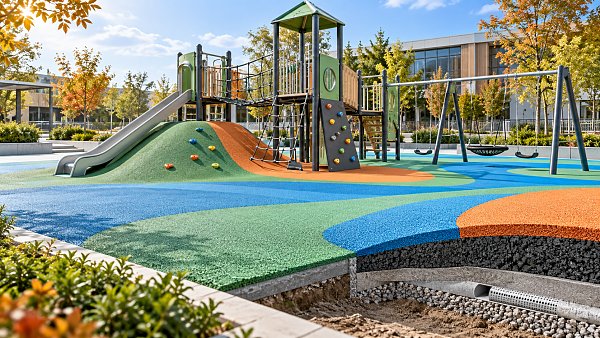
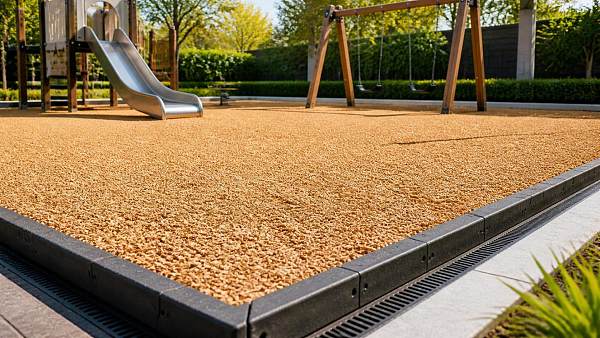
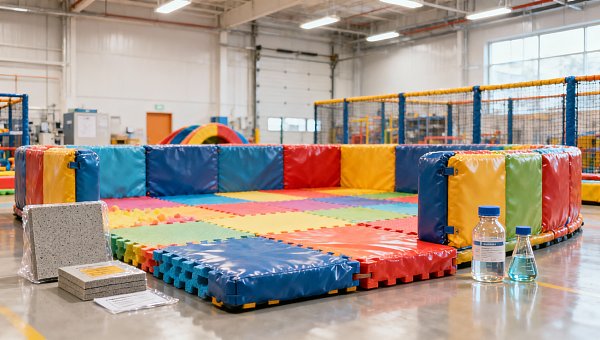
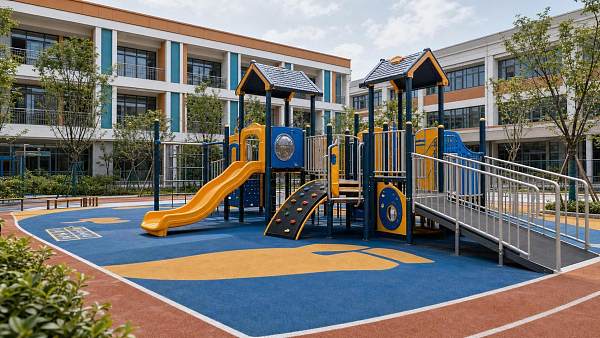
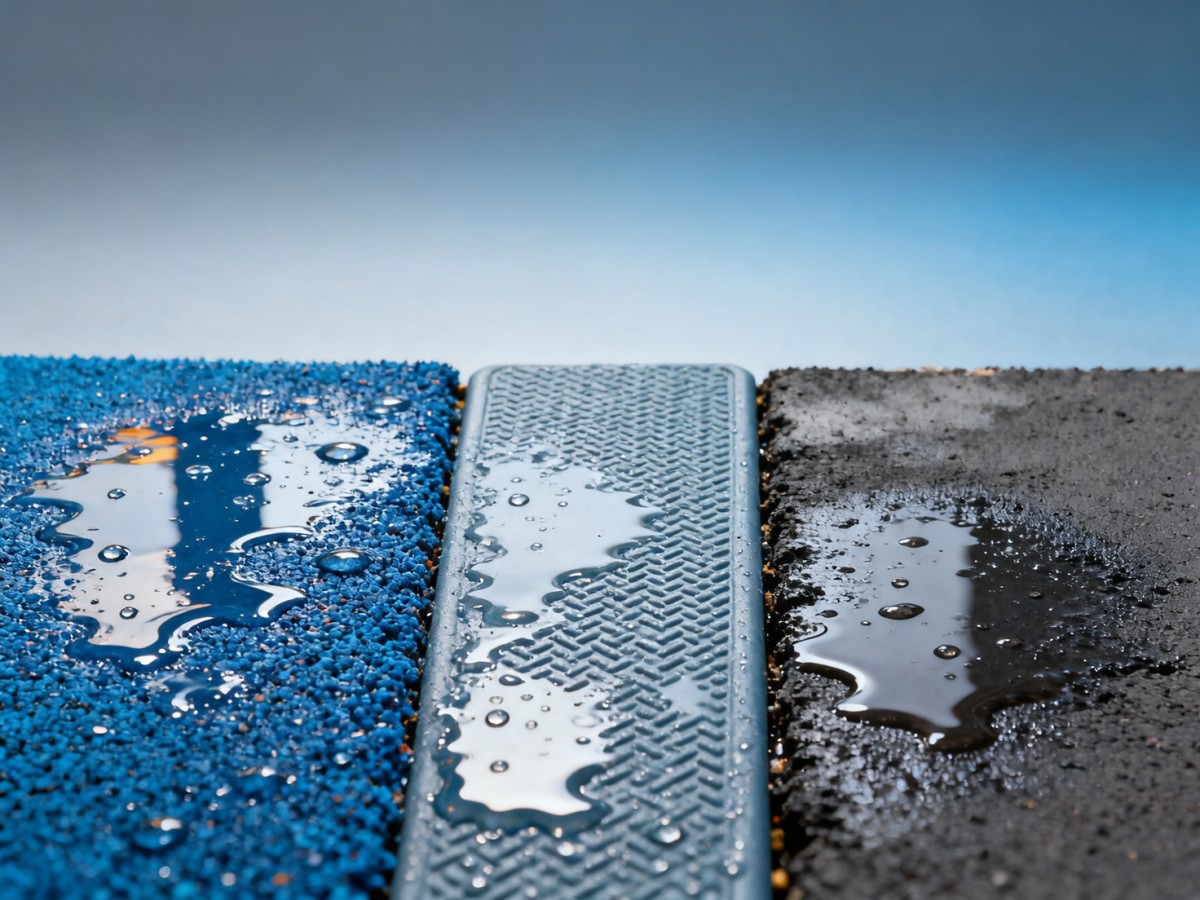
ASTM F1292 defines impact attenuation requirements — specifically, a maximum HIC (Head Injury Criterion) ≤ 1000 and G-max ≤ 200 — measured under dry, controlled lab conditions. But sensory playground surfaces (e.g., poured-in-place rubber, EPDM-bound thermoplastic elastomers, or hybrid polymer systems) are routinely exposed to rain, condensation, irrigation, or splash zones near water features. In those environments, surface stiffness increases by 18–35% on average, reducing energy absorption capacity by up to 42% as measured in third-party field testing (ASTM F355-22 Annex A4).
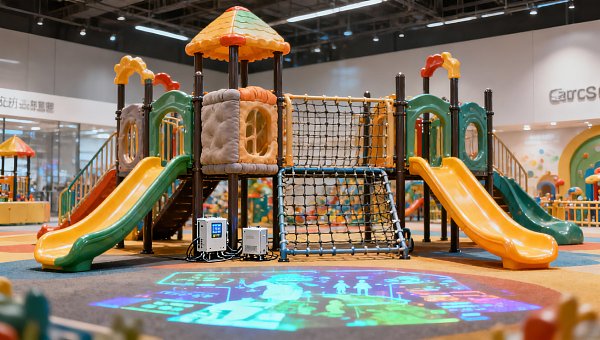
This discrepancy creates a high-stakes gap: a surface certified “safe” per ASTM F1292 may fail dynamic load dispersion when saturated — especially under repeated footfall, wheelchair maneuvering, or child tumbling on inclined or textured zones. Procurement teams evaluating suppliers for resort playgrounds, hospital sensory gardens, or inclusive school campuses must therefore look beyond single-point certification.
The risk isn’t theoretical. In 2023, three U.S. municipal projects reported post-installation retesting failures after monsoon-season exposure — all surfaces passed ASTM F1292 pre-installation but exceeded G-max = 225 in wet-field trials. Liability exposure increases significantly when documentation shows no wet-condition validation was requested during specification.
How Wet-Condition Performance Impacts Procurement Decisions
Procurement professionals and commercial evaluators face layered decision criteria: aesthetic integration with themed environments (e.g., coral textures for aquarium-themed resorts), durability across 7–15 years of UV/chemical exposure, accessibility compliance (ADA/EN 14872), and — critically — performance consistency across environmental variables. Wet-condition dynamic load dispersion directly affects three procurement KPIs: warranty validity, insurance eligibility, and project handover timelines.
Suppliers who provide only dry-condition ASTM F1292 reports often delay wet-testing until post-installation — triggering 12–20 business day rework cycles, costly removal/replacement logistics, and contractual penalties. Distributors and agents representing such manufacturers absorb downstream reputational risk when end clients discover non-compliance during final inspection.
Conversely, vendors with documented wet-condition test data (per ASTM F1292 + ASTM F355-22 wet protocol) reduce procurement cycle time by an average of 9 days and lower total cost of ownership by 11–17% over a 10-year lifecycle — primarily through avoided remediation, extended warranty coverage, and streamlined insurance underwriting.
Key Procurement Evaluation Dimensions
- Test Protocol Transparency: Does the supplier disclose whether ASTM F1292 testing included ≥24-hour immersion at 15°C–25°C per ASTM F355-22 Section 7.3?
- Surface Composition Disclosure: Are polymer binder ratios, aggregate gradation (e.g., 2–4 mm EPDM vs. 1–3 mm SBR), and cross-linking agents specified — all of which affect hydrophobicity and compression recovery?
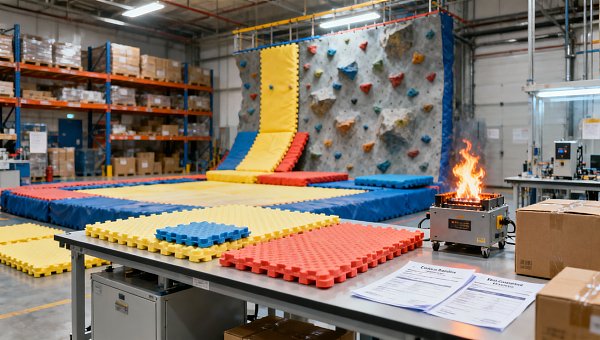
- Field Validation Scope: Is wet-condition testing conducted on installed samples (not just lab slabs), across ≥3 inclines (0°, 5°, 10°) and ≥2 texture profiles (smooth, nodular, grooved)?
- Third-Party Traceability: Are test reports stamped and signed by an ISO/IEC 17025-accredited lab with amusement-surface-specific scope?
Comparative Performance: Dry vs. Wet Dynamic Load Dispersion
The table below compares real-world performance metrics across four widely specified sensory surfacing categories, based on aggregated field data from 22 commercial installations (2021–2024) audited by GCT’s Amusement & Leisure Parks Technical Panel. All values reflect median results from independent third-party verification using Triaxial Accelerometer Arrays per ASTM F355-22.
Note: Non-compliant surfaces exceeded G-max = 200 in wet state, disqualifying them for use in high-traffic sensory zones adjacent to splash pads, misting systems, or coastal resort environments. Compliant options maintained ≤194 G-max even after 48-hour immersion and 500-cycle compression recovery testing — validating consistent dynamic load dispersion under operational stress.
How GCT Supports Procurement, Distribution & OEM Sourcing
Global Commercial Trade doesn’t stop at identifying technical gaps — we connect commercial buyers with vetted suppliers whose product documentation includes verified wet-condition ASTM F1292 + F355-22 datasets, ISO 9001-certified production protocols, and regional compliance mapping (e.g., EN 1176/1177 for EU, AS/NZS 4422 for APAC).
For distributors and agents, GCT provides OEM capability dossiers that include: factory audit summaries (conducted every 6 months), batch traceability frameworks, and lead-time benchmarks (standard: 4–6 weeks; expedited: 12–18 business days with priority scheduling). For procurement teams, our Amusement & Leisure Parks Intelligence Hub offers downloadable spec-checklists, RFP clause templates covering wet-performance obligations, and direct access to third-party lab reports — all curated by hospitality procurement directors with ≥12 years’ playground infrastructure sourcing experience.
Manufacturers seeking global commercial market entry partner with GCT to embed their wet-condition validation data into searchable, SEO-optimized product profiles — accelerating discovery by institutional buyers actively filtering for “ASTM F1292 wet performance”, “sensory surfacing G-max verified”, or “playground surface hydrophobicity data”.
Next Steps for Your Sourcing Process
- Request wet-condition test reports — not just ASTM F1292 certificates — for all shortlisted sensory surfacing candidates.
- Verify lab accreditation scope includes “impact attenuation of wet resilient surfacing” per ASTM F355-22 Annex A4.
- Use GCT’s free Sensory Surfacing Compliance Checklist to align internal stakeholders on minimum wet-performance thresholds.
- Contact GCT’s Amusement & Leisure Sourcing Desk for supplier shortlists pre-vetted for documented wet-condition validation, 72-hour sample dispatch, and multi-region compliance packaging.
Search News
Hot Articles
- Restaurant FurnitureFast-Casual Restaurant Interiors: Design Choices That Improve Speed and Guest FlowOct 04, 2026
- Outdoor RidesHow to Select Leisure Park Equipment for Safe, High-Throughput Visitor AreasOct 03, 2026
- Fashion & Gem JewelryDiamond Tester Wholesale: How to Vet Accuracy, Calibration, and MOQ Before OrderingOct 02, 2026
Popular Tags
Need ExpertConsultation?
Connect with our specialized leisureengineering team for procurementstrategies.
Recommended News
 Sep 29, 2026Poured Playground Safety Surfacing: How to Specify Thickness for Fall HeightsPoured playground safety surfacing: learn how to specify tested thickness by fall height, ASTM standards, substrate conditions, accessibility, and field verification.● Theme Park Strategist
 Sep 27, 2026Custom Trampoline Park Equipment: Planning Capacity, Safety, and LayoutCustom trampoline park equipment for safer capacity, smooth guest flow, and efficient layouts. Explore practical planning insights for a high-performing park.● Theme Park Strategist
 Aug 30, 2026Entertainment Venue Master Planning: How to Balance Capacity, Flow, and RevenueEntertainment venue development master planning: balance capacity, guest flow, and revenue with practical strategies for resilient, high-performing venues.● Theme Park Strategist
 Sep 07, 2026What Should Buyers Do When a Supplier Delivers Non-Compliant Products?What to do if a supplier delivers non-compliant commercial products: contain risks, document evidence, protect your project, and secure the right remedy.● Theme Park Strategist
 Sep 02, 2026Waterpark Capacity Management: Balancing Queue Times, Safety, and Guest ThroughputWaterpark capacity management strategies to reduce queue times, protect safety, optimize guest throughput, and build a smoother, more profitable park operation.● Theme Park Strategist
 Sep 01, 2026ASTM F2075 Explained: Testing Engineered Wood Fiber for Playground Impact SafetyASTM F2075 explained: learn how engineered wood fiber supports playground impact safety, smarter sourcing, compliance documentation, and reliable maintenance planning.● Theme Park Strategist
 Aug 24, 2026How to Evaluate an Indoor Ninja Warrior Course Supplier in Europe?indoor ninja warrior course Europe supplier guide: learn how to assess safety, EN compliance, engineering, installation, and maintenance support before you choose.● Theme Park Strategist
 Aug 20, 2026How to Choose Modular Indoor Play Equipment for Different Venue Sizes and Age GroupsModular indoor play equipment buying guide: learn how to match venue size, ceiling height, traffic flow, and age groups to create safer, smarter, and more profitable play spaces.● Theme Park Strategist
 Aug 14, 2026POB Push Lifts Overseas Pre-Registrations 45.74%POB boosts overseas pre-registrations for the 2026 China Sport Show by 45.74%, signaling stronger global buyer interest and smarter sourcing opportunities in sports manufacturing.● Theme Park Strategist
 Aug 02, 2026What to Check Before Buying Thick Gymnastic Mats Wholesale for Schools and GymsThick gymnastic mats wholesale buying guide for schools and gyms: learn how to check foam, cover durability, safety documents, samples, and true long-term value before placing a bulk order.● Theme Park Strategist
 Jul 28, 2026How to Design Inclusive Sensory Play Areas for Different Age Groups and NeedsInclusive sensory play starts with smart zoning, age planning, accessibility, and acoustics. Discover practical design tips to create safer, engaging spaces that truly work.● Theme Park Strategist
 Jul 26, 2026How to Evaluate a Bowling Alley Equipment Factory Before Requesting a QuoteBowling alley equipment factory evaluation starts before price. Learn how to check manufacturing scope, engineering, compliance, spare parts, and installation support to avoid costly sourcing mistakes.● Theme Park Strategist
 Jul 16, 2026EN 1176:2026 Takes Effect for Indoor PlaygroundsEN 1176:2026 takes effect for indoor playgrounds in the EU, making conformity assessment mandatory. Learn how this impacts certification, customs clearance, suppliers, and market access.● Theme Park Strategist
 Jul 15, 2026CPSC Sets New ASTM Impact Test for Indoor Playground Metal PartsCPSC sets new ASTM impact test rules for indoor playground metal parts effective Oct. 1, 2026. Learn how the 15kN requirement may affect compliance, testing timelines, and U.S. export delivery.● Theme Park Strategist
 Jul 14, 2026CPSC Tightens Phthalate Limit for Indoor Playground Soft MaterialsCPSC tightens phthalate limits for indoor playground soft materials from Aug 15, 2026. Learn how DIBP control, CBP detention risk, and testing changes impact sourcing, exports, and compliance.● Theme Park Strategist
 Jul 13, 2026Vietnam Tightens IoT Rule for Indoor Playground ImportsVietnam Tightens IoT Rule for Indoor Playground Imports: learn how VNSS-2025 gateway requirements affect exporters, buyers, installers, and delivery timelines before the 2026 deadline.● Theme Park Strategist
 Jul 13, 2026How a Recreational Facility Planning Company Helps Reduce Layout MistakesRecreational facility planning company insights: learn how early layout strategy reduces costly mistakes, improves flow, compliance, and buildability for smoother project delivery.● Theme Park Strategist
 Jul 12, 2026CPSC Halts Imports of Indoor Playground Soft PartsCPSC halts imports of indoor playground soft parts from China under ASTM F3432-26. Learn the compliance risks, testing requirements, and urgent steps importers must take now.● Theme Park Strategist
 Jul 11, 2026CPSC Import Alert Tightens Fire Test Rule for Indoor Playground PaddingCPSC import alert updates indoor playground padding rules to ASTM F3432-26. See how the new fire test affects foam mats, shipments, and U.S. market access.● Theme Park Strategist
 Jul 11, 2026Ice Bumper Cars Bulk Order Checklist for Indoor Parks: Space, Power, and Safety PointsIce bumper cars bulk order guide for indoor parks: learn how to assess space, power, safety, and throughput before buying, so you can avoid costly mistakes and choose the right fleet with confidence.● Theme Park Strategist
 Jul 10, 2026Commercial Playground Equipment for Campuses: Key Safety Standards and Planning TipsCommercial playground equipment for campuses: explore key safety standards, inclusive layout planning, durable materials, and smart procurement tips to avoid costly mistakes.● Theme Park Strategist
 Jul 09, 2026CPSC Recall Escalates Over Phthalates in Indoor Playground PadsCPSC recall escalates over phthalates in indoor playground pads as affected batches exceed CPSIA limits. Learn the risks, supply chain impact, and what buyers should monitor now.● Theme Park Strategist
 Jul 07, 2026How to Choose Ice Skating Rink Equipment in Europe: Key Systems, Standards, and Budget Factorsice skating rink equipment Europe guide: compare refrigeration, rink floors, boards, EU compliance, and total budget factors to choose a safer, more efficient commercial rink solution.● Theme Park Strategist
 Jul 06, 2026CPSC Flags New Flame Test for Indoor Playground PaddingCPSC flags a new flame test for indoor playground padding under ASTM F1487-23b. Learn how this urgent compliance alert affects materials, testing, imports, and U.S. market access.● Theme Park Strategist