Chinese Volleyball Team Adopts AI Training System Amid FIVB Rule Update
On May 10, 2026, the Chinese women’s national volleyball team began using a new AI-powered motion capture training system at the Zhangzhou Base — a development that signals emerging demand for intelligent sports training equipment in international markets, particularly among national federations and high-performance training centers.
Event Overview
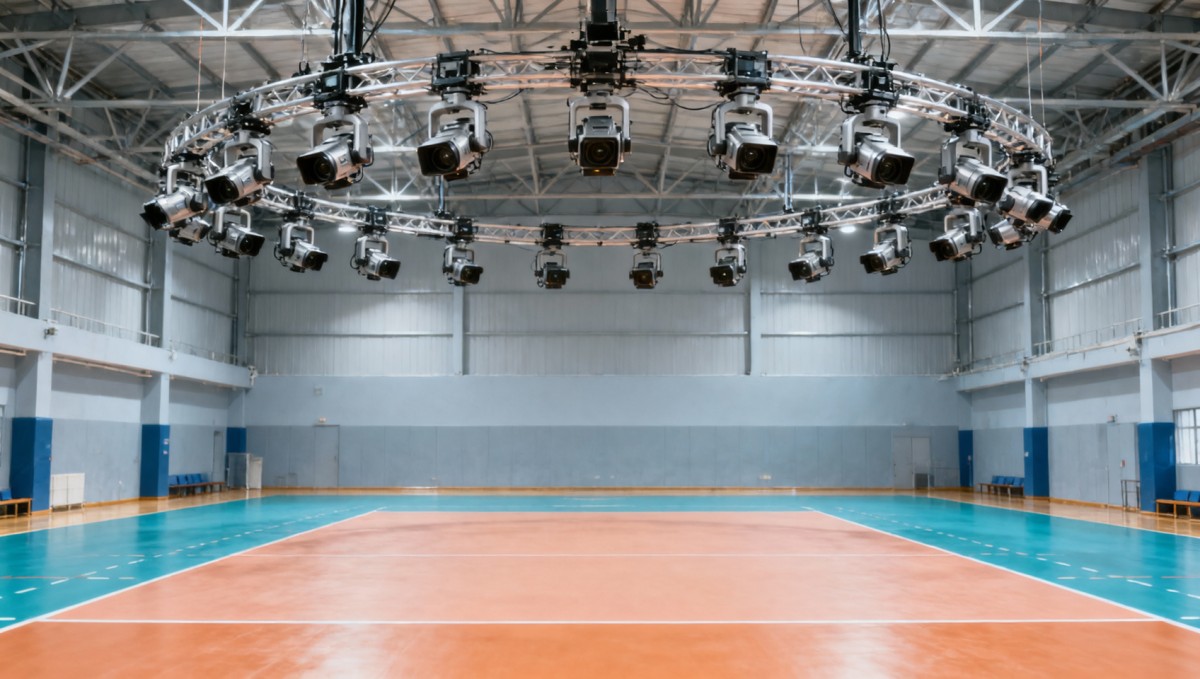
Starting May 10, 2026, the Chinese women’s national volleyball team commenced training with a next-generation AI motion capture system at the Zhangzhou National Volleyball Training Base. The system features 12 high-speed cameras and an integrated biomechanical modeling module, jointly developed by an enterprise based in Dongguan, Guangdong, and Beijing Sport University. Separately, the Fédération Internationale de Volleyball (FIVB) updated its Guidelines for Certification of High-Level Training Centers in April 2026, explicitly recommending AI-based motion analysis as part of core technical infrastructure for certified centers. As a result, several national volleyball associations in Southeast Asia and the Middle East have initiated procurement tenders.
Industries Affected
Direct Exporters of Smart Sports Equipment
Export-oriented manufacturers of AI-enabled sports analytics hardware — especially those supplying motion capture systems, wearable sensors, or biomechanics software platforms — are directly affected. The FIVB’s updated guidelines serve as a de facto technical benchmark for national federations seeking certification; this elevates demand visibility for compliant equipment in regulated procurement processes.
Domestic R&D and Integration Service Providers
Chinese firms engaged in AI algorithm development, real-time video processing, or biomechanical simulation — particularly those partnering with academic institutions or elite sports bodies — face increased opportunities for validation and scaling. The Zhangzhou deployment represents a high-profile reference case for domestic system integration capability.
Supply Chain Components Manufacturers
Suppliers of high-speed imaging modules, low-latency data transmission components, and edge-computing hardware may see incremental demand shifts. While not specified in the announcement, the 12-camera configuration implies requirements for synchronized triggering, precise calibration, and robust thermal management — all influencing component-level specifications.
International Certification and Compliance Support Services
Firms offering FIVB guideline interpretation, technical documentation support, or third-party verification for training center infrastructure may experience rising inquiries. The April 2026 update introduces AI analysis as a recommended (not mandatory) feature — creating early-stage demand for advisory services ahead of formal compliance pathways.
Key Considerations and Recommended Actions
Monitor official FIVB implementation guidance
The April 2026 FIVB document recommends — but does not require — AI motion analysis. Observably, national federations are interpreting this as a near-term procurement signal. Companies should track whether future versions of the guidelines shift from ‘recommended’ to ‘required’, and whether specific performance thresholds (e.g., frame rate, joint-angle accuracy) emerge.
Track tender activity in Southeast Asia and the Middle East
Multiple regional volleyball associations have launched procurement processes following the guideline update. Analysis shows these tenders are likely to prioritize interoperability with existing video analysis workflows and compatibility with multilingual coaching interfaces — factors distinct from consumer-grade fitness tech.
Distinguish between policy signal and commercial traction
The Zhangzhou deployment is a domestic elite-team application; it does not constitute export evidence. Current more relevant indicators include tender deadlines, evaluation criteria published in official procurement notices, and whether bids require local technical support or FIVB-aligned validation reports.
Prepare for integration-specific documentation and testing
Given the system’s reliance on synchronized multi-camera capture and biomechanical modeling, exporters and integrators should pre-verify documentation packages covering calibration protocols, latency benchmarks, and data export formats (e.g., BVH, C3D). Early alignment with FIVB-recognized testing labs — if any exist — may reduce time-to-bid readiness.
Editorial Observation / Industry Insight
This development is better understood as a regulatory signal than an immediate market inflection point. The FIVB’s inclusion of AI motion analysis reflects growing institutional recognition of data-driven athlete development — yet adoption remains voluntary and context-dependent. From an industry perspective, the Zhangzhou rollout validates technical feasibility at elite level, while the tender activity indicates early-stage translation into procurement behavior. However, sustained commercial impact will depend on whether national federations treat the recommendation as a strategic priority — not just a compliance checkbox — and whether cost, training, and maintenance barriers remain manageable across diverse operational environments.
Conclusion
The May 2026 Zhangzhou deployment and concurrent FIVB guideline update collectively mark the beginning of a structured, standards-informed phase for intelligent training equipment in elite volleyball. It is not yet a broad-market acceleration, but rather a definable inflection in how high-performance infrastructure is evaluated. For industry stakeholders, the current moment is best approached as an opportunity to align product roadmaps with emerging technical expectations — not as evidence of imminent scale.
Source Attribution
- Official announcement by the General Administration of Sport of China (confirmed date: May 10, 2026)
- FIVB Guidelines for Certification of High-Level Training Centers, Version 4.1 (published April 2026)
- Public tender notices issued by volleyball associations in Thailand, Indonesia, and Qatar (as of May 2026; ongoing monitoring required)
Search News
Hot Articles
- Restaurant FurnitureFast-Casual Restaurant Interiors: Design Choices That Improve Speed and Guest FlowOct 04, 2026
- Outdoor RidesHow to Select Leisure Park Equipment for Safe, High-Throughput Visitor AreasOct 03, 2026
- Fashion & Gem JewelryDiamond Tester Wholesale: How to Vet Accuracy, Calibration, and MOQ Before OrderingOct 02, 2026
Popular Tags
Need ExpertConsultation?
Connect with our specialized leisureengineering team for procurementstrategies.
Recommended News
 Sep 29, 2026Poured Playground Safety Surfacing: How to Specify Thickness for Fall HeightsPoured playground safety surfacing: learn how to specify tested thickness by fall height, ASTM standards, substrate conditions, accessibility, and field verification.● Theme Park Strategist
 Sep 27, 2026Custom Trampoline Park Equipment: Planning Capacity, Safety, and LayoutCustom trampoline park equipment for safer capacity, smooth guest flow, and efficient layouts. Explore practical planning insights for a high-performing park.● Theme Park Strategist
 Aug 30, 2026Entertainment Venue Master Planning: How to Balance Capacity, Flow, and RevenueEntertainment venue development master planning: balance capacity, guest flow, and revenue with practical strategies for resilient, high-performing venues.● Theme Park Strategist
 Sep 07, 2026What Should Buyers Do When a Supplier Delivers Non-Compliant Products?What to do if a supplier delivers non-compliant commercial products: contain risks, document evidence, protect your project, and secure the right remedy.● Theme Park Strategist
 Sep 02, 2026Waterpark Capacity Management: Balancing Queue Times, Safety, and Guest ThroughputWaterpark capacity management strategies to reduce queue times, protect safety, optimize guest throughput, and build a smoother, more profitable park operation.● Theme Park Strategist
 Sep 01, 2026ASTM F2075 Explained: Testing Engineered Wood Fiber for Playground Impact SafetyASTM F2075 explained: learn how engineered wood fiber supports playground impact safety, smarter sourcing, compliance documentation, and reliable maintenance planning.● Theme Park Strategist
 Aug 24, 2026How to Evaluate an Indoor Ninja Warrior Course Supplier in Europe?indoor ninja warrior course Europe supplier guide: learn how to assess safety, EN compliance, engineering, installation, and maintenance support before you choose.● Theme Park Strategist
 Aug 20, 2026How to Choose Modular Indoor Play Equipment for Different Venue Sizes and Age GroupsModular indoor play equipment buying guide: learn how to match venue size, ceiling height, traffic flow, and age groups to create safer, smarter, and more profitable play spaces.● Theme Park Strategist
 Aug 14, 2026POB Push Lifts Overseas Pre-Registrations 45.74%POB boosts overseas pre-registrations for the 2026 China Sport Show by 45.74%, signaling stronger global buyer interest and smarter sourcing opportunities in sports manufacturing.● Theme Park Strategist
 Aug 02, 2026What to Check Before Buying Thick Gymnastic Mats Wholesale for Schools and GymsThick gymnastic mats wholesale buying guide for schools and gyms: learn how to check foam, cover durability, safety documents, samples, and true long-term value before placing a bulk order.● Theme Park Strategist
 Jul 28, 2026How to Design Inclusive Sensory Play Areas for Different Age Groups and NeedsInclusive sensory play starts with smart zoning, age planning, accessibility, and acoustics. Discover practical design tips to create safer, engaging spaces that truly work.● Theme Park Strategist
 Jul 26, 2026How to Evaluate a Bowling Alley Equipment Factory Before Requesting a QuoteBowling alley equipment factory evaluation starts before price. Learn how to check manufacturing scope, engineering, compliance, spare parts, and installation support to avoid costly sourcing mistakes.● Theme Park Strategist
 Jul 16, 2026EN 1176:2026 Takes Effect for Indoor PlaygroundsEN 1176:2026 takes effect for indoor playgrounds in the EU, making conformity assessment mandatory. Learn how this impacts certification, customs clearance, suppliers, and market access.● Theme Park Strategist
 Jul 15, 2026CPSC Sets New ASTM Impact Test for Indoor Playground Metal PartsCPSC sets new ASTM impact test rules for indoor playground metal parts effective Oct. 1, 2026. Learn how the 15kN requirement may affect compliance, testing timelines, and U.S. export delivery.● Theme Park Strategist
 Jul 14, 2026CPSC Tightens Phthalate Limit for Indoor Playground Soft MaterialsCPSC tightens phthalate limits for indoor playground soft materials from Aug 15, 2026. Learn how DIBP control, CBP detention risk, and testing changes impact sourcing, exports, and compliance.● Theme Park Strategist
 Jul 13, 2026Vietnam Tightens IoT Rule for Indoor Playground ImportsVietnam Tightens IoT Rule for Indoor Playground Imports: learn how VNSS-2025 gateway requirements affect exporters, buyers, installers, and delivery timelines before the 2026 deadline.● Theme Park Strategist
 Jul 13, 2026How a Recreational Facility Planning Company Helps Reduce Layout MistakesRecreational facility planning company insights: learn how early layout strategy reduces costly mistakes, improves flow, compliance, and buildability for smoother project delivery.● Theme Park Strategist
 Jul 12, 2026CPSC Halts Imports of Indoor Playground Soft PartsCPSC halts imports of indoor playground soft parts from China under ASTM F3432-26. Learn the compliance risks, testing requirements, and urgent steps importers must take now.● Theme Park Strategist
 Jul 11, 2026CPSC Import Alert Tightens Fire Test Rule for Indoor Playground PaddingCPSC import alert updates indoor playground padding rules to ASTM F3432-26. See how the new fire test affects foam mats, shipments, and U.S. market access.● Theme Park Strategist
 Jul 11, 2026Ice Bumper Cars Bulk Order Checklist for Indoor Parks: Space, Power, and Safety PointsIce bumper cars bulk order guide for indoor parks: learn how to assess space, power, safety, and throughput before buying, so you can avoid costly mistakes and choose the right fleet with confidence.● Theme Park Strategist
 Jul 10, 2026Commercial Playground Equipment for Campuses: Key Safety Standards and Planning TipsCommercial playground equipment for campuses: explore key safety standards, inclusive layout planning, durable materials, and smart procurement tips to avoid costly mistakes.● Theme Park Strategist
 Jul 09, 2026CPSC Recall Escalates Over Phthalates in Indoor Playground PadsCPSC recall escalates over phthalates in indoor playground pads as affected batches exceed CPSIA limits. Learn the risks, supply chain impact, and what buyers should monitor now.● Theme Park Strategist
 Jul 07, 2026How to Choose Ice Skating Rink Equipment in Europe: Key Systems, Standards, and Budget Factorsice skating rink equipment Europe guide: compare refrigeration, rink floors, boards, EU compliance, and total budget factors to choose a safer, more efficient commercial rink solution.● Theme Park Strategist
 Jul 06, 2026CPSC Flags New Flame Test for Indoor Playground PaddingCPSC flags a new flame test for indoor playground padding under ASTM F1487-23b. Learn how this urgent compliance alert affects materials, testing, imports, and U.S. market access.● Theme Park Strategist