LEAP 2026 Adds ESG Materials Verification Zone
On May 17, 2026, the Shanghai International Amusement Expo (LEAP) launched its first dedicated ESG Materials Verification Zone — a policy-aligned response to tightening global sustainability procurement requirements. The move signals a structural shift in how international buyers, particularly from North America and Western Europe, evaluate product eligibility for major theme park infrastructure contracts. Its timing coincides with accelerated implementation of EU Corporate Sustainability Reporting Directive (CSRD) extensions and U.S. federal green procurement guidelines effective Q3 2026.
Event Overview
The 2026 Shanghai International Amusement Expo (LEAP), opening on May 17, introduced an ‘ESG Materials Verification Zone’ for the first time. TÜV Rheinland and SGS were invited on-site to verify exhibitors’ documentation for recycled plastics — including rPP and rABS material reports, verified carbon footprint statements, and digital supply chain traceability codes. A delegation of procurement representatives from leading U.S. and European theme parks confirmed that verification outcomes will serve as a mandatory scoring criterion in their 2027 new equipment tender processes.
Industries Affected
Direct Trade Enterprises: Export-oriented amusement equipment traders face heightened pre-shipment compliance overhead. Previously optional sustainability claims are now subject to third-party on-site validation; failure to present auditable documentation risks exclusion from buyer shortlists — especially for Tier-1 theme park contracts where ESG weighting accounts for up to 25% of technical evaluation scores.
Raw Material Procurement Enterprises: Companies sourcing polymers for playground structures, ride components, or interactive installations must now secure certified recycled feedstock with full chain-of-custody records. Absence of ISO 14040/14044-compliant LCA data or GRP (Global Recycled Standard) certification limits downstream market access — particularly for buyers requiring dual verification (e.g., both mass balance and physical traceability).
Manufacturing Enterprises: OEMs and ODMs producing rides, water park elements, or themed environments must align internal QA workflows with real-time verification protocols. This includes embedding QR-coded traceability at component level, maintaining version-controlled carbon declarations per SKU, and preparing for unannounced documentary audits — not just during trade shows but increasingly as part of contract execution clauses.
Supply Chain Service Providers: Logistics firms, testing labs, and certification consultants are seeing demand pivot from generic ISO 9001 support toward integrated ESG assurance packages — e.g., combined material testing + carbon accounting + blockchain-based origin logging. Providers lacking cross-border audit reciprocity (e.g., non-ILAC-accredited labs) may lose relevance in high-value tenders.
Key Focus Areas & Recommended Actions
Secure Pre-Verified Material Documentation Now
Exhibitors at LEAP 2026 reported average lead times of 8–12 weeks for full rPP/rABS verification packages. Firms targeting 2027 tenders should initiate third-party validation by Q3 2026 — prioritizing materials with documented upstream recycling rates ≥75% and Scope 3 emission boundaries aligned with GHG Protocol Product Standard.
Adopt Interoperable Traceability Infrastructure
Buyers explicitly required scannable, tamper-evident溯源 codes linked to public blockchain ledgers or GS1-certified systems. Standalone Excel-based logs or PDF certificates were rejected on-site. Investment in lightweight digital ID systems (e.g., Veridium, TrusTrace) is becoming operationally necessary — not merely strategic.
Align Internal Carbon Accounting with Buyer-Specific Thresholds
Verification zones revealed divergent expectations: some U.S. buyers accepted cradle-to-gate footprints only, while EU delegations demanded cradle-to-grave assessments inclusive of end-of-life energy recovery assumptions. Firms should map buyer-specific reporting rules before finalizing LCA scope — avoiding rework post-submission.
Editorial Perspective / Industry Observation
Observably, the LEAP 2026 ESG zone functions less as a ‘certification booth’ and more as a de facto preview of contractual gatekeeping mechanisms entering mainstream procurement. Analysis shows this is not isolated to amusement equipment: parallel verification pilots have emerged at Hannover Messe (industrial machinery) and IFA Berlin (consumer electronics), suggesting a broader convergence around material-level due diligence. From industry perspective, what appears as regulatory pressure is better understood as a market-driven recalibration — where ESG verification shifts from reputational signaling to technical prequalification. Current evidence does not support claims of ‘green protectionism’; rather, it reflects standardized risk mitigation in capital-intensive, long-lifecycle assets.
Conclusion
The introduction of the ESG Materials Verification Zone at LEAP 2026 marks a tangible inflection point: sustainability criteria are no longer abstract policy considerations but embedded, enforceable technical requirements in global amusement infrastructure procurement. For suppliers, this demands operational integration — not just compliance reporting. A rational interpretation is that early adopters gain bid differentiation and supply chain resilience; laggards risk marginalization in high-margin, multi-year contracts.
Source Attribution
Official announcements from LEAP Organizing Committee (leap-shanghai.com/2026/esg-zone); verified statements from TÜV Rheinland and SGS press briefings (May 16, 2026); procurement guidelines published by IAAPA Europe (2026 Tender Framework v2.1, effective June 1, 2026). Note: Final weightings for 2027 tender ESG scoring remain pending formal release by six major theme park operators — to be monitored through Q3 2026.
Search News
Hot Articles
- Restaurant FurnitureFast-Casual Restaurant Interiors: Design Choices That Improve Speed and Guest FlowOct 04, 2026
- Outdoor RidesHow to Select Leisure Park Equipment for Safe, High-Throughput Visitor AreasOct 03, 2026
- Fashion & Gem JewelryDiamond Tester Wholesale: How to Vet Accuracy, Calibration, and MOQ Before OrderingOct 02, 2026
Popular Tags
Need ExpertConsultation?
Connect with our specialized leisureengineering team for procurementstrategies.
Recommended News
 Sep 29, 2026Poured Playground Safety Surfacing: How to Specify Thickness for Fall HeightsPoured playground safety surfacing: learn how to specify tested thickness by fall height, ASTM standards, substrate conditions, accessibility, and field verification.● Theme Park Strategist
 Sep 27, 2026Custom Trampoline Park Equipment: Planning Capacity, Safety, and LayoutCustom trampoline park equipment for safer capacity, smooth guest flow, and efficient layouts. Explore practical planning insights for a high-performing park.● Theme Park Strategist
 Aug 30, 2026Entertainment Venue Master Planning: How to Balance Capacity, Flow, and RevenueEntertainment venue development master planning: balance capacity, guest flow, and revenue with practical strategies for resilient, high-performing venues.● Theme Park Strategist
 Sep 07, 2026What Should Buyers Do When a Supplier Delivers Non-Compliant Products?What to do if a supplier delivers non-compliant commercial products: contain risks, document evidence, protect your project, and secure the right remedy.● Theme Park Strategist
 Sep 02, 2026Waterpark Capacity Management: Balancing Queue Times, Safety, and Guest ThroughputWaterpark capacity management strategies to reduce queue times, protect safety, optimize guest throughput, and build a smoother, more profitable park operation.● Theme Park Strategist
 Sep 01, 2026ASTM F2075 Explained: Testing Engineered Wood Fiber for Playground Impact SafetyASTM F2075 explained: learn how engineered wood fiber supports playground impact safety, smarter sourcing, compliance documentation, and reliable maintenance planning.● Theme Park Strategist
 Aug 24, 2026How to Evaluate an Indoor Ninja Warrior Course Supplier in Europe?indoor ninja warrior course Europe supplier guide: learn how to assess safety, EN compliance, engineering, installation, and maintenance support before you choose.● Theme Park Strategist
 Aug 20, 2026How to Choose Modular Indoor Play Equipment for Different Venue Sizes and Age GroupsModular indoor play equipment buying guide: learn how to match venue size, ceiling height, traffic flow, and age groups to create safer, smarter, and more profitable play spaces.● Theme Park Strategist
 Aug 14, 2026POB Push Lifts Overseas Pre-Registrations 45.74%POB boosts overseas pre-registrations for the 2026 China Sport Show by 45.74%, signaling stronger global buyer interest and smarter sourcing opportunities in sports manufacturing.● Theme Park Strategist
 Aug 02, 2026What to Check Before Buying Thick Gymnastic Mats Wholesale for Schools and GymsThick gymnastic mats wholesale buying guide for schools and gyms: learn how to check foam, cover durability, safety documents, samples, and true long-term value before placing a bulk order.● Theme Park Strategist
 Jul 28, 2026How to Design Inclusive Sensory Play Areas for Different Age Groups and NeedsInclusive sensory play starts with smart zoning, age planning, accessibility, and acoustics. Discover practical design tips to create safer, engaging spaces that truly work.● Theme Park Strategist
 Jul 26, 2026How to Evaluate a Bowling Alley Equipment Factory Before Requesting a QuoteBowling alley equipment factory evaluation starts before price. Learn how to check manufacturing scope, engineering, compliance, spare parts, and installation support to avoid costly sourcing mistakes.● Theme Park Strategist
 Jul 16, 2026EN 1176:2026 Takes Effect for Indoor PlaygroundsEN 1176:2026 takes effect for indoor playgrounds in the EU, making conformity assessment mandatory. Learn how this impacts certification, customs clearance, suppliers, and market access.● Theme Park Strategist
 Jul 15, 2026CPSC Sets New ASTM Impact Test for Indoor Playground Metal PartsCPSC sets new ASTM impact test rules for indoor playground metal parts effective Oct. 1, 2026. Learn how the 15kN requirement may affect compliance, testing timelines, and U.S. export delivery.● Theme Park Strategist
 Jul 14, 2026CPSC Tightens Phthalate Limit for Indoor Playground Soft MaterialsCPSC tightens phthalate limits for indoor playground soft materials from Aug 15, 2026. Learn how DIBP control, CBP detention risk, and testing changes impact sourcing, exports, and compliance.● Theme Park Strategist
 Jul 13, 2026Vietnam Tightens IoT Rule for Indoor Playground ImportsVietnam Tightens IoT Rule for Indoor Playground Imports: learn how VNSS-2025 gateway requirements affect exporters, buyers, installers, and delivery timelines before the 2026 deadline.● Theme Park Strategist
 Jul 13, 2026How a Recreational Facility Planning Company Helps Reduce Layout MistakesRecreational facility planning company insights: learn how early layout strategy reduces costly mistakes, improves flow, compliance, and buildability for smoother project delivery.● Theme Park Strategist
 Jul 12, 2026CPSC Halts Imports of Indoor Playground Soft PartsCPSC halts imports of indoor playground soft parts from China under ASTM F3432-26. Learn the compliance risks, testing requirements, and urgent steps importers must take now.● Theme Park Strategist
 Jul 11, 2026CPSC Import Alert Tightens Fire Test Rule for Indoor Playground PaddingCPSC import alert updates indoor playground padding rules to ASTM F3432-26. See how the new fire test affects foam mats, shipments, and U.S. market access.● Theme Park Strategist
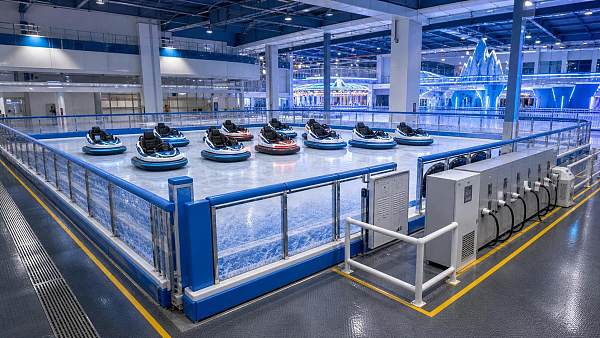
 Jul 11, 2026Ice Bumper Cars Bulk Order Checklist for Indoor Parks: Space, Power, and Safety PointsIce bumper cars bulk order guide for indoor parks: learn how to assess space, power, safety, and throughput before buying, so you can avoid costly mistakes and choose the right fleet with confidence.● Theme Park Strategist
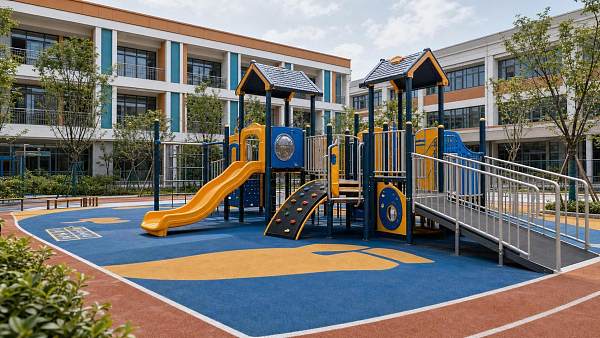
 Jul 10, 2026Commercial Playground Equipment for Campuses: Key Safety Standards and Planning TipsCommercial playground equipment for campuses: explore key safety standards, inclusive layout planning, durable materials, and smart procurement tips to avoid costly mistakes.● Theme Park Strategist
 Jul 09, 2026CPSC Recall Escalates Over Phthalates in Indoor Playground PadsCPSC recall escalates over phthalates in indoor playground pads as affected batches exceed CPSIA limits. Learn the risks, supply chain impact, and what buyers should monitor now.● Theme Park Strategist
 Jul 07, 2026How to Choose Ice Skating Rink Equipment in Europe: Key Systems, Standards, and Budget Factorsice skating rink equipment Europe guide: compare refrigeration, rink floors, boards, EU compliance, and total budget factors to choose a safer, more efficient commercial rink solution.● Theme Park Strategist
 Jul 06, 2026CPSC Flags New Flame Test for Indoor Playground PaddingCPSC flags a new flame test for indoor playground padding under ASTM F1487-23b. Learn how this urgent compliance alert affects materials, testing, imports, and U.S. market access.● Theme Park Strategist