LEAP 2026 Adds ESG Materials Verification Zone in Shanghai
LEAP Shanghai 2026—the International Leisure & Amusement Park Expo—will introduce its first dedicated ESG Materials Verification Zone during the exhibition period in July 2026. This development signals growing scrutiny of material sustainability credentials by European and North American buyers, particularly for indoor playground equipment and outdoor ride manufacturers. Companies involved in global supply chains for leisure infrastructure, sustainable materials procurement, and third-party verification services should monitor this shift closely, as it reflects tightening expectations around on-site traceability and real-time validation of environmental claims.
Event Overview
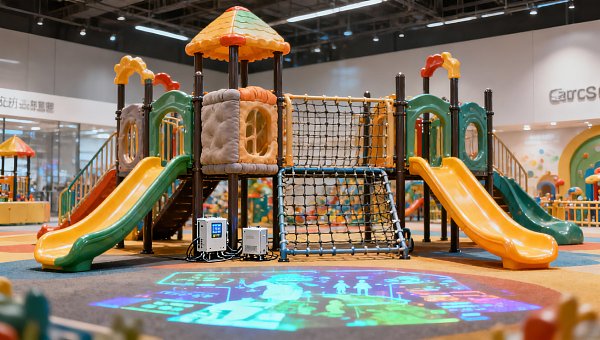
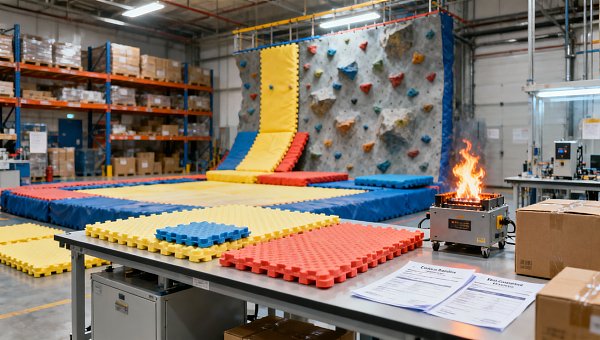
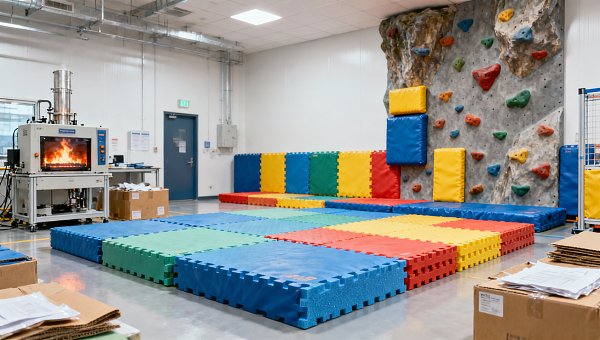
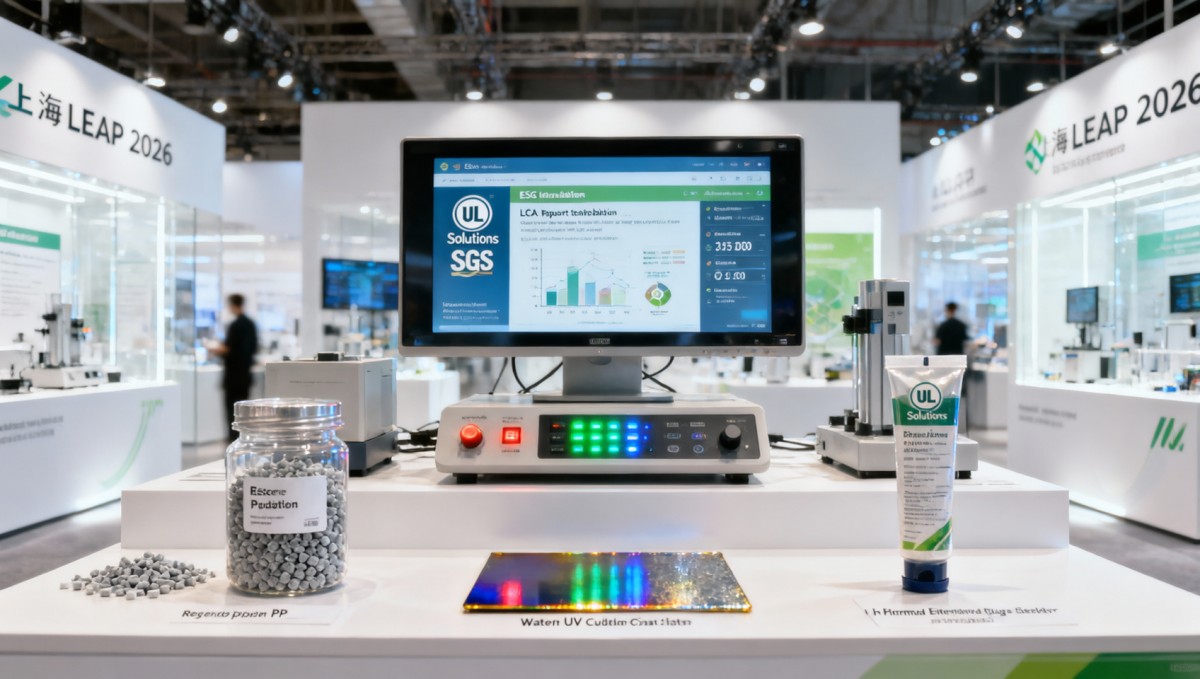
On May 15, 2026, the LEAP Shanghai organizing committee announced that the 2026 edition of the exhibition—scheduled for July 2026—will feature a new ‘ESG Materials Verification Zone’. The zone will be operated in collaboration with UL Solutions and SGS. It offers on-site rapid verification for select sustainability claims made by exhibitors: specifically, the use of recycled polypropylene (PP) and polyethylene (PE), water-based UV-curable coatings, and formaldehyde-free adhesives in indoor playground and outdoor ride products. Verified documentation—including Life Cycle Assessment (LCA) reports and carbon footprint statements—will be accessible via QR code scanning at the venue.
Industries Affected
Direct Exporters to EU/US Markets
Export-oriented manufacturers supplying indoor playground systems or outdoor rides to Europe and North America face heightened due diligence requirements. The presence of on-site verification means buyer-led audits may now occur concurrently with trade shows—not only pre-shipment. This increases pressure to ensure all ESG-related marketing claims are backed by auditable, standardized documentation before exhibition participation.
Raw Material Procurement Teams
Procurement units sourcing plastics, coatings, or adhesives must now prioritize suppliers who provide certified LCA data and carbon footprint declarations aligned with internationally recognized methodologies (e.g., ISO 14040/44, GHG Protocol). Claims of ‘recycled content’ or ‘low-carbon coating’ without verifiable upstream documentation risk being flagged during on-site verification—potentially undermining commercial credibility at the show.
Contract Manufacturers & OEMs
OEMs producing under foreign brand labels—especially those targeting EU-regulated markets—are increasingly liable for material-level compliance. The Verification Zone implies that downstream brand owners may require full chain-of-custody evidence not just for final products, but for constituent materials. This elevates the importance of supplier qualification records and batch-level traceability systems.
Supply Chain Verification Service Providers
Third-party verification firms such as UL Solutions and SGS are expanding their role from post-production certification to real-time, event-integrated validation. For service providers, this signals demand for modular, digital-first verification tools—e.g., QR-linked LCA dashboards—that can be deployed rapidly across trade show environments without requiring physical sample submission.
What Relevant Companies or Practitioners Should Focus On
Monitor official implementation guidelines ahead of July 2026
The May 15 announcement confirms the zone’s introduction but does not yet specify eligibility criteria, required documentation formats, or minimum thresholds for recycled content or emission reductions. Companies should track follow-up guidance from LEAP organizers and participating verification bodies to align preparation timelines.
Prioritize documentation readiness for high-visibility material categories
Recycled PP/PE, water-based UV coatings, and formaldehyde-free adhesives are explicitly named as focus areas. Firms using these inputs—even if sourced indirectly—should confirm availability of machine-readable, third-party-validated LCA reports and carbon footprint statements prior to registration.
Distinguish between verification intent and regulatory enforcement
This zone is a trade-show initiative—not a regulatory requirement. Analysis shows it functions primarily as a buyer-driven due diligence accelerator rather than a compliance gate. However, repeated adoption across major B2B exhibitions may inform future procurement policies by multinational operators.
Prepare cross-functional alignment between R&D, procurement, and marketing teams
Claims about material sustainability often originate in marketing or product development—but verification depends on procurement records and technical documentation. Companies should establish internal protocols to ensure consistency between public-facing claims and underlying evidence, especially when QR-accessible digital assets are used.
Editorial Perspective / Industry Observation
Observably, the ESG Materials Verification Zone at LEAP 2026 is less an immediate compliance mandate and more a forward-looking signal of shifting buyer expectations in global leisure equipment procurement. It reflects a broader trend where sustainability claims are no longer evaluated solely through static certificates, but through interoperable, digitally accessible evidence that supports real-time verification. From an industry perspective, this move underscores how trade shows are evolving into hybrid platforms—blending commerce, compliance screening, and market intelligence. While not yet mandatory, its presence at a flagship event like LEAP suggests that similar zones may appear at other regional exhibitions serving regulated markets. Current relevance lies not in enforceability, but in early adoption patterns among leading buyers—and what those patterns imply for near-term supply chain transparency investments.
In summary, the introduction of the ESG Materials Verification Zone at LEAP 2026 marks a procedural inflection point—not a regulatory threshold. It highlights how sustainability verification is migrating from back-office audits to front-line commercial interactions. For stakeholders, the most constructive interpretation is as an operational rehearsal: a chance to stress-test documentation systems, clarify internal accountability for ESG claims, and observe how international buyers apply emerging verification tools in practice. It is best understood not as a new rule, but as a preview of expected norms in high-stakes export markets.
Source: Official announcement by LEAP Shanghai Organizing Committee, released May 15, 2026. Implementation details—including verification scope, acceptable documentation standards, and participant eligibility—remain subject to further clarification and are under ongoing observation.
Search News
Hot Articles
- Restaurant FurnitureFast-Casual Restaurant Interiors: Design Choices That Improve Speed and Guest FlowOct 04, 2026
- Outdoor RidesHow to Select Leisure Park Equipment for Safe, High-Throughput Visitor AreasOct 03, 2026
- Fashion & Gem JewelryDiamond Tester Wholesale: How to Vet Accuracy, Calibration, and MOQ Before OrderingOct 02, 2026
Popular Tags
Need ExpertConsultation?
Connect with our specialized leisureengineering team for procurementstrategies.
Recommended News
 Sep 29, 2026Poured Playground Safety Surfacing: How to Specify Thickness for Fall HeightsPoured playground safety surfacing: learn how to specify tested thickness by fall height, ASTM standards, substrate conditions, accessibility, and field verification.● Theme Park Strategist
 Sep 27, 2026Custom Trampoline Park Equipment: Planning Capacity, Safety, and LayoutCustom trampoline park equipment for safer capacity, smooth guest flow, and efficient layouts. Explore practical planning insights for a high-performing park.● Theme Park Strategist
 Aug 30, 2026Entertainment Venue Master Planning: How to Balance Capacity, Flow, and RevenueEntertainment venue development master planning: balance capacity, guest flow, and revenue with practical strategies for resilient, high-performing venues.● Theme Park Strategist
 Sep 07, 2026What Should Buyers Do When a Supplier Delivers Non-Compliant Products?What to do if a supplier delivers non-compliant commercial products: contain risks, document evidence, protect your project, and secure the right remedy.● Theme Park Strategist
 Sep 02, 2026Waterpark Capacity Management: Balancing Queue Times, Safety, and Guest ThroughputWaterpark capacity management strategies to reduce queue times, protect safety, optimize guest throughput, and build a smoother, more profitable park operation.● Theme Park Strategist
 Sep 01, 2026ASTM F2075 Explained: Testing Engineered Wood Fiber for Playground Impact SafetyASTM F2075 explained: learn how engineered wood fiber supports playground impact safety, smarter sourcing, compliance documentation, and reliable maintenance planning.● Theme Park Strategist
 Aug 24, 2026How to Evaluate an Indoor Ninja Warrior Course Supplier in Europe?indoor ninja warrior course Europe supplier guide: learn how to assess safety, EN compliance, engineering, installation, and maintenance support before you choose.● Theme Park Strategist
 Aug 20, 2026How to Choose Modular Indoor Play Equipment for Different Venue Sizes and Age GroupsModular indoor play equipment buying guide: learn how to match venue size, ceiling height, traffic flow, and age groups to create safer, smarter, and more profitable play spaces.● Theme Park Strategist
 Aug 14, 2026POB Push Lifts Overseas Pre-Registrations 45.74%POB boosts overseas pre-registrations for the 2026 China Sport Show by 45.74%, signaling stronger global buyer interest and smarter sourcing opportunities in sports manufacturing.● Theme Park Strategist
 Aug 02, 2026What to Check Before Buying Thick Gymnastic Mats Wholesale for Schools and GymsThick gymnastic mats wholesale buying guide for schools and gyms: learn how to check foam, cover durability, safety documents, samples, and true long-term value before placing a bulk order.● Theme Park Strategist
 Jul 28, 2026How to Design Inclusive Sensory Play Areas for Different Age Groups and NeedsInclusive sensory play starts with smart zoning, age planning, accessibility, and acoustics. Discover practical design tips to create safer, engaging spaces that truly work.● Theme Park Strategist
 Jul 26, 2026How to Evaluate a Bowling Alley Equipment Factory Before Requesting a QuoteBowling alley equipment factory evaluation starts before price. Learn how to check manufacturing scope, engineering, compliance, spare parts, and installation support to avoid costly sourcing mistakes.● Theme Park Strategist
 Jul 16, 2026EN 1176:2026 Takes Effect for Indoor PlaygroundsEN 1176:2026 takes effect for indoor playgrounds in the EU, making conformity assessment mandatory. Learn how this impacts certification, customs clearance, suppliers, and market access.● Theme Park Strategist
 Jul 15, 2026CPSC Sets New ASTM Impact Test for Indoor Playground Metal PartsCPSC sets new ASTM impact test rules for indoor playground metal parts effective Oct. 1, 2026. Learn how the 15kN requirement may affect compliance, testing timelines, and U.S. export delivery.● Theme Park Strategist
 Jul 14, 2026CPSC Tightens Phthalate Limit for Indoor Playground Soft MaterialsCPSC tightens phthalate limits for indoor playground soft materials from Aug 15, 2026. Learn how DIBP control, CBP detention risk, and testing changes impact sourcing, exports, and compliance.● Theme Park Strategist
 Jul 13, 2026Vietnam Tightens IoT Rule for Indoor Playground ImportsVietnam Tightens IoT Rule for Indoor Playground Imports: learn how VNSS-2025 gateway requirements affect exporters, buyers, installers, and delivery timelines before the 2026 deadline.● Theme Park Strategist
 Jul 13, 2026How a Recreational Facility Planning Company Helps Reduce Layout MistakesRecreational facility planning company insights: learn how early layout strategy reduces costly mistakes, improves flow, compliance, and buildability for smoother project delivery.● Theme Park Strategist
 Jul 12, 2026CPSC Halts Imports of Indoor Playground Soft PartsCPSC halts imports of indoor playground soft parts from China under ASTM F3432-26. Learn the compliance risks, testing requirements, and urgent steps importers must take now.● Theme Park Strategist
 Jul 11, 2026CPSC Import Alert Tightens Fire Test Rule for Indoor Playground PaddingCPSC import alert updates indoor playground padding rules to ASTM F3432-26. See how the new fire test affects foam mats, shipments, and U.S. market access.● Theme Park Strategist
 Jul 11, 2026Ice Bumper Cars Bulk Order Checklist for Indoor Parks: Space, Power, and Safety PointsIce bumper cars bulk order guide for indoor parks: learn how to assess space, power, safety, and throughput before buying, so you can avoid costly mistakes and choose the right fleet with confidence.● Theme Park Strategist
 Jul 10, 2026Commercial Playground Equipment for Campuses: Key Safety Standards and Planning TipsCommercial playground equipment for campuses: explore key safety standards, inclusive layout planning, durable materials, and smart procurement tips to avoid costly mistakes.● Theme Park Strategist
 Jul 09, 2026CPSC Recall Escalates Over Phthalates in Indoor Playground PadsCPSC recall escalates over phthalates in indoor playground pads as affected batches exceed CPSIA limits. Learn the risks, supply chain impact, and what buyers should monitor now.● Theme Park Strategist
 Jul 07, 2026How to Choose Ice Skating Rink Equipment in Europe: Key Systems, Standards, and Budget Factorsice skating rink equipment Europe guide: compare refrigeration, rink floors, boards, EU compliance, and total budget factors to choose a safer, more efficient commercial rink solution.● Theme Park Strategist
 Jul 06, 2026CPSC Flags New Flame Test for Indoor Playground PaddingCPSC flags a new flame test for indoor playground padding under ASTM F1487-23b. Learn how this urgent compliance alert affects materials, testing, imports, and U.S. market access.● Theme Park Strategist