2025 Sports Goods Report: Outdoor Gear Exports +22.2%, Indoor Playground Sector Hits 158.7 Business Climate Index
China’s sports goods industry registered notable shifts in 2024, as reflected in the China Sports Goods Federation’s 2025 Annual Development Report. Outdoor, mountaineering, and camping equipment exports rose 22.22% year-on-year to RMB 142.37 billion; meanwhile, enterprises in the ‘sports equipment manufacturing’ segment—including those producing indoor playground systems—recorded a business climate index of 158.7, up 14.9 points from 2023 and entering the ‘relatively robust’ zone. With 58.33% of surveyed manufacturers now operating facilities in Vietnam and other Southeast Asian countries, global buyers are accelerating nearshoring of procurement. This development carries concrete implications for trade, manufacturing, and supply chain stakeholders.
Event Overview
The China Sports Goods Federation released its 2025 Annual Development Report, summarizing verified 2024 performance data. Key findings include: outdoor/mountaineering/camping equipment export value reached RMB 142.37 billion, representing a 22.22% increase over 2023; the business climate index for enterprises classified under ‘sports equipment manufacturing’—a category encompassing indoor playground system manufacturers—stood at 158.7, an increase of 14.9 points year-on-year; and 58.33% of surveyed enterprises reported having production bases in Vietnam or other Southeast Asian countries.
Industries Affected
Direct Exporters of Outdoor and Camping Equipment
These firms experienced direct revenue growth driven by strong overseas demand. The 22.22% export growth signals sustained international market traction—but also raises questions about margin pressure amid rising logistics costs and regional competition. Their exposure is concentrated in North America, Europe, and Oceania, where regulatory compliance and product certification requirements remain stringent.
Manufacturers of Indoor Playground Systems
As part of the ‘sports equipment manufacturing’ subsector, these companies saw their collective business climate index rise into the ‘relatively robust’ range (158.7). This reflects improved order visibility and capacity utilization. However, the index does not indicate uniform strength across all enterprise sizes or export orientations—domestic-market-focused producers may not share the same momentum.
Contract Manufacturers and OEM/ODM Factories in Southeast Asia
With 58.33% of surveyed firms now maintaining production facilities in Vietnam and neighboring countries, contract manufacturers serving global brands face intensified operational complexity. Local labor availability, component import dependencies, and cross-border quality control protocols have become more critical. This shift also implies growing demand for bilingual technical documentation and ASEAN-compliant testing standards.
Supply Chain Service Providers (Logistics, Certification, Compliance)
Rising export volumes and geographic dispersion of production amplify demand for regionally anchored logistics coordination, third-party safety certification (e.g., ASTM F1487, EN 1176), and customs advisory services. Providers with established networks in both China and Vietnam—or capable of bridging regulatory expectations between markets—are seeing increased engagement.
What Enterprises and Practitioners Should Monitor and Do Now
Track official updates on export classification and tariff treatment
The report cites aggregate export growth but does not specify whether the 22.22% gain applies uniformly across HS codes—for example, whether soft goods (tents, sleeping bags) outperformed hardgoods (stoves, poles). Stakeholders should monitor upcoming General Administration of Customs announcements and verify HS code-level duty rates, especially for shipments routed via ASEAN hubs.
Assess exposure to Southeast Asian production dependencies
With over half of surveyed manufacturers now operating in Vietnam, enterprises relying on single-source factories—or those without formalized supplier diversification plans—face heightened risk from local policy changes, port congestion, or labor regulation updates. Current best practice includes mapping Tier-2 material suppliers and validating lead-time buffers for key components.
Validate alignment between product certifications and target markets
The indoor playground sector’s improved climate index coincides with tightening safety regulations in key export destinations. Firms should confirm whether current test reports (e.g., impact attenuation, structural load) meet latest revisions of ASTM or EN standards—and whether test labs used are ISO/IEC 17025-accredited in jurisdictions where enforcement is active.
Prepare for potential recalibration of buyer communication protocols
Nearshoring often shifts decision-making authority from central procurement offices to regional sourcing teams. Suppliers may need to adapt documentation formats, response timelines, and technical support channels to match regional operational rhythms—particularly when engaging buyers headquartered in Singapore, Bangkok, or Ho Chi Minh City.
Editorial Perspective / Industry Observation
Observably, this report signals a structural realignment—not just cyclical growth. The dual trends—strong outdoor export expansion and elevated indoor playground sector sentiment—coincide with measurable geographic relocation of production capacity. Analysis shows the 58.33% Southeast Asia footprint is not merely cost-driven, but reflects strategic adaptation to trade policy uncertainty and delivery reliability concerns. From an industry perspective, the 158.7 index is better understood as a leading indicator of capacity investment confidence rather than a lagging measure of realized profitability. It is currently more a signal of shifting procurement behavior than a fully consolidated outcome—meaning further volatility in order patterns and factory utilization remains likely through mid-2025.
Conclusion: The 2024 data reflect a maturing phase in global sports goods sourcing strategy—one marked by geographic diversification, regulatory responsiveness, and category-specific demand resilience. Rather than indicating broad-based sectoral strength, the figures highlight divergent trajectories across subsegments and geographies. It is more accurate to interpret this as evidence of adaptive realignment than as confirmation of sustained, uniform growth. Stakeholders are advised to prioritize operational flexibility and jurisdiction-specific compliance readiness over generalized market optimism.
Source: China Sports Goods Federation, 2025 Annual Development Report (published February 2025, covering 2024 data).
Areas requiring ongoing observation: official breakdowns of outdoor equipment export growth by product category and destination market; updates to Vietnam’s Decree 10/2024/ND-CP on industrial zone incentives; and any revision to EU Regulation (EU) 2023/988 concerning playground equipment conformity assessment procedures.
Search News
Hot Articles
- Fashion & Gem JewelryThermal Diamond Testers: How They Work and When They Can Misidentify StonesOct 07, 2026
- Commercial KitchenWhat Is Driving Demand for Commercial Hospitality Projects Across the GCC?Oct 06, 2026
- Hotel Room AmenitiesHow to Select Hotel Hair Dryers That Balance Guest Safety, Durability, and CostOct 05, 2026
Popular Tags
Need ExpertConsultation?
Connect with our specialized leisureengineering team for procurementstrategies.
Recommended News
 Sep 29, 2026Poured Playground Safety Surfacing: How to Specify Thickness for Fall HeightsPoured playground safety surfacing: learn how to specify tested thickness by fall height, ASTM standards, substrate conditions, accessibility, and field verification.● Theme Park Strategist
 Sep 27, 2026Custom Trampoline Park Equipment: Planning Capacity, Safety, and LayoutCustom trampoline park equipment for safer capacity, smooth guest flow, and efficient layouts. Explore practical planning insights for a high-performing park.● Theme Park Strategist
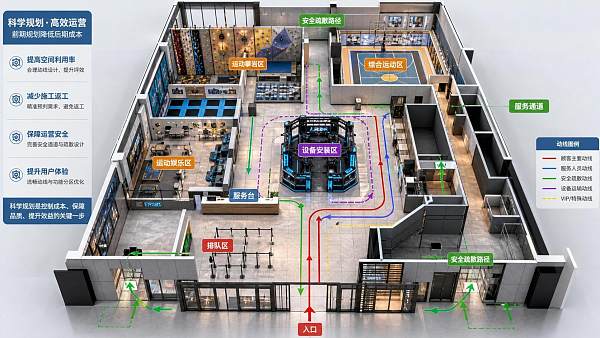
 Aug 30, 2026Entertainment Venue Master Planning: How to Balance Capacity, Flow, and RevenueEntertainment venue development master planning: balance capacity, guest flow, and revenue with practical strategies for resilient, high-performing venues.● Theme Park Strategist
 Sep 07, 2026What Should Buyers Do When a Supplier Delivers Non-Compliant Products?What to do if a supplier delivers non-compliant commercial products: contain risks, document evidence, protect your project, and secure the right remedy.● Theme Park Strategist
 Sep 02, 2026Waterpark Capacity Management: Balancing Queue Times, Safety, and Guest ThroughputWaterpark capacity management strategies to reduce queue times, protect safety, optimize guest throughput, and build a smoother, more profitable park operation.● Theme Park Strategist
 Sep 01, 2026ASTM F2075 Explained: Testing Engineered Wood Fiber for Playground Impact SafetyASTM F2075 explained: learn how engineered wood fiber supports playground impact safety, smarter sourcing, compliance documentation, and reliable maintenance planning.● Theme Park Strategist
 Aug 24, 2026How to Evaluate an Indoor Ninja Warrior Course Supplier in Europe?indoor ninja warrior course Europe supplier guide: learn how to assess safety, EN compliance, engineering, installation, and maintenance support before you choose.● Theme Park Strategist
 Aug 20, 2026How to Choose Modular Indoor Play Equipment for Different Venue Sizes and Age GroupsModular indoor play equipment buying guide: learn how to match venue size, ceiling height, traffic flow, and age groups to create safer, smarter, and more profitable play spaces.● Theme Park Strategist
 Aug 14, 2026POB Push Lifts Overseas Pre-Registrations 45.74%POB boosts overseas pre-registrations for the 2026 China Sport Show by 45.74%, signaling stronger global buyer interest and smarter sourcing opportunities in sports manufacturing.● Theme Park Strategist
 Aug 02, 2026What to Check Before Buying Thick Gymnastic Mats Wholesale for Schools and GymsThick gymnastic mats wholesale buying guide for schools and gyms: learn how to check foam, cover durability, safety documents, samples, and true long-term value before placing a bulk order.● Theme Park Strategist
 Jul 28, 2026How to Design Inclusive Sensory Play Areas for Different Age Groups and NeedsInclusive sensory play starts with smart zoning, age planning, accessibility, and acoustics. Discover practical design tips to create safer, engaging spaces that truly work.● Theme Park Strategist
 Jul 26, 2026How to Evaluate a Bowling Alley Equipment Factory Before Requesting a QuoteBowling alley equipment factory evaluation starts before price. Learn how to check manufacturing scope, engineering, compliance, spare parts, and installation support to avoid costly sourcing mistakes.● Theme Park Strategist
 Jul 16, 2026EN 1176:2026 Takes Effect for Indoor PlaygroundsEN 1176:2026 takes effect for indoor playgrounds in the EU, making conformity assessment mandatory. Learn how this impacts certification, customs clearance, suppliers, and market access.● Theme Park Strategist
 Jul 15, 2026CPSC Sets New ASTM Impact Test for Indoor Playground Metal PartsCPSC sets new ASTM impact test rules for indoor playground metal parts effective Oct. 1, 2026. Learn how the 15kN requirement may affect compliance, testing timelines, and U.S. export delivery.● Theme Park Strategist
 Jul 14, 2026CPSC Tightens Phthalate Limit for Indoor Playground Soft MaterialsCPSC tightens phthalate limits for indoor playground soft materials from Aug 15, 2026. Learn how DIBP control, CBP detention risk, and testing changes impact sourcing, exports, and compliance.● Theme Park Strategist
 Jul 13, 2026Vietnam Tightens IoT Rule for Indoor Playground ImportsVietnam Tightens IoT Rule for Indoor Playground Imports: learn how VNSS-2025 gateway requirements affect exporters, buyers, installers, and delivery timelines before the 2026 deadline.● Theme Park Strategist
 Jul 13, 2026How a Recreational Facility Planning Company Helps Reduce Layout MistakesRecreational facility planning company insights: learn how early layout strategy reduces costly mistakes, improves flow, compliance, and buildability for smoother project delivery.● Theme Park Strategist
 Jul 12, 2026CPSC Halts Imports of Indoor Playground Soft PartsCPSC halts imports of indoor playground soft parts from China under ASTM F3432-26. Learn the compliance risks, testing requirements, and urgent steps importers must take now.● Theme Park Strategist
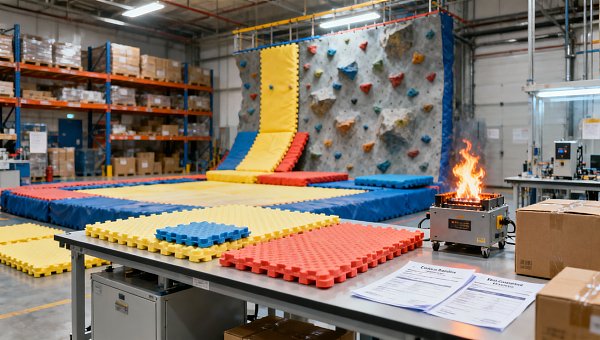
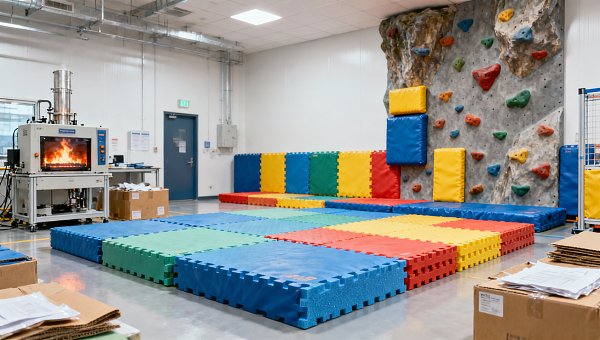
 Jul 11, 2026CPSC Import Alert Tightens Fire Test Rule for Indoor Playground PaddingCPSC import alert updates indoor playground padding rules to ASTM F3432-26. See how the new fire test affects foam mats, shipments, and U.S. market access.● Theme Park Strategist
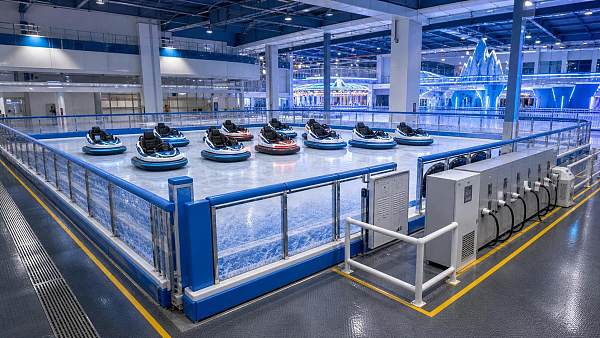
 Jul 11, 2026Ice Bumper Cars Bulk Order Checklist for Indoor Parks: Space, Power, and Safety PointsIce bumper cars bulk order guide for indoor parks: learn how to assess space, power, safety, and throughput before buying, so you can avoid costly mistakes and choose the right fleet with confidence.● Theme Park Strategist
 Jul 10, 2026Commercial Playground Equipment for Campuses: Key Safety Standards and Planning TipsCommercial playground equipment for campuses: explore key safety standards, inclusive layout planning, durable materials, and smart procurement tips to avoid costly mistakes.● Theme Park Strategist
 Jul 09, 2026CPSC Recall Escalates Over Phthalates in Indoor Playground PadsCPSC recall escalates over phthalates in indoor playground pads as affected batches exceed CPSIA limits. Learn the risks, supply chain impact, and what buyers should monitor now.● Theme Park Strategist
 Jul 07, 2026How to Choose Ice Skating Rink Equipment in Europe: Key Systems, Standards, and Budget Factorsice skating rink equipment Europe guide: compare refrigeration, rink floors, boards, EU compliance, and total budget factors to choose a safer, more efficient commercial rink solution.● Theme Park Strategist
 Jul 06, 2026CPSC Flags New Flame Test for Indoor Playground PaddingCPSC flags a new flame test for indoor playground padding under ASTM F1487-23b. Learn how this urgent compliance alert affects materials, testing, imports, and U.S. market access.● Theme Park Strategist