What Makes a Sensory Playground Feel Inclusive in Practice?
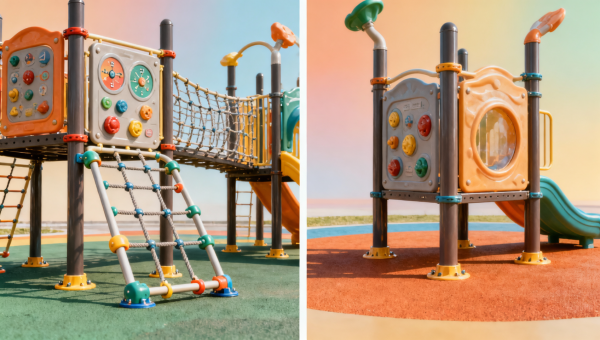
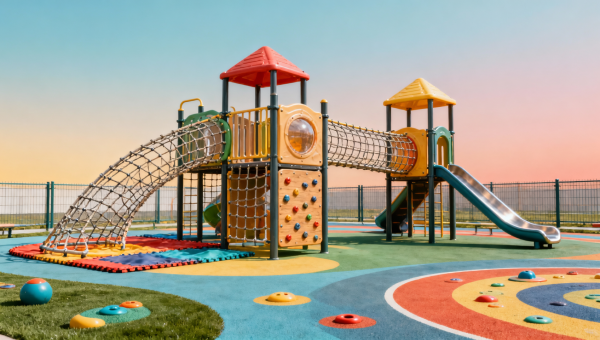
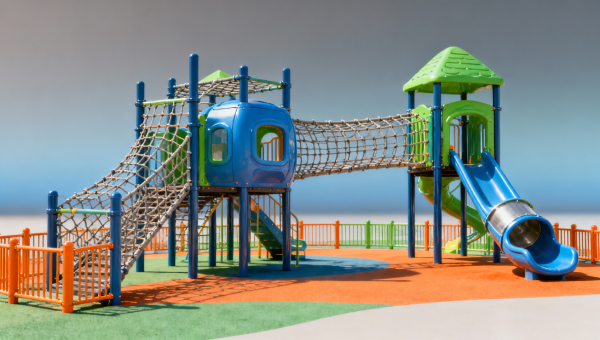
An inclusive sensory playground is more than a colorful layout—it is a carefully planned environment where playground safety, accessible playground borders, and engaging playground climbers work together to support children of all abilities. For buyers evaluating amusement equipment, educational supplies, and commercial furniture for schools, parks, hotels, or family venues, understanding what inclusion looks like in practice is essential to making smarter sourcing decisions.
In commercial settings, inclusion is not a decorative concept. It affects visitor dwell time, caregiver confidence, operating risk, and the long-term relevance of a play investment. For procurement teams, developers, and distributors in the sports and entertainment sector, the key question is practical: what design, equipment, circulation, and maintenance choices make a sensory playground feel genuinely usable for more children, not just technically compliant on paper?
A strong sourcing decision usually balances 4 factors at the same time: inclusive play value, safety performance, maintenance workload, and installation suitability for the venue. Whether the project is for a municipal park, a hotel family zone, a school campus, or an indoor leisure center, buyers need a framework that helps compare equipment packages, surface systems, and supplier capabilities with fewer blind spots.
Inclusion Starts with Usability, Not Just Access
Many projects confuse accessibility with inclusion. Accessibility often focuses on reaching the site, entering the play zone, or moving between elements. Inclusion goes further. It asks whether children with different sensory profiles, mobility levels, communication styles, and confidence thresholds can actually participate for 10, 20, or 30 minutes in a meaningful way.
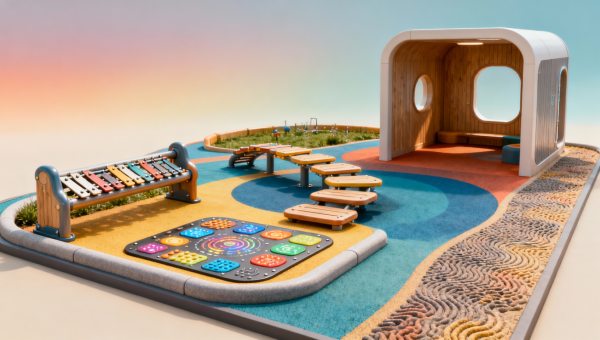
In practice, an inclusive sensory playground usually combines at least 3 layers of experience: active play, calming play, and social play. A child may climb a low-gradient structure, move to a tactile or auditory panel, then transition into a retreat nook before returning to group activity. If the layout only rewards high-energy movement, many users are physically present but functionally excluded.
For B2B buyers, this means reviewing the master plan, not only the equipment list. Playground climbers, transfer platforms, sensory panels, ground-level activities, and shaded reset spaces should be distributed across the site, ideally within short travel distances such as 3–8 meters between key engagement points. This reduces fatigue, confusion, and caregiver intervention.
Core signs of practical inclusion
A playground feels inclusive when children can choose different levels of challenge without being pushed into one route. That often means offering elevated play plus ground-based play, multiple entry points, and at least 2 types of sensory input in each zone, such as texture and sound, or motion and visual contrast.
It also means reducing hidden barriers. Loose-fill surfacing, narrow transitions, visually confusing borders, and equipment with only one style of interaction can quickly limit use. In commercial environments, these issues also increase supervision demands and make the venue feel less welcoming to families with diverse needs.
Checklist for early-stage concept review
- Does the layout provide at least 2 accessible entry routes into the main play area?
- Are there both ground-level and elevated play opportunities within one connected experience?
- Can a child engage through movement, touch, sound, or visual exploration instead of a single play style?
- Are quieter spaces located close enough for self-regulation without leaving the activity zone entirely?
- Do caregivers have clear sightlines across 70% or more of the playground footprint?
When these fundamentals are in place, inclusion becomes visible in behavior. Children stay longer, caregivers intervene less often, and the equipment supports repeated visits rather than one-time novelty.
The Physical Design Features That Shape Inclusive Play
Inclusive sensory playground design depends heavily on the relationship between circulation, surfacing, zoning, and equipment spacing. Buyers should look at the site as a sequence of transitions. Even high-quality components lose value if the route between them is awkward, overstimulating, or difficult for mobility devices and caregivers to navigate.
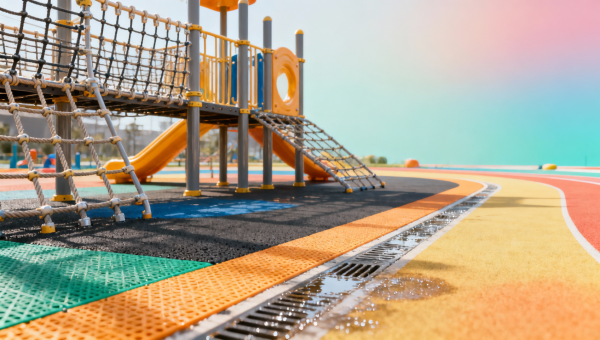
Accessible playground borders are especially important. Borders should define the play edge without creating trip points, wheel barriers, or abrupt sensory shifts. In family entertainment venues and hospitality projects, clear edging also supports wayfinding and helps younger children understand where active play begins and ends. Smooth, flush transitions are often preferable to raised edges in high-traffic zones.
Surface performance matters just as much as equipment selection. Unitary rubber, bonded systems, or other firm and stable surfacing options are often easier to navigate than loose-fill alternatives, particularly where wheel access, strollers, and maintenance consistency are priorities. In practical procurement terms, a lower-maintenance surface may reduce labor touchpoints from weekly redistribution to periodic inspection cycles.
How common design elements affect inclusion
The table below helps buyers compare major playground design components from an inclusion and operations perspective.
The main takeaway is that inclusive performance comes from combinations, not isolated products. A good surface without usable borders, or a great climber without a calm transition zone, still creates gaps in the user journey.
Design details buyers should verify
- Route continuity between play zones, especially where the path changes direction or texture.
- Clear visual contrast on edges, steps, and handles to help orientation.
- Shading strategy for thermal comfort, particularly on dark surfacing in warm climates.
- Spacing between equipment to avoid crowding and overstimulation in compact footprints.
- Integration of seated, standing, and peer-to-peer play options within the same area.
For schools, parks, and hotel leisure areas, these design details often determine whether the playground feels intuitive and welcoming on day 1, or requires corrective changes within the first 6–12 months.
Safety, Compliance, and Risk Reduction in Daily Operation
Playground safety is central to inclusion because unsafe or confusing environments disproportionately affect children who need more predictable movement paths, clearer boundaries, or additional caregiver support. For commercial buyers, safety review should include not only fall protection and materials, but also behavior flow, sensory load, and supervision dynamics.
In practical terms, risk often appears at transitions. A child may move from a calm tactile area into a fast spinning element with no buffer zone, or from a firm pathway into a loose surface edge that interrupts balance. These are sourcing and layout issues as much as installation issues. During specification review, buyers should map high-motion and low-stimulation elements separately, with visible separation between them.
Equipment durability also influences safe inclusion. In high-use venues such as destination parks, hotel resorts, and indoor family centers, inspection intervals may range from daily visual checks to monthly hardware reviews and quarterly maintenance logs. A product that is inclusive in concept but difficult to maintain can quickly become inconsistent in function and increase liability exposure.
Common risk points in sensory playground projects
The following table highlights recurring operational risks and the sourcing questions that help reduce them before installation.
A practical safety review should always connect physical specification with operating behavior. The best projects reduce both injury risk and participation friction.
A 5-step risk review process for buyers
- Map user groups by age band, mobility profile, and expected supervision level.
- Separate high-energy elements from decompression elements with clear path logic.
- Verify border, surface, and transfer details in technical drawings before order approval.
- Request maintenance guidance, spare-part lead times, and inspection recommendations.
- Conduct a pre-opening walkthrough focused on real user movement, not only visual finish.
For distributors and project evaluators, this step-by-step review can reduce downstream change orders and help align the playground package with insurance, facility management, and customer experience expectations.
How Buyers Should Evaluate Equipment Packages and Supplier Fit
An inclusive sensory playground should be purchased as a system, not as disconnected pieces. Procurement teams often compare line items by unit price, but the more useful commercial approach is to evaluate total fit: which package delivers balanced inclusion, realistic maintenance, durable materials, and clear installation support within the site constraints?
For example, playground climbers may look attractive in renderings, but buyers should ask whether the entry height, grip geometry, challenge progression, and landing zones match the age range and ability mix of the intended venue. A family resort may need broader age flexibility, while a school project may require stronger alignment with structured use and daily traffic density.
Lead time and replacement planning are equally relevant. Depending on customization, shipping mode, and installation sequencing, commercial playground projects may involve 6–16 weeks for production and delivery, followed by site preparation and final assembly. If spare parts, surfacing patches, or hardware kits require long replenishment windows, downtime may affect customer satisfaction and revenue-generating operations.
A buyer-oriented comparison framework
The table below can help procurement teams compare supplier offers beyond headline pricing.
This comparison method helps business evaluators and channel partners identify whether a supplier can support long-term project value, not just initial delivery.
Procurement questions worth asking before final approval
- Which components specifically support sensory regulation, not only active play?
- How are accessible playground borders detailed in drawings and installation notes?
- What maintenance tasks are expected weekly, monthly, and seasonally?
- What packaging, export, and site handling requirements apply for large structures?
- Can the supplier adapt the package for a compact site, phased rollout, or mixed-age user group?
For global sourcing teams, these questions improve specification clarity and make cross-border comparisons more reliable, especially when evaluating OEM or customized solutions.
Implementation, Maintenance, and Long-Term Commercial Value
A sensory playground only feels inclusive over time if the operating model supports the original design intent. That includes installation quality, routine inspection, spare-part availability, and periodic reassessment of how visitors actually use the space. Many projects launch well but lose inclusive performance after 12–24 months because of worn surfacing, broken sensory panels, unclear borders, or poor shade management.
For operators in sports and entertainment environments, maintenance should be planned as a layered program. Daily checks can focus on obvious damage, cleanliness, and route continuity. Monthly reviews may cover fasteners, surface integrity, and moving elements. Seasonal reviews should examine drainage, sun exposure, color fading, and the comfort of touch surfaces in temperature extremes.
Commercial value also depends on adaptability. An inclusive playground that supports children with different play styles can extend the usable customer base for hotels, destination venues, education campuses, and public recreation projects. It can also strengthen the reputation of a site as family-friendly and thoughtfully designed, which matters when operators compete on experience rather than price alone.
Maintenance priorities that protect inclusion
- Keep circulation paths clear and level so mobility access is not compromised by small defects.
- Inspect interactive panels, handholds, and climber contact points for wear that changes usability.
- Review shaded areas and quiet zones to ensure they remain functional and not repurposed as storage or overflow seating.
- Refresh visual contrast on edges and transitions when fading affects wayfinding.
- Track user feedback from caregivers and staff at least once every quarter to identify emerging barriers.
FAQ for buyers and project teams
How many sensory play zones should a commercial playground include? A practical starting point is 3 zones: active stimulation, interactive exploration, and quiet regulation. Larger sites may expand this to 4 or 5, but even compact footprints benefit from at least one calming area rather than a single high-energy cluster.
Are sensory playgrounds only relevant for schools or public parks? No. They also fit resorts, mixed-use developments, hospitals, family entertainment centers, and residential amenities where inclusive recreation adds commercial and social value.
What is a common buyer mistake? One of the most frequent issues is overinvesting in visually impressive structures while underinvesting in surfacing, borders, and route logic. Inclusion often fails in the details between products, not the products themselves.
How should distributors position inclusive playground systems? Focus on lifecycle value, user diversity, installation clarity, and repeat visitation benefits. Buyers increasingly want solutions that combine safety, usability, and long-term serviceability rather than isolated equipment pieces.
An inclusive sensory playground succeeds when safety, circulation, sensory choice, and maintenance planning all work together. For information researchers, procurement professionals, business evaluators, and distribution partners, the best sourcing decisions come from assessing the full play experience: from accessible playground borders and surface transitions to playground climbers, quiet zones, and service support after installation. If you are evaluating amusement and leisure play solutions for schools, parks, hospitality projects, or commercial family venues, contact GCT to discuss product details, compare sourcing options, and get a tailored solution aligned with your project goals.
Search News
Hot Articles
- Indoor PlaygroundFan Zhendong Visits Silicon Valley as MLTT Investor, AI Ping-Pong Tech Draws AttentionApr 23, 2026
- Stage Lighting & Truss2026 FIBA Women's World Cup Draw Opens Export Window for Arena Lighting & Timing SystemsApr 23, 2026
- Pro Stage AudioChina Upgrades Security Compliance for International Sports EventsApr 23, 2026
Popular Tags
Need ExpertConsultation?
Connect with our specialized leisureengineering team for procurementstrategies.
Recommended News
 Apr 23, 2026Fan Zhendong Visits Silicon Valley as MLTT Investor, AI Ping-Pong Tech Draws AttentionAI ping-pong tech takes center stage as Fan Zhendong visits Silicon Valley as MLTT investor—key for smart sports hardware, AI coaching platforms & SaaS providers.● Theme Park Strategist
 Apr 23, 2026Vietnam Mandates Child Finger-Trap Sensors for Indoor Play EquipmentChild finger-trap sensors now mandatory for indoor play equipment in Vietnam—learn how QCVN 121:2026 impacts exporters, manufacturers & suppliers ahead of July 1, 2026 enforcement.● Theme Park Strategist
 Apr 22, 2026Vietnam Mandates Child Finger-Trap Sensors for Indoor Playground EquipmentVietnam mandates child finger-trap sensors for indoor playground equipment—comply with QCVN 128:2026 & TCVN 9350:2023 before Oct 2026!● Theme Park Strategist
 Apr 21, 2026Vietnam Mandates Child Finger-Trap Sensors for Indoor Play EquipmentVietnam mandates child finger-trap sensors for indoor play equipment—comply with TCVN 9507:2023 by July 1, 2026 to clear customs & protect kids.● Theme Park Strategist
 Apr 20, 2026NES Launches Sports Community Curator ProgramSports Community Curator program launched by NES — join global fitness studios, uni clubs & outdoor groups to co-create, test gear & grow with Chinese sports brands.● Theme Park Strategist
 Apr 17, 2026CPSC AI Safety Alert: 200ms Delay in Child Playground AI Systems = HazardCPSC AI Safety Alert: 200ms delay in child playground AI systems = hazard. Learn how latency compliance impacts Target/Walmart listings, testing, and supply chain.● Theme Park Strategist
 Apr 17, 20262026 Shanghai Sailing Open Adopts Domestic SeaChronos Pro Timing SystemSeaChronos Pro timing system debuts at 2026 Shanghai Sailing Open — ITU-certified, millisecond-accurate, wind- and tide-integrated. A game-changer for marine sports tech.● Theme Park Strategist
 Apr 16, 2026FDA Proposes New Labeling Rules for Sports Nutrition Supplements with Chinese LabelsFDA's new labeling rules for sports nutrition supplements with Chinese labels take effect April 2026—learn compliance must-dos for U.S. importers, manufacturers & brands.● Theme Park Strategist
 Apr 15, 2026Saudi SASO Updates Amusement Ride Standards: VR Devices Now Require Mandatory EMC TestingSaudi SASO's new 2026 standard mandates EMC testing for VR amusement rides, impacting exporters. Learn key compliance strategies for Saudi market access.● Theme Park Strategist
 Apr 14, 2026Japan Mandates Multilingual E-Manuals for Fitness Equipment from April 2026Japan mandates multilingual e-manuals for fitness equipment from April 2026. Learn how this impacts manufacturers & importers with JIS T 0601-1 compliance requirements. Stay ahead of the regulation!● Theme Park Strategist
 Apr 13, 2026WTT Taiyuan Adopts Chinese AI Table Tennis Analysis System with ITTF Export CertificationWTT Taiyuan adopts Chinese AI table tennis analysis system with ITTF export certification, enabling real-time ball speed & spin tracking. A game-changer for sports tech in emerging markets like Southeast Asia & Middle East.● Theme Park Strategist
 Apr 13, 2026First Female Snooker Player Achieves Multiple Century Breaks as Chinese Table Gains WPBSA CertificationChinese snooker player Bai Yulu makes history with multiple century breaks using WPBSA-certified 'Tournament Pro X7' table, marking a milestone for Chinese manufacturing in professional snooker equipment. Discover how this impacts global markets.● Theme Park Strategist
 Apr 13, 2026RCEP Zero Tariff on China's TPU Sports Protective Gear Boosts ASEAN TradeRCEP's zero-tariff policy on China's TPU sports protective gear boosts ASEAN trade, giving Chinese exporters cost advantages over Korean rivals. Learn how manufacturers and distributors can capitalize on this opportunity.● Theme Park Strategist
 Apr 10, 2026Japan's JIS T 9001:2026 Sports Flooring Anti-Slip Standard Mandatory from April 2026Japan's JIS T 9001:2026 standard mandates anti-slip sports flooring (SCOF ≥ 0.6) from April 2026. Chinese exporters must adapt to meet new requirements. Learn key compliance strategies.● Theme Park Strategist
 Apr 10, 2026Bai Yulu Makes History at Snooker World Championship, Sparks Surge in Women's Sports Equipment DemandBai Yulu makes history at Snooker World Championship with two century breaks, sparking 185% surge in women's sports equipment demand. Discover how manufacturers, e-commerce & supply chains can capitalize on this trend.● Theme Park Strategist
 Apr 10, 20262026 Badminton Asia Championships Quarterfinals Schedule Announced, Shi Yuqi to Compete; Southeast Asia Racket Orders Face 6-8 Week Delays2026 Badminton Asia Championships quarterfinals schedule revealed with Shi Yuqi competing, while Southeast Asia faces 6-8 week racket delays. Learn how supply chain issues impact manufacturers and get strategies to navigate equipment shortages.● Theme Park Strategist
 Apr 10, 2026WTT Taiyuan Challenge Sparks Smart Equipment Demand: Japan Buyers Scrutinize AI Training TechDiscover how the WTT Taiyuan Challenge boosts demand for AI training tech as Japanese buyers evaluate smart sports equipment. Learn key opportunities for manufacturers with JIS-certified solutions.● Theme Park Strategist
 Apr 10, 2026Chinese Snooker Players' Success Spurs Global Demand for Cue AccessoriesChinese snooker players' success drives 210% global demand surge for cue accessories. Explore how manufacturers & exporters can capitalize on this trend with UK, German & Australian markets leading inquiries.● Theme Park Strategist
 Apr 10, 2026EU Updates EN 16830:2026 Eyewear Safety Standard, Impacting China's Sports Goggle ExportsEU's updated EN 16830:2026 eyewear safety standard impacts China's sports goggle exports with stricter CE certification requirements. Learn how manufacturers and exporters can adapt to new impact resistance, UV400+, and blue light blocking standards before the September 2026 deadline.● Theme Park Strategist
 Apr 23, 2026What Playground Safety Complaints Usually Point to FirstPlayground safety complaints often first expose issues with playground borders, playground climbers, sensory playground surfacing, and amusement equipment planning. See what buyers should check.● Theme Park Strategist
 Apr 23, 2026Playground Safety Checks That Matter More Than CertificationsPlayground safety starts beyond certifications. Compare playground climbers, playground borders, sensory playground systems, and amusement equipment with practical checks that reduce risk and support smarter commercial projects.● Theme Park Strategist
 Apr 23, 2026Common Playground Climbers Mistakes That Limit Play ValuePlayground climbers mistakes can reduce play value, safety, and ROI. Learn how commercial furniture, playground borders, sensory playground design, and playground safety shape smarter amusement equipment choices.● Theme Park Strategist
 Apr 23, 2026Playground Climbers: Which Design Keeps Kids Engaged Longer?Playground climbers guide: compare designs that boost engagement, sensory playground value, playground safety, and playground borders for smarter amusement equipment buying.● Theme Park Strategist
 Apr 23, 2026Sensory Playground Features Children Use More Than ExpectedExplore which sensory playground features children use most, from playground climbers and music accessories to playground safety and playground borders—smart insights for amusement equipment, educational supplies, commercial furniture, hotel tables, and hotel equipment buyers.● Theme Park Strategist