Playground Safety Upgrades That Matter Most
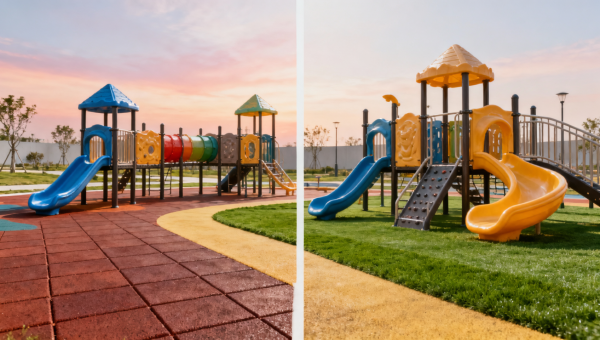
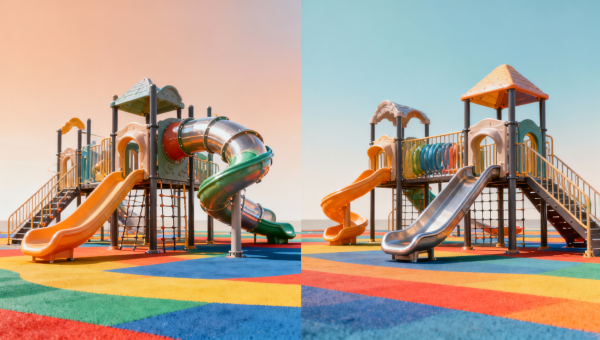
Upgrading a commercial playground should start with one question: which improvements reduce risk, improve usability, and protect long-term asset value at the same time? For procurement teams, distributors, and commercial evaluators, the most important playground safety upgrades are not always the most visible ones. The strongest investments usually include impact-attenuating surfacing, better fall-zone planning, age-appropriate equipment layouts, inclusive access features, durable playground borders, and sensory playground elements that support wider participation without creating new safety issues. When these upgrades are selected as part of a complete system rather than as isolated replacements, they deliver better compliance, lower maintenance pressure, and stronger project performance over time.
For buyers assessing amusement equipment, playground climbers, and perimeter components, the goal is not simply to make a site look newer. It is to create a safer, more inclusive, and easier-to-manage play environment that stands up to heavy use, weather exposure, and commercial liability expectations. This guide explains which upgrades matter most, how to evaluate them, and where decision-makers should focus budget first.
What safety upgrades usually deserve priority first?
In most commercial projects, the best first upgrades are the ones that directly affect injury risk, code alignment, and whole-site usability. That usually means starting with the foundation of the play environment rather than adding new visual features first.
The highest-priority improvements often include:
- Safer surfacing systems that provide reliable impact protection in fall zones
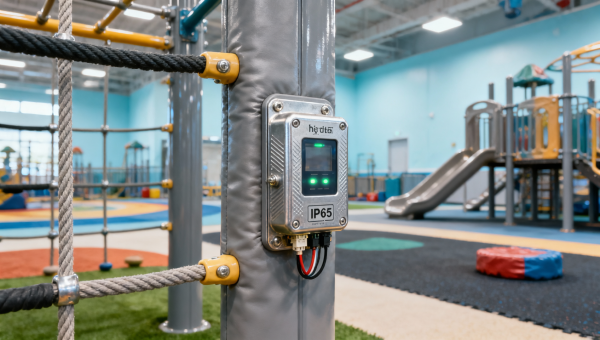
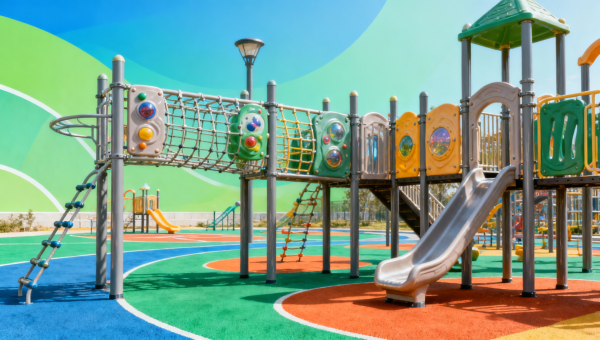
- Updated playground climbers and equipment spacing to reduce entrapment, collision, and fall risks
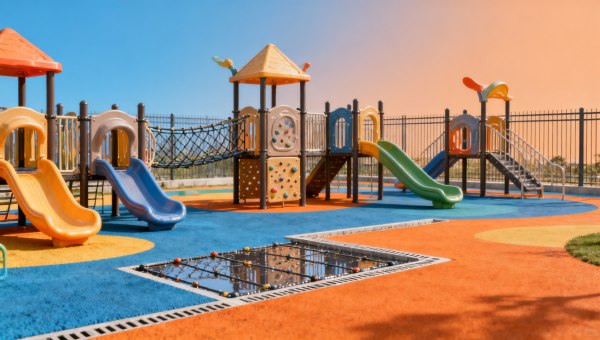
- Playground borders and containment systems that keep loose-fill materials in place and improve site definition
- Accessible routes and transfer points for inclusive use
- Shade, visibility, and supervision improvements that support operational safety
- Sensory playground features designed for engagement, regulation, and broader participation
If a site has aging equipment, inconsistent surfacing depth, poor drainage, or outdated layout logic, those issues should usually be addressed before investing in expansion pieces. Buyers who prioritize structural and use-related safety first tend to achieve better lifecycle value than those who focus only on replacement aesthetics.
Why surfacing is often the most important upgrade
For many existing play areas, surfacing is the single most important playground safety investment. Falls remain one of the most common sources of playground injuries, which means the performance of the ground layer matters as much as the equipment itself.
When reviewing surfacing upgrades, commercial buyers should evaluate more than appearance. Key considerations include:
- Impact attenuation performance for expected fall heights
- Drainage behavior in wet or high-traffic conditions
- Accessibility for wheelchairs, mobility devices, and caregivers
- Maintenance burden over time
- Climate suitability including heat retention, freeze-thaw resistance, and UV stability
Poured-in-place rubber, bonded rubber systems, artificial turf with padding, and engineered wood fiber all serve different project needs. There is no universal best option. For example, a school or municipal site with accessibility priorities may prefer a unitary surface, while a budget-sensitive project may consider loose-fill systems if maintenance resources are reliable. Procurement teams should request test data, installation method details, warranty terms, and maintenance requirements before comparing cost alone.
One common purchasing mistake is treating surfacing as a separate line item rather than part of a complete risk-management strategy. Surface type, border design, drainage slope, and equipment height all influence one another. A strong sourcing decision accounts for the whole system.
How to evaluate playground climbers and equipment upgrades more effectively
Replacing old playground climbers is often necessary, but the best upgrade decisions are based on risk profile and user fit, not just on adding larger structures. Buyers should look for equipment that improves challenge and play value while reducing preventable hazards.
Important evaluation points include:
- Age-appropriate design for intended user groups
- Fall height and clearance requirements
- Entrapment and protrusion risk control
- Durability of connection points, coatings, and structural materials
- Layout spacing between active elements
- Supervision sightlines across the play zone
For commercial operators and distributors, it is also important to examine how a new equipment package affects site behavior. A tall climber may look attractive in a catalog, but if it creates congestion, blocks visibility, or exceeds realistic user needs, it can lower both safety and operational efficiency. Better equipment upgrades balance physical challenge, flow, and inclusivity.
Materials also matter. Powder-coated steel, UV-stabilized plastics, reinforced ropes, and corrosion-resistant hardware should be reviewed in relation to climate, vandal resistance, and expected frequency of use. In hospitality, school, and public-sector environments, lower-maintenance equipment often creates better total value than a lower upfront price.
Why playground borders are more important than many buyers expect
Playground borders are often underestimated, yet they play a practical role in both safety and maintenance. They help define the play area, retain loose-fill surfacing, reduce edge erosion, and support a cleaner transition between circulation paths and active play zones.
For buyers comparing playground borders, the main questions should be:
- Will the border hold surfacing in place under heavy use?
- Does it create trip hazards or accessibility barriers?
- How does it perform under moisture, temperature shifts, and UV exposure?
- Can it integrate with drainage and edging requirements?
- How easily can damaged sections be repaired or replaced?
Commercial-grade border systems should be assessed for structural integrity, anchoring method, and compatibility with the selected safety surface. In projects using loose-fill materials, weak edging can quickly undermine surfacing performance, leading to bare spots and uneven depth in critical fall zones. That creates both maintenance cost and safety risk.
Well-designed borders also contribute to site organization. They can separate toddler areas from older-age zones, define sensory playground sections, and make the overall environment easier for caregivers and operators to manage.
How inclusive design and sensory playground upgrades add real value
Inclusive design is no longer a secondary feature in modern playground planning. For commercial buyers, it has become a core part of safety, usability, and public value. A better play environment serves a wider range of physical, cognitive, and sensory needs without forcing children into separate or limited experiences.
A well-planned sensory playground can support children who benefit from varied stimulation levels, calming opportunities, and different modes of engagement. Effective sensory upgrades may include:
- Tactile panels and interactive surfaces
- Musical and sound-play components
- Spinners, swings, and movement elements with appropriate safety controls
- Quiet retreat zones or lower-stimulation spaces
- Ground-level play features that improve accessibility
- Clear wayfinding and zone transitions
The key is balance. Not every sensory element improves a playground if it is added without planning. Buyers should consider whether the equipment supports inclusion, whether it introduces crowding or overstimulation, and whether it works within the supervision model of the site. The best sensory playground layouts are intentional, easy to navigate, and integrated into the broader play experience rather than isolated as a token feature.
From a commercial perspective, inclusive upgrades can also strengthen project positioning. Schools, hospitality groups, public institutions, and developers increasingly value play spaces that demonstrate accessibility, community relevance, and thoughtful user experience.
What buyers should check before comparing suppliers or product packages
For procurement teams and business evaluators, supplier comparison should go beyond product images and price sheets. The real difference often appears in compliance documentation, manufacturing consistency, installation support, and after-sales reliability.
Before shortlisting a vendor, check the following:
- Relevant safety compliance documentation for target markets
- Material specifications and test reports
- Installation guidelines and site-preparation requirements
- Warranty scope for structure, surface, coatings, and hardware
- Spare parts availability and replacement lead times
- OEM/ODM capability for customized commercial projects
- Project references in comparable environments
Distributors and agents should also assess packaging standards, logistics readiness, and product consistency across batches. For larger commercial tenders, these operational details can materially affect project schedules and reputational risk.
Another valuable step is to ask suppliers how they approach site-specific recommendations. Vendors that only promote standard catalog bundles may be less useful than those that can discuss fall zones, user demographics, climate conditions, accessibility requirements, and maintenance realities in detail.
How to prioritize budget when full replacement is not possible
Many commercial projects work within phased budgets. In those cases, decision-makers need to know which upgrades deliver the greatest risk reduction and functional gain first.
A practical priority order often looks like this:
- Address critical safety hazards such as failing surfacing, exposed footings, damaged hardware, or unsafe clearances
- Upgrade high-impact surfacing and fall zones
- Replace or reconfigure the highest-risk equipment including outdated playground climbers
- Improve accessibility and inclusive access routes
- Strengthen containment and playground borders
- Add sensory playground and experience-enhancing elements
- Expand shade, seating, signage, and operational support features
This phased approach helps buyers align immediate risk control with longer-term project improvement. It is especially useful for schools, hospitality properties, mixed-use developments, and public operators managing multiple sites.
When budgets are limited, the best decision is rarely the cheapest visible upgrade. It is the improvement that most effectively reduces liability exposure, extends asset life, and improves user experience in measurable ways.
What defines a strong long-term playground safety investment
The best playground safety upgrades are the ones that continue to perform long after installation. For commercial stakeholders, that means judging each investment by lifecycle value, not by initial purchase price alone.
A strong long-term solution typically delivers:
- Reliable safety performance under real usage conditions
- Lower maintenance frequency and easier inspections
- Inclusive usability across broader user groups
- Material durability in the target environment
- Clear compliance support and technical documentation
- Adaptability for future expansion or phased site improvements
In practice, the most valuable upgrades are not always the most complex. A better surface system, better layout spacing, stronger playground borders, and better-chosen play components can transform both safety outcomes and operational confidence. For sourcing professionals, the key is to evaluate the play area as a connected environment, not as separate products.
Ultimately, the upgrades that matter most are the ones that make a playground safer to use, easier to maintain, more inclusive to experience, and more defensible as a commercial investment. Buyers who focus on those four outcomes are far more likely to select solutions that perform well in real-world projects.
Search News
Hot Articles
- Pro Stage AudioFIFA Adopts Chinese Mini-LED Displays for 2026 World Cup VAR SystemApr 24, 2026
- Outdoor RidesChina FA Warns Nanjing City Over Fan Conduct; ISO 20785 Compliance AcceleratesApr 24, 2026
- Pro Stage AudioFan Zhendong Visits Silicon Valley as MLTT Investor, AI Ping-Pong Tech Draws US InterestApr 24, 2026
Popular Tags
Need ExpertConsultation?
Connect with our specialized leisureengineering team for procurementstrategies.
Recommended News
 Apr 24, 2026Vietnam Mandates Child Finger-Trap Sensors for Indoor Playground EquipmentVietnam mandates child finger-trap sensors for indoor playground equipment—VINA-CE certified & third-party tested. Act now to ensure compliance, avoid shipment delays, and meet April 23, 2026 deadline.● Theme Park Strategist
 Apr 23, 2026Fan Zhendong Visits Silicon Valley as MLTT Investor, AI Ping-Pong Tech Draws AttentionAI ping-pong tech takes center stage as Fan Zhendong visits Silicon Valley as MLTT investor—key for smart sports hardware, AI coaching platforms & SaaS providers.● Theme Park Strategist
 Apr 23, 2026Vietnam Mandates Child Finger-Trap Sensors for Indoor Play EquipmentChild finger-trap sensors now mandatory for indoor play equipment in Vietnam—learn how QCVN 121:2026 impacts exporters, manufacturers & suppliers ahead of July 1, 2026 enforcement.● Theme Park Strategist
 Apr 22, 2026Vietnam Mandates Child Finger-Trap Sensors for Indoor Playground EquipmentVietnam mandates child finger-trap sensors for indoor playground equipment—comply with QCVN 128:2026 & TCVN 9350:2023 before Oct 2026!● Theme Park Strategist
 Apr 21, 2026Vietnam Mandates Child Finger-Trap Sensors for Indoor Play EquipmentVietnam mandates child finger-trap sensors for indoor play equipment—comply with TCVN 9507:2023 by July 1, 2026 to clear customs & protect kids.● Theme Park Strategist
 Apr 20, 2026NES Launches Sports Community Curator ProgramSports Community Curator program launched by NES — join global fitness studios, uni clubs & outdoor groups to co-create, test gear & grow with Chinese sports brands.● Theme Park Strategist
 Apr 17, 2026CPSC AI Safety Alert: 200ms Delay in Child Playground AI Systems = HazardCPSC AI Safety Alert: 200ms delay in child playground AI systems = hazard. Learn how latency compliance impacts Target/Walmart listings, testing, and supply chain.● Theme Park Strategist
 Apr 17, 20262026 Shanghai Sailing Open Adopts Domestic SeaChronos Pro Timing SystemSeaChronos Pro timing system debuts at 2026 Shanghai Sailing Open — ITU-certified, millisecond-accurate, wind- and tide-integrated. A game-changer for marine sports tech.● Theme Park Strategist
 Apr 16, 2026FDA Proposes New Labeling Rules for Sports Nutrition Supplements with Chinese LabelsFDA's new labeling rules for sports nutrition supplements with Chinese labels take effect April 2026—learn compliance must-dos for U.S. importers, manufacturers & brands.● Theme Park Strategist
 Apr 15, 2026Saudi SASO Updates Amusement Ride Standards: VR Devices Now Require Mandatory EMC TestingSaudi SASO's new 2026 standard mandates EMC testing for VR amusement rides, impacting exporters. Learn key compliance strategies for Saudi market access.● Theme Park Strategist
 Apr 14, 2026Japan Mandates Multilingual E-Manuals for Fitness Equipment from April 2026Japan mandates multilingual e-manuals for fitness equipment from April 2026. Learn how this impacts manufacturers & importers with JIS T 0601-1 compliance requirements. Stay ahead of the regulation!● Theme Park Strategist
 Apr 13, 2026WTT Taiyuan Adopts Chinese AI Table Tennis Analysis System with ITTF Export CertificationWTT Taiyuan adopts Chinese AI table tennis analysis system with ITTF export certification, enabling real-time ball speed & spin tracking. A game-changer for sports tech in emerging markets like Southeast Asia & Middle East.● Theme Park Strategist
 Apr 13, 2026First Female Snooker Player Achieves Multiple Century Breaks as Chinese Table Gains WPBSA CertificationChinese snooker player Bai Yulu makes history with multiple century breaks using WPBSA-certified 'Tournament Pro X7' table, marking a milestone for Chinese manufacturing in professional snooker equipment. Discover how this impacts global markets.● Theme Park Strategist
 Apr 13, 2026RCEP Zero Tariff on China's TPU Sports Protective Gear Boosts ASEAN TradeRCEP's zero-tariff policy on China's TPU sports protective gear boosts ASEAN trade, giving Chinese exporters cost advantages over Korean rivals. Learn how manufacturers and distributors can capitalize on this opportunity.● Theme Park Strategist
 Apr 10, 2026Japan's JIS T 9001:2026 Sports Flooring Anti-Slip Standard Mandatory from April 2026Japan's JIS T 9001:2026 standard mandates anti-slip sports flooring (SCOF ≥ 0.6) from April 2026. Chinese exporters must adapt to meet new requirements. Learn key compliance strategies.● Theme Park Strategist
 Apr 10, 2026Bai Yulu Makes History at Snooker World Championship, Sparks Surge in Women's Sports Equipment DemandBai Yulu makes history at Snooker World Championship with two century breaks, sparking 185% surge in women's sports equipment demand. Discover how manufacturers, e-commerce & supply chains can capitalize on this trend.● Theme Park Strategist
 Apr 10, 20262026 Badminton Asia Championships Quarterfinals Schedule Announced, Shi Yuqi to Compete; Southeast Asia Racket Orders Face 6-8 Week Delays2026 Badminton Asia Championships quarterfinals schedule revealed with Shi Yuqi competing, while Southeast Asia faces 6-8 week racket delays. Learn how supply chain issues impact manufacturers and get strategies to navigate equipment shortages.● Theme Park Strategist
 Apr 10, 2026WTT Taiyuan Challenge Sparks Smart Equipment Demand: Japan Buyers Scrutinize AI Training TechDiscover how the WTT Taiyuan Challenge boosts demand for AI training tech as Japanese buyers evaluate smart sports equipment. Learn key opportunities for manufacturers with JIS-certified solutions.● Theme Park Strategist
 Apr 10, 2026Chinese Snooker Players' Success Spurs Global Demand for Cue AccessoriesChinese snooker players' success drives 210% global demand surge for cue accessories. Explore how manufacturers & exporters can capitalize on this trend with UK, German & Australian markets leading inquiries.● Theme Park Strategist
 Apr 10, 2026EU Updates EN 16830:2026 Eyewear Safety Standard, Impacting China's Sports Goggle ExportsEU's updated EN 16830:2026 eyewear safety standard impacts China's sports goggle exports with stricter CE certification requirements. Learn how manufacturers and exporters can adapt to new impact resistance, UV400+, and blue light blocking standards before the September 2026 deadline.● Theme Park Strategist
 Apr 24, 2026Playground Surfacing Options ComparedPlayground surfacing options compared: discover the best playground safety surfacing for smarter playground planning, lower lifecycle costs, and confident supplier selection.● Theme Park Strategist
 Apr 24, 2026What Makes a Reliable Playground Supplier?Playground supplier selection starts with safety, durability, and smart playground planning. Learn how playground surfacing and playground safety surfacing affect long-term project value.● Theme Park Strategist
 Apr 24, 2026Playground Planning Mistakes to Avoid EarlyPlayground planning mistakes can raise costs and delay approvals. Learn how to choose a playground supplier, optimize playground surfacing, and improve safety surfacing early.● Theme Park Strategist
 Apr 24, 2026How to Improve Playground Safety on BudgetPlayground safety on a budget: compare amusement equipment, playground borders, playground climbers, and sensory playground upgrades to cut risk, lower maintenance, and improve value.● Theme Park Strategist