Myanmar Logistics专线 Activates Heatwave Response, Outdoor Rides Deliveries Delayed 7–10 Days
Myanmar Logistics Special Line activated a high-temperature emergency response on May 23, 2026, due to accelerated asphalt softening on the Yangon Port–Naypyidaw overland route. This development directly affects manufacturers and distributors of outdoor recreational equipment (Outdoor Rides), logistics service providers, and regional supply chain operators across Southeast Asia — particularly those relying on transshipment hubs in Thailand, Cambodia, and Vietnam.
Event Overview
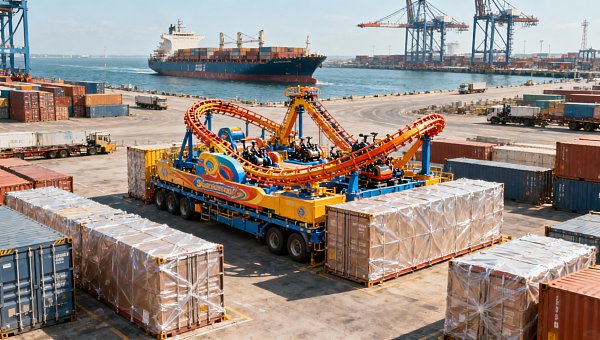
On May 23, 2026, Myanmar Logistics Special Line issued an official climate adaptation plan for the hot-dry season. The measure responds to repeated incidents of asphalt pavement deformation along the primary inland freight corridor from Yangon Port to Naypyidaw. As a result, heavy-load transport of fully assembled Outdoor Rides units is now subject to mandatory speed restrictions and scheduled mid-route cooling inspections. These operational adjustments have extended average transit time for such shipments by 7–10 days. The affected route serves as a key feeder channel to regional distribution centers in Thailand, Cambodia, and Vietnam.
Industries Affected
Direct Exporters & Trade Enterprises
Companies exporting fully assembled outdoor rides (e.g., playground systems, mobile amusement units) from China or ASEAN production bases into Myanmar — or via Myanmar to neighboring markets — face longer lead times and tighter delivery windows. Delays compound during peak seasonal demand, increasing risk of missed retail launch dates or contract penalties.
Distribution & Channel Operators
Regional distributors in Thailand, Cambodia, and Vietnam using Myanmar-based transshipment warehouses experience disrupted replenishment cycles. Inventory turnover forecasts based on historical in-transit durations are no longer reliable, potentially triggering stockouts or excess safety stock accumulation.
Logistics & Supply Chain Service Providers
Freight forwarders and multimodal integrators managing Myanmar-bound or Myanmar-transit cargo must revise routing protocols, adjust SLA commitments, and reallocate inspection-capable transport assets. The requirement for scheduled cooling stops adds complexity to fleet scheduling and driver duty-time planning.
Key Considerations & Recommended Actions
Monitor Official Updates from Myanmar Logistics Special Line
Track any subsequent announcements regarding duration of the heat-response measures, geographic scope expansion, or revised speed/inspection thresholds — especially ahead of the upcoming monsoon transition period.
Prioritize Advance Ordering for High-Volume Outdoor Rides SKUs
Overseas buyers are advised to place orders at least 14 days earlier than usual for products routed through this corridor; this buffer accommodates both the confirmed 7–10 day extension and potential variability in checkpoint processing times.
Evaluate Alternate Clearance Points
Assess feasibility of shifting consignments to alternative entry points (e.g., border crossings with Thailand or land ports linked to rail corridors), where infrastructure resilience to high temperatures has not been formally downgraded.
Review Contractual Force Majeure Clauses
Verify whether temperature-related transport delays fall under defined force majeure conditions in existing commercial agreements — particularly for time-bound delivery obligations tied to seasonal marketing calendars.
Editorial Observation / Industry Insight
Observably, this is not a temporary traffic advisory but a formalized operational protocol reflecting structural vulnerability in regional road infrastructure under intensifying climate stress. Analysis shows that the 7–10 day delay is already being factored into current shipping schedules — meaning the impact is operational, not merely prospective. From an industry perspective, it signals growing friction between traditional overland logistics models and escalating environmental volatility in key ASEAN corridors. Current monitoring should focus less on whether the policy will be lifted, and more on how long similar adaptive measures may persist across adjacent routes as regional temperatures rise.
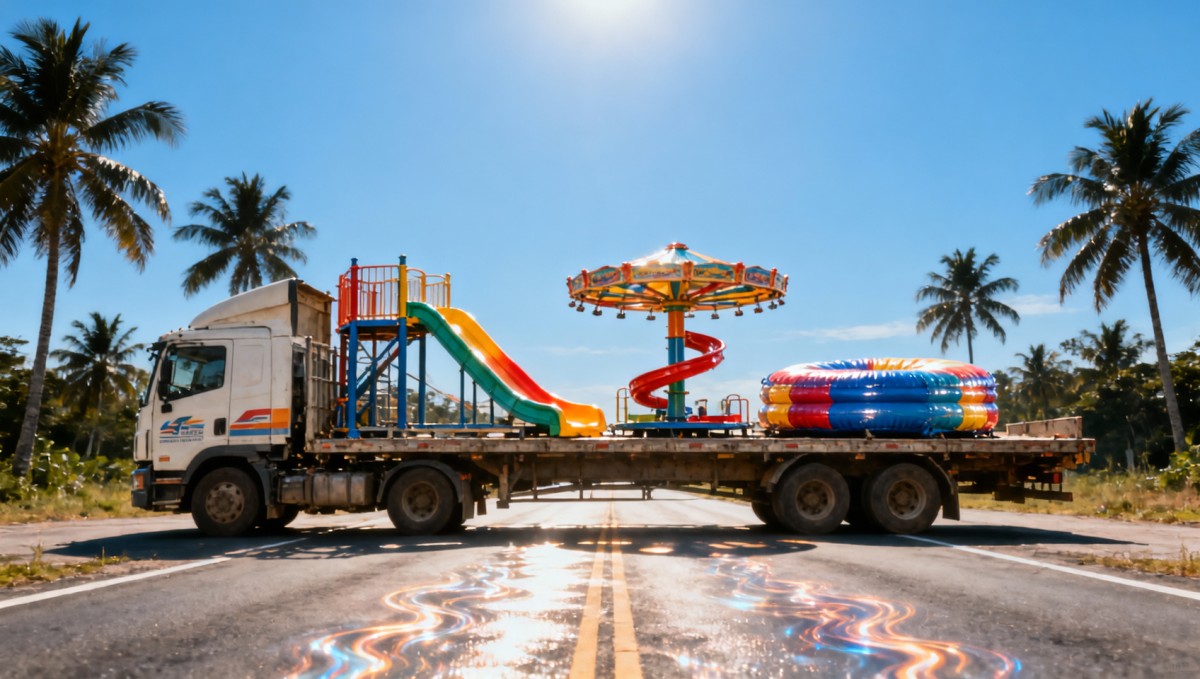
Myanmar Logistics Special Line’s official announcement (dated May 23, 2026). Note: Duration of the heat-response protocol and possible extension to other inland corridors remain under observation.
This incident underscores how localized climate adaptation measures — though technically narrow in scope — can propagate measurable ripple effects across regional distribution networks. It is best understood not as an isolated disruption, but as an early indicator of increasing operational recalibration required for Southeast Asian supply chains under evolving thermal regimes.
Information Source: Official notice issued by Myanmar Logistics Special Line on May 23, 2026. Ongoing implementation status and potential expansion to other routes remain subjects of active monitoring.
Search News
Hot Articles
- Fashion & Gem JewelryThermal Diamond Testers: How They Work and When They Can Misidentify StonesOct 07, 2026
- Commercial KitchenWhat Is Driving Demand for Commercial Hospitality Projects Across the GCC?Oct 06, 2026
- Hotel Room AmenitiesHow to Select Hotel Hair Dryers That Balance Guest Safety, Durability, and CostOct 05, 2026
Popular Tags
Need ExpertConsultation?
Connect with our specialized leisureengineering team for procurementstrategies.
Recommended News
 Oct 03, 2026How to Select Leisure Park Equipment for Safe, High-Throughput Visitor AreasLeisure park equipment selection guide for safe, high-throughput venues—explore capacity, supervision, durability, accessibility, and supplier criteria.● Theme Park Strategist
 Sep 18, 2026What Drives Animatronic Dinosaur Manufacturer Prices for Theme Park Projects?Animatronic dinosaurs manufacturer price guide: compare motion, materials, controls, installation, and lifecycle costs to plan a durable theme park attraction.● Theme Park Strategist
 Sep 06, 2026Do Amusement Ride Safety Compliance Requirements Change Every Year?Do amusement safety compliance requirements change annually? Learn what really changes, from standards and inspections to permits, upgrades, and local approvals.● Theme Park Strategist
 Sep 02, 2026How Long Does It Take to Receive Full Safety Documents From an OEM?How long does it take to get full safety documentation from OEM partners? Discover realistic timelines, common delays, and practical steps to secure compliant files faster.● Theme Park Strategist
 Sep 03, 2026Designing Adventure Park Safety Systems for Zip Lines, Ropes Courses, and Daily InspectionsAdventure park safety systems: learn how to design safer zip lines and ropes courses with daily inspections, defect controls, rescue readiness, and staff training.● Theme Park Strategist
 Aug 22, 2026What to Look for When Choosing Three Seat Jet Skis for Rental or Resort UseThree seat jet skis for rental or resort use should balance stability, safety, maintenance, and guest comfort. Learn how to choose models that boost uptime and guest satisfaction.● Theme Park Strategist
 Aug 17, 2026What Parts Matter Most in a Roller Coaster and How Do They Affect Ride Safety?Roller coaster parts determine ride safety more than most riders realize. Explore how tracks, restraints, brakes, wheels, and control systems work together to protect every ride.● Theme Park Strategist
 Aug 15, 20262026 China Sports Expo Sees 45.74% More Overseas Pre-registered Buyers as POB Expands Procurement Matching2026 China Sports Expo boosts overseas pre-registered buyers by 45.74% as POB expands procurement matching for fitness, outdoor, and venue suppliers.● Theme Park Strategist
 Aug 14, 2026What Should Buyers Check Before Choosing a Flying Chair Ride Exporter?Flying chair ride exporter buyers should check safety, structure, export support, and spare parts before purchase to reduce risk and choose a reliable supplier.● Theme Park Strategist
 Aug 04, 2026EU Issues EN 1176-1:2026 for Playground SafetyEU Issues EN 1176-1:2026 for Playground Safety: learn how the new standard impacts Outdoor Rides, CE certification, inventory checks, and EU compliance before March 2027.● Theme Park Strategist
 Aug 03, 2026CPSC Adopts ASTM F1487-26 for Imported Outdoor RidesOutdoor Rides face a major U.S. compliance shift as CPSC adopts ASTM F1487-26. Learn the new certification, testing, and customs risks before November 1, 2026.● Theme Park Strategist
 Jul 26, 2026Revised EN 1176:2026 Triggers Re-Certification for Outdoor RidesOutdoor Rides face immediate EN 1176:2026 re-certification for new CE applications. Learn how testing, documentation, and EU market access rules now affect exports and delivery plans.● Theme Park Strategist
 Jul 21, 2026CPSC Recall Flags Structural Risk in Outdoor RidesCPSC recall flags structural risk in outdoor rides: learn how ASTM F1487-23 failures affect importers, distributors, and compliance teams across the U.S., Canada, and Australia.● Theme Park Strategist
 Jul 19, 2026How to Choose Outdoor Fitness Equipment for Parks Based on Users, Space, and BudgetOutdoor fitness equipment for parks: learn how to choose the right mix based on users, space, and budget to improve safety, usage, and long-term value.● Theme Park Strategist
 Jul 15, 2026Ocean Freight Spike Pressures Outdoor Rides ExportsOcean Freight Spike Pressures Outdoor Rides Exports as Shanghai-Rotterdam rates surge 42%. See how rising freight costs, delays, and rerouting risks could reshape Europe-bound delivery plans.● Theme Park Strategist
 Jul 14, 2026EN 1176 Revision Takes Effect for Outdoor Ride Weld TestingEN 1176 revision takes effect for outdoor ride weld testing from Sept 1, 2026. Learn ISO 5817 level B, third-party NDT report rules, and key EU compliance steps.● Theme Park Strategist
 Jul 12, 2026Vietnam Requires AI Anti-Collision Systems for Imported Outdoor RidesVietnam Requires AI Anti-Collision Systems for Imported Outdoor Rides from Sept. 15, 2026. Learn compliance rules, VAST certification needs, and how importers can avoid delays.● Theme Park Strategist
 Jul 11, 2026Vietnam Tightens Rules for Imported Outdoor RidesVietnam Tightens Rules for Imported Outdoor Rides: learn how Vietnam’s 2026 compliance update adds AI anti-collision, Vietnamese logs, and local maintenance duties for importers and manufacturers.● Theme Park Strategist
 Jul 09, 2026How to Evaluate a Lazy River Equipment Supplier for Safety, Flow Design, and MaintenanceLazy river equipment supplier selection affects safety, flow design, and maintenance costs. Learn what to compare, what to ask, and how to choose a reliable partner.● Theme Park Strategist
 Jul 08, 2026RCEP Update Cuts ASEAN Tariffs to Zero for Outdoor RidesRCEP update cuts ASEAN tariffs to zero for outdoor rides from China. Learn how FSC-CoC, PEFC traceability, and e-CO compliance affect exports, sourcing, and buyer decisions.● Theme Park Strategist
 Jul 07, 2026RCEP Guide Adds Dual Wood Traceability for Outdoor RidesOutdoor Rides exporters face a new RCEP traceability rule: dual FSC-CoC and PEFC-STS 2023 codes for wood components. See what changes before Oct. 1, 2026.● Theme Park Strategist
 Jul 06, 2026Vietnam Tightens RCEP Rules for Wooden Ride PartsVietnam Tightens RCEP Rules for Wooden Ride Parts: learn how FSC Chain-of-Custody and QR code requirements now affect outdoor rides, RCEP imports, and shipment compliance.● Theme Park Strategist
 Jul 06, 2026How to Evaluate a Bumper Cars on Ice Manufacturer for Safety, Capacity, and ROIBumper cars on ice manufacturer selection starts with safety, capacity, and ROI. Learn how to compare suppliers, reduce risk, and choose a partner built for long-term commercial success.● Theme Park Strategist
 Jul 04, 2026Electric Drift Bumper Cars vs Traditional Bumper Cars: Which Fits Your Venue Better?Electric drift bumper cars or traditional bumper cars? Compare installation, safety, maintenance, guest appeal, and ROI to choose the best fit for your venue.● Theme Park Strategist