Fruit Attraction 2026 Booth Bookings Exceed 90%; Arcade & VR Machines Emerge as Procurement Focus
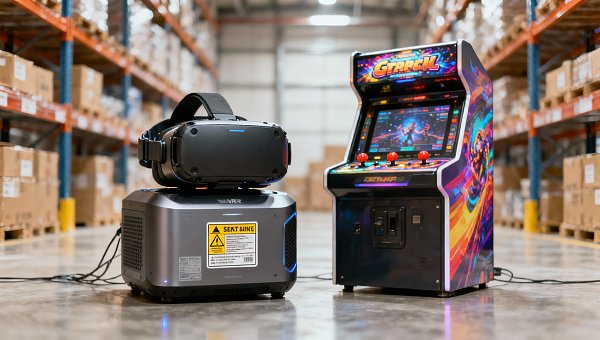
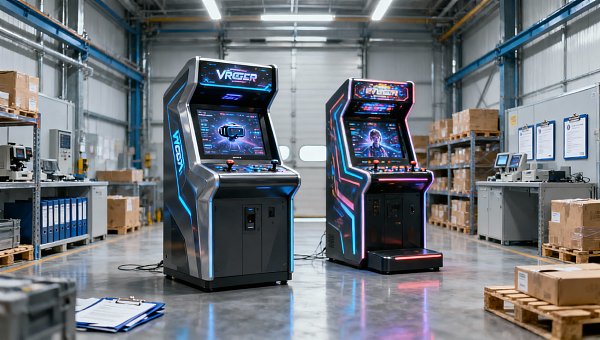
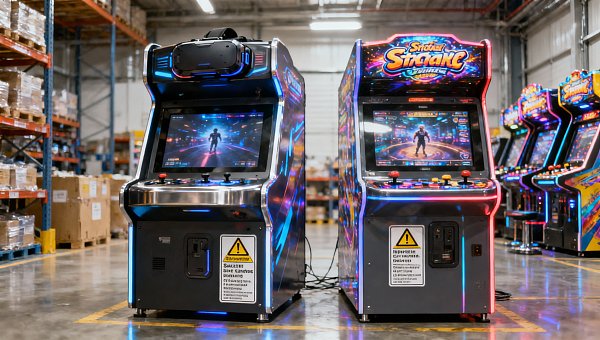
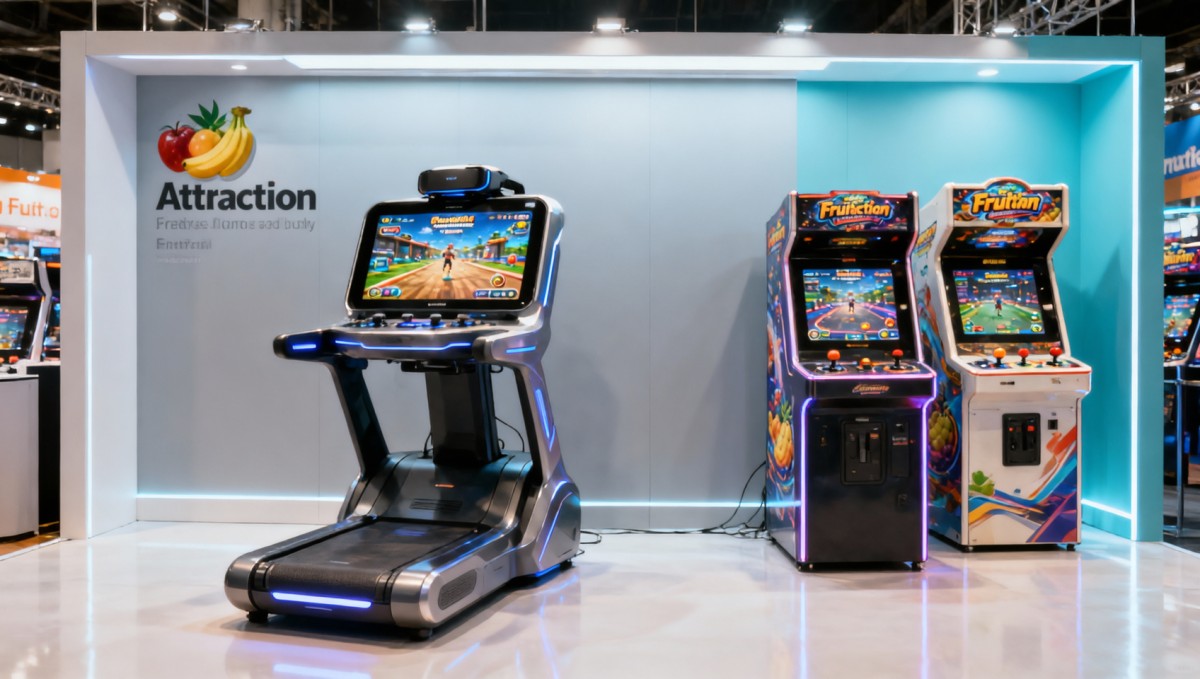
Booth bookings for Fruit Attraction 2026—the 18th edition of the International Fruit and Vegetable Trade Fair—have surpassed 90% ahead of its scheduled run from October 6–8, 2026 in Madrid. The event’s newly confirmed ‘Interactive Experience Zone’, featuring Arcade & VR Machines suppliers for agri-tourism complexes, cross-border cultural tourism commercial spaces, and premium hotel entertainment areas, signals a notable shift: European buyers are increasingly treating VR-based amusement equipment as a standardized procurement item within hospitality upgrades, experiential retail fit-outs, and integrated rural-urban tourism development. This development warrants close attention from manufacturers, integrators, and service providers operating at the intersection of agrifood infrastructure, leisure technology, and commercial real estate.
Event Overview
The 18th Fruit Attraction will take place in Madrid from October 6–8, 2026. Organizers have confirmed that over 90% of exhibition space has been reserved. For the first time, the fair will include an ‘Interactive Experience Zone’ dedicated to Arcade & VR Machines suppliers. This zone is explicitly positioned to serve smart agri-tourism complexes, cross-border cultural tourism commercial projects, and high-end hotel entertainment environments. No further operational details—including participating brands, technical specifications, or buyer qualification criteria—have been publicly released.
Industries Affected by This Development
Direct Export-Oriented Manufacturers (Arcade & VR Machines)
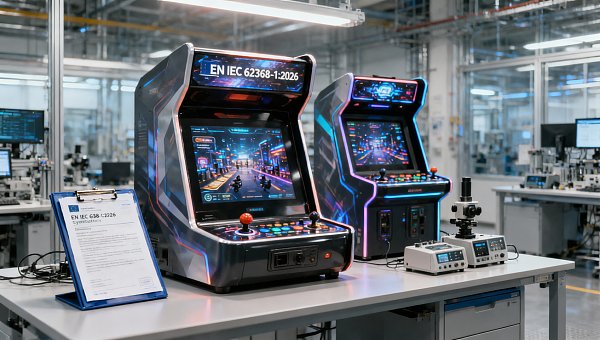
These companies face new channel opportunities but also heightened expectations around integration readiness. Impact manifests in increased demand for modular, venue-adaptable hardware; compliance with EU safety and accessibility standards (e.g., EN 1176, EN 62368-1); and documentation supporting multi-sector deployment (e.g., agritourism vs. hospitality use cases).
Systems Integrators & Solution Providers (Agri-Tourism / Hospitality Tech)
Integrators involved in designing or retrofitting experiential spaces for farms, resorts, or mixed-use developments may encounter revised RFPs or tender requirements referencing VR/arcade components. Impact includes tighter alignment needed between agricultural infrastructure planning and entertainment technology sourcing cycles.
Commercial Real Estate Developers (Cross-Border Tourism Projects)
Developers managing or planning agrifood-linked tourism assets—especially those targeting EU or international visitors—may now need to allocate budget and design space for interactive tech zones earlier in project timelines. This affects feasibility studies, architectural briefs, and tenant mix planning.
Supply Chain & Certification Service Providers
Logistics, customs brokerage, and CE conformity assessment firms serving hardware exporters may see rising inquiries related to VR arcade units intended for non-traditional venues (e.g., farm stays, vineyard visitor centers). Impact includes demand for guidance on classification under EU customs codes (e.g., HS 9504) and conformity pathways beyond standard consumer electronics.
What Relevant Companies or Practitioners Should Monitor and Do Now
Track official updates on zone participation criteria and buyer profiles
The ‘Interactive Experience Zone’ is newly introduced, and its buyer composition—whether dominated by hotel groups, agritourism operators, or commercial landlords—remains unconfirmed. Companies should monitor announcements from Fruit Attraction organizers regarding application deadlines, eligibility, and target buyer segments before committing resources.
Assess current product documentation for cross-sector applicability
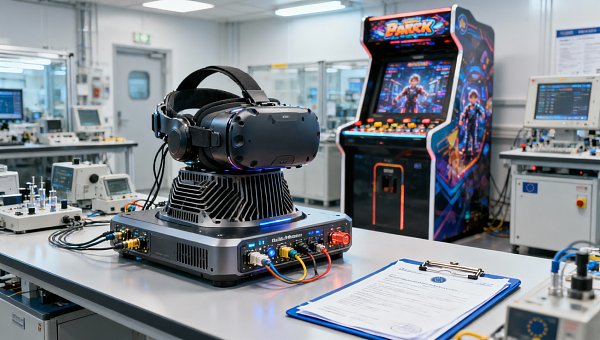
Arcade and VR machine suppliers should review existing technical files, user manuals, and safety certifications to determine whether they already meet common requirements across hospitality, tourism, and commercial real estate—such as noise emission limits, emergency stop functionality, or multilingual interface support. Gaps identified now can inform pre-fair compliance preparation.
Distinguish between signal and implementation timeline
While the zone’s introduction reflects growing buyer interest, actual procurement decisions for VR/arcade installations in agri-tourism or hotel settings typically follow longer lead times (12–24 months) due to capital approval cycles and integration complexity. Firms should avoid interpreting this as immediate order volume—rather, it indicates a structural shift in specification criteria emerging in upstream planning stages.
Prepare for venue-specific logistical and regulatory coordination
Suppliers and integrators should begin mapping potential coordination points with venue operators: power load capacity, floor loading limits, network infrastructure readiness, and local fire safety regulations. Early dialogue—not just with exhibitors, but with prospective end-users referenced in the zone’s scope—can clarify practical deployment constraints ahead of the fair.
Editorial Perspective / Industry Observation
Observably, this development is best understood not as an isolated trend but as a symptom of broader convergence between food systems, tourism infrastructure, and experiential technology. Analysis shows that European procurement behavior is evolving toward ‘experience-ready’ hardware packages—where entertainment modules are no longer add-ons but baseline components in master plans for rural revitalization or urban commercial regeneration. From an industry perspective, the zone’s launch functions primarily as a forward-looking signal: it reflects buyer intent and specification shifts currently taking shape in project pipelines, rather than representing a mature, transactional market. Continued monitoring is warranted—not because orders are imminent, but because specification language, tender templates, and investor due diligence checklists may begin incorporating these categories in the next 6–12 months.
Conclusion
Fruit Attraction 2026’s early booth saturation and the formal inclusion of Arcade & VR Machines in a dedicated zone mark a measurable step toward institutional recognition of immersive entertainment as part of agri-tourism and hospitality infrastructure. However, this should be interpreted cautiously: it reflects evolving procurement frameworks and long-term strategic alignment—not sudden demand acceleration. For stakeholders, the priority remains understanding how this signal translates into tangible specification changes, compliance expectations, and integration workflows—not assuming immediate commercial traction.
Source Disclosure
Main source: Official announcement from Fruit Attraction 2026 organizers (publicly confirmed booth booking rate >90% and introduction of ‘Interactive Experience Zone’).
Points requiring ongoing observation: Final list of participating suppliers in the zone; confirmed buyer delegation composition; detailed technical or certification prerequisites for exhibitors; and post-event reporting on procurement outcomes or pilot deployments linked to the zone.
Search News
Hot Articles
- Fashion & Gem JewelryThermal Diamond Testers: How They Work and When They Can Misidentify StonesOct 07, 2026
- Commercial KitchenWhat Is Driving Demand for Commercial Hospitality Projects Across the GCC?Oct 06, 2026
- Hotel Room AmenitiesHow to Select Hotel Hair Dryers That Balance Guest Safety, Durability, and CostOct 05, 2026
Popular Tags
Need ExpertConsultation?
Connect with our specialized leisureengineering team for procurementstrategies.
Recommended News
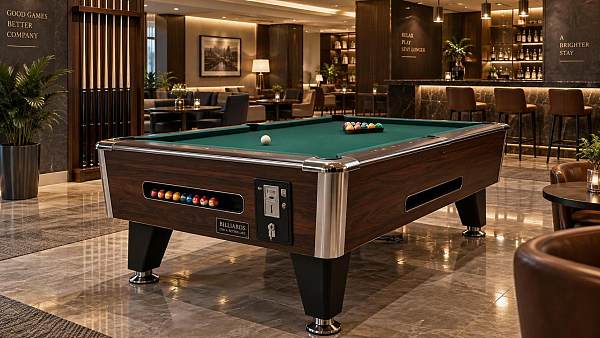
 Sep 15, 2026How to Choose Coin-Operated Pool Tables for Bars, Hotels, and Arcade VenuesCoin operated pool tables for bars, hotels, and arcades: compare sizes, payment systems, durability, service access, and revenue potential.● Theme Park Strategist
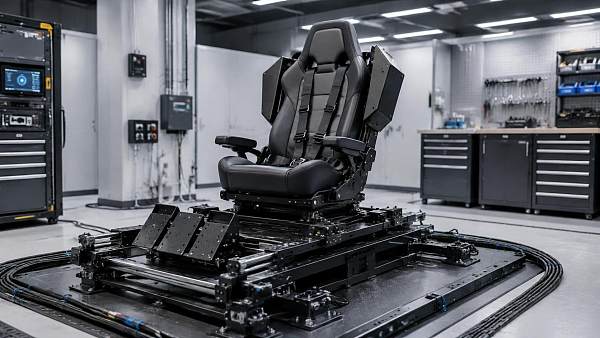
 Sep 08, 2026What to Look for in a Flight Simulator Chair Manufacturer for Commercial VR CentersChoose a flight simulator chair manufacturer that delivers durable, safe, customizable seating for commercial VR centers. Explore key sourcing criteria now.● Theme Park Strategist
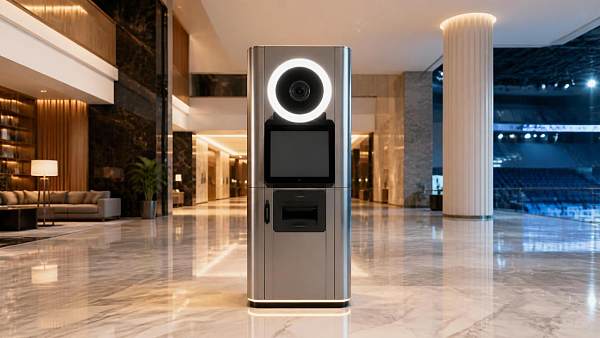
 Aug 25, 2026What to Evaluate Before Buying Commercial Self Service Photo Booths for VenuesCommercial self service photo booths for venues: learn how to evaluate durability, software stability, branding flexibility, support, and total ROI before you buy.● Theme Park Strategist
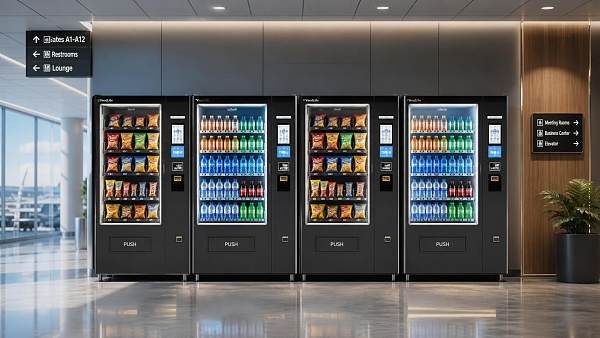
 Aug 23, 2026How to Evaluate Wholesale Vending Machines for Multi-Location Business DeploymentWholesale vending machines for multi-location deployment require more than low unit cost. Learn how to compare reliability, payments, telemetry, and supplier support to scale smarter.● Theme Park Strategist
 Aug 17, 2026U.S. CPSC Urges Bilingual Warnings for Arcade and VR MachinesU.S. CPSC urges bilingual safety warnings for Arcade & VR Machines—learn what exporters, importers, and distributors must do now to avoid delays and returns.● Theme Park Strategist
 Aug 16, 2026EU Enforces EN IEC 62368-1:2026 Certification for Arcade and VR MachinesEU Enforces EN IEC 62368-1:2026 certification for arcade and VR machines, reshaping EU market access, customs clearance, and compliance planning for exporters and distributors.● Theme Park Strategist
 Aug 13, 2026UFLPA’s new guidelines take effect: Exports of Arcade and VR equipment face full-link labor compliance requirementsUFLPA’s new guide takes effect: Arcade and VR machine exports to the U.S. now face full-chain labor compliance checks. Discover key risks and action steps.● Theme Park Strategist
 Aug 12, 2026EU PPWR takes effect, Arcade and VR packaging incorporate heavy metal and PFAS restrictionsEU PPWR now applies to Arcade and VR packaging, tightening heavy metal and PFAS compliance. Learn how exporters can avoid delays, fines, and customs risks.● Theme Park Strategist
 Aug 11, 2026CPSC Sets Bilingual Labels for Arcade and VR ImportsCPSC bilingual labels for arcade and VR imports become mandatory on October 1, 2026. Learn the new English-Spanish warning rules, customs risks, and key compliance steps now.● Theme Park Strategist
 Aug 10, 2026EU Rule Takes Effect for Arcade & VR Machine ClearanceArcade & VR Machine clearance in the EU now depends on EN IEC 62368-1:2026+A11:2026 compliance. Learn what changed, who is affected, and how to avoid customs delays.● Theme Park Strategist
 Aug 09, 2026CPSC Requires New Labels for Arcade and VR ImportsCPSC requires new labels for Arcade and VR imports starting Oct 1, 2026. Learn the multilingual warning rules, compliance risks, and key steps exporters and buyers must take now.● Theme Park Strategist
 Aug 08, 2026EU Entry Rule Tightens for Arcade & VR MachinesArcade & VR Machines entering the EU now face stricter CE compliance under EN IEC 62368-1:2026+A11:2026. Learn the new rule, risks, and what exporters must do now.● Theme Park Strategist
 Aug 07, 2026CPSC Notice Tightens U.S. Entry Rules for Arcade and VR MachinesCPSC Notice Tightens U.S. Entry Rules for Arcade and VR Machines: learn the new labeling, FCC, UN38.3, and compliance document requirements before October 1, 2026.● Theme Park Strategist
 Aug 06, 2026EU Rule Takes Effect for CE-UKCA Labels on Arcade & VR MachinesArcade & VR Machines face new CE-UKCA label and ECPD filing rules in the EU and UK. Learn what manufacturers, importers, and distributors must do now to avoid delays.● Theme Park Strategist
 Aug 05, 2026CPSC Recalls Arcade and VR Machines Over UL 62368-1CPSC recalls arcade and VR machines over UL 62368-1 non-compliance. Learn how this 2026 safety action may affect imports, distribution, customs clearance, and market access.● Theme Park Strategist
 Aug 02, 2026EU Sets New Certification Rule for Arcade and VR MachinesArcade and VR Machines face a new EU certification rule from Oct 1, 2026. Learn how EN IEC 62368-1:2026+A11:2026 affects CE marking, customs clearance, and market access.● Theme Park Strategist
 Aug 01, 2026CPSC Moves to Require Bilingual Warnings on Arcade and VR MachinesCPSC bilingual warnings for Arcade and VR Machines may reshape U.S. import compliance. Learn how English-Spanish labels affect packaging, customs risk, and shipment readiness.● Theme Park Strategist
 Jul 31, 2026EU Sets EN IEC 62368-1:2025 Rule for Arcade and VR MachinesEU Sets EN IEC 62368-1:2025 Rule for Arcade and VR Machines. Learn the new EU compliance deadlines, safety updates, and key actions for manufacturers, OEMs, and distributors.● Theme Park Strategist
 Jul 30, 2026CPSC Sets New Warning Label Rule for Arcade & VR MachinesCPSC sets a new warning label rule for Arcade & VR Machines effective August 15, 2026. Learn key compliance risks, multilingual label requirements, and shipment actions now.● Theme Park Strategist
 Jul 29, 2026EU Enforces New Safety Standard for Arcade and VR MachinesEU Enforces New Safety Standard for Arcade and VR Machines: learn how EN IEC 62368-1 affects CE compliance, customs clearance, and EU market access for exporters and buyers.● Theme Park Strategist
 Jul 28, 2026CPSC Sets ASTM F3472-26 Rule for Arcade & VR ImportsCPSC ASTM F3472-26 rule reshapes Arcade & VR imports to the U.S. Learn key compliance deadlines, certification risks, and what exporters, OEM/ODM suppliers, and buyers should do now.● Theme Park Strategist
 Jul 27, 2026EU Rule Takes Effect for Arcade & VR Machine CybersecurityEU Rule Takes Effect for Arcade & VR Machine Cybersecurity: learn how EN IEC 62443-3-3:2025 affects compliance, customs clearance, sales continuity, and supplier planning in the EU market.● Theme Park Strategist
 Jul 25, 2026CPSC Sets Bilingual Warning Rule for Arcade and VR ImportsCPSC bilingual warning rule for arcade and VR imports takes effect August 1, 2026. Learn how OEM/ODM exporters can avoid CBP delays, relabel shipments, and protect U.S. delivery timelines.● Theme Park Strategist
 Jul 24, 2026EU Enforces New Safety Standard for Arcade and VR MachinesEU Enforces New Safety Standard for Arcade and VR Machines: learn how EN IEC 62368-1:2026+A11:2026 reshapes EU compliance, CE documentation, testing timelines, and export readiness.● Theme Park Strategist