Chain Expo Opens With AI Focus on Arcade & VR
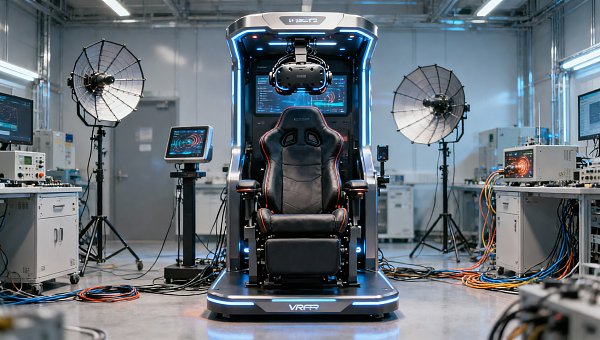
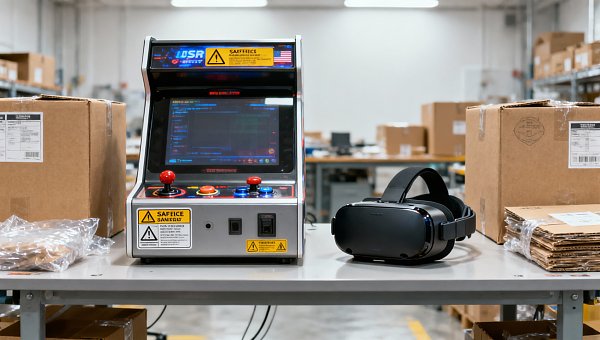
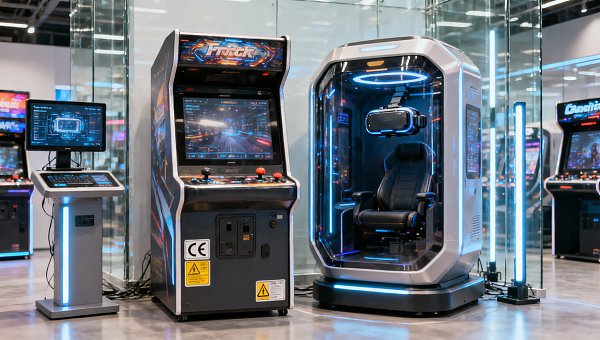
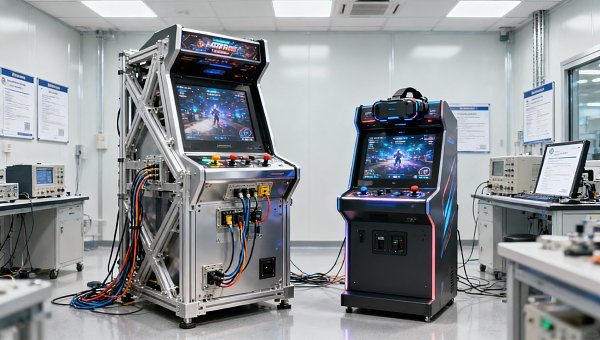
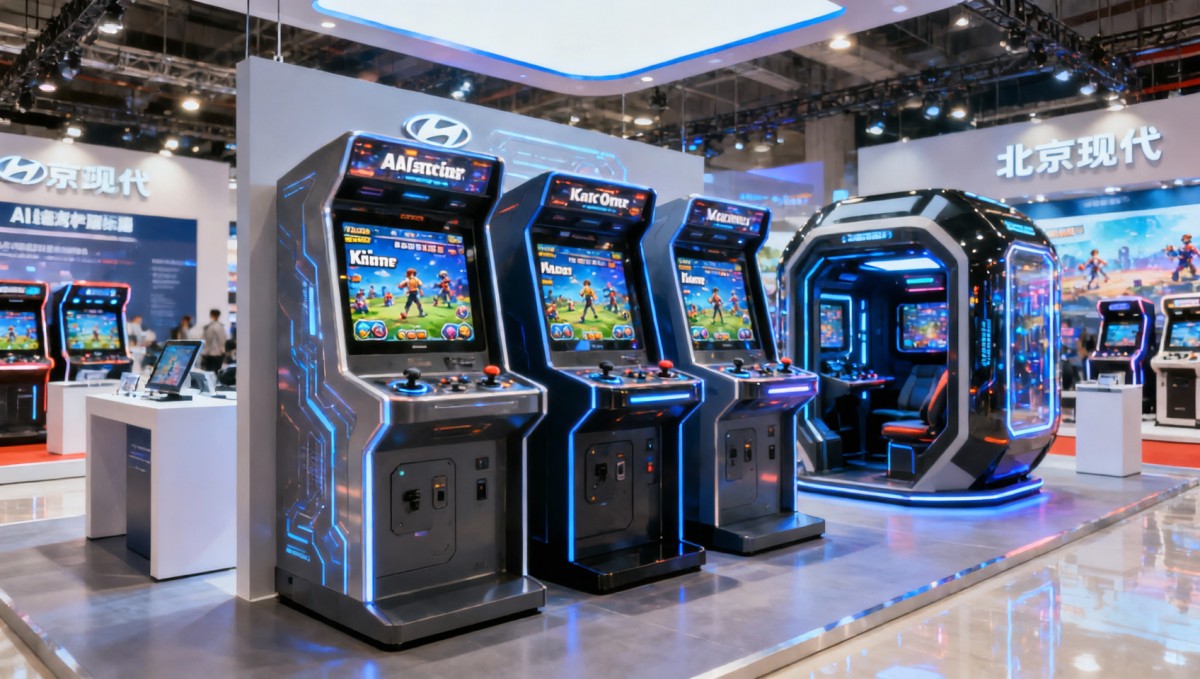
On June 22, 2026, the fourth China International Supply Chain Promotion Expo opened at the Shunyi venue in Beijing, and one of the clearest signals from the event was the new artificial intelligence zone under the digital technology chain. Within that area, Arcade & VR Machines and related core modules were highlighted for capabilities including emotional interaction, multimodal recognition, and localized content adaptation. For ODM manufacturers, channel partners, buyers, and compliance-focused service providers, the development deserves attention because it ties product display, market matching, and access requirements more closely to safety certification and health-impact documentation.
What the exhibition formally put on the table
According to the provided event information, the fourth China International Supply Chain Promotion Expo opened on June 22, 2026, in Beijing's Shunyi venue. For the first time, the expo established an artificial intelligence zone within the digital technology chain segment.
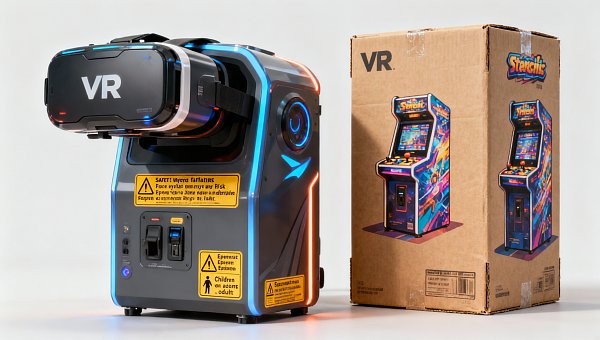
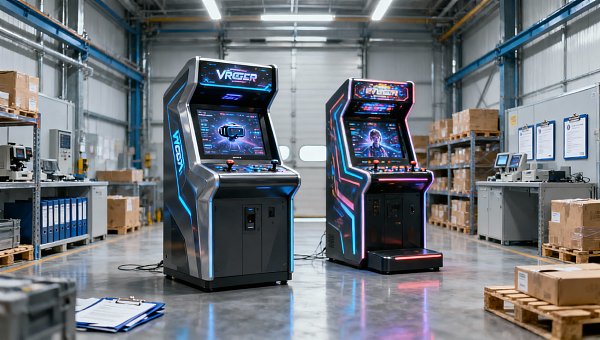
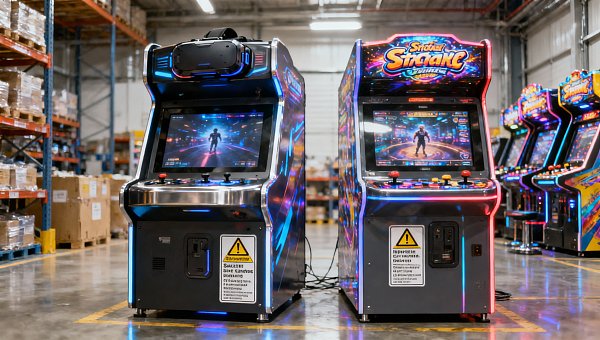
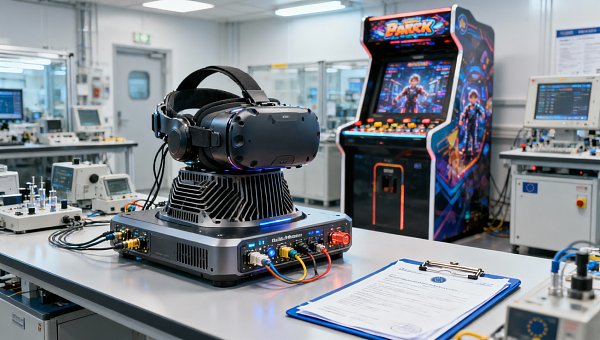
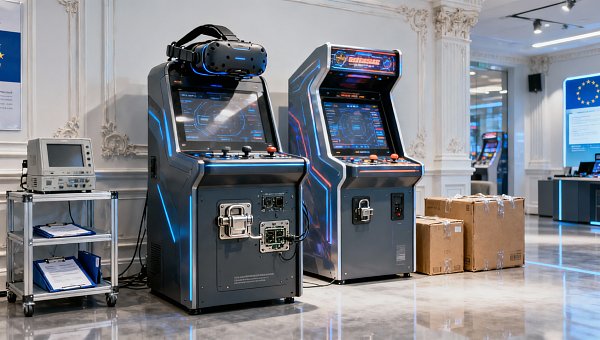
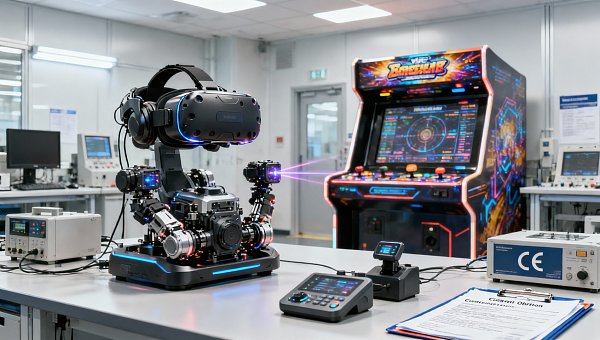
The zone centrally displayed complete Arcade & VR Machines and core modules with emotional interaction, multimodal recognition, and localized content adaptation capabilities. The event also made clear that participating VR devices were required to pass ISO/IEC 13857 human-machine safety certification and provide test reports under GB/T 42395-2023, the Virtual Reality Device Health Impact Assessment Guidelines.
The same zone attracted more than 47 Chinese ODM manufacturers and channel partners from Europe, the United States, and the Middle East, with on-site intentions formed around sample trials and joint compliance-building.
Why different parts of the chain may pay attention
For ODM manufacturers, display value is now tied to compliance readiness
From an industry perspective, ODM suppliers may be affected first because the exhibition signal does not stop at product functions. The highlighted products combined AI-related interaction features with explicit exhibition-entry requirements tied to safety certification and health-impact testing. That means product showcasing, sample discussions, and downstream business conversion may increasingly depend on whether technical files and testing materials are ready alongside the hardware itself.
For overseas channels, market interest appears linked to documentation as much as demos
Channel partners from Europe, the United States, and the Middle East were part of the on-site intent formation around sample use and compliance co-building. Analysis shows this matters for distributors and import-side partners because trial interest is being discussed in parallel with compliance preparation, not after it. In practical terms, product evaluation, localized content fit, and document alignment may move forward together during early-stage cooperation talks.
For supply-chain and support services, coordination work may move earlier
Service providers involved in testing, certification support, delivery planning, and customer-facing documentation may also feel the impact. Observably, once an exhibition setting makes certification and test reporting explicit, supporting functions are no longer a back-end step only. Their role may shift closer to pre-sale preparation, sample circulation, and cross-border communication.
What companies should watch next
Separate confirmed rules from broader commercial expectations
What deserves closer attention is the distinction between what the expo explicitly required and what the market may later expect. The confirmed requirement in this case concerns ISO/IEC 13857 certification and GB/T 42395-2023 test reports for participating VR devices. Companies should avoid assuming that every downstream transaction has already adopted identical conditions, while still preparing for buyers to reference those same materials in negotiations.
Prioritize files and proof points for featured product categories
Businesses involved in Arcade & VR Machines and related modules should pay close attention to whether their featured models, component configurations, and supporting documents can be matched clearly during sample discussions. The event summary suggests that capabilities such as emotional interaction, multimodal recognition, and localized content adaptation are part of the presentation focus, so internal product communication needs to be consistent with whatever documentation can actually be provided.
Prepare for compliance co-building as a business process
The mention of joint compliance-building intentions is a practical signal in itself. Analysis shows companies may need to treat compliance not only as a one-time approval task but also as part of customer coordination, especially when sample trials are involved. Supplier qualification files, test reports, communication records, and delivery expectations may need tighter alignment before commercial orders progress.
Track whether official language or implementation details evolve
Companies should continue watching how official event language, follow-up rules, or related implementation details are expressed after the opening stage. This matters because exhibition requirements, buyer expectations, and actual transaction thresholds are not always identical, and the gap between policy-style signaling and operational execution often becomes clearer only after initial matching activity begins.
How this signal is best interpreted for now
Observably, this development points to a shift in how Arcade & VR Machines are being framed within a supply-chain setting: not only as entertainment or immersive hardware, but as AI-linked equipment that must also clear visible compliance thresholds. That is an important signal, but it is not yet the same as a fully settled market outcome.
It is more appropriate to understand this as an early but concrete indicator of where supplier discussions are moving. The event shows that product capability, market access preparation, and cross-border channel interest are appearing in the same conversation. Whether that leads to broader procurement standards or more stable order conversion still requires continued observation.
What the event suggests without overstating it
At this stage, the most balanced reading is that the expo has given Arcade & VR Machines a more defined position inside an AI-focused exhibition context, while also making compliance expectations more visible. For manufacturers, channels, and service providers, the immediate takeaway is not a guaranteed market result but a clearer checklist for engagement: product capability presentation, supporting certification materials, and readiness for sample-based cooperation all appear to matter together.
In that sense, the news is better read as a near-term market signal with possible longer-term implications, rather than as proof that the industry has already reached a new settled standard.
About the basis of this article
This article is generated from the user-provided news title, event date, and event summary. The confirmed facts used here are limited to those inputs. For this type of industry update, source types typically relevant to later verification include official event announcements, company statements, industry association releases, authoritative media coverage, and standards-related documents.
No specific official source link was provided in the input, so further verification remains necessary. Follow-up attention should focus on whether additional official wording, implementation details, or public disclosures emerge regarding exhibition requirements, compliance expectations, and the progress of sample-trial or joint compliance-building intentions.
Search News
Hot Articles
- Commercial KitchenCommercial Kitchen Design Price: Budgeting by Layout, Equipment, and MEP ScopeSep 22, 2026
- Stationery & UniformsHow Schools Can Cut Printing Costs When Buying Ink Cartridges in BulkSep 21, 2026
- Jewelry Packaging & DisplayHow to Evaluate a Luxury Retail Packaging Supplier for Premium Brand ConsistencySep 20, 2026
Popular Tags
Need ExpertConsultation?
Connect with our specialized leisureengineering team for procurementstrategies.
Recommended News
 Sep 15, 2026How to Choose Coin-Operated Pool Tables for Bars, Hotels, and Arcade VenuesCoin operated pool tables for bars, hotels, and arcades: compare sizes, payment systems, durability, service access, and revenue potential.● Theme Park Strategist
 Sep 08, 2026What to Look for in a Flight Simulator Chair Manufacturer for Commercial VR CentersChoose a flight simulator chair manufacturer that delivers durable, safe, customizable seating for commercial VR centers. Explore key sourcing criteria now.● Theme Park Strategist
 Aug 25, 2026What to Evaluate Before Buying Commercial Self Service Photo Booths for VenuesCommercial self service photo booths for venues: learn how to evaluate durability, software stability, branding flexibility, support, and total ROI before you buy.● Theme Park Strategist
 Aug 23, 2026How to Evaluate Wholesale Vending Machines for Multi-Location Business DeploymentWholesale vending machines for multi-location deployment require more than low unit cost. Learn how to compare reliability, payments, telemetry, and supplier support to scale smarter.● Theme Park Strategist
 Aug 17, 2026U.S. CPSC Urges Bilingual Warnings for Arcade and VR MachinesU.S. CPSC urges bilingual safety warnings for Arcade & VR Machines—learn what exporters, importers, and distributors must do now to avoid delays and returns.● Theme Park Strategist
 Aug 16, 2026EU Enforces EN IEC 62368-1:2026 Certification for Arcade and VR MachinesEU Enforces EN IEC 62368-1:2026 certification for arcade and VR machines, reshaping EU market access, customs clearance, and compliance planning for exporters and distributors.● Theme Park Strategist
 Aug 13, 2026UFLPA’s new guidelines take effect: Exports of Arcade and VR equipment face full-link labor compliance requirementsUFLPA’s new guide takes effect: Arcade and VR machine exports to the U.S. now face full-chain labor compliance checks. Discover key risks and action steps.● Theme Park Strategist
 Aug 12, 2026EU PPWR takes effect, Arcade and VR packaging incorporate heavy metal and PFAS restrictionsEU PPWR now applies to Arcade and VR packaging, tightening heavy metal and PFAS compliance. Learn how exporters can avoid delays, fines, and customs risks.● Theme Park Strategist
 Aug 11, 2026CPSC Sets Bilingual Labels for Arcade and VR ImportsCPSC bilingual labels for arcade and VR imports become mandatory on October 1, 2026. Learn the new English-Spanish warning rules, customs risks, and key compliance steps now.● Theme Park Strategist
 Aug 10, 2026EU Rule Takes Effect for Arcade & VR Machine ClearanceArcade & VR Machine clearance in the EU now depends on EN IEC 62368-1:2026+A11:2026 compliance. Learn what changed, who is affected, and how to avoid customs delays.● Theme Park Strategist
 Aug 09, 2026CPSC Requires New Labels for Arcade and VR ImportsCPSC requires new labels for Arcade and VR imports starting Oct 1, 2026. Learn the multilingual warning rules, compliance risks, and key steps exporters and buyers must take now.● Theme Park Strategist
 Aug 08, 2026EU Entry Rule Tightens for Arcade & VR MachinesArcade & VR Machines entering the EU now face stricter CE compliance under EN IEC 62368-1:2026+A11:2026. Learn the new rule, risks, and what exporters must do now.● Theme Park Strategist
 Aug 07, 2026CPSC Notice Tightens U.S. Entry Rules for Arcade and VR MachinesCPSC Notice Tightens U.S. Entry Rules for Arcade and VR Machines: learn the new labeling, FCC, UN38.3, and compliance document requirements before October 1, 2026.● Theme Park Strategist
 Aug 06, 2026EU Rule Takes Effect for CE-UKCA Labels on Arcade & VR MachinesArcade & VR Machines face new CE-UKCA label and ECPD filing rules in the EU and UK. Learn what manufacturers, importers, and distributors must do now to avoid delays.● Theme Park Strategist
 Aug 05, 2026CPSC Recalls Arcade and VR Machines Over UL 62368-1CPSC recalls arcade and VR machines over UL 62368-1 non-compliance. Learn how this 2026 safety action may affect imports, distribution, customs clearance, and market access.● Theme Park Strategist
 Aug 02, 2026EU Sets New Certification Rule for Arcade and VR MachinesArcade and VR Machines face a new EU certification rule from Oct 1, 2026. Learn how EN IEC 62368-1:2026+A11:2026 affects CE marking, customs clearance, and market access.● Theme Park Strategist
 Aug 01, 2026CPSC Moves to Require Bilingual Warnings on Arcade and VR MachinesCPSC bilingual warnings for Arcade and VR Machines may reshape U.S. import compliance. Learn how English-Spanish labels affect packaging, customs risk, and shipment readiness.● Theme Park Strategist
 Jul 31, 2026EU Sets EN IEC 62368-1:2025 Rule for Arcade and VR MachinesEU Sets EN IEC 62368-1:2025 Rule for Arcade and VR Machines. Learn the new EU compliance deadlines, safety updates, and key actions for manufacturers, OEMs, and distributors.● Theme Park Strategist
 Jul 30, 2026CPSC Sets New Warning Label Rule for Arcade & VR MachinesCPSC sets a new warning label rule for Arcade & VR Machines effective August 15, 2026. Learn key compliance risks, multilingual label requirements, and shipment actions now.● Theme Park Strategist
 Jul 29, 2026EU Enforces New Safety Standard for Arcade and VR MachinesEU Enforces New Safety Standard for Arcade and VR Machines: learn how EN IEC 62368-1 affects CE compliance, customs clearance, and EU market access for exporters and buyers.● Theme Park Strategist
 Jul 28, 2026CPSC Sets ASTM F3472-26 Rule for Arcade & VR ImportsCPSC ASTM F3472-26 rule reshapes Arcade & VR imports to the U.S. Learn key compliance deadlines, certification risks, and what exporters, OEM/ODM suppliers, and buyers should do now.● Theme Park Strategist
 Jul 27, 2026EU Rule Takes Effect for Arcade & VR Machine CybersecurityEU Rule Takes Effect for Arcade & VR Machine Cybersecurity: learn how EN IEC 62443-3-3:2025 affects compliance, customs clearance, sales continuity, and supplier planning in the EU market.● Theme Park Strategist
 Jul 25, 2026CPSC Sets Bilingual Warning Rule for Arcade and VR ImportsCPSC bilingual warning rule for arcade and VR imports takes effect August 1, 2026. Learn how OEM/ODM exporters can avoid CBP delays, relabel shipments, and protect U.S. delivery timelines.● Theme Park Strategist
 Jul 24, 2026EU Enforces New Safety Standard for Arcade and VR MachinesEU Enforces New Safety Standard for Arcade and VR Machines: learn how EN IEC 62368-1:2026+A11:2026 reshapes EU compliance, CE documentation, testing timelines, and export readiness.● Theme Park Strategist