EU ESPR Ban on Destroying Indoor Playground Stock Takes Effect July 2026
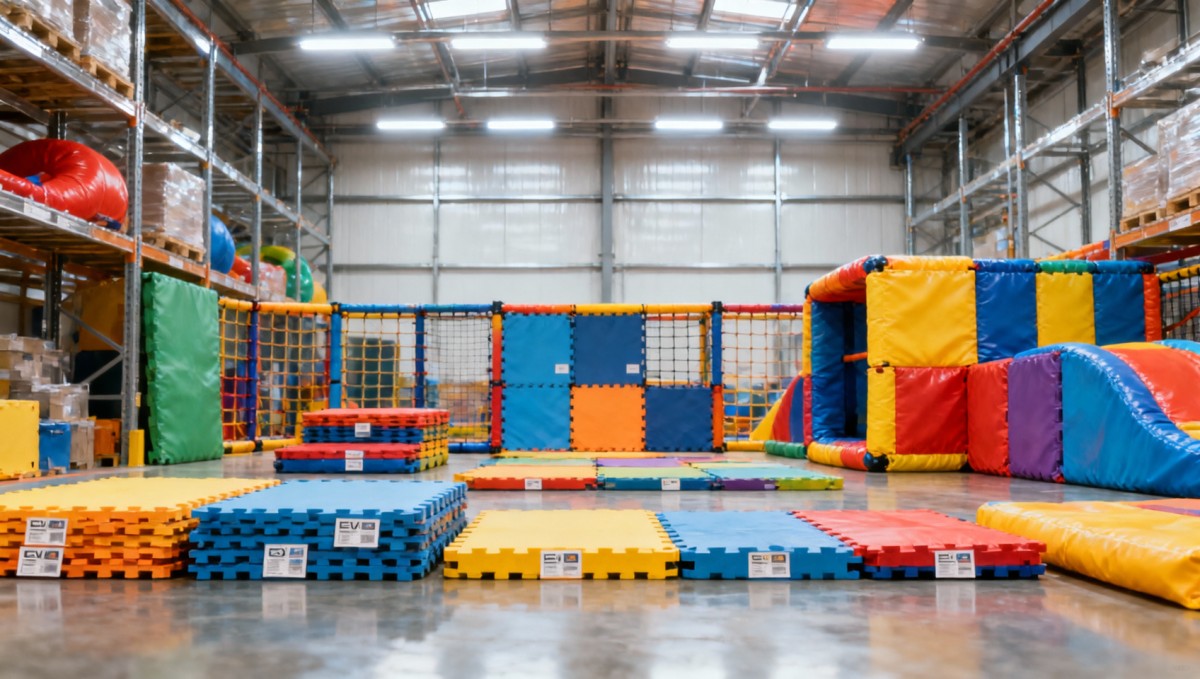
Starting 19 July 2026, the European Union’s Eco-design for Sustainable Products Regulation (ESPR) will prohibit the destruction of unsold indoor playground equipment—including soft-play structures, EVA foam mats, and climbing frame components. This development directly affects manufacturers, distributors, and retailers operating in or exporting to the EU market, and signals a structural shift in how inventory stewardship is regulated across the children’s play equipment supply chain.
Event Overview
The EU’s Eco-design for Sustainable Products Regulation (ESPR) will enter into force on 19 July 2026, banning the destruction of unsold indoor playground products. Covered items include soft-play installations, EVA floor mats, and modular climbing frame components. Affected companies must implement one or more of the following: resale platforms, certified refurbishment centres, or verified donation pathways. All disposal or redistribution activities must be recorded in the Digital Product Passport (DPP) system. Non-compliance may result in fines of up to 4% of annual global turnover.
Industries Affected by Segment
Manufacturers of Indoor Playground Equipment
Manufacturers face direct regulatory obligations under ESPR, as they are typically responsible for DPP registration and ensuring traceability from production through end-of-life handling. Impact includes added operational requirements for tracking component-level material composition, durability data, and post-sale disposition—especially for products with mixed-material assemblies or non-standardized parts.
Exporters and EU-Based Distributors
Distributors acting as ‘economic operators’ under EU law must verify that upstream suppliers comply with ESPR requirements—including DPP integration and documented disposition pathways. Failure to confirm compliance may transfer liability, particularly where unsold stock is held in EU warehouses prior to sale or return.
Retailers and Leisure Facility Operators
Retailers managing seasonal or project-based indoor playground inventory (e.g., for family entertainment centres or early childhood education facilities) must now coordinate with suppliers to ensure resale eligibility or refurbishment readiness. Stock rotation planning, warranty alignment, and logistics for returns or reconditioning become new operational dependencies—not optional efficiencies.
Aftermarket Service & Refurbishment Providers
Third-party refurbishers and recertification labs gain new relevance—but only if formally recognized within the DPP framework. Their ability to issue valid disposition records depends on formal inclusion in brand- or regulator-verified service networks, introducing a gatekeeping layer previously absent in the indoor playground aftermarket.
Key Considerations and Practical Responses
Monitor official guidance on DPP implementation timelines and scope exclusions
While the ban takes effect 19 July 2026, technical specifications for DPP data fields, interoperability standards, and acceptable verification methods remain under development by the European Commission. Companies should track updates from the Joint Research Centre (JRC) and national market surveillance authorities—not just final legal texts.
Identify high-risk SKUs based on material composition and resale feasibility
Products containing glued multi-layer foams, non-detachable hardware, or proprietary fastening systems pose greater challenges for safe refurbishment and DPP-compliant reuse. Prioritising SKU-level assessment—rather than product-category generalisations—helps allocate internal resources effectively ahead of the deadline.
Distinguish between policy intent and near-term enforcement capacity
Analysis shows that initial enforcement will likely focus on large-scale commercial actors with documented EU sales history and warehousing presence. Small exporters using drop-shipping models or limited-batch consignments may face lower immediate scrutiny—but remain subject to liability if found non-compliant during market surveillance checks.
Begin cross-functional alignment on inventory governance—not just compliance
Current more appropriate action is to integrate ESPR requirements into existing inventory review cycles: updating procurement terms to require DPP-ready documentation, revising return authorisation workflows to capture disposition intent, and initiating pilot collaborations with certified refurbishers. These steps support traceability without requiring full system overhauls before technical standards are finalised.
Editorial Observation / Industry Perspective
Observably, this regulation functions less as an isolated compliance milestone and more as a signal of systemic recalibration in EU product stewardship expectations. It does not merely restrict destruction—it redefines unsold stock as a potential resource stream requiring active management. From an industry perspective, the requirement to link physical assets to digital passports implies a foundational shift toward lifecycle accountability, especially for products historically treated as discrete, low-intervention goods. The 2026 date marks the start of enforceable obligation—not the conclusion of preparatory work.
Conclusion: The ESPR restriction on destroying indoor playground inventory represents a binding operational constraint—not a theoretical sustainability target. Its significance lies not in novelty alone, but in its enforceability, scalability, and linkage to digital infrastructure. For affected stakeholders, it is more accurate to understand this as the first enforceable node in a broader EU framework for circular accountability—requiring structured preparation rather than reactive response.
Source: Official text of Regulation (EU) 2024/1785 (Eco-design for Sustainable Products Regulation), as published in the Official Journal of the European Union, L series; Implementation timeline confirmed in Commission Delegated Regulation (EU) 2024/2932. Ongoing technical specifications for DPP integration remain under consultation and are subject to revision prior to 2026.
Search News
Hot Articles
- Arcade & VR MachinesChoosing a Racing Simulator Cockpit for an FEC: Durability and Guest FitOct 14, 2026
- Office Furniture & EquipChoosing Commercial Air Conditioners for Offices: Capacity, Zoning, and NoiseOct 13, 2026
- Fashion & Gem JewelryHow to Choose Designer Eyewear That Fits Your Store’s Customer ProfileOct 12, 2026
Popular Tags
Need ExpertConsultation?
Connect with our specialized leisureengineering team for procurementstrategies.
Recommended News
 Oct 14, 2026Choosing a Racing Simulator Cockpit for an FEC: Durability and Guest FitChoosing a racing simulator cockpit for FEC? Discover how to assess durability, guest fit, and maintenance to reduce downtime and select a cockpit built for busy venues.● Theme Park Strategist
 Oct 13, 2026Choosing Commercial Air Conditioners for Offices: Capacity, Zoning, and NoiseChoosing commercial air conditioners for offices? Compare capacity, zoning, and noise to improve comfort, avoid costly mistakes, and find the right system for your workplace.● Institutional Buyer
 Oct 12, 2026How to Choose Designer Eyewear That Fits Your Store’s Customer ProfileDesigner eyewear buying guide for retailers: match frames, price points, brand appeal, fit, and supplier support to your store’s customer profile for stronger sales.● Luxury Retail Analyst
 Oct 10, 2026A Practical Guide to Identifying Wooden Orchestral Instruments by Family and ToneWooden orchestral instruments made simple: identify strings, flutes, clarinets, oboes, and bassoons by sound source, design, and tone.● Pro Audio Engineer
 Oct 08, 2026How to Choose Animatronic Haunted House Props for High-Throughput AttractionsAnimatronic haunted house props for high-throughput attractions: compare motion, triggers, safety, and maintenance to create reliable scares that keep guests moving.● Theme Park Strategist
 Oct 07, 2026Thermal Diamond Testers: How They Work and When They Can Misidentify StonesThermal diamond tester guide: learn how it works, spot false positives from moissanite, and choose reliable verification methods for jewelry trade and retail.● Luxury Retail Analyst
 Oct 06, 2026What Is Driving Demand for Commercial Hospitality Projects Across the GCC?Commercial hospitality GCC demand is rising through destination-led tourism, mixed-use development, and premium operational standards. Explore the procurement strategies shaping resilient projects.● Hospitality Sourcing Dir
 Oct 05, 2026How to Select Hotel Hair Dryers That Balance Guest Safety, Durability, and CostHair dryer for hotels: learn how to select safe, durable, cost-efficient models with the right certifications, performance, maintenance, and supplier support.● Hospitality Sourcing Dir
 Oct 04, 2026Fast-Casual Restaurant Interiors: Design Choices That Improve Speed and Guest FlowRestaurant interiors for fast casual brands: discover design choices that improve guest flow, speed service, streamline pickup, and elevate every visit.● Hospitality Sourcing Dir
 Oct 03, 2026How to Select Leisure Park Equipment for Safe, High-Throughput Visitor AreasLeisure park equipment selection guide for safe, high-throughput venues—explore capacity, supervision, durability, accessibility, and supplier criteria.● Theme Park Strategist
 Oct 02, 2026Diamond Tester Wholesale: How to Vet Accuracy, Calibration, and MOQ Before OrderingDiamond tester wholesale guide: verify accuracy, calibration records, supplier quality controls, and MOQ terms before ordering. Source reliable testers with confidence.● Luxury Retail Analyst
 Oct 01, 2026How Hotels Can Choose Amenity Bottles That Balance Brand Image and Refill CostsHotel amenity bottles: learn how to balance premium brand presentation, refill costs, hygiene, durability, and efficient housekeeping workflows.● Hospitality Sourcing Dir
 Sep 30, 2026How to Choose an Aluminum Projector Ceiling Mount for Load, Drop, and Ceiling TypeChoose an aluminum projector ceiling mount with confidence. Learn how load capacity, drop length, ceiling structure, safety retention, and service access shape a reliable commercial AV installation.● Pro Audio Engineer
 Sep 29, 2026Poured Playground Safety Surfacing: How to Specify Thickness for Fall HeightsPoured playground safety surfacing: learn how to specify tested thickness by fall height, ASTM standards, substrate conditions, accessibility, and field verification.● Theme Park Strategist
 Sep 28, 2026How U.S. Schools Can Choose Laboratory Equipment for Safe, Compliant Science LabsSchool laboratory equipment USA: learn how to select safe, compliant lab furniture, ventilation, emergency systems, and durable tools for K–12 science labs.● Institutional Buyer
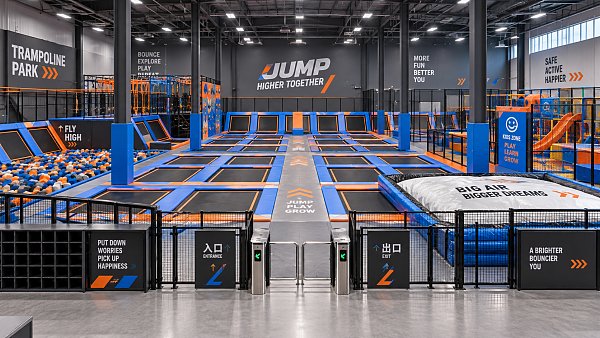
 Sep 27, 2026Custom Trampoline Park Equipment: Planning Capacity, Safety, and LayoutCustom trampoline park equipment for safer capacity, smooth guest flow, and efficient layouts. Explore practical planning insights for a high-performing park.● Theme Park Strategist
 Sep 26, 2026How to Choose Dynamic Microphones for Vocals in Live Stage SettingsDynamic microphones for vocals: learn how to match polar patterns, feedback control, durability, and clarity to live stage needs for reliable, professional sound.● Pro Audio Engineer
 Sep 25, 2026How to Evaluate a Wall-Mounted Hotel Hair Dryer Manufacturer for Bulk ProjectsHotel hair dryers wall mounted manufacturer evaluation guide: compare safety, durability, installation fit, OEM options, total cost, and reliable bulk-project support.● Hospitality Sourcing Dir
 Sep 24, 2026Conveyor Pizza Oven Price: What Buyers Should Budget for Capacity and FeaturesConveyor pizza oven price guide: compare capacity, features, installation costs, and quote factors to choose the right commercial oven for your operation.● Hospitality Sourcing Dir
 Sep 23, 2026How Restaurant Buyers Can Source Hospitality Supplies Without OverorderingHospitality supplies for restaurants: learn practical sourcing strategies to cut excess inventory, protect cash flow, improve supplier reliability, and keep every service running smoothly.● Hospitality Sourcing Dir
 Sep 22, 2026Commercial Kitchen Design Price: Budgeting by Layout, Equipment, and MEP ScopeCommercial kitchen design price explained: budget smarter for layout, equipment, MEP scope, compliance, installation, and long-term operational performance.● Hospitality Sourcing Dir
 Sep 21, 2026How Schools Can Cut Printing Costs When Buying Ink Cartridges in BulkSchool ink cartridges wholesale made smarter: cut printing costs with fleet planning, cost-per-page comparisons, reliable suppliers, and inventory controls.● Institutional Buyer
 Sep 20, 2026How to Evaluate a Luxury Retail Packaging Supplier for Premium Brand ConsistencyLuxury retail packaging supplier evaluation guide: protect premium brand consistency with proven quality control, material expertise, scalable production, and supply reliability.● Luxury Retail Analyst
 Sep 19, 2026How to Select a Spiral Dough Mixer for Bakery Batch Size and Dough HydrationSpiral dough mixer bakery guide: match batch size, flour load, and hydration to select reliable torque, temperature control, and consistent dough results.● Hospitality Sourcing Dir