2026 Xiamen Cross-Border E-Commerce Expo Opens June 8: Smart Indoor Playground Modules Drive Global Procurement
The 2026 Xiamen International Cross-Border E-Commerce Exhibition — scheduled for June 8–10 — opens on June 8, 2026, spotlighting evolving safety, digitalization, and compliance expectations for indoor recreational infrastructure in international markets.
Event Facts at a Glance
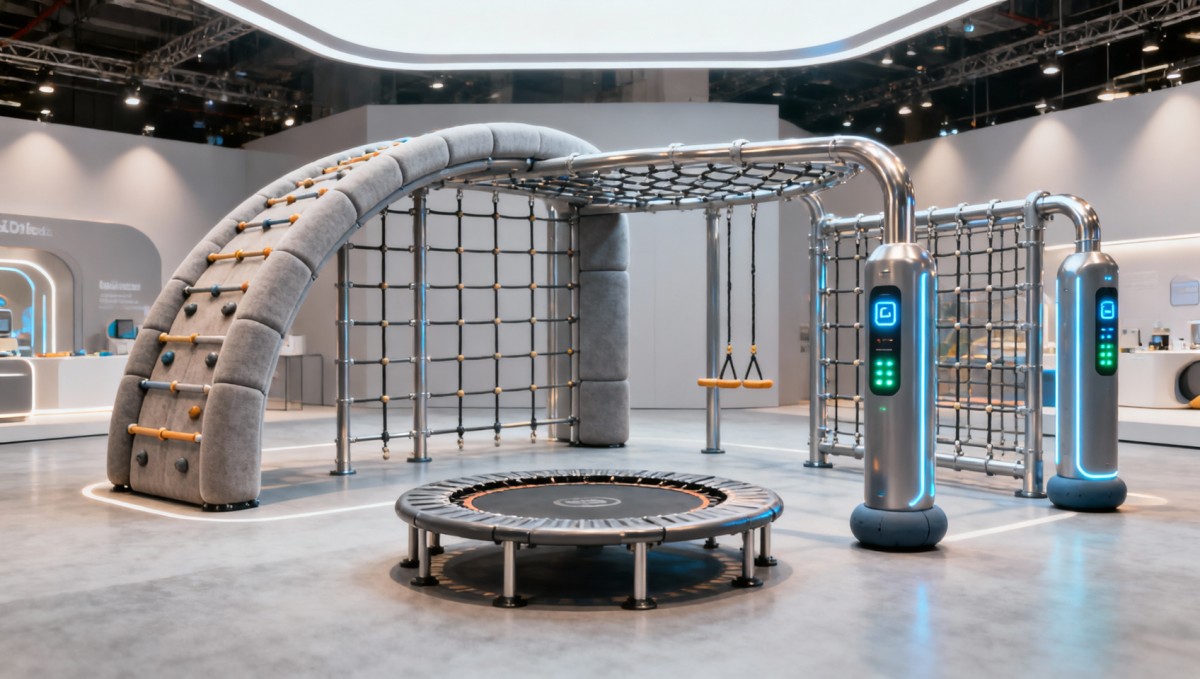
The sixth edition of the China (Xiamen) International Cross-Border E-Commerce Exhibition will be held from June 8 to 10, 2026. Organizers report a 41% year-on-year increase in registered overseas buyers. Purchasers from Europe, North America, and Southeast Asia — particularly operators of indoor play centers — are prioritizing the Indoor Playground smart sensing modules equipped with IoT-based health monitoring, AI-powered collision avoidance, and multilingual interactive capabilities. On opening day (June 8), the bilingual Global White Paper on Safety and Digitalization of Indoor Play Spaces (English and Chinese) will be officially launched.
Impact Across Industry Roles
Direct Exporters and Cross-Border E-Commerce Sellers
These enterprises face heightened demand for certified, interoperable smart modules aligned with regional safety and data privacy expectations. The surge in registrations signals accelerated procurement cycles — requiring faster response times for quotations, technical documentation, and compliance verification (e.g., CE marking, FCC, ASEAN MRA alignment).
Raw Material and Component Suppliers
Suppliers of sensors, edge-computing units, low-power wireless modules, and biometric interfaces may experience increased order volume — but only if their components meet traceability, environmental resilience (e.g., EN 1176/1177 compliance for playground hardware), and firmware security benchmarks referenced in the upcoming white paper.
Manufacturers of Integrated Playground Systems
System integrators must now validate not only mechanical durability but also real-time AI inference latency, cross-platform language support (especially English, German, French, Bahasa, Thai), and GDPR/PIPL-compliant health data handling — all of which influence product certification pathways and time-to-market.
Logistics and Compliance Support Providers
Third-party testing labs, certification consultants, and customs advisory services are seeing rising requests for pre-shipment conformity assessments — particularly for dual-language labeling, embedded software version control, and cybersecurity documentation required by EU and ASEAN importers.
Key Priorities for Enterprises Preparing for the Expo
Review Certification Alignment Against Emerging Safety-Digital Benchmarks
The upcoming white paper is expected to consolidate baseline requirements for sensor-enabled play equipment — including minimum detection accuracy for AI collision systems and data retention limits for biometric health metrics. Firms should audit existing certifications against these anticipated criteria before June 8.
Validate Multilingual UI/UX and Localization Readiness
Overseas operators emphasize seamless multilingual interaction — not just translation, but context-aware voice and display responses. Suppliers must ensure firmware supports dynamic language switching, region-specific safety alerts, and accessible font sizing — verified via third-party usability testing.
Prepare Technical Documentation for Tender and Procurement Processes
Buyers from regulated markets increasingly require full technical dossiers: schematics, firmware architecture diagrams, vulnerability assessment reports, and lifecycle validation data (e.g., 5-year sensor drift testing). Early preparation of ISO/IEC 27001-aligned documentation strengthens competitive positioning.
Strengthen Post-Sale Traceability and Remote Diagnostics Capability
Operators expect over-the-air update mechanisms, remote fault logging, and modular replacement protocols — all tied to unique device identifiers. Supply chain partners must implement serial-number-tracked component sourcing and cloud-integrated diagnostic dashboards.
Industry Observation: From Hardware-Centric to System-Compliance Markets
Analysis shows that procurement decisions for indoor play infrastructure are shifting from price- and aesthetics-driven criteria toward verifiable system-level compliance. What deserves closer attention is how the white paper’s framework — though non-binding — may inform future tender specifications across EU public recreation tenders and ASEAN private-sector RFPs. Observably, manufacturers who treat IoT modules as standalone add-ons risk misalignment; those integrating safety logic, data governance, and human-centered design into core product architecture gain measurable advantage. It is more appropriate to understand this as an acceleration of regulatory anticipation — where commercial readiness precedes formal standardization.
Toward a Safer, Smarter, and Interoperable Play Economy
This expo reflects a broader industry inflection: digital functionality is no longer optional in recreational infrastructure — it is a prerequisite for market access. The convergence of AI safety assurance, cross-border data governance, and multilingual user experience signals maturing global expectations. Stakeholders should treat the white paper not as a final standard, but as a strategic indicator of near-term compliance trajectories — especially for firms targeting high-growth urban leisure markets in Europe and Southeast Asia.
Source Information and Verification Notes
This article synthesizes the provided title, event date (June 8, 2026), and summary description. Specific official source links were not provided in the input and should be verified continuously. Further observation is warranted regarding the final scope and implementation guidance within the Global White Paper on Safety and Digitalization of Indoor Play Spaces, national regulatory interpretations (e.g., EU Machinery Regulation Annex I updates), certification body announcements, and post-expo buyer feedback on technical evaluation criteria.
Search News
Hot Articles
- Fashion & Gem JewelryHow to Choose Designer Eyewear That Fits Your Store’s Customer ProfileOct 12, 2026
- Musical InstrumentsA Practical Guide to Identifying Wooden Orchestral Instruments by Family and ToneOct 10, 2026
- Indoor PlaygroundHow to Choose Animatronic Haunted House Props for High-Throughput AttractionsOct 08, 2026
Popular Tags
Need ExpertConsultation?
Connect with our specialized leisureengineering team for procurementstrategies.
Recommended News
 Oct 12, 2026How to Choose Designer Eyewear That Fits Your Store’s Customer ProfileDesigner eyewear buying guide for retailers: match frames, price points, brand appeal, fit, and supplier support to your store’s customer profile for stronger sales.● Luxury Retail Analyst
 Oct 10, 2026A Practical Guide to Identifying Wooden Orchestral Instruments by Family and ToneWooden orchestral instruments made simple: identify strings, flutes, clarinets, oboes, and bassoons by sound source, design, and tone.● Pro Audio Engineer
 Oct 08, 2026How to Choose Animatronic Haunted House Props for High-Throughput AttractionsAnimatronic haunted house props for high-throughput attractions: compare motion, triggers, safety, and maintenance to create reliable scares that keep guests moving.● Theme Park Strategist
 Oct 07, 2026Thermal Diamond Testers: How They Work and When They Can Misidentify StonesThermal diamond tester guide: learn how it works, spot false positives from moissanite, and choose reliable verification methods for jewelry trade and retail.● Luxury Retail Analyst
 Oct 06, 2026What Is Driving Demand for Commercial Hospitality Projects Across the GCC?Commercial hospitality GCC demand is rising through destination-led tourism, mixed-use development, and premium operational standards. Explore the procurement strategies shaping resilient projects.● Hospitality Sourcing Dir
 Oct 05, 2026How to Select Hotel Hair Dryers That Balance Guest Safety, Durability, and CostHair dryer for hotels: learn how to select safe, durable, cost-efficient models with the right certifications, performance, maintenance, and supplier support.● Hospitality Sourcing Dir
 Oct 04, 2026Fast-Casual Restaurant Interiors: Design Choices That Improve Speed and Guest FlowRestaurant interiors for fast casual brands: discover design choices that improve guest flow, speed service, streamline pickup, and elevate every visit.● Hospitality Sourcing Dir
 Oct 03, 2026How to Select Leisure Park Equipment for Safe, High-Throughput Visitor AreasLeisure park equipment selection guide for safe, high-throughput venues—explore capacity, supervision, durability, accessibility, and supplier criteria.● Theme Park Strategist
 Oct 02, 2026Diamond Tester Wholesale: How to Vet Accuracy, Calibration, and MOQ Before OrderingDiamond tester wholesale guide: verify accuracy, calibration records, supplier quality controls, and MOQ terms before ordering. Source reliable testers with confidence.● Luxury Retail Analyst
 Oct 01, 2026How Hotels Can Choose Amenity Bottles That Balance Brand Image and Refill CostsHotel amenity bottles: learn how to balance premium brand presentation, refill costs, hygiene, durability, and efficient housekeeping workflows.● Hospitality Sourcing Dir
 Sep 30, 2026How to Choose an Aluminum Projector Ceiling Mount for Load, Drop, and Ceiling TypeChoose an aluminum projector ceiling mount with confidence. Learn how load capacity, drop length, ceiling structure, safety retention, and service access shape a reliable commercial AV installation.● Pro Audio Engineer
 Sep 29, 2026Poured Playground Safety Surfacing: How to Specify Thickness for Fall HeightsPoured playground safety surfacing: learn how to specify tested thickness by fall height, ASTM standards, substrate conditions, accessibility, and field verification.● Theme Park Strategist
 Sep 28, 2026How U.S. Schools Can Choose Laboratory Equipment for Safe, Compliant Science LabsSchool laboratory equipment USA: learn how to select safe, compliant lab furniture, ventilation, emergency systems, and durable tools for K–12 science labs.● Institutional Buyer
 Sep 27, 2026Custom Trampoline Park Equipment: Planning Capacity, Safety, and LayoutCustom trampoline park equipment for safer capacity, smooth guest flow, and efficient layouts. Explore practical planning insights for a high-performing park.● Theme Park Strategist
 Sep 26, 2026How to Choose Dynamic Microphones for Vocals in Live Stage SettingsDynamic microphones for vocals: learn how to match polar patterns, feedback control, durability, and clarity to live stage needs for reliable, professional sound.● Pro Audio Engineer
 Sep 25, 2026How to Evaluate a Wall-Mounted Hotel Hair Dryer Manufacturer for Bulk ProjectsHotel hair dryers wall mounted manufacturer evaluation guide: compare safety, durability, installation fit, OEM options, total cost, and reliable bulk-project support.● Hospitality Sourcing Dir
 Sep 24, 2026Conveyor Pizza Oven Price: What Buyers Should Budget for Capacity and FeaturesConveyor pizza oven price guide: compare capacity, features, installation costs, and quote factors to choose the right commercial oven for your operation.● Hospitality Sourcing Dir
 Sep 23, 2026How Restaurant Buyers Can Source Hospitality Supplies Without OverorderingHospitality supplies for restaurants: learn practical sourcing strategies to cut excess inventory, protect cash flow, improve supplier reliability, and keep every service running smoothly.● Hospitality Sourcing Dir
 Sep 22, 2026Commercial Kitchen Design Price: Budgeting by Layout, Equipment, and MEP ScopeCommercial kitchen design price explained: budget smarter for layout, equipment, MEP scope, compliance, installation, and long-term operational performance.● Hospitality Sourcing Dir
 Sep 21, 2026How Schools Can Cut Printing Costs When Buying Ink Cartridges in BulkSchool ink cartridges wholesale made smarter: cut printing costs with fleet planning, cost-per-page comparisons, reliable suppliers, and inventory controls.● Institutional Buyer
 Sep 20, 2026How to Evaluate a Luxury Retail Packaging Supplier for Premium Brand ConsistencyLuxury retail packaging supplier evaluation guide: protect premium brand consistency with proven quality control, material expertise, scalable production, and supply reliability.● Luxury Retail Analyst
 Sep 19, 2026How to Select a Spiral Dough Mixer for Bakery Batch Size and Dough HydrationSpiral dough mixer bakery guide: match batch size, flour load, and hydration to select reliable torque, temperature control, and consistent dough results.● Hospitality Sourcing Dir
 Sep 18, 2026What Drives Animatronic Dinosaur Manufacturer Prices for Theme Park Projects?Animatronic dinosaurs manufacturer price guide: compare motion, materials, controls, installation, and lifecycle costs to plan a durable theme park attraction.● Theme Park Strategist
 Sep 17, 2026How to Source Wholesale Packing Tape Without Compromising Carton Seal StrengthWholesale packing tape sourcing guide: compare adhesive, backing, carton conditions, and real-world trials to reduce costs while maintaining reliable carton seal strength.● Institutional Buyer