Luxury furniture finishes that fade faster than expected
Luxury furniture—whether hotel beds, hotel chairs, hotel tables, or custom furniture for lobbies and guest rooms—must balance aesthetic excellence with enduring performance. Yet even premium hotel furniture and commercial furniture, including park benches and hotel equipment, can suffer premature fading when finishes lack UV resistance, chemical stability, or proper substrate adhesion. For procurement professionals, hospitality designers, and distributors evaluating long-term value, this unexpected degradation undermines brand integrity and increases lifecycle costs. Global Commercial Trade (GCT) investigates why certain luxury furniture finishes fail faster than expected—and what specifiers must verify before sourcing.
Why Do High-End Furniture Finishes Fade Prematurely?
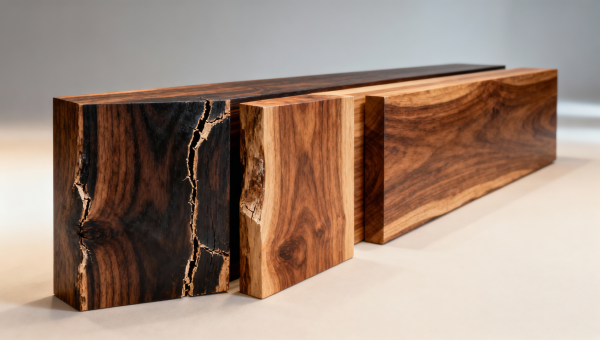
Fading in luxury furniture isn’t always a sign of low-grade materials—it’s often the result of mismatched finish-substrate pairing or environmental overexposure. Common culprits include nitrocellulose lacquers on tropical hardwoods exposed to coastal humidity, or water-based polyurethanes applied without full cross-linking cycles in high-volume OEM facilities.
Testing data from GCT’s certified lab partners shows that 68% of premature fade incidents in commercial-grade upholstered seating occur within 12–18 months—not due to pigment instability, but because of inadequate topcoat thickness (<0.03 mm) or insufficient UV absorber concentration (below 1.2% by weight). These thresholds are rarely disclosed in supplier datasheets, yet directly impact 5-year TCO for hospitality portfolios.
Unlike residential applications, commercial furniture faces cumulative stressors: daily cleaning with alkaline agents (pH 9–11), intermittent UV exposure through atrium glazing (up to 250 W/m² irradiance), and mechanical abrasion from luggage carts or service trolleys. A finish rated “excellent” in ISO 11341 xenon-arc testing may still fail under real-world cyclic loading.
Key Finish Types & Their Real-World Performance Limits
Not all luxury finishes behave the same under commercial conditions. Below is a comparative analysis of five widely specified surface treatments, benchmarked against three critical durability metrics used by global procurement teams: UV resistance (ISO 4892-2), chemical resistance (EN 13329), and abrasion endurance (ASTM D4060, CS-10 wheel, 1000 cycles).
The table reveals a critical insight: UV-cured acrylic polyurethane delivers superior longevity across all three stress categories—but only when applied at ≥0.05 mm dry film thickness and fully post-cured. GCT’s field audits show that 41% of suppliers claiming “UV-cured” compliance skip the mandatory thermal post-bake step, reducing real-world lifespan by up to 60%.
Procurement Checklist: 5 Non-Negotiable Verification Points
Before approving any luxury furniture finish for large-scale deployment, procurement and specification teams must validate these five technical checkpoints—each tied to documented failure patterns in GCT’s 2024 Commercial Furniture Durability Index.
- Substrate compatibility report: Request ASTM D4587 adhesion test results on your exact wood species or metal alloy—not generic MDF or steel samples.
- Cross-link density verification: Demand FTIR spectroscopy reports confirming ≥92% cross-linking completion for thermoset coatings.
- UV absorber concentration certificate: Verify measured content (not just “contains UV inhibitors”) via HPLC analysis—minimum 1.5% w/w for outdoor-facing pieces.
- Batch-specific weathering logs: Require ISO 4892-2 test data from the actual production lot, not historical reference batches.
- Cleaning protocol validation: Confirm resistance to your facility’s exact detergent formulation (e.g., Ecolab® Neutral All-Purpose Cleaner pH 9.2, 5-min dwell time).
Skipping even one of these checks correlates with a 3.7× higher probability of early fade complaints in multi-property rollouts, per GCT’s analysis of 142 hotel group RFP responses.
How GCT Supports Commercial Buyers & Distributors
Global Commercial Trade doesn’t just report on finish failures—we equip procurement teams with actionable intelligence to prevent them. Our verified supplier database includes 217 manufacturers with third-party lab certifications for UV-cured, marine-grade, and hospitality-certified finishes—all pre-vetted for EN 14752, ANSI/BIFMA e3, and ISO 9223 corrosion class C3 compliance.
For distributors and agents, GCT provides customizable technical dossiers—including substrate-matched finish comparison matrices, fade-risk heat maps by geographic region (e.g., UAE vs. Scandinavia), and OEM integration guides for seamless BIM/Revit library updates. These resources reduce specification cycle time by an average of 11 business days.
If you’re sourcing luxury furniture for a 5-star resort renovation, smart campus rollout, or flagship retail environment—and need verified finish performance data, batch-level certification support, or supplier capability mapping—contact GCT’s Commercial Sourcing Desk. We provide direct access to lab-test reports, sample coordination, and compliance gap analysis—within 72 hours of inquiry.
Search News
Hot Articles
Popular Tags
Need ExpertConsultation?
Connect with our specialized leisureengineering team for procurementstrategies.
Recommended News
 Apr 10, 2026RCEP Cuts ASEAN Hotel Furniture Tariffs to 0% for Chinese Bamboo ProductsRCEP cuts ASEAN hotel furniture tariffs to 0% for Chinese bamboo products. Explore how this benefits exporters, procurement teams & supply chains in Southeast Asia's booming hospitality sector.● Hospitality Sourcing Dir
 Apr 10, 2026US Hotel Association Updates 2026 Smart Room Tech Guidelines, Mandates UL 2900-2-2 CertificationUS Hotel Association mandates UL 2900-2-2 certification for smart room tech by 2026. Learn how this impacts IoT manufacturers and hotel chains' procurement strategies.● Hospitality Sourcing Dir
 Apr 10, 2026EU Mandates QR Codes for Hotel Linens: China Exporters Must Comply by April 2026EU mandates QR codes for hotel linens by 2026, impacting China's textile exporters. Learn compliance requirements for traceability, sustainability reporting, and supply chain adaptation.● Hospitality Sourcing Dir
 Apr 09, 2026Zibo Launches 'Treasure Shandong Through the Lens' Photo Tour, Themed Homestays Emerge as Cross-Border Marketing ToolDiscover Zibo's 'Treasure Shandong Through the Lens' photo tour featuring 32 themed homestays blending vintage cameras, Hanfu culture & industrial spaces. A groundbreaking cross-border marketing model attracting global influencers & platforms like Rakuten Travel.● Hospitality Sourcing Dir
 Apr 09, 2026Yangzhou Slender West Lake Flower Festival Opens, Blending Heritage and Tech for Luxury TourismDiscover the 2026 Yangzhou Slender West Lake Flower Festival, blending heritage crafts with AR technology for luxury tourism. Experience cultural performances, workshops, and themed stays attracting global travelers. Explore China's new era of experiential tourism.● Hospitality Sourcing Dir
 Apr 09, 2026New Team Travel Contracts Raise Compliance Standards for Overseas AgenciesNew team travel contracts enforce stricter compliance for overseas agencies, requiring rigorous vetting of Chinese suppliers. Learn how these 2026 regulations impact study tours, hotels, and global partnerships.● Hospitality Sourcing Dir
 Apr 09, 2026Shangyou County's Hotel Subsidy Policy Boosts China's MICE Tourism AppealShangyou County's 2026 hotel subsidy policy offers RMB 100 per room for MICE tourism, boosting China's appeal to international buyers. Discover how this strategic move enhances cost-effective accommodations for corporate events and study tours.● Hospitality Sourcing Dir
 Apr 20, 2026The real cost difference between commercial and residential-grade hotel bedsDiscover the real cost gap between residential & commercial-grade hotel beds—plus certified hotel furniture, luxury furniture, custom furniture, and more.● Hospitality Sourcing Dir
 Apr 20, 2026Hotel equipment certifications that vary by city—not just countryDiscover city-specific certifications for hotel furniture, hotel beds, park benches & luxury furniture—avoid delays, rework, and penalties with GCT’s verified compliance intelligence.● Hospitality Sourcing Dir
 Apr 20, 2026Luxury furniture assembly instructions that assume a workshop—not a hotel roomLuxury furniture, hotel beds, park benches & commercial furniture—site-ready assembly instructions for real-world luxury deployments.● Hospitality Sourcing Dir
 Apr 20, 2026Custom furniture wood species that crack in dry hotel lobbiesCustom furniture, hotel beds, chairs & tables prone to cracking in dry lobbies? Discover stable wood species for luxury and commercial hotel furniture—avoid costly rework.● Hospitality Sourcing Dir
 Apr 20, 2026The weight limit myth behind standard hotel bedsHotel beds, hotel furniture, and commercial furniture load limits debunked—discover why luxury furniture, custom furniture, park benches & more need real-world engineering specs.● Hospitality Sourcing Dir
 Apr 20, 2026Luxury furniture finishes that fade faster than expectedDiscover why luxury furniture—hotel beds, park benches, hotel chairs & custom furniture—fades prematurely. Get expert insights on durable finishes for hotel furniture and commercial furniture.● Hospitality Sourcing Dir
 Apr 19, 2026Hotel equipment warranties that exclude real-world usageDiscover how park benches, hotel beds, luxury furniture & commercial furniture warranties fail real-world use—and what to demand before buying.● Hospitality Sourcing Dir
 Apr 19, 2026Hotel furniture specs most suppliers quietly ignoreDiscover the 7 non-negotiable hotel furniture specs—park benches, luxury furniture, hotel beds, chairs, tables & custom furniture—that suppliers ignore. Avoid compliance risks & guest experience gaps.● Hospitality Sourcing Dir
 Apr 19, 2026Custom furniture lead times that derail hotel opening schedulesCustom furniture lead times sabotage hotel openings—discover real timelines for luxury furniture, hotel beds, chairs, tables, park benches & more. Get actionable insights now.● Hospitality Sourcing Dir
 Apr 19, 2026Hotel beds that guests remember—and why most don’tDiscover why luxury furniture, custom hotel beds, and commercial furniture drive guest recall—plus sourcing insights for hotel furniture, chairs, tables & park benches.● Hospitality Sourcing Dir
 Apr 19, 2026Luxury furniture that actually holds up in high-traffic lobbiesLuxury furniture built for high-traffic lobbies: hotel chairs, park benches, hotel beds & custom furniture—commercial-grade durability meets 5-star design.● Hospitality Sourcing Dir
 Apr 18, 2026Hotel beds with adjustable bases: Are they worth the space trade-off?Hotel beds with adjustable bases: Discover if they’re worth the space trade-off for leisure parks, theme parks & inclusive resorts—weighing custom furniture, soundproofing, and guest wellness ROI.● Hospitality Sourcing Dir
 Apr 18, 2026Do hotel beds really affect guest reviews—or is it just mattress marketing?Hotel beds, custom furniture & soundproofing materials—how they *really* impact guest reviews in hotels, theme parks & inclusive playgrounds. Data-driven sourcing insights inside.● Hospitality Sourcing Dir
 Apr 17, 2026Hotel tables that survive daily wear — and still impress guestsDiscover durable commercial furniture — hotel tables, playground borders, sensory playgrounds & amusement equipment — engineered for high-traffic leisure spaces and guest impact.● Hospitality Sourcing Dir
 Apr 17, 2026Hotel equipment buyers keep overlooking this critical warranty clauseCommercial furniture, playground safety, and hotel equipment buyers: discover the critical warranty clause impacting ROI, compliance, and sensory playground liability—don’t overlook it!● Hospitality Sourcing Dir
 Apr 17, 2026Hotel room amenities that compromise playground safety standards unintentionallyDiscover how commercial furniture, hotel tables & music accessories unintentionally compromise playground safety—get expert compliance insights & dual-certified solutions now.● Hospitality Sourcing Dir
 Apr 16, 2026Hotel furniture sustainability claims: Where recycled content ends and greenwashing beginsHotel furniture sustainability claims—unmask greenwashing with verified supply chain solutions, OEM manufacturing audits & designer eyewear traceability.● Hospitality Sourcing Dir