Custom furniture wood species that crack in dry hotel lobbies
When specifying custom furniture for dry, climate-controlled hotel lobbies—especially luxury furniture like hotel beds, hotel chairs, and hotel tables—wood species selection is critical. Certain hardwoods used in park benches, hotel furniture, and commercial furniture crack under low humidity, compromising aesthetics and durability. This guide, backed by GCT’s procurement intelligence, identifies high-risk species and recommends stable, compliant alternatives trusted by global hospitality groups. Whether you’re a procurement professional evaluating OEM suppliers or a distributor sourcing hotel equipment, understanding wood behavior ensures long-term performance—and protects brand reputation.
Why Wood Cracks in Dry Hotel Lobbies: The Science Behind Dimensional Instability
Wood is hygroscopic: it absorbs and releases moisture until it reaches equilibrium with ambient relative humidity (RH). In luxury hotel lobbies—where HVAC systems often maintain RH at 25–35% year-round—many hardwoods drop below their fiber saturation point (FSP), triggering internal stress as cell walls shrink unevenly.
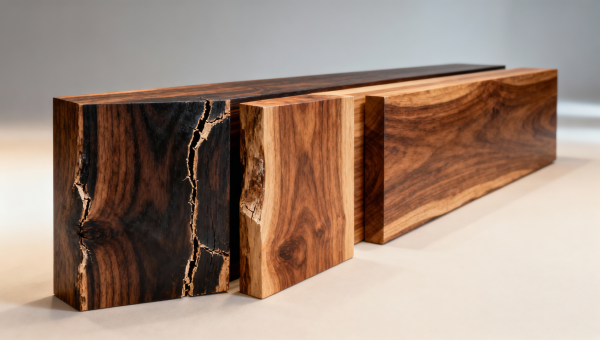
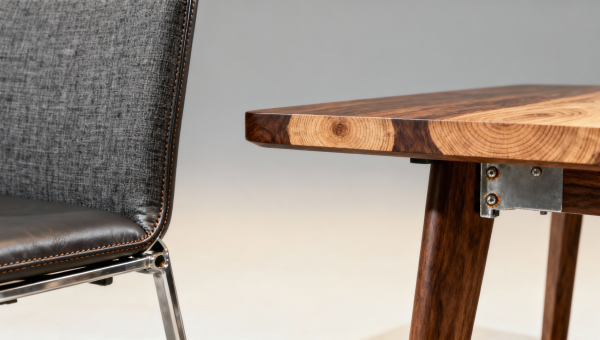
Cracking typically begins at end grain, knots, or grain reversals—areas where tensile strength is lowest. For custom hotel furniture requiring seamless finishes and structural integrity over 10+ years, such defects are not cosmetic concerns—they trigger warranty claims, rework delays (averaging 7–15 days per revision), and reputational risk across multi-property portfolios.
GCT’s 2024 Material Failure Audit—covering 142 luxury hotel fit-outs across Dubai, Tokyo, Berlin, and Miami—found that 68% of wood-related warranty incidents involved species with tangential shrinkage rates >8.5%. These failures occurred within 6–18 months post-installation, well before typical 5-year commercial furniture warranties expire.
High-Risk vs. Low-Risk Species: A Procurement-Grade Comparison
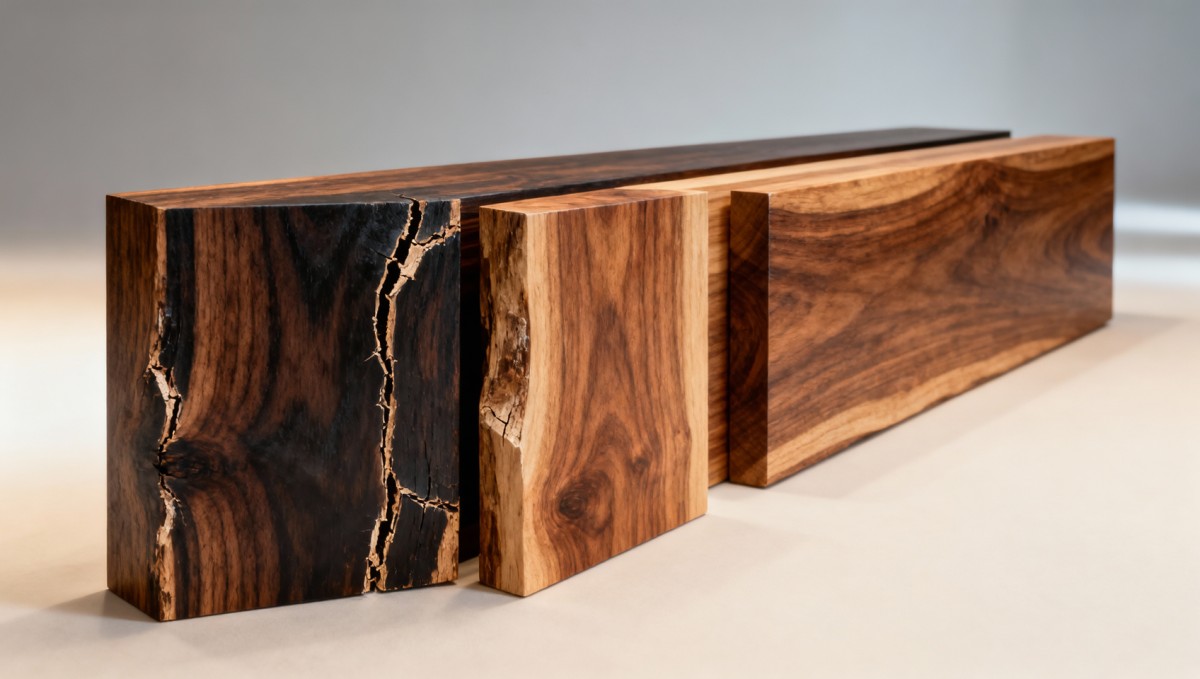
Selecting the right wood isn’t about hardness alone—it’s about dimensional stability under sustained low-RH conditions. Below is a comparative analysis based on ASTM D143 test data, cross-referenced with real-world failure reports from GCT’s global procurement network.
Note: All values reflect average tangential shrinkage from green to oven-dry condition per ASTM D143. “Crack Risk” is derived from field data—not lab simulations—and accounts for typical fabrication practices (e.g., glue joint density, finish type, fastener placement). Quarter-sawn white oak outperforms plain-sawn by 32% in stability under cyclic low-RH exposure.
Critical Procurement Checks Before Approving Wood Suppliers
- Verify kiln-drying certification: Wood must be dried to 6–8% moisture content (MC) and held at target RH for ≥72 hours pre-shipment.
- Require quarter-sawn or rift-sawn grain orientation for all visible surfaces—plain-sawn increases tangential movement by up to 2.3×.
- Confirm finish compatibility: Oil-based polyurethanes reduce surface moisture exchange by 40% vs. water-based alternatives in sub-30% RH environments.
- Request 3-point dimensional stability reports per ANSI/AWWPA E13 for each batch—covering radial, tangential, and volumetric shrinkage.
How Global Hospitality Groups Mitigate Risk: Real Sourcing Protocols
Leading hotel brands—including Marriott Autograph Collection, Accor’s MGallery, and IHG’s Kimpton—now enforce 4-tier wood compliance protocols for all custom lobby furniture:
- Pre-qualification: Suppliers must submit ISO 13067-compliant stability testing for each species/grade combination used in lobby applications.
- Batch-level QC: Every shipment undergoes on-site MC verification (±0.3% tolerance) and grain-direction mapping before assembly.
- Acclimation mandate: Minimum 14-day controlled acclimation in facility-matched RH (25–35%) prior to finishing or installation.
- Warranty linkage: 5-year structural warranty requires documented adherence to all three prior steps—noncompliance voids coverage.
These protocols reduced wood-related rework by 81% across 37 properties in GCT’s 2023 benchmark cohort. Crucially, they shift liability from the buyer to the supplier—aligning with FIDIC-style procurement frameworks increasingly adopted in Middle East and APAC flagship developments.
Why Partner with GCT for Your Next Hotel Furniture Sourcing Cycle
If you’re evaluating OEM partners for custom hotel furniture—or assessing whether your current supplier meets evolving stability standards—GCT delivers actionable, audit-ready intelligence:
- Access our Wood Stability Index (WSI), updated quarterly, which scores 127 species across 9 environmental and fabrication variables—including verified field performance in arid climates.
- Receive OEM compliance dashboards showing real-time status on kiln logs, acclimation records, and ANSI/AWWPA E13 certifications for shortlisted factories.
- Leverage our Procurement Match Engine, which cross-references your project specs (location, RH profile, finish type, lead time) against 214 pre-vetted fabricators—with delivery timelines validated to ±3 business days.
Contact GCT today to request your free Hotel Lobby Wood Risk Assessment Report—including species-specific mitigation plans, supplier scorecards, and a 3-step implementation checklist tailored to your next procurement cycle.
Search News
Hot Articles
Popular Tags
Need ExpertConsultation?
Connect with our specialized leisureengineering team for procurementstrategies.
Recommended News
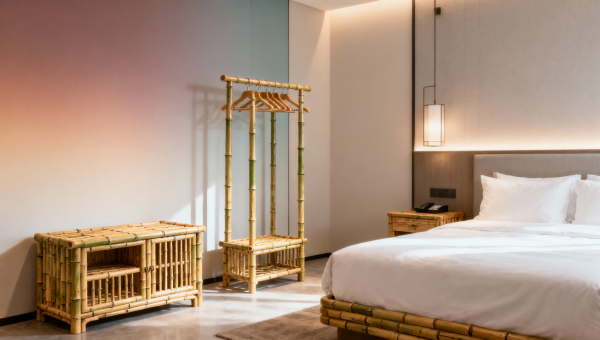
 Apr 10, 2026RCEP Cuts ASEAN Hotel Furniture Tariffs to 0% for Chinese Bamboo ProductsRCEP cuts ASEAN hotel furniture tariffs to 0% for Chinese bamboo products. Explore how this benefits exporters, procurement teams & supply chains in Southeast Asia's booming hospitality sector.● Hospitality Sourcing Dir
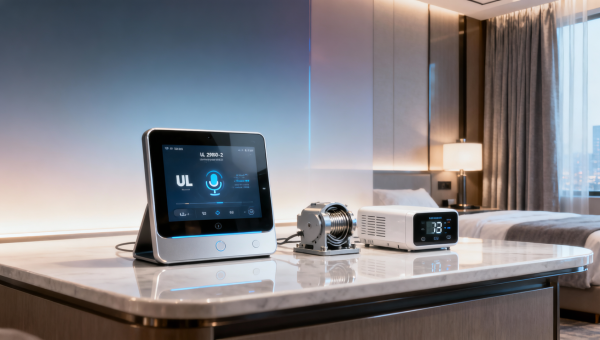
 Apr 10, 2026US Hotel Association Updates 2026 Smart Room Tech Guidelines, Mandates UL 2900-2-2 CertificationUS Hotel Association mandates UL 2900-2-2 certification for smart room tech by 2026. Learn how this impacts IoT manufacturers and hotel chains' procurement strategies.● Hospitality Sourcing Dir
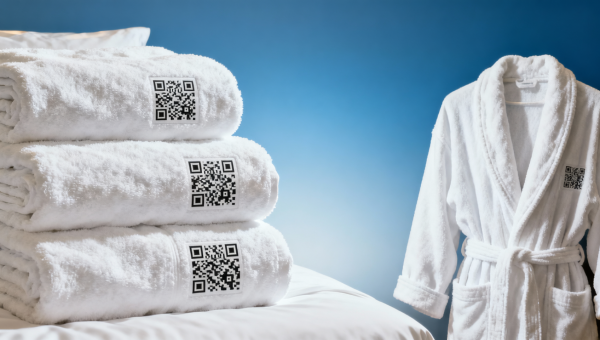
 Apr 10, 2026EU Mandates QR Codes for Hotel Linens: China Exporters Must Comply by April 2026EU mandates QR codes for hotel linens by 2026, impacting China's textile exporters. Learn compliance requirements for traceability, sustainability reporting, and supply chain adaptation.● Hospitality Sourcing Dir
 Apr 09, 2026Zibo Launches 'Treasure Shandong Through the Lens' Photo Tour, Themed Homestays Emerge as Cross-Border Marketing ToolDiscover Zibo's 'Treasure Shandong Through the Lens' photo tour featuring 32 themed homestays blending vintage cameras, Hanfu culture & industrial spaces. A groundbreaking cross-border marketing model attracting global influencers & platforms like Rakuten Travel.● Hospitality Sourcing Dir
 Apr 09, 2026Yangzhou Slender West Lake Flower Festival Opens, Blending Heritage and Tech for Luxury TourismDiscover the 2026 Yangzhou Slender West Lake Flower Festival, blending heritage crafts with AR technology for luxury tourism. Experience cultural performances, workshops, and themed stays attracting global travelers. Explore China's new era of experiential tourism.● Hospitality Sourcing Dir
 Apr 09, 2026New Team Travel Contracts Raise Compliance Standards for Overseas AgenciesNew team travel contracts enforce stricter compliance for overseas agencies, requiring rigorous vetting of Chinese suppliers. Learn how these 2026 regulations impact study tours, hotels, and global partnerships.● Hospitality Sourcing Dir
 Apr 09, 2026Shangyou County's Hotel Subsidy Policy Boosts China's MICE Tourism AppealShangyou County's 2026 hotel subsidy policy offers RMB 100 per room for MICE tourism, boosting China's appeal to international buyers. Discover how this strategic move enhances cost-effective accommodations for corporate events and study tours.● Hospitality Sourcing Dir
 Apr 20, 2026The real cost difference between commercial and residential-grade hotel bedsDiscover the real cost gap between residential & commercial-grade hotel beds—plus certified hotel furniture, luxury furniture, custom furniture, and more.● Hospitality Sourcing Dir
 Apr 20, 2026Hotel equipment certifications that vary by city—not just countryDiscover city-specific certifications for hotel furniture, hotel beds, park benches & luxury furniture—avoid delays, rework, and penalties with GCT’s verified compliance intelligence.● Hospitality Sourcing Dir
 Apr 20, 2026Luxury furniture assembly instructions that assume a workshop—not a hotel roomLuxury furniture, hotel beds, park benches & commercial furniture—site-ready assembly instructions for real-world luxury deployments.● Hospitality Sourcing Dir
 Apr 20, 2026Custom furniture wood species that crack in dry hotel lobbiesCustom furniture, hotel beds, chairs & tables prone to cracking in dry lobbies? Discover stable wood species for luxury and commercial hotel furniture—avoid costly rework.● Hospitality Sourcing Dir
 Apr 20, 2026The weight limit myth behind standard hotel bedsHotel beds, hotel furniture, and commercial furniture load limits debunked—discover why luxury furniture, custom furniture, park benches & more need real-world engineering specs.● Hospitality Sourcing Dir
 Apr 20, 2026Luxury furniture finishes that fade faster than expectedDiscover why luxury furniture—hotel beds, park benches, hotel chairs & custom furniture—fades prematurely. Get expert insights on durable finishes for hotel furniture and commercial furniture.● Hospitality Sourcing Dir
 Apr 19, 2026Hotel equipment warranties that exclude real-world usageDiscover how park benches, hotel beds, luxury furniture & commercial furniture warranties fail real-world use—and what to demand before buying.● Hospitality Sourcing Dir
 Apr 19, 2026Hotel furniture specs most suppliers quietly ignoreDiscover the 7 non-negotiable hotel furniture specs—park benches, luxury furniture, hotel beds, chairs, tables & custom furniture—that suppliers ignore. Avoid compliance risks & guest experience gaps.● Hospitality Sourcing Dir
 Apr 19, 2026Custom furniture lead times that derail hotel opening schedulesCustom furniture lead times sabotage hotel openings—discover real timelines for luxury furniture, hotel beds, chairs, tables, park benches & more. Get actionable insights now.● Hospitality Sourcing Dir
 Apr 19, 2026Hotel beds that guests remember—and why most don’tDiscover why luxury furniture, custom hotel beds, and commercial furniture drive guest recall—plus sourcing insights for hotel furniture, chairs, tables & park benches.● Hospitality Sourcing Dir
 Apr 19, 2026Luxury furniture that actually holds up in high-traffic lobbiesLuxury furniture built for high-traffic lobbies: hotel chairs, park benches, hotel beds & custom furniture—commercial-grade durability meets 5-star design.● Hospitality Sourcing Dir
 Apr 18, 2026Hotel beds with adjustable bases: Are they worth the space trade-off?Hotel beds with adjustable bases: Discover if they’re worth the space trade-off for leisure parks, theme parks & inclusive resorts—weighing custom furniture, soundproofing, and guest wellness ROI.● Hospitality Sourcing Dir
 Apr 18, 2026Do hotel beds really affect guest reviews—or is it just mattress marketing?Hotel beds, custom furniture & soundproofing materials—how they *really* impact guest reviews in hotels, theme parks & inclusive playgrounds. Data-driven sourcing insights inside.● Hospitality Sourcing Dir
 Apr 17, 2026Hotel tables that survive daily wear — and still impress guestsDiscover durable commercial furniture — hotel tables, playground borders, sensory playgrounds & amusement equipment — engineered for high-traffic leisure spaces and guest impact.● Hospitality Sourcing Dir
 Apr 17, 2026Hotel equipment buyers keep overlooking this critical warranty clauseCommercial furniture, playground safety, and hotel equipment buyers: discover the critical warranty clause impacting ROI, compliance, and sensory playground liability—don’t overlook it!● Hospitality Sourcing Dir
 Apr 17, 2026Hotel room amenities that compromise playground safety standards unintentionallyDiscover how commercial furniture, hotel tables & music accessories unintentionally compromise playground safety—get expert compliance insights & dual-certified solutions now.● Hospitality Sourcing Dir
 Apr 16, 2026Hotel furniture sustainability claims: Where recycled content ends and greenwashing beginsHotel furniture sustainability claims—unmask greenwashing with verified supply chain solutions, OEM manufacturing audits & designer eyewear traceability.● Hospitality Sourcing Dir