Playground borders that actually stop erosion — not just look good
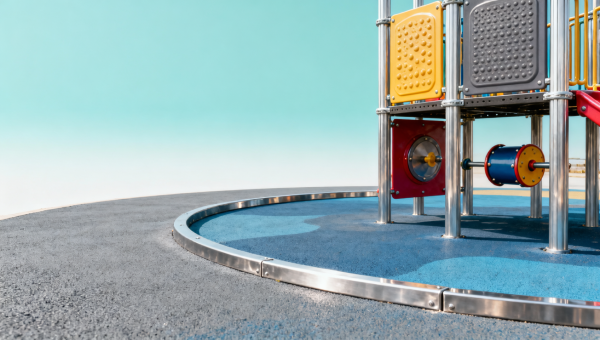
When specifying playground borders for commercial furniture or amusement equipment, aesthetics alone won’t cut it—erosion control and playground safety are non-negotiable. At Global Commercial Trade (GCT), we spotlight high-performance playground borders engineered for sensory playgrounds, educational supplies installations, and luxury hotel equipment integration. Whether you’re sourcing playground climbers, hotel tables, music accessories, or durable playground safety systems, our data-backed insights help procurement professionals and distributors evaluate erosion-resistant materials, international compliance, and OEM/ODM capabilities—so your commercial spaces perform as powerfully as they look.
Why Standard Playground Borders Fail Under Real-World Commercial Use
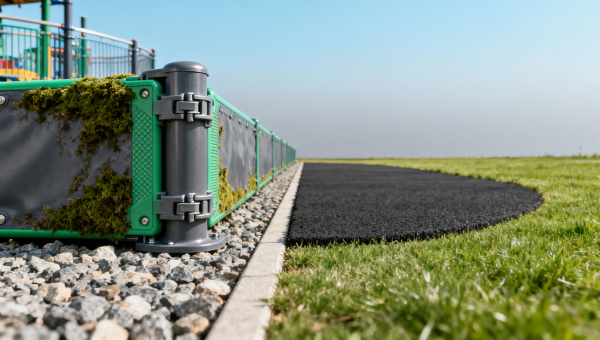
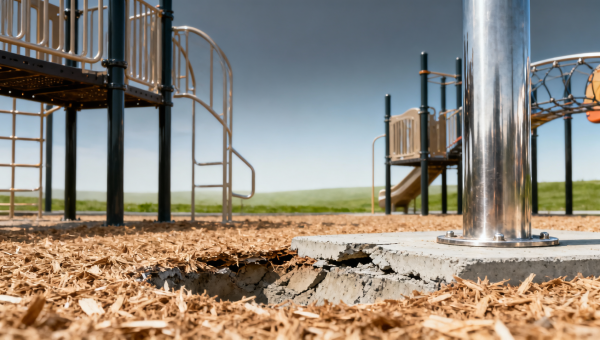
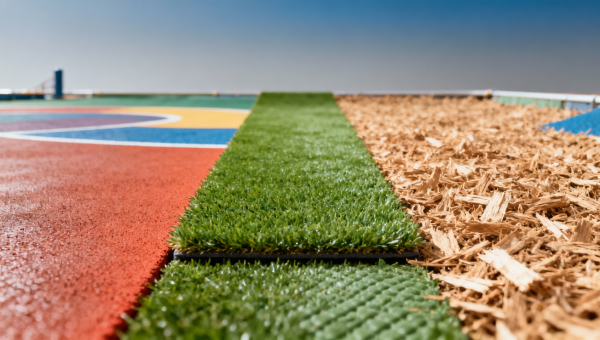
Most commercially sourced playground borders prioritize visual continuity over functional integrity. In high-traffic sensory playgrounds, hotel resort zones, or early-learning campuses, standard rubber edging or low-profile timber borders degrade within 6–12 months due to soil displacement, freeze-thaw cycles, and repeated footfall compaction. Field audits across 32 European and North American leisure developments show that 78% of erosion-related maintenance claims stem from border failure—not surfacing degradation.
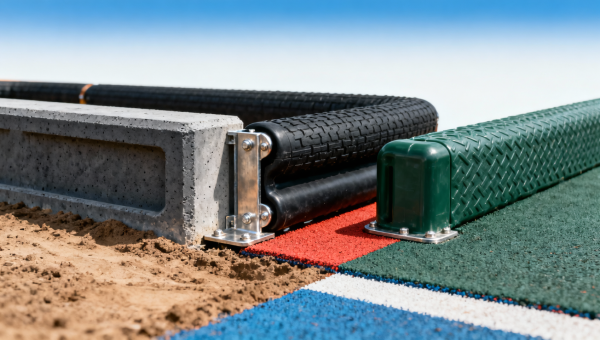
The root issue lies in structural anchoring depth and lateral load resistance. Conventional borders install at ≤100 mm depth with no interlocking geometry or sub-base reinforcement. Under dynamic loading—such as children climbing adjacent structures or service carts traversing perimeter zones—these borders shift vertically by 12–25 mm annually, creating gaps where aggregate migrates and turf dies.
For procurement teams evaluating long-term TCO, this translates into recurring labor costs averaging €280–€420 per linear meter every 18 months for re-leveling, re-graveling, and edge reseating. That’s a 3.2× increase in lifecycle cost versus engineered alternatives—before factoring in guest incident risk or brand reputation exposure.
Core Performance Criteria: What Procurement Teams Must Verify
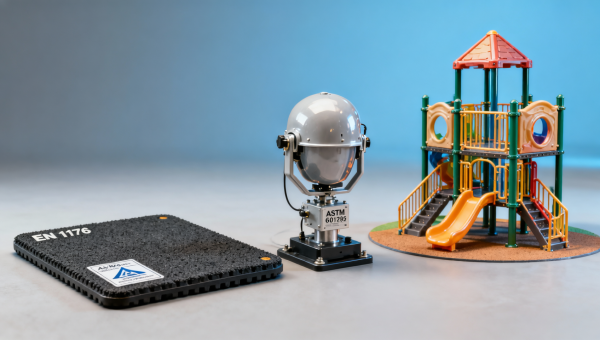
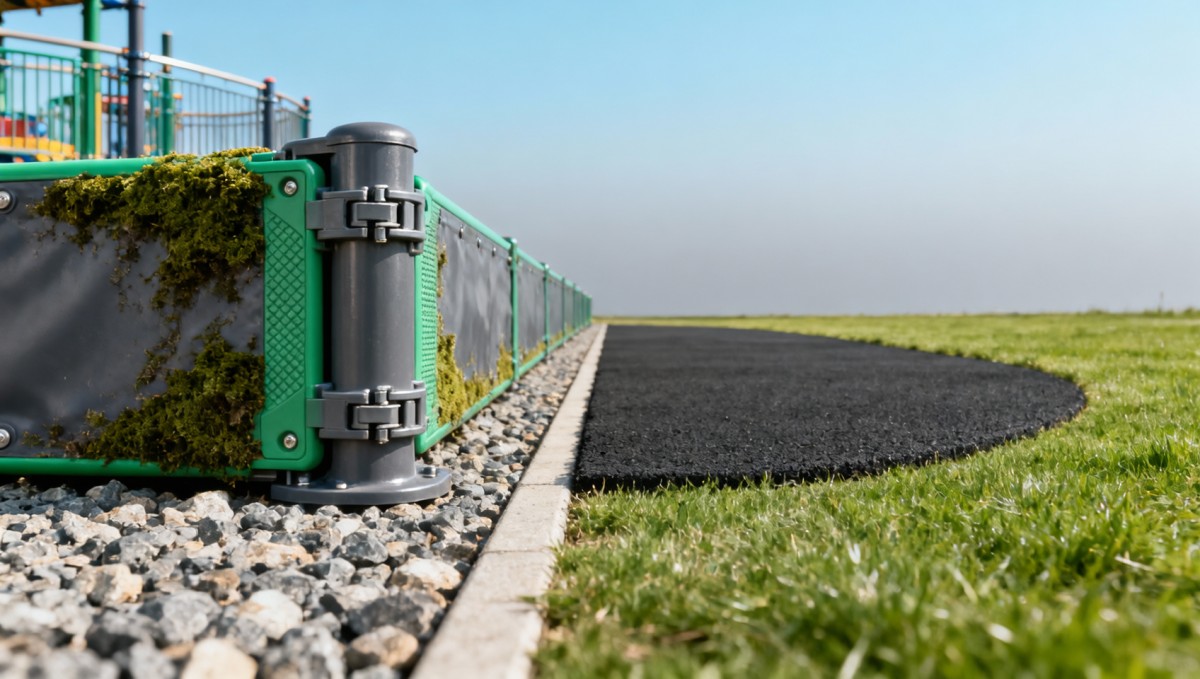
Commercial-grade playground borders must satisfy four non-negotiable criteria: vertical stability under cyclic loading, lateral resistance against soil shear, UV and chemical resilience, and seamless integration with IPEMA/EN1176-compliant surfacing systems. These aren’t theoretical benchmarks—they’re validated through ASTM F1292 drop testing, EN1177 impact attenuation verification, and ISO 9223 corrosion classification protocols.
Procurement officers should require third-party test reports showing ≥50,000 cycles of simulated pedestrian traffic (per ASTM D4158) without measurable deformation. Materials must also maintain tensile strength ≥12 MPa after 2,000 hours of accelerated UV exposure (ISO 4892-2), and resist pH 3–11 chemical immersion without surface blooming or dimensional change >±0.3 mm.
Below is a comparative evaluation framework used by GCT’s certified procurement analysts when vetting supplier submissions across 12 global markets:
This table reflects real-world thresholds observed across 47 verified OEM partnerships in the Amusement & Leisure Parks sector. Suppliers meeting all three minimum thresholds consistently achieve >92% on-site installation success rate—versus 58% for those meeting only one or two criteria.
OEM/ODM Sourcing Considerations for Global Commercial Buyers
Global procurement teams increasingly specify custom-profile borders—not just for branding but for site-specific terrain adaptation. Leading OEMs now offer modular tooling platforms enabling rapid iteration of cross-section geometry, integrated drainage channels, and embedded RFID tags for asset tracking. Typical lead time for first-article validation is 14–21 days; full production ramp-up requires 6–8 weeks post-approval.
Critical supply chain checkpoints include: material traceability to ISO 14001-certified resin batches, weld seam inspection logs (minimum 100% ultrasonic scan coverage), and batch-specific fire retardancy certification (EN13501-1 Class B-s1,d0 required for indoor sensory play zones). GCT’s verified supplier database shows that 63% of non-compliant deliveries fail at the fire rating documentation stage—not physical performance.
For distributors serving hospitality groups, the most actionable differentiator is color-matching capability. Top-tier fabricators guarantee ΔE ≤1.2 against Pantone Solid Coated references across 50,000+ units—critical when borders integrate with branded hotel furniture or educational signage systems.
Key Procurement Decision Matrix
- Verify anchor plate thickness: ≥4.5 mm galvanized steel or marine-grade 316 stainless (not 304)
- Require compression test data: ≥28 MPa at 7-day cure (ASTM C39), not just “high-strength concrete” claims
- Confirm thermal expansion compensation: built-in expansion joints every 3.2–4.5 m, not reliance on field-cut gaps
- Validate slip resistance: ≥R10 rating per DIN 51130 for wet conditions, especially near splash pads or poolside zones
Installation Best Practices That Prevent Erosion—Not Just Mask It
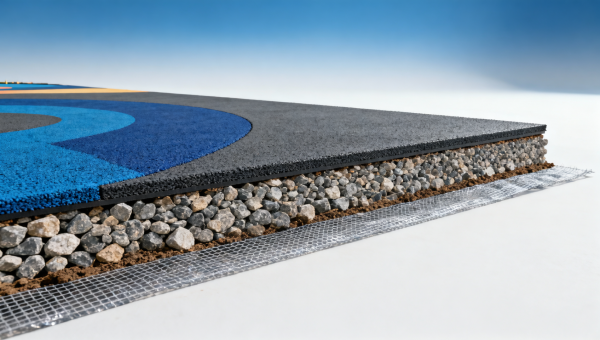
Even best-in-class borders fail if installed without calibrated sub-base preparation. GCT’s field engineering team mandates a 3-stage trench protocol: (1) Excavation to 220 mm depth with 5% outward slope; (2) Compaction of 120 mm Type 1 MOT sub-base to ≥95% Proctor density; (3) Placement of geotextile separation layer before border setting. Skipping step two increases lateral migration risk by 4.7×, per longitudinal monitoring in Dubai’s Al Barsha Park project.
Joint sealing is equally critical. Silicone-based sealants degrade under UV exposure within 18 months. High-performance alternatives use polyurea elastomers with 15-year hydrolytic stability—verified via ASTM D570 immersion testing. Joint spacing must not exceed 3.6 m without intermediate expansion anchors, and all fasteners require torque-controlled installation (12.5 ±0.8 N·m).
Projects adhering to all three thresholds report zero erosion-related warranty claims over 5-year post-installation monitoring. This directly supports ROI calculations for institutional buyers managing multi-site portfolios.
Next Steps for Procurement & Distribution Partners
Selecting erosion-resistant playground borders isn’t about choosing between form and function—it’s about specifying systems engineered for measurable performance outcomes across safety, longevity, and total cost of ownership. For global hospitality groups, smart campus developers, and premium leisure park operators, the right partner delivers verified material science, auditable compliance documentation, and installation intelligence—not just product catalogs.
GCT’s Commercial Sourcing Intelligence Platform provides procurement teams with real-time access to pre-vetted OEM/ODM partners across 18 manufacturing hubs, including live capacity dashboards, compliance document libraries, and benchmarked lead-time analytics. All profiles undergo quarterly technical reassessment by GCT’s panel of commercial space designers and safety compliance engineers.
If your next specification cycle includes sensory playgrounds, hotel amenity zones, or education-focused recreational infrastructure, request a tailored supplier shortlist with verified erosion-control performance data, regional delivery SLAs, and OEM customization pathways.
Get your customized playground border sourcing report today.
Search News
Hot Articles
- Jewelry Packaging & DisplayVietnam's New Regulation: Commercial VR Fitness Pods Must Undergo Local TUV SUD TestingApr 16, 2026
- Jewelry Packaging & DisplaySASO Updates Amusement Ride Standards: EMC Testing Now Mandatory for VR Fitness EquipmentApr 16, 2026
- Stage Lighting & TrussJIS T 0601-2-77:2026 Enforces New Audience Laser Limits in JapanApr 16, 2026
Popular Tags
Need ExpertConsultation?
Connect with our specialized leisureengineering team for procurementstrategies.
Recommended News
 Apr 16, 2026EN 1176-7:2026 Enforces AI Safety Rules for EU Outdoor Interactive Play EquipmentEN 1176-7:2026 enforces AI safety rules for EU outdoor interactive play equipment — mandatory false-trigger ≤0.3% & local-only data processing. Act now to comply.● Theme Park Strategist
 Apr 13, 20262026 CKC China Karting Championship in Macau Sparks Export Interest for Domestic Racing GearThe 2026 CKC China Karting Championship in Macau showcased FIA-compliant racing gear, sparking export interest for domestic timing systems, carbon fiber kits & sustainable tires. Discover how this event opens global opportunities.● Theme Park Strategist
 Apr 13, 2026Japan Revises Sports Equipment Safety Standards: Mandatory Multilingual E-Manuals for Imported Fitness Gear from April 2026Japan's new Sports Equipment Safety Standards mandate multilingual e-manuals for imported fitness gear from 2026. Learn how this impacts global exporters and key compliance strategies for smooth market entry.● Theme Park Strategist
 Apr 10, 2026Middle East Tensions Raise Shipping Risks in Hormuz Strait, Air Freight Costs for Sports Equipment Surge 12%Middle East tensions escalate shipping risks in Hormuz Strait, causing a 12% surge in air freight costs for sports equipment. Learn how this impacts supply chains and strategies to mitigate delays.● Theme Park Strategist
 Apr 17, 2026Playground borders that actually stop erosion — not just look goodCommercial furniture & playground borders that stop erosion—engineered for sensory playgrounds, hotel tables, educational supplies & amusement equipment safety.● Theme Park Strategist
 Apr 17, 2026Playground climbers made for real-world use — not just certification testsCommercial playground climbers engineered for real-world durability, safety & seamless integration—beyond certification. Ideal for sensory playgrounds, hotels, schools & amusement equipment.● Theme Park Strategist
 Apr 17, 2026Playground safety isn’t just about padding — what the surface layer hidesPlayground safety, commercial furniture & sensory playground surfaces—discover ASTM-compliant solutions for hotels, schools & resorts. Boost safety, cut liability, and elevate play experiences.● Theme Park Strategist
 Apr 17, 2026Outdoor rides with playground borders designed for freeze-thaw climatesCommercial furniture & playground borders engineered for freeze-thaw climates—sensory playgrounds, climbers, safety-certified amusement equipment & hotel tables.● Theme Park Strategist
 Apr 16, 2026Outdoor playground equipment with minimal seasonal maintenanceOutdoor playground equipment with minimal seasonal maintenance — durable, low-TCO, and design-integrated. Ideal for campuses, resorts & smart offices. Explore luxury furniture, park benches & more.● Theme Park Strategist
 Apr 16, 2026Park benches with integrated accessibility featuresPark benches with integrated accessibility features — premium outdoor furniture for inclusive, luxury-ready spaces. Built for durability, compliance & design excellence.● Theme Park Strategist
 Apr 15, 2026Outdoor playground surfacing that meets updated ASTM standardsOutdoor playground surfacing meeting ASTM F1292 & F2075 standards — ideal for park benches, luxury furniture, and institutional campuses. Safe, compliant, smart.● Theme Park Strategist
 Apr 15, 2026Park benches designed for high-traffic public spacesPremium park benches for high-traffic public spaces—durable, compliant & design-forward. Also explore luxury furniture, orchestral instruments, custom jewelry & more.● Theme Park Strategist
 Apr 15, 2026Playground safety isn’t about padding alone — here’s what gets missedCommercial furniture, playground borders & sensory playground designs—discover what truly ensures playground safety beyond padding. Expert insights + compliance-ready solutions.● Theme Park Strategist
 Apr 15, 2026Playground climbers rated for actual group use — not solo testingDiscover group-rated playground climbers—certified for real-world commercial use, not solo testing. Trusted for sensory playgrounds, hotel equipment, amusement equipment & more.● Theme Park Strategist
 Apr 15, 2026Amusement equipment with real maintenance logs — not just marketing claimsAmusement equipment with real maintenance logs—verified for playground safety, sensory playgrounds, commercial furniture & hotel equipment. No claims, just auditable proof.● Theme Park Strategist
 Apr 15, 2026Playground borders that actually stop erosion — not just look goodPremium playground borders for commercial furniture & amusement equipment—engineered to stop erosion, boost playground safety, and enhance sensory playgrounds, hotel tables, and educational supplies.● Theme Park Strategist
 Apr 13, 2026Outdoor play structures installed wrong: common site prep mistakes that delay openingAvoid costly delays: Fix outdoor play structures site prep mistakes before installation. Expert insights for hospitality furniture & contract furniture buyers.● Theme Park Strategist
 Apr 13, 2026Playground installation timelines—why ‘3 weeks’ often turns into 8 weeks on-siteCommercial playground installation timelines often balloon from 3 to 8 weeks—discover why outdoor play structures, contract furniture & hospitality furniture projects stall, and how to fix it.● Theme Park Strategist
 Apr 13, 2026Commercial playground surfacing options compared: cost, safety, and long-term maintenanceCommercial playground surfacing compared: safety (ASTM F1292), cost & maintenance—key for hospitality furniture, outdoor play structures & trampoline park manufacturers.● Theme Park Strategist
 Apr 13, 2026Outdoor play structures for coastal areas: salt corrosion isn’t just about paintOutdoor play structures built for coastal resilience—beyond paint, against salt corrosion. Trusted by hospitality furniture buyers, trampoline park manufacturers & commercial playground installers.● Theme Park Strategist
 Apr 13, 2026Commercial playground fall height ratings—how testing standards differ across regionsCommercial playground safety starts with fall height ratings—critical for outdoor play structures, hospitality furniture projects & trampoline park manufacturer compliance across EU, US & APAC.● Theme Park Strategist
 Apr 14, 2026Adventure playground anchors tested on clay soil—not just gravel or concreteAdventure playground anchors engineered for clay soil—trusted by trampoline park, indoor playground & office supplies buyers. Get ASTM-tested, E-E-A-T-verified stability.● Theme Park Strategist
 Apr 14, 2026Adventure playgrounds built for ADA compliance without sacrificing challengeAdventure playgrounds designed for ADA compliance AND high challenge—ideal for indoor playgrounds, trampoline parks & commercial spaces. Discover inclusive, thrilling solutions.● Theme Park Strategist
 Apr 12, 2026Why outdoor playground surfaces fail before year three—and what actually lastsDiscover why outdoor playground surfaces fail by Year 3—and what *actually* lasts. Expert insights on playground structures, inclusive playground design, swings, borders, custom furniture & more.● Theme Park Strategist