Beijing Regulators Crack Down on OTA Platforms: Implications for the Hospitality and Travel Sectors

Introduction
On March 23, 2026, Beijing's Market Supervision Bureau and the Bureau of Culture and Tourism jointly summoned 12 major online travel agencies (OTAs), including Ctrip, Qunar, and Fliggy, to address issues such as unauthorized price adjustments and misuse of 'customer switching' rules. This regulatory action is particularly significant for the hospitality and online travel sectors, as it aims to restore pricing autonomy for accommodation providers and enhance long-term business stability. The move signals tighter oversight of OTA practices, which could reshape industry dynamics.
Event Overview
The Beijing authorities issued corrective orders to 12 OTA platforms for manipulating merchant prices without consent and abusing 'customer switching' algorithms—a practice where platforms penalize hotels for direct bookings after users compare prices. Ctrip has already taken steps to comply, removing its 'Price Adjustment Assistant' tool and revising rules to exempt offline extended stays from being flagged as 'customer switching.' The crackdown reflects growing regulatory scrutiny over OTA dominance in pricing and distribution channels.
Impact on Key Sub-Sectors
1. Short-Term Rental and Hotel Operators
The intervention directly benefits accommodation providers by curbing OTA-imposed price controls. Analysis suggests this could reduce pressure on profit margins, especially for independent hotels and民宿 (homestays) that previously faced penalties for offering direct discounts. However, smaller operators may need time to adapt to regained pricing freedom.
2. Online Travel Platforms
OTAs must now overhaul automated pricing tools and commission-driven 'switching' mechanisms. The immediate operational impact includes potential revenue dips from reduced price manipulation capabilities. Long-term, platforms may shift toward value-added services over coercive tactics.
3. Corporate Travel Management
Business travel buyers should monitor whether negotiated rates with hotels become more stable. The crackdown on arbitrary price changes could simplify contract compliance, though verification processes may initially slow bookings during the transition.
Key Action Points for Stakeholders
1. Prioritize Regulatory Adaptation
OTAs should audit all automated pricing and anti-circumvention systems by Q2 2026. Hospitality operators must review historical OTA agreements to identify clauses requiring renegotiation.
2. Rebalance Distribution Strategies
Hotels can cautiously increase direct booking incentives but avoid abrupt shifts that might trigger new regulatory concerns. Testing phased commission reductions with OTAs is advisable.
3. Prepare for Follow-Up Inspections
Local regulators in other Chinese cities may replicate Beijing's approach. Cross-departmental compliance teams should track policy updates through official WeChat channels like '北京市场监管.'
Industry Observation
From an industry perspective, this appears more than a one-off enforcement action. The targeting of algorithmic pricing tools suggests regulators are addressing systemic power imbalances in travel distribution. While immediate changes focus on Beijing, the precedent could accelerate nationwide OTA reforms—similar to earlier crackdowns on fake reviews. However, actual implementation timelines remain uncertain, as platforms may lobby for transitional periods.
Conclusion
This regulatory move marks a pivotal step toward rebalancing the hospitality-OTA relationship in China. While the full impact will unfold gradually, stakeholders should interpret it as a signal to prioritize sustainable partnerships over short-term algorithmic gains. The coming months will reveal whether this becomes a template for broader digital marketplace governance.
Source Information
Primary source: Beijing Market Supervision Bureau official announcement (March 23, 2026). Ongoing monitoring required for: 1) Potential expansion to other cities; 2) OTA appeals or countermeasures; 3) Detailed implementation guidelines expected by mid-2026.
Search News
Hot Articles
- Restaurant FurnitureFast-Casual Restaurant Interiors: Design Choices That Improve Speed and Guest FlowOct 04, 2026
- Outdoor RidesHow to Select Leisure Park Equipment for Safe, High-Throughput Visitor AreasOct 03, 2026
- Fashion & Gem JewelryDiamond Tester Wholesale: How to Vet Accuracy, Calibration, and MOQ Before OrderingOct 02, 2026
Popular Tags
Need ExpertConsultation?
Connect with our specialized leisureengineering team for procurementstrategies.
Recommended News
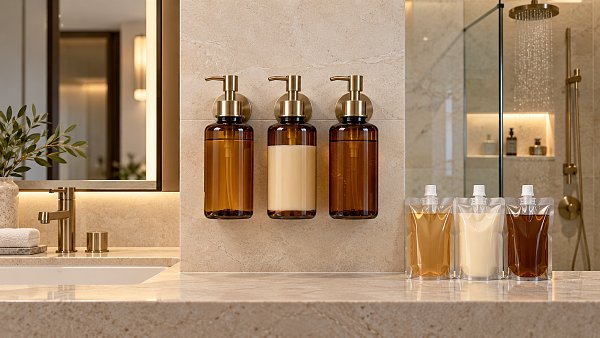
 Oct 01, 2026How Hotels Can Choose Amenity Bottles That Balance Brand Image and Refill CostsHotel amenity bottles: learn how to balance premium brand presentation, refill costs, hygiene, durability, and efficient housekeeping workflows.● Hospitality Sourcing Dir
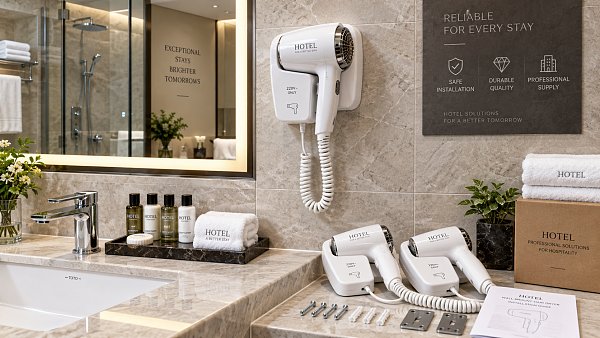
 Sep 25, 2026How to Evaluate a Wall-Mounted Hotel Hair Dryer Manufacturer for Bulk ProjectsHotel hair dryers wall mounted manufacturer evaluation guide: compare safety, durability, installation fit, OEM options, total cost, and reliable bulk-project support.● Hospitality Sourcing Dir
 Sep 03, 2026What Lead Times Should Buyers Expect for Custom Luxury Fixtures?What delivery lead times should I expect for custom luxury fixtures? Discover realistic 12–24 week timelines, approval milestones, freight factors, and ways to avoid costly delays.● Hospitality Sourcing Dir
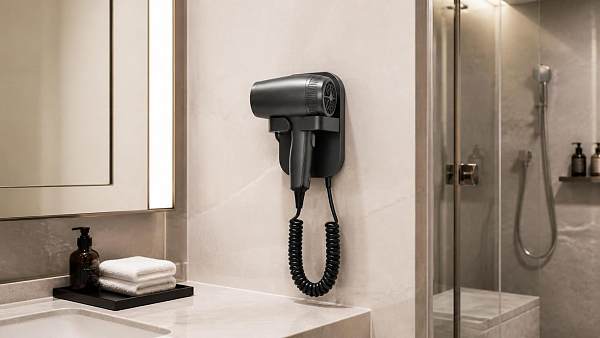
 Sep 05, 2026Hotel Hair Dryers Compared: Wattage, Safety Features, and Guest-Room DurabilityHair dryer for hotels: compare wattage, thermal safety, noise, mounting, and durability to select reliable guest-room dryers that elevate comfort and reduce maintenance costs.● Hospitality Sourcing Dir
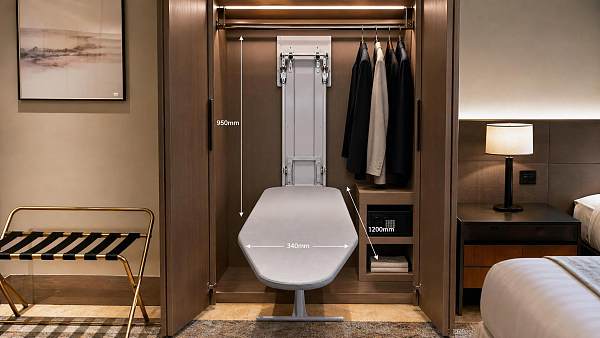
 Aug 04, 2026What to Check Before Buying Space Saving Ironing Boards Wholesale for HotelsSpace saving ironing boards wholesale for hotels: learn what to check before buying, from room fit and mounting to durability, compliance, and total installed cost.● Hospitality Sourcing Dir
 Jul 12, 2026Saudi e-SABER Label Rule Hits Hotel Amenities ExportsSaudi e-SABER label rule will reshape hotel amenities exports from August 1, 2026. Learn how SASO compliance, port clearance risks, and supplier readiness may impact shipments.● Hospitality Sourcing Dir
 Jul 11, 2026SASO Requires e-SABER Labels for Hotel AmenitiesSASO requires e-SABER labels for hotel amenities from August 1, 2026. Learn how QR code, SABER, and GCC compliance rules may impact Saudi shipments and port clearance.● Hospitality Sourcing Dir
 Jul 10, 2026Saudi SABER Update Adds GCC and Arabic Manual RuleSaudi SABER Update Adds GCC and Arabic Manual Rule: learn how the new SABER requirements affect hotel amenities certification, timelines, costs, and Saudi market access planning.● Hospitality Sourcing Dir
 Jul 03, 2026Wet and Dry Vacuum Cleaners Quiet Enough for Hotels: What Noise Level and Features Matter?Wet and dry vacuum cleaners quiet enough for hotels: compare ideal dB ranges, filtration, maneuverability, and lifecycle cost to choose cleaner, quieter machines with confidence.● Hospitality Sourcing Dir
 Jul 01, 2026How to Choose Hotel Hospitality Supplies for Different Property TypesHotel hospitality supplies buying guide for resorts, boutique, business, and economy hotels. Learn how to match supplies to property type, durability, brand image, and lifecycle value.● Hospitality Sourcing Dir
 Jun 27, 2026Memory Foam Hotel Mattresses vs Hybrid Beds: Which Option Fits Your Property?Memory foam hotel mattresses or hybrid beds? Compare comfort, durability, cooling, and lifecycle cost to find the best fit for your property and guest experience.● Hospitality Sourcing Dir
 Jun 26, 2026Hotel Desks: Types, Materials, and Layout Tips for Modern Guest RoomsHotel desks guide covering desk types, durable materials, and smart layout tips for modern guest rooms. Discover practical ideas to improve comfort, style, and space efficiency.● Hospitality Sourcing Dir
 Jun 23, 2026How to Choose Hotel Wardrobes: Materials, Storage Layout, and Durability StandardsHotel wardrobes guide: learn how to compare materials, storage layout, and durability standards to choose wardrobes that improve guest experience and reduce long-term maintenance costs.● Hospitality Sourcing Dir
 Jun 20, 2026Artificial Plants for Hotels: How to Compare Fire Ratings, Materials, and Maintenance NeedsArtificial plants for hotels: compare fire ratings, materials, and maintenance needs to choose safer, longer-lasting greenery that protects design quality and lifecycle cost.● Hospitality Sourcing Dir
 Jun 17, 2026How to Choose Hotel Hair Dryers Wall Mounted for Safety, Power, and Room TypeHotel hair dryers wall mounted buying guide: learn how to compare safety features, power levels, noise, and room-fit options to choose reliable models for every hotel segment.● Hospitality Sourcing Dir
 Jun 04, 2026Wholesale Hotel Safes Buying Guide: Lock Types, Size Options, and Installation PointsWholesale hotel safes buying guide covering lock types, size options, and installation points. Compare models, reduce procurement risk, and choose the right safe for your hotel project.● Hospitality Sourcing Dir
 May 30, 2026Is glamping furniture worth the higher project cost?Glamping furniture can justify higher project costs when it boosts bookings, durability, guest reviews, and long-term ROI. Learn where premium upgrades truly pay off.● Hospitality Sourcing Dir
 May 29, 2026Do blackout curtains for hotels Cut Energy Costs?Blackout curtains for hotels can lower HVAC costs, improve guest comfort, and boost room performance. Learn when they save energy and how to specify the right system.● Hospitality Sourcing Dir
 May 09, 2026Glamping furniture mistakes that make premium stays feel cheapGlamping furniture mistakes can make premium stays feel cheap. Learn how to choose durable, comfortable, brand-aligned pieces that elevate guest experience and protect long-term value.● Hospitality Sourcing Dir
 May 04, 2026Commercial Carpet Tiles for Hotels: What Wears Out First?Commercial carpet tiles hotel buyers: discover what wears out first in entrances, corridors, and transition zones, and learn how to specify longer-lasting, guest-ready flooring.● Hospitality Sourcing Dir
 May 04, 2026Custom Hotel Signage That Looks Premium and Stays ReadableCustom hotel signage that balances premium aesthetics with readability, durability, and compliance. Discover a practical checklist to improve guest experience and streamline hotel projects.● Hospitality Sourcing Dir
 May 04, 2026Luxury Vinyl Tile Commercial Flooring in High-Traffic AreasLuxury vinyl tile commercial flooring for high-traffic spaces: discover how to compare durability, maintenance, installation risks, and lifecycle value before you specify.● Hospitality Sourcing Dir
 May 03, 2026AC Milan’s Smart Locker Room Procurement Triggers UNI 11743 Compliance ReviewAC Milan’s smart locker room procurement triggers UNI 11743:2025 compliance review — critical for sports infrastructure suppliers, EU exporters & integrators.● Hospitality Sourcing Dir
 May 03, 2026Hotel room minibar fridges: silent operation is not enoughHotel room minibar fridges now require more than silent operation. Explore how energy efficiency, design fit, compliance, and lifecycle value shape smarter hotel sourcing.● Hospitality Sourcing Dir