Guangdong vs. Shanxi CBA Game Highlights Smart Arena Lighting
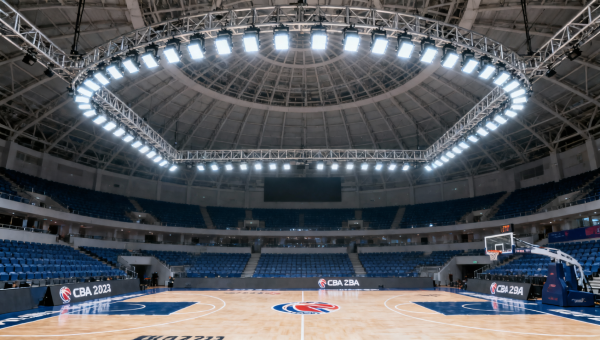
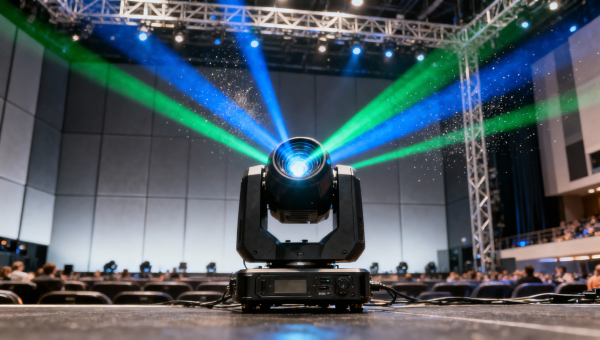
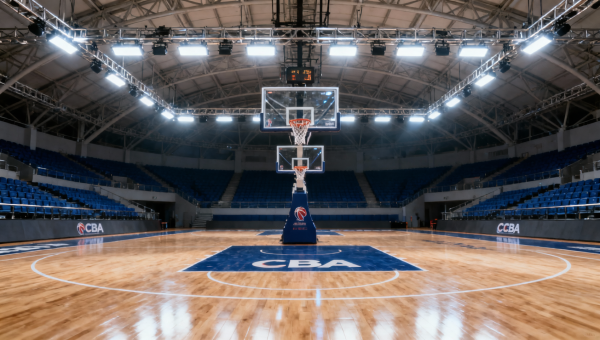
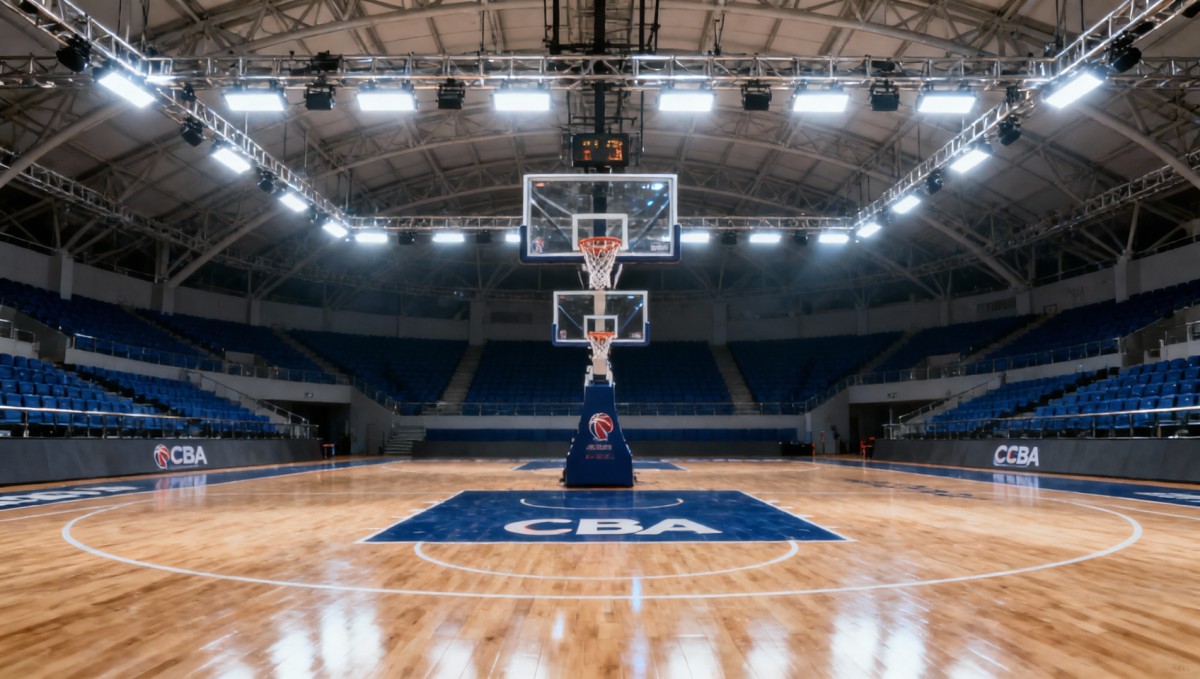
On April 21, 2026, a critical CBA playoff match between Guangdong Southern Tigers and Shanxi Flame was illuminated throughout by a domestically developed intelligent arena lighting system — marking a notable operational benchmark for high-stakes live sports broadcasting in China. The event signals relevance for lighting equipment manufacturers, sports infrastructure developers, international stadium project contractors, and export-oriented electronics suppliers — particularly those engaged in smart venue technology integration.
Event Overview
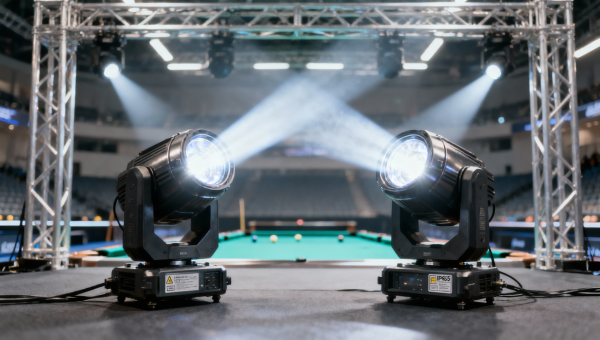
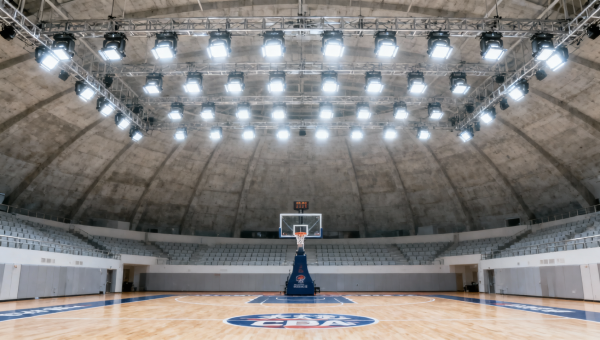
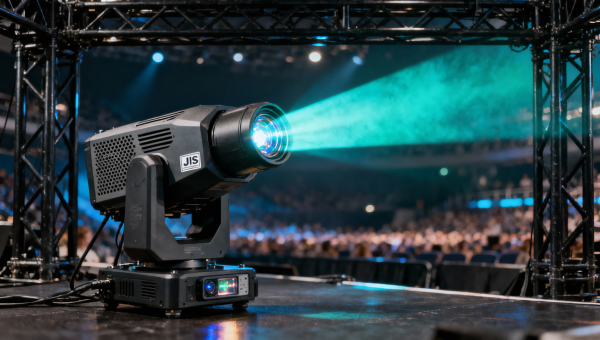
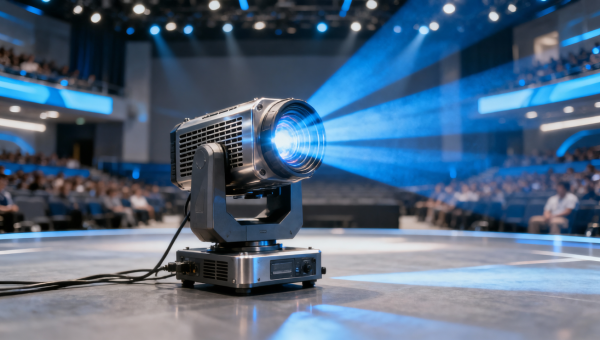
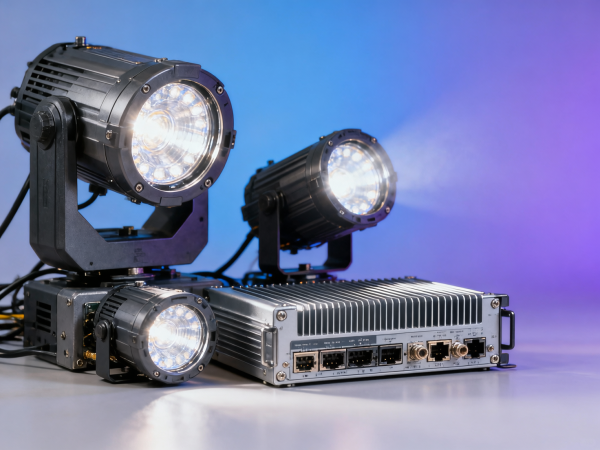
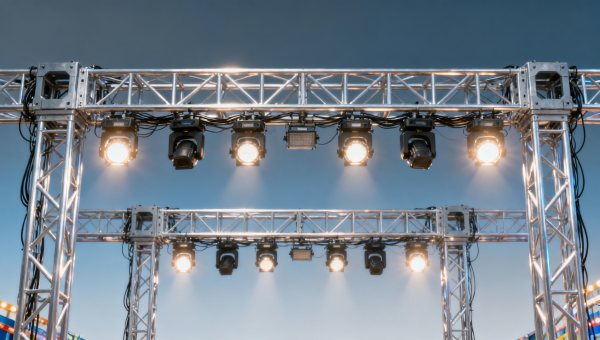
On April 21, 2026, during the CBA playoffs, an intelligent arena lighting system supplied by a Foshan-based enterprise operated faultlessly throughout the away game between Guangdong Southern Tigers and Shanxi Flame. The system supports HDR broadcast-grade illumination and achieves instantaneous dimming within ≤0.5 seconds. It received technical commendation from CCTV’s broadcast team. The system holds both UL 1598C and GB/T 38279 certifications. It is now emerging as the preferred procurement solution for newly built professional arenas across Southeast Asia; bulk tendering has recently commenced in the Philippine Basketball Association (PBA) and Thailand Basketball League (TBL).
Industries Affected by This Development
Smart Lighting Equipment Manufacturers
Manufacturers producing LED-based intelligent lighting systems for sports venues are directly impacted. The successful deployment under live broadcast conditions — with strict timing and color fidelity requirements — validates performance thresholds previously unconfirmed in public competitive settings. Impact manifests in heightened technical scrutiny during international tenders and rising demand for certified, low-latency control capabilities.
Sports Infrastructure Developers & EPC Contractors
Domestic and regional developers of multi-purpose arenas, basketball-specific venues, and mixed-use sports complexes face tightening specification expectations. With certified smart lighting now referenced in official broadcast feedback and adopted in regional league procurement pipelines, compliance with dual-certified (UL + GB/T) systems may shift from optional to de facto requirement in upcoming RFPs — especially for projects targeting international broadcast readiness.
Export-Oriented Electronics Suppliers & Distributors
Suppliers handling components such as DALI-2 controllers, thermal-managed LED modules, or wireless mesh networking hardware for lighting systems may see increased downstream demand. The Philippines and Thailand tender activity indicates early-stage market pull — but not yet volume shipment. Impact is currently limited to qualification alignment and documentation readiness, rather than immediate order flow.
International Stadium Project Consultants
Consultants advising on venue design standards — particularly those supporting ASEAN or Oceania clients — must now account for verified local capability in broadcast-grade intelligent lighting. Previously, such systems were often assumed to require European or Japanese OEM sourcing. This case introduces a credible domestic alternative meeting dual certification, altering technical evaluation criteria in feasibility studies and tender specifications.
What Relevant Enterprises or Practitioners Should Monitor and Do Now
Track official procurement documents from PBA and TBL
While tender initiation is confirmed, full technical specifications, delivery timelines, and certification validation protocols remain unpublished. Enterprises should monitor official league procurement portals and engage local partners for early access to draft RFP language — especially clauses referencing UL 1598C, GB/T 38279, or HDR broadcast compliance.
Verify alignment of existing product certifications with dual-standard requirements
Many manufacturers hold either UL or GB/T certification — but not both. Dual certification is explicitly cited as a differentiator in the reported deployment. Companies preparing for Southeast Asian tenders should audit current certification scope and assess cost/time implications of adding the complementary standard before bidding cycles accelerate.
Distinguish between tender announcements and actual contract awards
The current signal reflects procurement process initiation — not confirmed orders or revenue recognition. From an operational planning perspective, this remains a lead-generation and qualification phase. Supply chain ramp-up or production capacity expansion should wait until formal bid submissions close and award timelines become visible.
Prepare documentation packages for broadcast-technical validation
CCTV’s technical commendation highlights real-world broadcast performance — not just lab testing. Enterprises should compile field-deployment evidence: latency logs, HDR color gamut reports, and third-party broadcast team feedback (where permissible). Such materials are increasingly requested in international tenders beyond basic safety certification.
Editorial Observation / Industry Perspective
This incident is best understood as a technical validation milestone — not yet a market inflection point. Analysis来看, it confirms domestic capability in a narrow but high-visibility application segment (live-sports broadcast lighting), rather than signaling broad displacement of incumbents. Observation来看, adoption momentum is currently concentrated in specification-setting institutions (leagues, broadcasters) rather than end-user operators — meaning influence flows upstream first. From an industry angle, the significance lies less in immediate sales and more in how it reshapes technical benchmarks in regional procurement frameworks. Current more appropriate interpretation is that this marks the beginning of formal technical qualification — not commercial scale.
In summary, this event underscores a maturing capability in intelligent sports lighting — one that is gaining credibility through verified, high-pressure deployment and recognized certification. For stakeholders, it represents a concrete reference point for technical expectations in emerging markets — not a near-term revenue catalyst, but a meaningful signal for strategic alignment in product development, certification planning, and regional market preparation.
Source: Publicly reported event details (date, teams, supplier origin, certification status, broadcast acknowledgment, and regional tender activity). No additional background, financial data, or unconfirmed stakeholder statements are included. Tender timelines and award outcomes for PBA and TBL remain pending observation.
Search News
Hot Articles
- Stage Lighting & TrussCCTV5 Snooker Broadcast Drives 37% Surge in Stage Lighting Export InquiriesApr 21, 2026
- Indoor PlaygroundVietnam Mandates Child Finger-Trap Sensors for Indoor Play EquipmentApr 21, 2026
- Stage Lighting & TrussGuangdong vs. Shanxi CBA Game Highlights Domestic Smart Arena LightingApr 21, 2026
Popular Tags
Need ExpertConsultation?
Connect with our specialized leisureengineering team for procurementstrategies.
Recommended News
 Apr 21, 2026CCTV5 Snooker Broadcast Drives 37% Surge in Stage Lighting Export InquiriesCCTV5 snooker broadcast sparks 37% surge in global stage lighting export inquiries—key demand from Brazil, KSA & Indonesia for IP65, 20k-hr LED moving heads.● Pro Audio Engineer
 Apr 21, 2026Guangdong vs. Shanxi CBA Game Highlights Domestic Smart Arena LightingGuangdong vs. Shanxi CBA game spotlighted domestic smart arena lighting—EN 12193:2023-compliant, flicker-free 4K LED system powering global stadium upgrades.● Pro Audio Engineer
 Apr 20, 2026Guangdong vs. Shanxi CBA Game Highlights Domestic Smart Arena LightingGuangdong vs. Shanxi CBA game spotlighted China-made smart arena lighting—FIBA-certified, broadcast-ready LED system with <0.1s dimming & 5600K stability.● Pro Audio Engineer
 Apr 17, 2026JIS T 0601-2-77:2026 Enforces Stricter Laser Limits for Stage Equipment in JapanJIS T 0601-2-77:2026 enforces stricter laser limits for stage equipment in Japan — 35% lower MPE, AI beam monitoring required. Act now to comply.● Pro Audio Engineer
 Apr 16, 2026JIS T 0601-2-77:2026 Enforces New Audience Laser Limits in JapanJIS T 0601-2-77:2026 enforces strict new audience laser limits in Japan — ≤1.0 mW/cm² (0.25s). Critical for pro audio, stage lighting & laser exporters. Act now to ensure compliance.● Pro Audio Engineer
 Apr 22, 2026Guangdong vs. Shanxi CBA Game Highlights Smart Arena LightingGuangdong vs. Shanxi CBA game showcased smart arena lighting — HDR-ready, UL/GB-certified, and proven for broadcast excellence. Key for lighting makers & stadium developers.● Pro Audio Engineer
 Apr 22, 2026CCTV5 Snooker Broadcast Drives 37% Rise in Lighting Export InquiriesCCTV5斯诺克直播引爆海外采购潮!LED摇头灯、DMX控制系统等专业舞台灯光出口询盘激增37%,低延迟与EMC Class B成关键门槛。立即洞察趋势→● Pro Audio Engineer
 Apr 18, 2026JIS T 0601-2-77:2026 Enforces Tighter Laser Brightness Limits in JapanJIS T 0601-2-77:2026 enforces tighter laser brightness limits in Japan—35% stricter + instantaneous peak detection. Critical for stage laser exporters, integrators & distributors.● Pro Audio Engineer
 Apr 17, 2026Stage lighting truss compatibility issues nobody checks before ordering hotel equipmentAvoid costly rework: Verify stage lighting truss compatibility with hotel equipment, amusement equipment, sensory playgrounds & commercial furniture—before you order.● Pro Audio Engineer
 Apr 15, 2026Stage lighting truss systems that ship pre-aligned — no on-site calibrationPre-aligned stage lighting truss systems for amusement equipment, sensory playgrounds & hotel entertainment — zero on-site calibration, certified safety & rapid deployment.● Pro Audio Engineer
 Apr 13, 2026Stage equipment rentals vs. buying: when the break-even point surprises youStage equipment rentals vs. buying? Discover when renting hotel desks, commercial playgrounds, microphone systems & more slashes TCO by 37–52%—get your free break-even analysis now!● Pro Audio Engineer
 Apr 13, 2026Stage equipment rigging specs—why ‘rated for 500kg’ doesn’t mean safe for your trussStage equipment rigging specs matter—especially for trampoline park manufacturers, commercial playgrounds & hospitality furniture. Don’t trust '500kg rated' labels alone.● Pro Audio Engineer
 Apr 04, 2026Stage Lighting & Truss Projects Often Depend on Office Supplies Manufacturer Fasteners — Here’s Why They FitOffice supplies manufacturer fasteners trusted by stage lighting & truss projects—precision, ISO-certified, and B2B-ready. Discover top office supplies supplier, OEM, and exporter solutions.● Pro Audio Engineer
 Mar 30, 2026Amusement park lighting projects stall at the dimming curve—not the fixtureCommercial sourcing for amusement park lighting, playground development & compliance—solve dimming curve bottlenecks before procurement. Expert OEM/ODM insights.● Pro Audio Engineer
 Mar 30, 2026Why commercial sourcing for amusement park lighting rarely delivers on photometric specscommercial sourcing for amusement park lighting often fails photometric specs—risking playground compliance, safety & ROI. Discover why OEM-certified solutions outperform generic hotel restaurant furniture, ride parts & electronic music gear.● Pro Audio Engineer
 Mar 27, 2026How stage lighting & truss projects avoid 4–6 week delays using integrated supply chain solutions with real-time trackingDiscover how integrated supply chain solutions, OEM manufacturing & ODM services slash 4–6 week delays in amusement park equipment, pro audio, and stage lighting projects—real-time tracking included.● Pro Audio Engineer
 Mar 19, 2026What Stage Lighting Suppliers Don’t Tell You About Percussion Instrument ReflectivityDiscover why adventure playground, trampoline park & theme park rides need reflectivity-aware lighting—especially near percussion instruments, playground safety, and soundproofing materials.● Pro Audio Engineer