Middle East Hotel Investment Boom Continues: Saudi Arabia's 'Vision 2030' Phase II to Add 280,000 Hotel Rooms, Chinese Furniture Exporters Invited to Participate in Riyadh and Jeddah Projects
Introduction
Saudi Arabia's 'Vision 2030' Phase II hotel construction plan is set to add 280,000 new hotel rooms, with 65% meeting four-star or higher standards, according to the Saudi Commission for Tourism and National Heritage (SCTH) on March 26. Chinese hotel furniture exporters have been invited to participate in the early-stage selection process for projects in Riyadh and Jeddah, with a focus on fire-resistant materials. This development is significant for the hospitality, construction, and furniture manufacturing industries, as it highlights growing opportunities in the Middle East's booming tourism sector.
Event Overview
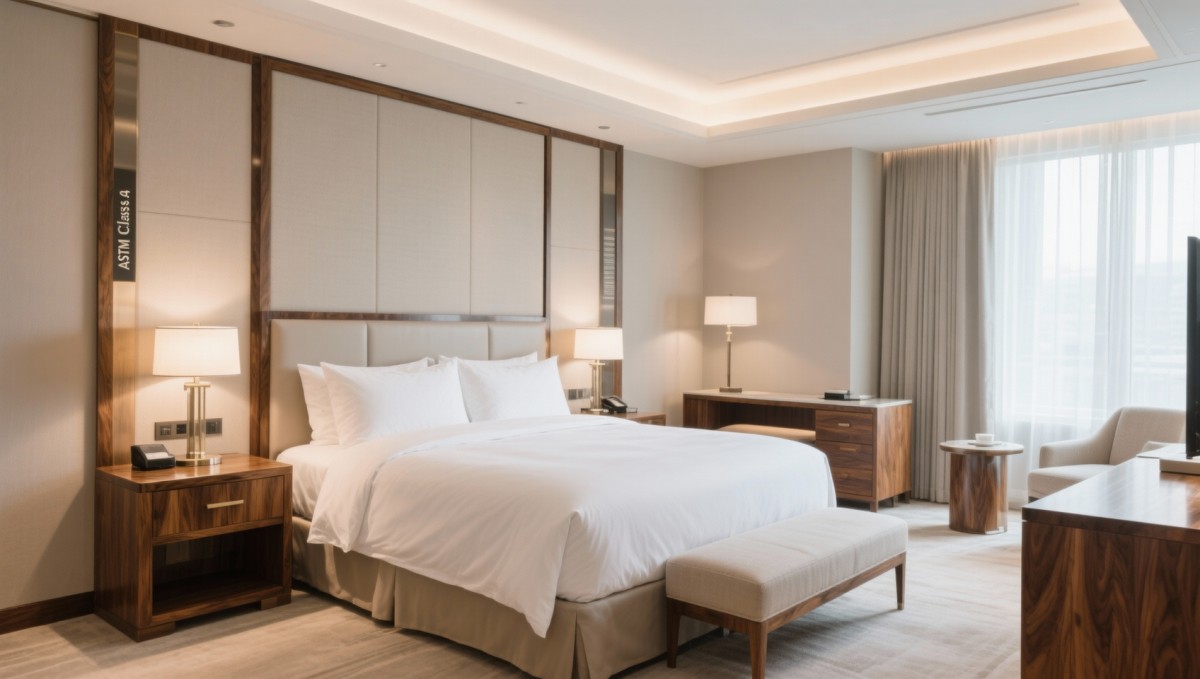
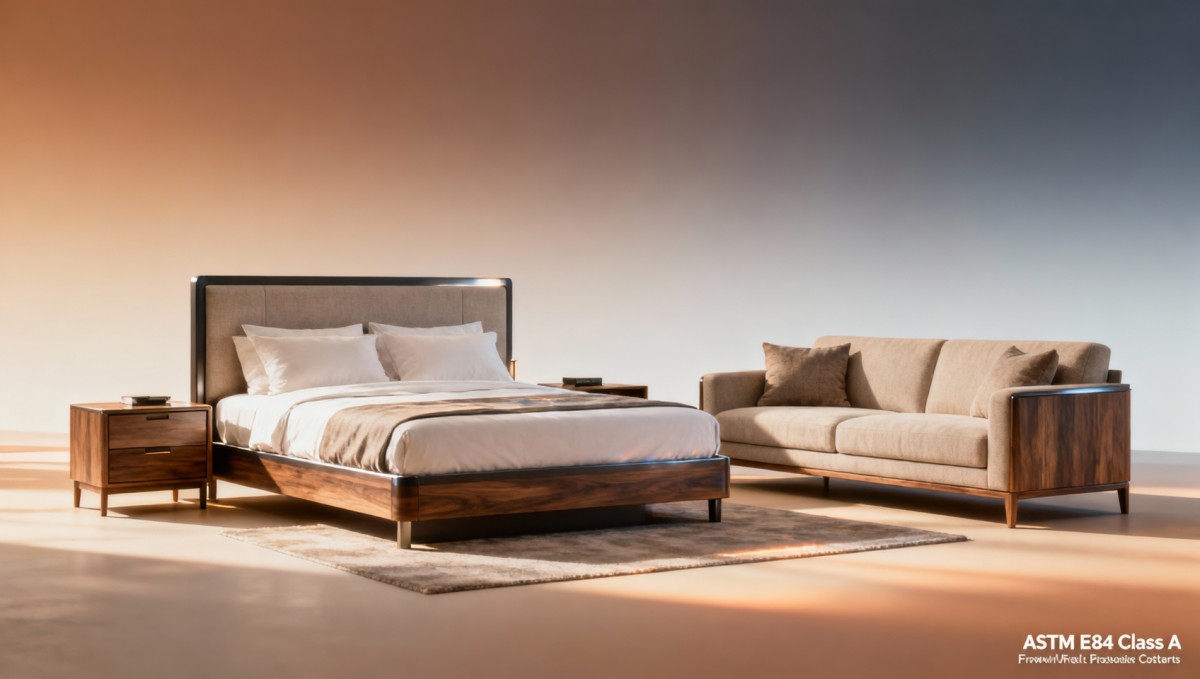
The Saudi government's 'Vision 2030' initiative continues to drive large-scale infrastructure development, with Phase II including a major expansion of hotel capacity. The plan aims to add 280,000 hotel rooms, with 65% classified as four-star or above. Twelve key projects have already opened supplier selection processes, specifically targeting Chinese manufacturers for hotel furniture. The requirements emphasize ASTM E84 Class A fire resistance, along with UV-resistant and dust-proof coatings. Leading manufacturers from Guangdong and Zhejiang are currently coordinating factory inspections and sample submissions.
Impact on Sub-Sectors
Direct Trade Enterprises
Chinese furniture exporters specializing in hospitality furnishings stand to benefit significantly from this opportunity. The explicit invitation to participate in early-stage selection indicates a strategic shift toward sourcing from China. Companies with existing certifications (e.g., ASTM E84 Class A) will have a competitive advantage.
Raw Material Suppliers
Suppliers of fire-resistant materials, specialized coatings, and high-quality wood/steel components will see increased demand. The strict requirements for UV and dust protection suggest a need for innovative material solutions tailored to Saudi Arabia's climate.
Manufacturing & Logisticstics
Factories capable of large-scale production with consistent quality control will be prioritized. The emphasis on joint factory inspections indicates that Saudi project managers are closely scrutinizing production capabilities before finalizing contracts.
Key Considerations for Businesses
Certification Readiness
Companies should ensure their products meet ASTM E84 Class A standards and obtain relevant certifications. Third-party testing reports will likely be required during the bidding process.
Material Innovation
Investing in R&D for coatings that address Middle Eastern environmental challenges (heat, sand, UV exposure) could provide a competitive edge.dge.
Supply Chain Preparation
Manufacturers should prepare for large-volume orders and potential just-in-time delivery requirements. Building relationships with logistics providers familiar with Middle Eastern markets will be crucial.
Editor's Perspective / Industry Observation
From an industry standpoint, this development signals Saudi Arabia's commitment to accelerating tourism infrastructure under 'Vision 2030.' The specific invitation to Chinese suppliers reflects growing recognition of China's manufacturing capabilities in high-quality hotel furnishings. However, businesses should note that while this represents a significant opportunity, competition will be intense, and compliance with Saudi standards is non-negotiable. The focus on fire safety and durability suggests that projects are being designed for long-term sustainability rather than short-term gains.
Conclusion
The Saudi hotel construction wave presents a substantial opportunity for qualified suppliers, particularly in the furniture and materials sectors. While the initial projects are already moving forward, the scale of 'Vision 2030' suggests this is only the beginning of a multi-year investment cycle. Companies that can meet the stringent technical requirements and demonstrate reliable production capacity will be well-positioned to capitalize on this growth.
Source Information
Primary Source: Saudi Commission for Tourism and National Heritage (SCTH) announcement dated March 26.
Additional Context: Industry reports on 'Vision 2030' infrastructure plans. Note that specific project timelines beyond the initial 12 are still under development and warrant continued monitoring.
Search News
Hot Articles
- Restaurant FurnitureFast-Casual Restaurant Interiors: Design Choices That Improve Speed and Guest FlowOct 04, 2026
- Outdoor RidesHow to Select Leisure Park Equipment for Safe, High-Throughput Visitor AreasOct 03, 2026
- Fashion & Gem JewelryDiamond Tester Wholesale: How to Vet Accuracy, Calibration, and MOQ Before OrderingOct 02, 2026
Popular Tags
Need ExpertConsultation?
Connect with our specialized leisureengineering team for procurementstrategies.
Recommended News
 Oct 01, 2026How Hotels Can Choose Amenity Bottles That Balance Brand Image and Refill CostsHotel amenity bottles: learn how to balance premium brand presentation, refill costs, hygiene, durability, and efficient housekeeping workflows.● Hospitality Sourcing Dir
 Sep 25, 2026How to Evaluate a Wall-Mounted Hotel Hair Dryer Manufacturer for Bulk ProjectsHotel hair dryers wall mounted manufacturer evaluation guide: compare safety, durability, installation fit, OEM options, total cost, and reliable bulk-project support.● Hospitality Sourcing Dir
 Sep 03, 2026What Lead Times Should Buyers Expect for Custom Luxury Fixtures?What delivery lead times should I expect for custom luxury fixtures? Discover realistic 12–24 week timelines, approval milestones, freight factors, and ways to avoid costly delays.● Hospitality Sourcing Dir
 Sep 05, 2026Hotel Hair Dryers Compared: Wattage, Safety Features, and Guest-Room DurabilityHair dryer for hotels: compare wattage, thermal safety, noise, mounting, and durability to select reliable guest-room dryers that elevate comfort and reduce maintenance costs.● Hospitality Sourcing Dir
 Aug 04, 2026What to Check Before Buying Space Saving Ironing Boards Wholesale for HotelsSpace saving ironing boards wholesale for hotels: learn what to check before buying, from room fit and mounting to durability, compliance, and total installed cost.● Hospitality Sourcing Dir
 Jul 12, 2026Saudi e-SABER Label Rule Hits Hotel Amenities ExportsSaudi e-SABER label rule will reshape hotel amenities exports from August 1, 2026. Learn how SASO compliance, port clearance risks, and supplier readiness may impact shipments.● Hospitality Sourcing Dir
 Jul 11, 2026SASO Requires e-SABER Labels for Hotel AmenitiesSASO requires e-SABER labels for hotel amenities from August 1, 2026. Learn how QR code, SABER, and GCC compliance rules may impact Saudi shipments and port clearance.● Hospitality Sourcing Dir
 Jul 10, 2026Saudi SABER Update Adds GCC and Arabic Manual RuleSaudi SABER Update Adds GCC and Arabic Manual Rule: learn how the new SABER requirements affect hotel amenities certification, timelines, costs, and Saudi market access planning.● Hospitality Sourcing Dir
 Jul 03, 2026Wet and Dry Vacuum Cleaners Quiet Enough for Hotels: What Noise Level and Features Matter?Wet and dry vacuum cleaners quiet enough for hotels: compare ideal dB ranges, filtration, maneuverability, and lifecycle cost to choose cleaner, quieter machines with confidence.● Hospitality Sourcing Dir
 Jul 01, 2026How to Choose Hotel Hospitality Supplies for Different Property TypesHotel hospitality supplies buying guide for resorts, boutique, business, and economy hotels. Learn how to match supplies to property type, durability, brand image, and lifecycle value.● Hospitality Sourcing Dir
 Jun 27, 2026Memory Foam Hotel Mattresses vs Hybrid Beds: Which Option Fits Your Property?Memory foam hotel mattresses or hybrid beds? Compare comfort, durability, cooling, and lifecycle cost to find the best fit for your property and guest experience.● Hospitality Sourcing Dir
 Jun 26, 2026Hotel Desks: Types, Materials, and Layout Tips for Modern Guest RoomsHotel desks guide covering desk types, durable materials, and smart layout tips for modern guest rooms. Discover practical ideas to improve comfort, style, and space efficiency.● Hospitality Sourcing Dir
 Jun 23, 2026How to Choose Hotel Wardrobes: Materials, Storage Layout, and Durability StandardsHotel wardrobes guide: learn how to compare materials, storage layout, and durability standards to choose wardrobes that improve guest experience and reduce long-term maintenance costs.● Hospitality Sourcing Dir
 Jun 20, 2026Artificial Plants for Hotels: How to Compare Fire Ratings, Materials, and Maintenance NeedsArtificial plants for hotels: compare fire ratings, materials, and maintenance needs to choose safer, longer-lasting greenery that protects design quality and lifecycle cost.● Hospitality Sourcing Dir
 Jun 17, 2026How to Choose Hotel Hair Dryers Wall Mounted for Safety, Power, and Room TypeHotel hair dryers wall mounted buying guide: learn how to compare safety features, power levels, noise, and room-fit options to choose reliable models for every hotel segment.● Hospitality Sourcing Dir
 Jun 04, 2026Wholesale Hotel Safes Buying Guide: Lock Types, Size Options, and Installation PointsWholesale hotel safes buying guide covering lock types, size options, and installation points. Compare models, reduce procurement risk, and choose the right safe for your hotel project.● Hospitality Sourcing Dir
 May 30, 2026Is glamping furniture worth the higher project cost?Glamping furniture can justify higher project costs when it boosts bookings, durability, guest reviews, and long-term ROI. Learn where premium upgrades truly pay off.● Hospitality Sourcing Dir
 May 29, 2026Do blackout curtains for hotels Cut Energy Costs?Blackout curtains for hotels can lower HVAC costs, improve guest comfort, and boost room performance. Learn when they save energy and how to specify the right system.● Hospitality Sourcing Dir
 May 09, 2026Glamping furniture mistakes that make premium stays feel cheapGlamping furniture mistakes can make premium stays feel cheap. Learn how to choose durable, comfortable, brand-aligned pieces that elevate guest experience and protect long-term value.● Hospitality Sourcing Dir
 May 04, 2026Commercial Carpet Tiles for Hotels: What Wears Out First?Commercial carpet tiles hotel buyers: discover what wears out first in entrances, corridors, and transition zones, and learn how to specify longer-lasting, guest-ready flooring.● Hospitality Sourcing Dir
 May 04, 2026Custom Hotel Signage That Looks Premium and Stays ReadableCustom hotel signage that balances premium aesthetics with readability, durability, and compliance. Discover a practical checklist to improve guest experience and streamline hotel projects.● Hospitality Sourcing Dir
 May 04, 2026Luxury Vinyl Tile Commercial Flooring in High-Traffic AreasLuxury vinyl tile commercial flooring for high-traffic spaces: discover how to compare durability, maintenance, installation risks, and lifecycle value before you specify.● Hospitality Sourcing Dir
 May 03, 2026AC Milan’s Smart Locker Room Procurement Triggers UNI 11743 Compliance ReviewAC Milan’s smart locker room procurement triggers UNI 11743:2025 compliance review — critical for sports infrastructure suppliers, EU exporters & integrators.● Hospitality Sourcing Dir
 May 03, 2026Hotel room minibar fridges: silent operation is not enoughHotel room minibar fridges now require more than silent operation. Explore how energy efficiency, design fit, compliance, and lifecycle value shape smarter hotel sourcing.● Hospitality Sourcing Dir