U.S. FCC Releases Draft Rule: All Imported AV Receiving Devices Must Embed 'Compliance Digital Identifier' Starting July 2026
Introduction
On March 25, 2026, the U.S. Federal Communications Commission (FCC) issued draft rule FCC-26-28, mandating that all imported TVs, projectors, AV receivers, and similar devices must embed a unique Compliance Digital Identifier (CDI) at the firmware level by July 1, 2026. The regulation also requires packaging and manuals to display scannable QR codes. This development directly impacts AV equipment manufacturers, importers, and supply chain stakeholders, particularly those in Shenzhen and Dongguan, where major OEMs are already adjusting firmware development timelines. The rule's implementation may delay Q3 peak-season shipments to North America by 4–6 weeks, making it a critical issue for the consumer electronics and trade sectors.

Event Overview
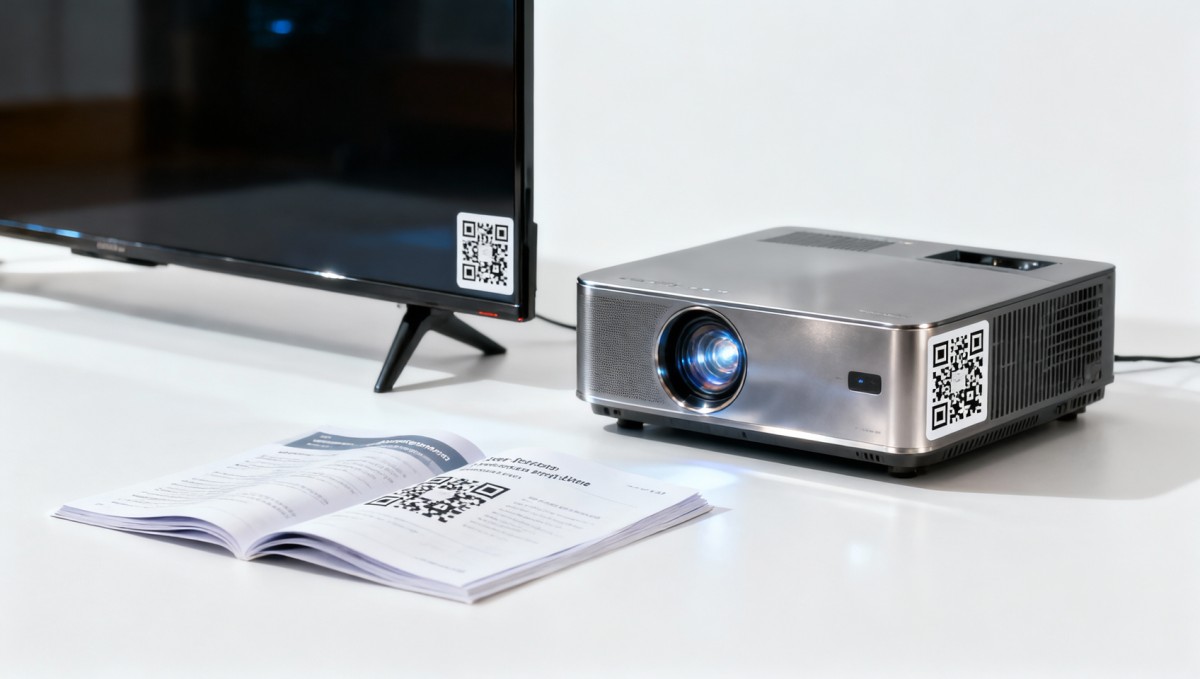
The FCC's draft rule specifies two key requirements: 1) Firmware must integrate a unique CDI code for traceability, and 2) Physical packaging and user manuals must include machine-readable QR codes linking to compliance documentation. The policy takes effect on July 1, 2026, with no grace period announced. Notably, multiple AV OEMs in China’s Guangdong province have confirmed initiating firmware updates, though production delays are anticipated due to testing and certification backlogs.
Industries Affected
1. AV Equipment Manufacturers
OEMs and ODMs producing TVs, projectors, and receivers for the U.S. market must overhaul firmware development pipelines. The CDI integration requires hardware-software coordination, potentially delaying new product launches. Factories in Shenzhen and Dongguan report needing 8–10 weeks for full compliance, compressing production windows for 2026 holiday inventories.
2. Importers and Distributors
Companies handling cross-border shipments must verify CDI and QR code compliance before customs clearance. Non-compliant inventory arriving after July 2026 risks rejection, creating cash flow pressures. Distributors may need to advance orders to accommodate manufacturing delays.
3. Component Suppliers
Memory and chipset providers must ensure firmware storage capacity accommodates CDI data. Early engagement with manufacturers on technical specifications is advised to avoid bottlenecks.
Key Action Items for Businesses
1. Monitor FCC Clarifications
The draft leaves room for interpretation on CDI technical standards. Stakeholders should track FCC workshops or FAQs expected in Q4 2025 for implementation details.
2. Audit Firmware Development Cycles
Manufacturers must map firmware update timelines against production schedules. Prioritize devices with longer development lead times (e.g., smart TVs) to mitigate Q3 2026 disruptions.
3. Pre-Certify Packaging Designs
QR code placement and readability must meet FCC guidelines. Work with packaging vendors to prototype compliant designs by Q1 2026 to avoid last-minute revisions.
4. Strengthen Supplier Coordination
Importers should confirm OEMs’ compliance roadmaps and build buffer stocks for transitional periods. Contractual penalties for non-compliance deliveries warrant review.
Industry Perspective
From an industry standpoint, this rule signals the FCC’s push for granular device traceability, likely extending to other electronics categories. While current impacts center on AV hardware, the precedent could reshape compliance workflows industry-wide. The 18-month runway suggests strategic adaptation is feasible, but early movers will gain supply chain stability. Notably, the lack of phased implementation risks concentrating certification demand in mid-2026, potentially straining testing labs.
Conclusion
The FCC’s CDI mandate represents a operational pivot for AV trade flows, with firmware and labeling compliance becoming non-negotiable cost centers. Businesses should treat this as a supply chain recalibration opportunity—addressing firmware dependencies now can prevent 2026 bottlenecks. Until final rule publication (expected September 2025), prudent operators will scenario-plan for 4–8 week delays across affected product categories.
Sources
- FCC Draft Rule FCC-26-28 (March 25, 2026)
- Industry feedback from Shenzhen AV Manufacturing Alliance (April 2026)
- Pending: FCC technical implementation guidelines (To be released)
Search News
Hot Articles
- Restaurant FurnitureFast-Casual Restaurant Interiors: Design Choices That Improve Speed and Guest FlowOct 04, 2026
- Outdoor RidesHow to Select Leisure Park Equipment for Safe, High-Throughput Visitor AreasOct 03, 2026
- Fashion & Gem JewelryDiamond Tester Wholesale: How to Vet Accuracy, Calibration, and MOQ Before OrderingOct 02, 2026
Popular Tags
Need ExpertConsultation?
Connect with our specialized leisureengineering team for procurementstrategies.
Recommended News
 Sep 30, 2026How to Choose an Aluminum Projector Ceiling Mount for Load, Drop, and Ceiling TypeChoose an aluminum projector ceiling mount with confidence. Learn how load capacity, drop length, ceiling structure, safety retention, and service access shape a reliable commercial AV installation.● Pro Audio Engineer
 Sep 26, 2026How to Choose Dynamic Microphones for Vocals in Live Stage SettingsDynamic microphones for vocals: learn how to match polar patterns, feedback control, durability, and clarity to live stage needs for reliable, professional sound.● Pro Audio Engineer
 Sep 07, 2026How to Choose Wall Mount Speakers for Clear Audio in Commercial SpacesWall mount speakers for commercial spaces: learn how to optimize coverage, SPL, directivity, installation, and system design for clear, reliable audio.● Pro Audio Engineer
 Sep 03, 2026How to Choose Locking Speakon Speaker Cables for Reliable Live Sound ConnectionsLocking Speakon speaker cables: learn how to select the right gauge, connector pinout, strain relief, and durable construction for reliable live sound connections.● Pro Audio Engineer
 Sep 08, 2026Is It Worth Upgrading a Stage Sound System Mid-Project?Is it worth upgrading stage sound systems mid-project? Discover how to assess performance gaps, costs, compatibility, and long-term venue value.● Pro Audio Engineer
 Sep 04, 2026Can AV Systems Be Retrofitted Into Older Commercial Buildings?Can AV integration be retrofitted into older commercial buildings? Discover practical strategies for reliable, code-aware AV upgrades with minimal disruption.● Pro Audio Engineer
 Jul 17, 2026How to Choose a Crossover Networks Supplier: Key Specs, Quality Checks, and OEM FactorsFind the right crossover networks supplier with this practical guide to key specs, quality checks, OEM factors, and supply chain risks for better audio performance and sourcing confidence.● Pro Audio Engineer
 Jul 16, 2026How to Evaluate ODM Services for Pro Audio: Design, Certification, and Production CapabilitiesODM services for pro audio: learn how to assess design depth, certification readiness, and production strength to choose a reliable partner and launch better audio products with less risk.● Pro Audio Engineer
 Jul 15, 2026JETRO Flags Modular, Low-Power Shift in Pro Stage AudioPro Stage Audio buyers in Japan are shifting fast: JETRO flags modular amplifiers, IP65 line arrays, low standby power, and JIS compliance as key to channel entry.● Pro Audio Engineer
 Jul 15, 2026Paper Speaker Cones Explained: How Cone Weight and Stiffness Affect SoundPaper speaker cones explained: discover how cone weight and stiffness shape sensitivity, clarity, breakup control, and real-world speaker performance for smarter audio sourcing.● Pro Audio Engineer
 Jul 15, 2026Performance Venues Compliance Checklist: Fire Safety, Accessibility, and Crowd RulesPerformance venues compliance checklist covering fire safety, accessibility, and crowd rules. Learn how to reduce delays, improve approvals, and open safer, more resilient venues.● Pro Audio Engineer
 Jul 14, 2026Japan Adds EMC Immunity Test for Stage AmplifiersJapan Adds EMC Immunity Test for Stage Amplifiers: learn how Japan’s 2026 JIS update affects EMC testing, JIS marking, certification timing, and market access for exporters.● Pro Audio Engineer
 Jul 13, 2026CISCE 2026 Adds Pro Stage Audio ZoneCISCE 2026 Adds Pro Stage Audio Zone as free overseas pre-registration opens. Explore key updates for pro audio suppliers, distributors, and system integrators before the Shanghai expo.● Pro Audio Engineer
 Jul 12, 2026Japan Tightens Pro Stage Audio Efficiency Limits Under JIS C 8105-2026Japan Tightens Pro Stage Audio Efficiency Limits Under JIS C 8105-2026: learn how new PSE compliance rules reshape market access, product eligibility, and shipment planning in Japan.● Pro Audio Engineer
 Jul 12, 2026How to Choose Low Profile Ceiling Speakers for Hotels, Offices, and Retrofit ProjectsLow profile ceiling speakers for hotels, offices, and retrofit projects: learn how to compare depth, coverage, compliance, and installation factors to choose the right fit.● Pro Audio Engineer
 Jul 11, 2026Japan Tightens JIS C 8105-2026 for Pro AudioJapan Tightens JIS C 8105-2026 for Pro Audio: learn how stricter standby power, PSE diamond mark rules, and the 2026 deadline impact exports, compliance, and market access.● Pro Audio Engineer
 Jul 10, 2026JETRO Q2 Outlook Signals Higher Stage Audio DemandJETRO Q2 Outlook signals higher stage audio demand in Japan, with 37% procurement growth and stricter PSE Annex D compliance. See what importers, manufacturers, and rental channels must act on now.● Pro Audio Engineer
 Jul 10, 2026How to Choose Wall Mount Speakers for Restaurants by Layout, Coverage, and SPLWall mount speakers for restaurants should match layout, coverage, and SPL. Learn how to choose the right setup for even sound, guest comfort, and reliable performance.● Pro Audio Engineer
 Jul 09, 2026JIS T 9001:2026 Adds Mandatory AI Noise LabelsJIS T 9001:2026 adds mandatory AI noise labels for pro audio gear from October 2026. Learn how it impacts compliance, testing, exports, and product launches.● Pro Audio Engineer
 Jul 06, 2026Improving Sound Reinforcement Speech Clarity: Key Causes of Muddiness and How to Fix ThemSound reinforcement speech clarity starts with identifying reverberation, coverage, noise, and timing issues. Discover practical fixes that make announcements clearer and commercial spaces perform better.● Pro Audio Engineer
 Jul 05, 2026Saudi Rule Adds Arabic UI Requirement for Pro Audio ImportsSaudi Rule Adds Arabic UI Requirement for Pro Audio Imports: learn how SASO’s new Arabic UI mandate affects digital amplifiers, DSP processors, and network audio interfaces before Sept. 1, 2026.● Pro Audio Engineer
 Jul 02, 2026How to Choose Audio Mixing Consoles for Live Venues: Channels, Buses, and I/O ExplainedAudio mixing consoles explained for live venues: learn how to choose the right channels, buses, and I/O to improve workflow, support growth, and avoid costly mistakes.● Pro Audio Engineer
 Jul 01, 2026UL 62368-3:2026 Adds EMC Rules for Pro Stage AudioUL 62368-3:2026 adds EMC rules for Pro Stage Audio, requiring Level 4 immunity and manual labeling by Oct 1, 2026. See what exporters, makers, and buyers must do now.● Pro Audio Engineer
 Jun 30, 2026Sound Reinforcement Design Basics: How to Plan Coverage, SPL, and Speaker PlacementSound reinforcement design starts with smarter coverage, target SPL, and speaker placement. Learn how to plan clearer, more reliable audio performance for commercial spaces.● Pro Audio Engineer