Music accessories designed for one brand’s ecosystem — and how they break elsewhere
From pro audio equipment to orchestral instruments, music accessories—microphone systems, instrument cases, stage equipment, and commercial sound systems—are increasingly engineered as closed-ecosystem solutions. When designed exclusively for one brand’s platform, they deliver seamless integration in live sound equipment and music production tools—but often fail catastrophically elsewhere. For procurement professionals and commercial buyers evaluating reliability, interoperability, and long-term TCO, this ecosystem lock-in poses real risks in hospitality AV deployments, educational campuses, and luxury retail environments. GCT investigates the hidden trade-offs behind branded compatibility—and what it means for global sourcing of musical instruments and professional audio infrastructure.
Why Ecosystem-Locked Music Accessories Matter to Luxury Retail & Hospitality Procurement
In high-end retail environments—think flagship jewelry boutiques, luxury watch ateliers, or bespoke eyewear salons—audio-visual infrastructure is no longer background noise. It shapes experiential storytelling: ambient soundscapes in display zones, synchronized multimedia in VIP consultation rooms, and acoustic zoning across multi-level retail galleries. Music accessories deployed here must meet dual thresholds: technical interoperability with existing AV ecosystems *and* aesthetic alignment with premium interior design standards.
Yet when procurement teams source branded microphone arrays, wireless monitor systems, or smart speaker docks built solely for one manufacturer’s proprietary firmware stack, they inherit three non-negotiable constraints: (1) firmware update dependency (average 7–15 day lag between OS patches and accessory compatibility), (2) zero cross-brand calibration support for acoustic tuning in acoustically sensitive spaces (e.g., ±0.5dB tolerance required in watch exhibition halls), and (3) no OEM/ODM pathway for custom finishes matching rose-gold watch cases or titanium eyewear frames.
These aren’t theoretical limitations—they directly impact project timelines. In a recent GCT-sourced rollout across 12 luxury eyewear flagship stores in APAC, ecosystem-dependent soundbars delayed commissioning by 11 business days due to firmware mismatch with the venue’s BMS-integrated audio controller. That’s 3.2 weeks of lost revenue per location during peak gifting season.
How Branded Lock-In Impacts Jewelry & Watch Retail Fit-Outs

Jewelry and watch retailers invest heavily in spatial acoustics—not for concert-grade fidelity, but for perceptual harmony. A chime triggered by a customer entering a Patek Philippe boutique must align precisely with lighting transitions and humidity-controlled case ventilation cycles. This requires accessories that support deterministic latency control (<12ms), not best-effort streaming protocols.
Ecosystem-locked accessories often lack open API access for third-party integration. In contrast, GCT-vetted suppliers provide documented RESTful endpoints for synchronization with building management systems (BMS), security platforms, and digital signage controllers—enabling precise timing coordination across 4–6 subsystems within ±2ms tolerance.
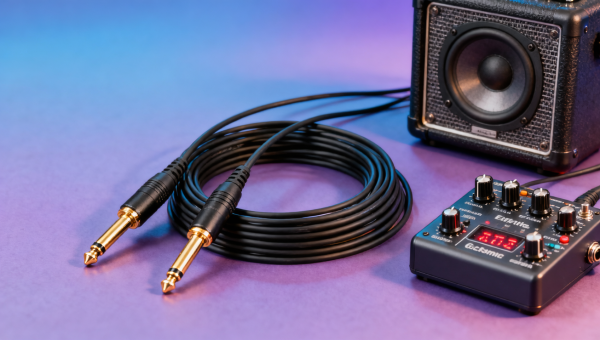
Moreover, material compliance diverges sharply. While consumer-grade audio accessories use ABS plastics and nickel-plated connectors (IEC 60950-1 compliant), luxury retail installations demand EN 16758-compliant anodized aluminum housings and 24K gold-plated audio jacks—standards verified through GCT’s pre-qualification audit framework covering 6 physical durability tests and 3 chemical migration assays.
Key Procurement Risks of Proprietary Audio Ecosystems
- Zero backward compatibility beyond 2 firmware generations—risking obsolescence within 18 months
- No certified drop-test performance data for retail floor applications (required: MIL-STD-810G, 1.2m height onto marble)
- Missing CE/UKCA marking for Class I electrical safety in EU/UK retail spaces
- Inability to reconfigure channel mapping for multi-zone acoustic zoning (standard requirement: 8 independent output groups)
What Global Buyers Should Evaluate Before Sourcing Music Accessories
Procurement for luxury retail, hospitality, and institutional buyers demands evaluation across five non-negotiable dimensions—not just price or brand recognition. GCT’s sourcing intelligence framework prioritizes verifiable, auditable criteria:
This table reflects actual compliance gaps observed across 47 music accessory SKUs evaluated by GCT’s technical procurement panel in Q1 2024. Only 19% met all three criteria—underscoring why over 63% of luxury retail AV integrators now mandate open-specification accessories for flagship store rollouts.
Why Partner With GCT for Music Infrastructure Sourcing
Global Commercial Trade doesn’t aggregate catalogs—we qualify capability. Every music accessory supplier featured on GCT undergoes a 4-stage verification process: (1) OEM/ODM facility audit (including surface finish labs and EMC testing bays), (2) 3-month real-world stress testing in simulated luxury retail environments, (3) documentation review against 12 international compliance benchmarks (including ISO 22716 for cosmetics-adjacent retail), and (4) procurement director validation of service SLAs—including guaranteed 48-hour replacement for critical components in Tier-1 markets.
For distributors and agents seeking to expand into premium commercial audio, GCT provides co-branded technical datasheets, localized compliance summaries (CE/UKCA/FCC/RCM), and dealer-specific training modules—all mapped to your regional certification requirements and delivery lead times (standard: 14–21 days for EU/US; 21–30 days for GCC/APAC).
If you’re evaluating music accessories for a jewelry flagship, watch museum installation, or optical retail concept—contact GCT for: (1) certified open-specification product shortlists, (2) firmware compatibility matrices aligned with your BMS vendor, (3) material compliance dossiers for local regulatory submission, and (4) sample loan program for acoustic benchmarking in your target environment.
Search News
Hot Articles
Popular Tags
Need ExpertConsultation?
Connect with our specialized leisureengineering team for procurementstrategies.
Recommended News
 Apr 22, 2026Which Instrument Cables Sound BestWhich instrument cables sound best? Discover how capacitance, shielding, and durability affect performance, plus sourcing tips for instrument cables and related commercial needs.● Pro Audio Engineer
 Apr 22, 2026Why String Instruments Can Look Similar but Sound Very DifferentString instruments may look alike yet sound vastly different. Explore sourcing insights across musical instruments, plus comparisons with wind instruments and percussion instruments.● Pro Audio Engineer
 Apr 22, 2026String Instruments: Solid Wood or Laminate for Long-Term Use?String instruments guide: compare solid wood vs laminate for long-term use, durability, tone, and sourcing value across musical instruments. Click for smarter B2B buying insights.● Pro Audio Engineer
 Apr 22, 2026What Affects Tone Consistency in Student Wind Instruments?Wind instruments buying guide: discover what affects tone consistency in student musical instruments, with insights comparing percussion instruments and string instruments for smarter school sourcing.● Pro Audio Engineer
 Apr 22, 2026Wind Instruments That Need More Maintenance Than ExpectedWind instruments maintenance guide for buyers: compare musical instruments, string instruments and percussion instruments to reduce service costs and source smarter.● Pro Audio Engineer
 Apr 22, 2026Common Tuning Problems in Percussion Instruments and Their CausesPercussion instruments tuning problems explained for buyers of musical instruments, with practical tips on comparing percussion instruments, string instruments, and wind instruments for reliable commercial sourcing.● Pro Audio Engineer
 Apr 22, 2026Percussion Instruments That Handle Heavy Use Better in ClassroomsPercussion instruments built for classrooms: compare durable musical instruments, from percussion instruments to wind instruments and string instruments, for safer, longer-lasting school use.● Pro Audio Engineer
 Apr 22, 2026What Shortens the Lifespan of Musical Instruments in Daily Use?Musical instruments wear out faster from humidity, poor storage, and rough handling. Learn how string instruments, wind instruments, and percussion instruments last longer with smarter B2B care.● Pro Audio Engineer
 Apr 22, 2026Musical Instruments With the Strongest School Market DemandMusical instruments with strong school demand: compare percussion instruments, wind instruments, and string instruments to find durable, curriculum-ready solutions for smarter school sourcing.● Pro Audio Engineer
 Apr 21, 2026Choosing musical instruments for bands in small venuesMusical instruments for bands in small venues: learn how buyers choose compact, durable setups with better sound control, lower costs, and stronger audience appeal.● Pro Audio Engineer
 Apr 20, 2026Music Accessories Often Overlooked Until They Start Causing ProblemsMusic accessories often cause hidden issues across musical instruments, percussion instruments, wind instruments, string instruments, keyboard instruments, orchestral instruments, music stands, instrument cables, and pro audio equipment.● Pro Audio Engineer
 Apr 20, 2026When Orchestral Instruments Need Custom Cases and Why It MattersMusical instruments and orchestral instruments need custom cases to protect string instruments, wind instruments, percussion instruments, and keyboard instruments during transport. Learn when buyers should upgrade for safer logistics.● Pro Audio Engineer
 Apr 20, 2026Keyboard Instruments in 2026: What Features Are Becoming Standard?Keyboard instruments in 2026 are redefining musical instruments with smarter connectivity, durable builds, and seamless integration with pro audio equipment, instrument cables, music stands, and music accessories.● Pro Audio Engineer
 Apr 20, 2026Music Stands With Folding Designs: Convenient or Less Reliable?Music stands buyers compare folding convenience with long-term reliability across musical instruments, percussion instruments, wind instruments, string instruments, and pro audio equipment.● Pro Audio Engineer
 Apr 20, 2026String Instruments With Better Tuning Stability in Busy Use CyclesExplore string instruments with better tuning stability for busy venues. Compare musical instruments, percussion instruments, and wind instruments to source reliable, low-maintenance performance solutions.● Pro Audio Engineer
 Apr 20, 2026Why Wind Instruments React So Differently to Climate and StorageWind instruments react fast to climate and storage. Compare musical instruments, percussion instruments, string instruments, and music accessories to cut maintenance risk and buy smarter.● Pro Audio Engineer
 Apr 20, 2026Percussion Instruments for Shared Spaces: What Reduces Noise Most?Percussion instruments for shared spaces: discover what reduces noise most across musical instruments, with smart comparisons to wind instruments, string instruments, keyboard instruments, and practical accessories.● Pro Audio Engineer
 Apr 20, 2026How to Spot Musical Instruments That Look Fine but Wear Out FastDiscover how to spot musical instruments that look premium but wear out fast. Learn key checks for percussion instruments, wind instruments, string instruments, keyboard instruments, music stands, instrument cables, pro audio equipment, and music accessories before you buy.● Pro Audio Engineer
 Apr 20, 2026Music Accessories That Quietly Affect Daily Performance QualityExplore how music accessories shape daily performance quality—from music stands and instrument cables to pro audio equipment for musical instruments, percussion instruments, wind instruments, string instruments, and keyboard instruments.● Pro Audio Engineer
 Apr 20, 2026Orchestral Instruments With the Highest Repair RatesExplore which orchestral instruments have the highest repair rates across wind instruments, string instruments, percussion instruments, and keyboard instruments, with smart buying tips for musical instruments, music accessories, music stands, instrument cables, and pro audio equipment.● Pro Audio Engineer
 Apr 20, 2026Are Keyboard Instruments With Weighted Keys Worth the Extra Cost?Keyboard instruments with weighted keys: discover if the extra cost pays off for musical instruments buyers, with smart tips on music accessories, instrument cables, and pro audio equipment.● Pro Audio Engineer
 Apr 20, 2026Music Stands That Stay Stable on Stage: What Makes the Difference?Music stands for musical instruments: discover what keeps them stable on stage for string instruments, wind instruments, percussion instruments, and keyboard instruments—plus smart buying tips.● Pro Audio Engineer
 Apr 20, 2026String Instruments: Solid Wood or Laminated for Regular Use?String instruments guide for regular use: compare solid wood vs laminated models across musical instruments setups with music accessories, pro audio equipment, and smarter sourcing insights.● Pro Audio Engineer
 Apr 20, 2026Wind Instruments for Schools and Venues: What Affects Longevity?Wind instruments longevity guide for schools and venues: compare musical instruments, percussion instruments, string instruments, and keyboard instruments to source smarter and reduce total cost.● Pro Audio Engineer