What Affects Tone Consistency in Student Wind Instruments?
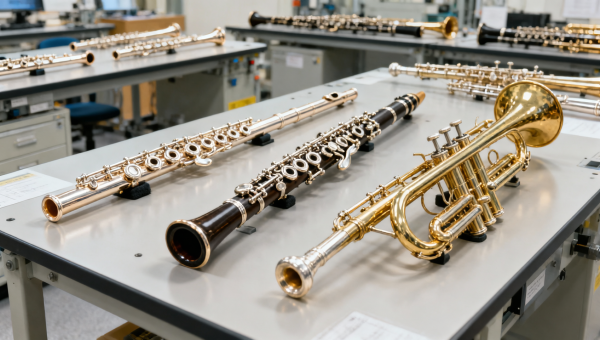
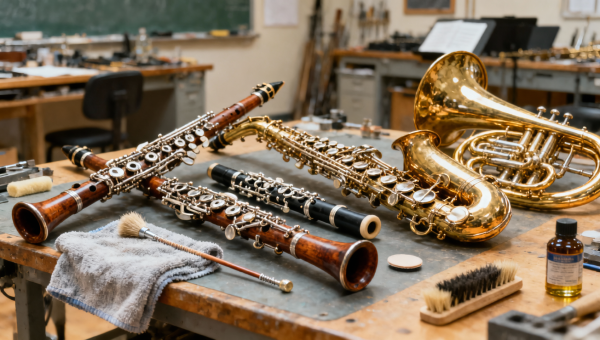
For buyers, dealers, and evaluators, tone consistency in student wind instruments is mainly determined by four practical factors: material stability, bore and keywork design, pad and joint sealing, and manufacturing consistency from unit to unit. In the student market, the issue is not whether an instrument can produce a good tone once, but whether it can deliver a reliable, centered sound across many players, repeated classroom use, and large-volume procurement. That makes tone consistency both a musical quality issue and a sourcing risk indicator.
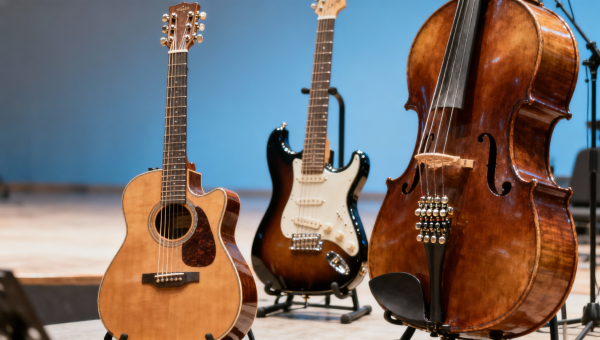
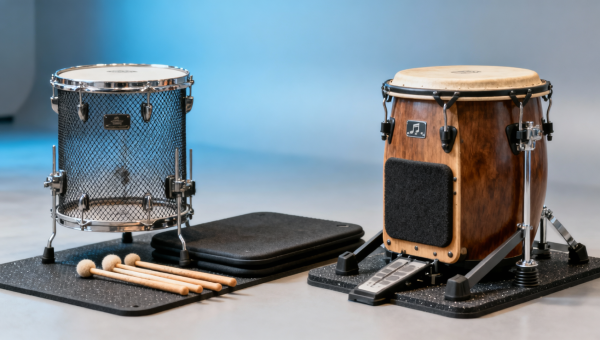
For school supply buyers, distributors, and commercial assessment teams, this matters beyond woodwinds or brass alone. When comparing wind instruments alongside percussion instruments and string instruments, the real question is which products maintain predictable performance, require fewer adjustments, and support better user outcomes over time. In that context, tone consistency becomes a measurable sign of product reliability, after-sales burden, and long-term value.
What Buyers Are Really Evaluating When They Ask About Tone Consistency
When people search for what affects tone consistency in student wind instruments, they are usually not looking for a purely academic acoustics explanation. They want to know which manufacturing and design factors influence whether an instrument sounds even, responds easily, and stays dependable in real educational or retail settings.
For commercial buyers and channel partners, the concern usually includes:
- Whether different units from the same batch perform similarly
- Whether beginners can produce a stable tone without excessive effort
- How quickly the instrument goes out of adjustment in school use
- Whether service claims, returns, or dealer complaints are likely to increase
- How product quality compares across supplier tiers
In other words, tone consistency is not just about sound character. It is closely tied to quality control, product durability, and commercial suitability.
Material Quality Sets the Baseline for Stable Tone
One of the biggest influences on student wind instrument tone consistency is material quality. This applies differently across brass and woodwind categories, but the sourcing principle is the same: unstable materials produce unstable response.
In brass instruments, alloy composition, wall thickness, and forming quality affect vibration behavior and resonance. If tubing thickness varies too much or soldering quality is inconsistent, tone can become uneven across registers. Notes may feel resistant in one area and overly loose in another. For student players, this creates the impression that the instrument is difficult, even when the problem is actually build quality.
In woodwinds, body material, pad backing materials, spring quality, and key arm rigidity all influence tonal stability. Even on synthetic or composite student models, low-grade material selection can reduce structural stability, especially when instruments face frequent assembly, transport, and climate changes in schools.
For procurement teams, the key takeaway is simple: better materials do not only improve appearance or durability. They also help keep the tone more even from note to note and from one instrument to another.
Bore Design and Internal Geometry Have a Direct Effect on Evenness
Bore design is one of the most technically important factors in tone consistency. The internal dimensions of a wind instrument strongly influence intonation, resistance, projection, and tonal balance. In student instruments, the goal is usually not maximum tonal complexity, but predictable and forgiving performance.
If the bore profile is poorly designed or inconsistently manufactured, players may experience:
- Uneven tone color between registers
- Notes that break too easily or not easily enough
- Inconsistent air resistance
- Weak low notes or unstable high notes
- Poor blending in classroom or ensemble settings
This matters because beginners rely on instrument design to support basic tone production. A well-designed student model should help create a centered tone without requiring advanced embouchure control. For dealers and school suppliers, this means bore accuracy should be treated as a functional quality benchmark, not just an engineering detail.
Pad Sealing, Valve Compression, and Joint Fit Often Matter More Than Buyers Expect
Many tone consistency problems in student wind instruments are not caused by dramatic design flaws, but by small leaks and fit issues. In woodwinds, poor pad seating or unstable key regulation can weaken tone, reduce response, and make articulation uneven. In brass instruments, air leaks at joints, water key assemblies, valve sections, or slides can reduce resonance and clarity.
These issues are especially important in student products because entry-level users often cannot compensate for mechanical weakness. A professional player may adjust around minor instability. A beginner usually cannot.
For evaluation teams, the practical implication is that mechanical sealing quality should be reviewed alongside acoustic claims. Instruments that look acceptable visually can still perform inconsistently if:
- Pads do not close evenly
- Valves lack proper compression
- Tenons or joints fit too loosely
- Slides are poorly aligned
- Assembly tolerances vary across production runs
This is also where after-sales costs often begin. Products with weak sealing and fit control may generate frequent setup requests, classroom downtime, and warranty dissatisfaction.
Manufacturing Precision Determines Whether One Unit Matches the Next
For B2B buyers, this is often the most important point. An individual sample can sound good, but large-volume procurement requires consistency across batches. Tone consistency in student wind instruments depends heavily on whether the factory can reproduce the same design standard repeatedly.
Critical production variables include:
- Tolerance control in bore dimensions and tone hole placement
- Key alignment and action geometry
- Uniform soldering and brazing quality
- Surface finishing that does not interfere with fit or vibration
- Final setup and play-testing standards
If these processes are not tightly controlled, tone quality may vary from instrument to instrument even within the same model line. For importers, distributors, and institutional buyers, that creates a serious commercial problem. It becomes harder to standardize classroom fleets, support dealer confidence, and predict return rates.
This is why reliable suppliers are usually distinguished less by one strong prototype and more by repeatable factory discipline.
Player Interface Design Also Influences Perceived Tone Consistency
Not all tone inconsistency comes from internal acoustics alone. Ergonomics and response design also shape how consistently students can produce a usable sound. If key spacing is awkward, air support may become uneven because the student struggles with posture or finger coordination. If resistance is poorly balanced, young players may overblow or under-support certain notes.
From a market perspective, this means tone consistency should be assessed partly through user fit. Student instruments should be easy to control, not merely technically playable. A model that performs well only under experienced hands may not be the best option for schools or entry-level retail.
For buyers comparing wind instruments with percussion instruments and string instruments in education-focused portfolios, this is an important difference. Wind instruments are especially sensitive to the interaction between build quality and user technique, so product evaluation must consider the learning environment, not just the specification sheet.
How to Assess Tone Consistency Before Making a Sourcing Decision
For procurement specialists and distributors, the most useful approach is to evaluate tone consistency through a repeatable checklist rather than relying only on brand claims.
Useful assessment methods include:
- Testing multiple units from the same model instead of a single sample
- Checking note response across low, middle, and high registers
- Listening for abrupt tonal changes between adjacent notes
- Inspecting pad seating, valve action, joint fit, and slide smoothness
- Reviewing factory QC procedures and final play-test standards
- Comparing classroom durability and maintenance frequency from existing users
It is also wise to ask suppliers practical questions such as:
- What are the acceptable production tolerances for bore and keywork?
- Is every unit play-tested before shipment?
- How are pad leaks or valve compression issues controlled?
- What percentage of output requires rework after assembly?
- Can the supplier provide consistency data across recent batches?
These questions help separate suppliers with genuine process control from those relying mainly on surface-level presentation.
Why Tone Consistency Matters Commercially in Education and Retail Markets
In student segments, tone consistency has a direct business impact. Instruments that respond predictably support better first experiences, fewer complaints, and more stable brand perception. Instruments with inconsistent tone increase teacher frustration, service interventions, and dealer support pressure.
For schools, consistent tone quality helps with ensemble balance, student retention, and maintenance planning. For retailers and distributors, it improves confidence that the product line will perform reliably across branches or territories. For brand evaluators, it is an indicator of whether the supplier can support scale without quality drift.
This is especially relevant in competitive portfolios that include wind instruments, percussion instruments, and string instruments. Buyers often compare categories not only by unit price, but by educational outcome, product lifespan, service frequency, and total ownership cost. A student wind instrument with better tone consistency may deliver stronger long-term value even if the initial purchase cost is slightly higher.
Conclusion
What affects tone consistency in student wind instruments comes down to a combination of material quality, bore and internal design accuracy, sealing performance, and manufacturing precision. For commercial buyers, the most important insight is that tone consistency is not just a musical preference. It is a practical indicator of reliability, user success, maintenance burden, and sourcing risk.
When evaluating suppliers or product lines, focus less on marketing language and more on repeatable performance across units, solid mechanical integrity, and quality control discipline. In education and entry-level retail markets, the instruments that win are not simply those that sound impressive in one demonstration, but those that deliver stable, dependable results every day.
Search News
Hot Articles
- Stage Lighting & TrussCCTV5 Snooker Broadcast Drives 37% Surge in Stage Lighting Export InquiriesApr 21, 2026
- Indoor PlaygroundVietnam Mandates Child Finger-Trap Sensors for Indoor Play EquipmentApr 21, 2026
- Stage Lighting & TrussGuangdong vs. Shanxi CBA Game Highlights Domestic Smart Arena LightingApr 21, 2026
Popular Tags
Need ExpertConsultation?
Connect with our specialized leisureengineering team for procurementstrategies.
Recommended News
 Apr 22, 2026Which Instrument Cables Sound BestWhich instrument cables sound best? Discover how capacitance, shielding, and durability affect performance, plus sourcing tips for instrument cables and related commercial needs.● Pro Audio Engineer
 Apr 22, 2026Why String Instruments Can Look Similar but Sound Very DifferentString instruments may look alike yet sound vastly different. Explore sourcing insights across musical instruments, plus comparisons with wind instruments and percussion instruments.● Pro Audio Engineer
 Apr 22, 2026String Instruments: Solid Wood or Laminate for Long-Term Use?String instruments guide: compare solid wood vs laminate for long-term use, durability, tone, and sourcing value across musical instruments. Click for smarter B2B buying insights.● Pro Audio Engineer
 Apr 22, 2026What Affects Tone Consistency in Student Wind Instruments?Wind instruments buying guide: discover what affects tone consistency in student musical instruments, with insights comparing percussion instruments and string instruments for smarter school sourcing.● Pro Audio Engineer
 Apr 22, 2026Wind Instruments That Need More Maintenance Than ExpectedWind instruments maintenance guide for buyers: compare musical instruments, string instruments and percussion instruments to reduce service costs and source smarter.● Pro Audio Engineer
 Apr 22, 2026Common Tuning Problems in Percussion Instruments and Their CausesPercussion instruments tuning problems explained for buyers of musical instruments, with practical tips on comparing percussion instruments, string instruments, and wind instruments for reliable commercial sourcing.● Pro Audio Engineer
 Apr 22, 2026Percussion Instruments That Handle Heavy Use Better in ClassroomsPercussion instruments built for classrooms: compare durable musical instruments, from percussion instruments to wind instruments and string instruments, for safer, longer-lasting school use.● Pro Audio Engineer
 Apr 22, 2026What Shortens the Lifespan of Musical Instruments in Daily Use?Musical instruments wear out faster from humidity, poor storage, and rough handling. Learn how string instruments, wind instruments, and percussion instruments last longer with smarter B2B care.● Pro Audio Engineer
 Apr 22, 2026Musical Instruments With the Strongest School Market DemandMusical instruments with strong school demand: compare percussion instruments, wind instruments, and string instruments to find durable, curriculum-ready solutions for smarter school sourcing.● Pro Audio Engineer
 Apr 21, 2026Choosing musical instruments for bands in small venuesMusical instruments for bands in small venues: learn how buyers choose compact, durable setups with better sound control, lower costs, and stronger audience appeal.● Pro Audio Engineer
 Apr 20, 2026Music Accessories Often Overlooked Until They Start Causing ProblemsMusic accessories often cause hidden issues across musical instruments, percussion instruments, wind instruments, string instruments, keyboard instruments, orchestral instruments, music stands, instrument cables, and pro audio equipment.● Pro Audio Engineer
 Apr 20, 2026When Orchestral Instruments Need Custom Cases and Why It MattersMusical instruments and orchestral instruments need custom cases to protect string instruments, wind instruments, percussion instruments, and keyboard instruments during transport. Learn when buyers should upgrade for safer logistics.● Pro Audio Engineer
 Apr 20, 2026Keyboard Instruments in 2026: What Features Are Becoming Standard?Keyboard instruments in 2026 are redefining musical instruments with smarter connectivity, durable builds, and seamless integration with pro audio equipment, instrument cables, music stands, and music accessories.● Pro Audio Engineer
 Apr 20, 2026Music Stands With Folding Designs: Convenient or Less Reliable?Music stands buyers compare folding convenience with long-term reliability across musical instruments, percussion instruments, wind instruments, string instruments, and pro audio equipment.● Pro Audio Engineer
 Apr 20, 2026String Instruments With Better Tuning Stability in Busy Use CyclesExplore string instruments with better tuning stability for busy venues. Compare musical instruments, percussion instruments, and wind instruments to source reliable, low-maintenance performance solutions.● Pro Audio Engineer
 Apr 20, 2026Why Wind Instruments React So Differently to Climate and StorageWind instruments react fast to climate and storage. Compare musical instruments, percussion instruments, string instruments, and music accessories to cut maintenance risk and buy smarter.● Pro Audio Engineer
 Apr 20, 2026Percussion Instruments for Shared Spaces: What Reduces Noise Most?Percussion instruments for shared spaces: discover what reduces noise most across musical instruments, with smart comparisons to wind instruments, string instruments, keyboard instruments, and practical accessories.● Pro Audio Engineer
 Apr 20, 2026How to Spot Musical Instruments That Look Fine but Wear Out FastDiscover how to spot musical instruments that look premium but wear out fast. Learn key checks for percussion instruments, wind instruments, string instruments, keyboard instruments, music stands, instrument cables, pro audio equipment, and music accessories before you buy.● Pro Audio Engineer
 Apr 20, 2026Music Accessories That Quietly Affect Daily Performance QualityExplore how music accessories shape daily performance quality—from music stands and instrument cables to pro audio equipment for musical instruments, percussion instruments, wind instruments, string instruments, and keyboard instruments.● Pro Audio Engineer
 Apr 20, 2026Orchestral Instruments With the Highest Repair RatesExplore which orchestral instruments have the highest repair rates across wind instruments, string instruments, percussion instruments, and keyboard instruments, with smart buying tips for musical instruments, music accessories, music stands, instrument cables, and pro audio equipment.● Pro Audio Engineer
 Apr 20, 2026Are Keyboard Instruments With Weighted Keys Worth the Extra Cost?Keyboard instruments with weighted keys: discover if the extra cost pays off for musical instruments buyers, with smart tips on music accessories, instrument cables, and pro audio equipment.● Pro Audio Engineer
 Apr 20, 2026Music Stands That Stay Stable on Stage: What Makes the Difference?Music stands for musical instruments: discover what keeps them stable on stage for string instruments, wind instruments, percussion instruments, and keyboard instruments—plus smart buying tips.● Pro Audio Engineer
 Apr 20, 2026String Instruments: Solid Wood or Laminated for Regular Use?String instruments guide for regular use: compare solid wood vs laminated models across musical instruments setups with music accessories, pro audio equipment, and smarter sourcing insights.● Pro Audio Engineer
 Apr 20, 2026Wind Instruments for Schools and Venues: What Affects Longevity?Wind instruments longevity guide for schools and venues: compare musical instruments, percussion instruments, string instruments, and keyboard instruments to source smarter and reduce total cost.● Pro Audio Engineer