String Instruments: Solid Wood or Laminate for Long-Term Use?
When sourcing string instruments for schools, studios, retailers, or performance venues, the choice between solid wood and laminate can directly affect durability, tone, and lifetime value. For buyers comparing musical instruments across commercial settings, understanding long-term performance is essential. This guide helps procurement teams, distributors, and market researchers evaluate which construction better supports reliable use, maintenance efficiency, and purchasing decisions.
Why does the wood construction matter in long-term commercial use?
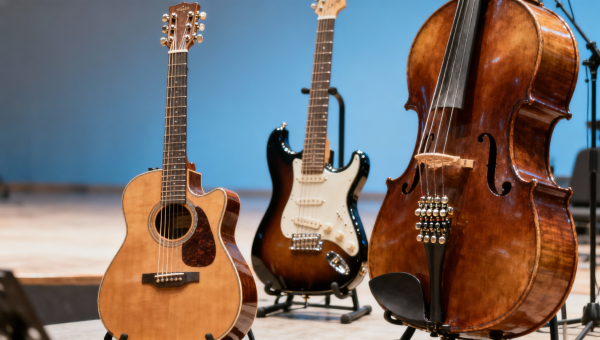
In the pro audio and musical instruments segment, string instruments are not purchased only for sound. They are selected for service life, maintenance predictability, user satisfaction, and replacement cycles. A violin, cello, guitar, or double bass used in a teaching lab or rental fleet may pass through dozens of players in 12–36 months, so the construction method matters as much as the initial price.
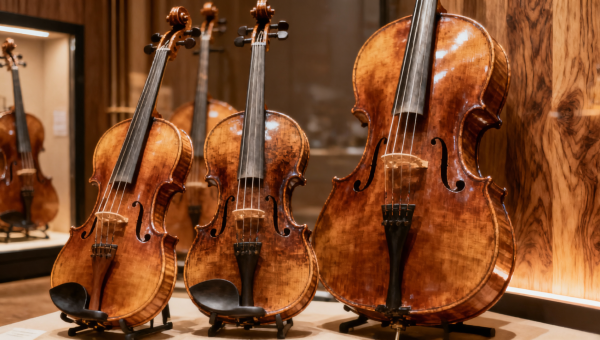
Solid wood instruments are built with tonewoods such as spruce, maple, mahogany, or cedar in carved or joined pieces. Laminate instruments use layered wood sheets bonded together under pressure. Both options exist across student, intermediate, and some commercial-grade product lines, but they behave differently under humidity changes, handling stress, and repeated transport.
For procurement teams, the key question is not simply which material is better. The real question is which construction matches the operating environment. A climate-controlled recital hall, a school orchestra room with daily handling, and a distributor’s mixed inventory model all require different priorities. Long-term value often comes from fit-for-purpose selection rather than from choosing the highest-spec instrument on paper.
This is where B2B sourcing becomes more strategic. Buyers need to evaluate not only tone and appearance, but also packaging reliability, moisture resistance during shipping, setup consistency, available replacement parts, and support for OEM or private-label programs. Global Commercial Trade (GCT) supports these decisions by helping commercial buyers compare sourcing risks, product positioning, and supplier capabilities across global markets.
Three core decision lenses for buyers
- Use intensity: daily classroom circulation, rental turnover, or stage performance each creates different wear patterns over 1–5 years.
- Environment control: stable indoor humidity around 40%–60% is very different from fluctuating warehouse, shipping, or public venue conditions.
- Commercial objective: entry-level fleet durability, premium sound positioning, or distributor margin strategy may lead to different material choices.
A buyer who frames the purchase around these 3 lenses can reduce mismatch risk early. That is especially useful for institutions and distributors managing medium-volume or large-volume orders, where a poor construction choice can multiply maintenance costs across 20, 50, or even 200 units.
Solid wood vs laminate: what changes in tone, durability, and maintenance?
The most visible debate around string instruments usually centers on tone. In general commercial use, however, tone cannot be separated from structure. Solid wood tends to deliver more resonance, stronger dynamic response, and greater tonal complexity over time. Laminate usually provides more stable structural behavior under rough handling and changing climate conditions, especially in student or rental environments.
Long-term use also depends on how the instrument will age. A well-made solid wood instrument can open up acoustically over several years of regular playing, which is valuable in conservatories, higher-end studio work, and premium retail. By contrast, laminate instruments are often less responsive in tonal development, but they can retain functional reliability with fewer surprises in demanding circulation settings.
Maintenance behavior is another practical difference. Solid wood is more sensitive to dryness, swelling, cracks, seam movement, and top or back distortion if stored outside ideal ranges. Laminate is not immune to damage, but it often tolerates impact, travel, and short-term humidity variation better. For venues without instrument technicians on site, this can influence total ownership cost within the first 2–4 years.
The table below helps buyers compare solid wood and laminate across the criteria most relevant to sourcing, commercial deployment, and lifetime planning.
For many buyers, the table makes one point clear: laminate is not simply a low-end substitute, and solid wood is not automatically the most economical long-term option. The right decision depends on whether the instrument’s main job is sound refinement, operational endurance, or balanced commercial performance.
Where buyers often misjudge the comparison
A common mistake is to compare only factory specifications and ignore post-delivery conditions. If instruments will move between rehearsal rooms, buses, storage areas, and event spaces every week, laminate may outperform solid wood in practical uptime. On the other hand, if the instrument will remain in a managed environment and represent the venue’s artistic standard, solid wood often carries stronger long-term value.
Another issue is inconsistent setup. Even a good solid wood instrument may disappoint if bridge fitting, string choice, fingerboard finishing, or pegs are not prepared correctly before shipment. Procurement teams should therefore assess construction and setup together, especially when comparing offers from multiple OEM or export suppliers.
Which construction fits different commercial scenarios?
In sports and entertainment-linked environments, musical instruments are often used in public-facing and high-turnover settings. Examples include school performance programs, cultural venues, resort entertainment departments, music retail chains, rental businesses, and training studios. Each scenario places different pressure on durability, sound quality, visual appeal, and replacement frequency.
For a buyer managing multiple sites, segmentation is often smarter than standardization. It may be more efficient to source laminate instruments for beginner circulation and reserve solid wood lines for advanced programs or showcase inventory. This two-tier strategy can improve budget allocation over 1 procurement cycle while keeping the user experience aligned with skill level and business positioning.
The next table maps common commercial scenarios to the most practical construction preference, including the reason behind the recommendation. These are not absolute rules, but they reflect common sourcing logic used by distributors, institutional buyers, and venue managers.
This scenario mapping is especially useful for dealers and agents building a product matrix. It shows why a single-material strategy may narrow market reach. In many regions, the most resilient channel model is a portfolio with 3 levels: durable student stock, mid-range hybrid options, and premium solid wood instruments for aspirational buyers.
A practical allocation model for institutions
If you manage multiple user groups, consider this split
- Beginner pool: prioritize laminate instruments for first-year or shared-use classes where handling risk is highest.
- Developing players: use hybrid or solid top models that improve tonal experience without fully exposing the budget to premium repair risk.
- Showcase or performance pool: reserve full solid wood instruments for lead performers, recitals, or commercial presentation settings.
This allocation framework can reduce overbuying while preserving brand presentation. It also supports phased procurement, where buyers place a first order for core stock and a second order 6–12 months later based on actual usage data and maintenance records.
What should procurement teams check before placing an order?
A reliable sourcing decision for string instruments should move beyond product photos and wood descriptions. Commercial buyers need a structured review process that covers build consistency, shipping protection, setup readiness, and after-sales parts availability. This is particularly important when sourcing across borders, where return logistics can be slow and expensive.
A disciplined procurement review usually starts with 5 key checkpoints: construction type, setup standard, climate packaging, accessory completeness, and replacement support. If one of these areas is unclear, the risk does not disappear; it simply shifts into post-delivery cost. For bulk orders, that hidden cost can be larger than the price gap between laminate and solid wood.
Commercial buyers should also request sample evaluation when possible. A 1–3 unit sample round often reveals more than a spec sheet, especially for neck alignment, finish consistency, tuning stability, bridge cut quality, and case protection. For distributors, sample review also helps define whether the item belongs in rental inventory, retail display, or dealer-only catalog supply.
The following checklist summarizes the areas most worth confirming before signing off on a string instrument order.
Five-point sourcing checklist
- Confirm the exact construction: full solid wood, solid top with laminate back and sides, or full laminate. Do not rely on broad terms such as “wooden body.”
- Ask about setup completion: bridge fitting, soundpost position where applicable, string installation, nut and fingerboard finishing, and tuning machine or peg function.
- Check packaging and shipping readiness: carton reinforcement, humidity protection, case quality, and container or air shipment suitability over 7–30 day transit windows.
- Review spare-part continuity: bridges, strings, chin rests, tailpieces, endpins, bows, cases, and matching accessories should remain available for future replenishment.
- Clarify inspection and claim process: acceptable tolerance standards, pre-shipment checks, and the evidence needed for damage or defect claims.
For schools and venue operators, these 5 checkpoints help reduce downtime. For distributors and agents, they also support more accurate pricing, because a properly defined product requires fewer emergency adjustments after arrival. GCT helps buyers compare suppliers on these operational criteria, not just on unit cost.
Lead time and order planning
Typical lead times vary by order size, setup depth, and packaging requirements. Standard export-ready models may move in a few weeks, while OEM packaging, accessory bundling, or custom setup can add additional time. Buyers should separate production time, quality control time, and shipping time instead of treating delivery as one single number.
A practical planning method is to build procurement in 4 stages: specification confirmation, sample approval, bulk production, and pre-shipment inspection. This staged approach creates clearer decision gates and is especially useful when the order includes both laminate and solid wood lines for different channels.
How do cost, lifecycle value, and risk compare?
Price differences between solid wood and laminate string instruments are real, but purchase cost alone does not define value. A lower-cost instrument may become expensive if it drives high service frequency, user dissatisfaction, or fast replacement. Likewise, a premium instrument may be financially inefficient if deployed in a rough environment that shortens its usable life.
For lifecycle evaluation, buyers should compare at least 4 dimensions: acquisition price, expected maintenance frequency, replacement interval, and user-facing performance. In many B2B settings, laminate wins on operational stability, while solid wood wins on artistic and premium positioning. Hybrid models often sit in the middle and deserve serious consideration when budget and quality must both be protected.
The table below shows a practical budgeting view for buyers who need to balance upfront investment with long-term use conditions rather than chase the lowest quote.
The takeaway is straightforward: the cheapest bid is not always the lowest-cost solution over 2–5 years. Buyers should calculate value based on where and how the instrument will be used, how many users will handle it, and whether tonal refinement affects revenue, enrollment, or commercial image.
When a hybrid option makes sense
Many procurement projects benefit from a middle path. Instruments with a solid top and laminate back and sides can deliver better tonal response than full laminate while limiting some structural risk and cost. For private academies, reseller house brands, and studio teaching fleets, this can be one of the most balanced commercial choices.
Hybrid construction is particularly relevant when buyers need a visible upgrade path. It allows dealers to create a clearer step-up range and helps institutions offer improved sound for advancing students without jumping directly into the highest maintenance category.
FAQ: common sourcing questions buyers ask
Are solid wood string instruments always better for long-term use?
Not always. If long-term use means controlled storage, regular playing, and premium tonal expectations, solid wood often performs better. If long-term use means heavy circulation, transport, and limited maintenance support, laminate may provide more reliable service. The better choice depends on operating conditions, not on prestige alone.
Which option is better for schools and institutional buyers?
For beginner programs and shared inventory, laminate is often the more practical option. It generally handles frequent use, storage inconsistency, and entry-level handling better. For advanced ensembles or recital-focused programs, adding a smaller number of solid wood instruments can raise performance quality without forcing the entire fleet into a higher-risk maintenance profile.
What should distributors ask suppliers before listing a string instrument line?
Distributors should ask for clear construction labeling, setup details, accessory specification, sample policy, packaging information, and spare-part continuity. They should also confirm whether the supplier can support mixed orders, private labeling, and recurring production consistency across multiple batches over 6–12 months.
How important are humidity and storage conditions?
They are highly important, especially for solid wood instruments. Environments maintained around 40%–60% relative humidity are generally safer than spaces with rapid fluctuations. Even a strong product can develop issues if it moves repeatedly between very dry and very humid conditions. Buyers should therefore review packaging, warehouse practice, and end-user storage instructions as part of procurement.
Can one procurement project include both solid wood and laminate models?
Yes, and in many cases that is the smartest structure. A mixed procurement strategy supports tiered pricing, different user groups, and more efficient risk allocation. It is especially suitable for dealers, academies, music retailers, and venue operators that serve both beginners and advanced performers.
Why work with GCT when evaluating string instruments for sourcing?
String instrument sourcing becomes complex when buyers must compare tone expectations, durability targets, packaging requirements, and supplier reliability across regions. GCT helps simplify that process for procurement teams, business evaluators, distributors, and agents by focusing on commercially useful intelligence rather than generic product claims.
Because GCT operates across hospitality, educational supply, leisure, and pro audio-related sectors, we understand that instruments are often purchased as part of a broader commercial experience. That means the decision may involve not only the product itself, but also venue image, institutional planning, resale structure, replenishment strategy, and after-sales continuity.
If you are comparing solid wood and laminate string instruments for long-term use, we can help you review 4 practical areas: product positioning, supplier fit, order structure, and risk control. This is useful whether you are building a school music fleet, expanding a dealer portfolio, qualifying OEM options, or selecting instruments for hospitality and performance environments.
You can contact GCT to discuss construction type, setup expectations, bulk order planning, sample support, delivery windows, packaging requirements, private-label opportunities, and general compliance or specification questions. A better sourcing decision starts with clearer technical comparison and a commercial strategy that matches the real use case.
Search News
Hot Articles
Popular Tags
Need ExpertConsultation?
Connect with our specialized leisureengineering team for procurementstrategies.
Recommended News
 Apr 22, 2026Which Instrument Cables Sound BestWhich instrument cables sound best? Discover how capacitance, shielding, and durability affect performance, plus sourcing tips for instrument cables and related commercial needs.● Pro Audio Engineer
 Apr 22, 2026Why String Instruments Can Look Similar but Sound Very DifferentString instruments may look alike yet sound vastly different. Explore sourcing insights across musical instruments, plus comparisons with wind instruments and percussion instruments.● Pro Audio Engineer
 Apr 22, 2026String Instruments: Solid Wood or Laminate for Long-Term Use?String instruments guide: compare solid wood vs laminate for long-term use, durability, tone, and sourcing value across musical instruments. Click for smarter B2B buying insights.● Pro Audio Engineer
 Apr 22, 2026What Affects Tone Consistency in Student Wind Instruments?Wind instruments buying guide: discover what affects tone consistency in student musical instruments, with insights comparing percussion instruments and string instruments for smarter school sourcing.● Pro Audio Engineer
 Apr 22, 2026Wind Instruments That Need More Maintenance Than ExpectedWind instruments maintenance guide for buyers: compare musical instruments, string instruments and percussion instruments to reduce service costs and source smarter.● Pro Audio Engineer
 Apr 22, 2026Common Tuning Problems in Percussion Instruments and Their CausesPercussion instruments tuning problems explained for buyers of musical instruments, with practical tips on comparing percussion instruments, string instruments, and wind instruments for reliable commercial sourcing.● Pro Audio Engineer
 Apr 22, 2026Percussion Instruments That Handle Heavy Use Better in ClassroomsPercussion instruments built for classrooms: compare durable musical instruments, from percussion instruments to wind instruments and string instruments, for safer, longer-lasting school use.● Pro Audio Engineer
 Apr 22, 2026What Shortens the Lifespan of Musical Instruments in Daily Use?Musical instruments wear out faster from humidity, poor storage, and rough handling. Learn how string instruments, wind instruments, and percussion instruments last longer with smarter B2B care.● Pro Audio Engineer
 Apr 22, 2026Musical Instruments With the Strongest School Market DemandMusical instruments with strong school demand: compare percussion instruments, wind instruments, and string instruments to find durable, curriculum-ready solutions for smarter school sourcing.● Pro Audio Engineer
 Apr 21, 2026Choosing musical instruments for bands in small venuesMusical instruments for bands in small venues: learn how buyers choose compact, durable setups with better sound control, lower costs, and stronger audience appeal.● Pro Audio Engineer
 Apr 20, 2026Music Accessories Often Overlooked Until They Start Causing ProblemsMusic accessories often cause hidden issues across musical instruments, percussion instruments, wind instruments, string instruments, keyboard instruments, orchestral instruments, music stands, instrument cables, and pro audio equipment.● Pro Audio Engineer
 Apr 20, 2026When Orchestral Instruments Need Custom Cases and Why It MattersMusical instruments and orchestral instruments need custom cases to protect string instruments, wind instruments, percussion instruments, and keyboard instruments during transport. Learn when buyers should upgrade for safer logistics.● Pro Audio Engineer
 Apr 20, 2026Keyboard Instruments in 2026: What Features Are Becoming Standard?Keyboard instruments in 2026 are redefining musical instruments with smarter connectivity, durable builds, and seamless integration with pro audio equipment, instrument cables, music stands, and music accessories.● Pro Audio Engineer
 Apr 20, 2026Music Stands With Folding Designs: Convenient or Less Reliable?Music stands buyers compare folding convenience with long-term reliability across musical instruments, percussion instruments, wind instruments, string instruments, and pro audio equipment.● Pro Audio Engineer
 Apr 20, 2026String Instruments With Better Tuning Stability in Busy Use CyclesExplore string instruments with better tuning stability for busy venues. Compare musical instruments, percussion instruments, and wind instruments to source reliable, low-maintenance performance solutions.● Pro Audio Engineer
 Apr 20, 2026Why Wind Instruments React So Differently to Climate and StorageWind instruments react fast to climate and storage. Compare musical instruments, percussion instruments, string instruments, and music accessories to cut maintenance risk and buy smarter.● Pro Audio Engineer
 Apr 20, 2026Percussion Instruments for Shared Spaces: What Reduces Noise Most?Percussion instruments for shared spaces: discover what reduces noise most across musical instruments, with smart comparisons to wind instruments, string instruments, keyboard instruments, and practical accessories.● Pro Audio Engineer
 Apr 20, 2026How to Spot Musical Instruments That Look Fine but Wear Out FastDiscover how to spot musical instruments that look premium but wear out fast. Learn key checks for percussion instruments, wind instruments, string instruments, keyboard instruments, music stands, instrument cables, pro audio equipment, and music accessories before you buy.● Pro Audio Engineer
 Apr 20, 2026Music Accessories That Quietly Affect Daily Performance QualityExplore how music accessories shape daily performance quality—from music stands and instrument cables to pro audio equipment for musical instruments, percussion instruments, wind instruments, string instruments, and keyboard instruments.● Pro Audio Engineer
 Apr 20, 2026Orchestral Instruments With the Highest Repair RatesExplore which orchestral instruments have the highest repair rates across wind instruments, string instruments, percussion instruments, and keyboard instruments, with smart buying tips for musical instruments, music accessories, music stands, instrument cables, and pro audio equipment.● Pro Audio Engineer
 Apr 20, 2026Are Keyboard Instruments With Weighted Keys Worth the Extra Cost?Keyboard instruments with weighted keys: discover if the extra cost pays off for musical instruments buyers, with smart tips on music accessories, instrument cables, and pro audio equipment.● Pro Audio Engineer
 Apr 20, 2026Music Stands That Stay Stable on Stage: What Makes the Difference?Music stands for musical instruments: discover what keeps them stable on stage for string instruments, wind instruments, percussion instruments, and keyboard instruments—plus smart buying tips.● Pro Audio Engineer
 Apr 20, 2026String Instruments: Solid Wood or Laminated for Regular Use?String instruments guide for regular use: compare solid wood vs laminated models across musical instruments setups with music accessories, pro audio equipment, and smarter sourcing insights.● Pro Audio Engineer
 Apr 20, 2026Wind Instruments for Schools and Venues: What Affects Longevity?Wind instruments longevity guide for schools and venues: compare musical instruments, percussion instruments, string instruments, and keyboard instruments to source smarter and reduce total cost.● Pro Audio Engineer