Why String Instruments Can Look Similar but Sound Very Different
From violins to cellos, many string instruments may appear alike, yet their sound can differ dramatically due to materials, craftsmanship, body design, and playing technique. For buyers, distributors, and market researchers in musical instruments, understanding these distinctions is essential when comparing string instruments with wind instruments and percussion instruments for commercial sourcing, education, or entertainment applications.
At a commercial level, the short answer is simple: string instruments can look similar because they share a broad structural concept, but they sound very different because small variations in construction, tonewoods, scale length, internal design, string setup, and performance context have a major effect on tone, projection, response, and consistency. For procurement teams and distributors, this means appearance is a poor standalone buying signal. Acoustic behavior, target use case, manufacturing stability, and quality control matter far more.
What buyers are really trying to understand when similar string instruments sound different
For most information researchers, procurement managers, and commercial evaluators, the real question is not just acoustic theory. It is how to judge value when two instruments seem visually comparable but perform very differently in practice.
That question matters in several business scenarios:
- Comparing product lines from different suppliers
- Assessing OEM or ODM manufacturing quality
- Choosing inventory for music retailers, schools, rental fleets, or entertainment venues
- Explaining price differences to end buyers or institutional clients
- Balancing tone quality with durability, consistency, and budget
In other words, sound differences are not random. They are usually the result of design choices and production standards. Buyers who understand these factors can source more accurately, reduce return risk, and position products more effectively in the market.
Why instruments with a similar shape can produce very different sound
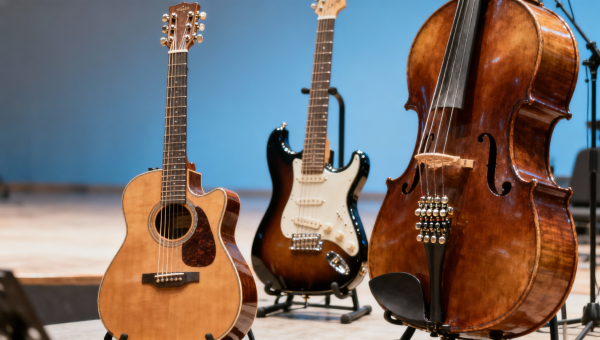
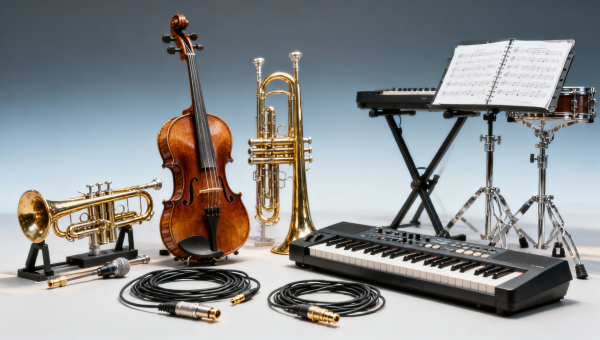
String instruments often follow familiar visual patterns: hollow wooden bodies, curved outlines, neck, bridge, strings, and sound holes. Yet the acoustic result depends on how efficiently vibration moves from the strings into the body and then into the air.
Several hidden variables make a major difference:
- Top wood stiffness and density: Even when two instruments use spruce, the cut, age, grain, and treatment affect brightness, sensitivity, and resonance.
- Back and side materials: Maple, mahogany, rosewood, and laminated alternatives shape warmth, focus, sustain, and projection differently.
- Body dimensions: Small changes in depth, arching, cavity volume, and outline influence bass response and tonal balance.
- Scale length: String length changes tension feel, articulation, and tonal character.
- Internal construction: Bass bar placement, bracing, sound post positioning, and plate graduation strongly affect response.
- Finish and glue: Thick finishes can suppress resonance, while construction materials affect vibration transfer.
- String type and setup: String alloy, tension, bridge cut, nut height, and fingerboard precision all alter sound and playability.
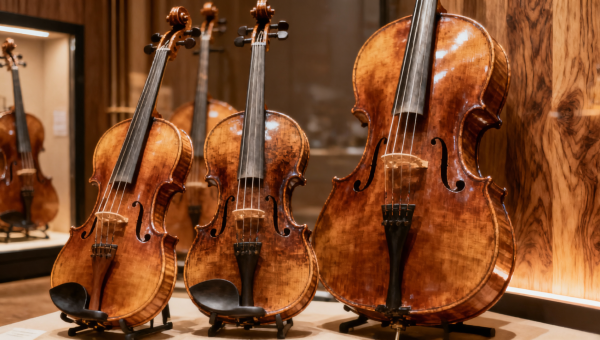
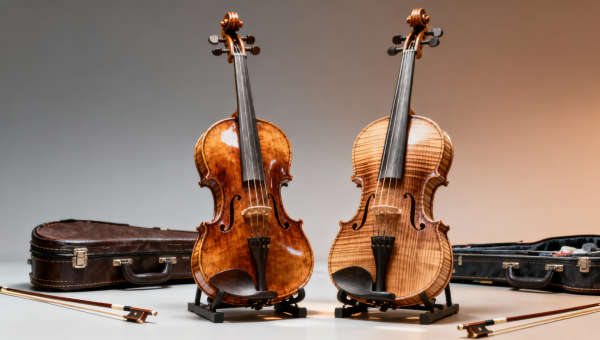
This is why two violins, two violas, or two cellos with comparable visual styling can sound dramatically different in brightness, warmth, loudness, complexity, and stability across registers.
Which physical factors have the biggest impact on tone for commercial evaluation
For business buyers, it helps to separate “visible similarity” from “acoustic similarity.” The following factors are usually the most useful during evaluation.
1. Tonewood quality and consistency
In the string instrument category, wood selection is one of the strongest drivers of tonal character. Solid tonewoods generally offer better resonance and complexity than lower-grade laminated construction, but that does not automatically mean every solid-wood instrument is a better commercial choice. In institutional or rental settings, laminated models may provide greater durability and lower maintenance cost.
What matters commercially is consistency. If a supplier cannot maintain stable wood quality across batches, dealers and distributors may receive instruments that vary too much in sound and finish.
2. Craftsmanship and setup quality
Poor setup can make a well-designed instrument sound weak, uneven, or hard to play. Conversely, competent setup can significantly improve a mid-range model. Buyers should pay close attention to:
- Bridge shaping and placement
- Sound post fitting
- Fingerboard accuracy
- Peg function and tuning stability
- Nut and saddle finishing
- String height and action balance
For distributors and institutional buyers, setup quality directly affects customer satisfaction, classroom usability, and after-sales workload.
3. Body design and acoustic purpose
Not all string instruments are voiced for the same application. Some are optimized for solo projection, others for ensemble blending, student control, studio recording, or amplified performance. A model designed for warm, balanced classroom use may disappoint a professional player seeking maximum dynamic range.
This is especially important when sourcing for entertainment spaces, music education, and specialty retail. The “best” sound is always context-dependent.
4. String selection and replaceable components
Many tonal differences come not only from the instrument body but also from strings, tailpiece design, chinrest or endpin materials, and other setup choices. For commercial sourcing, this means demo units should be evaluated using standardized strings where possible. Otherwise, comparisons between factories or brands may be misleading.
How string instruments differ from wind instruments and percussion instruments in sourcing logic
Because your target market may compare across musical instrument categories, it is useful to understand why string instruments require a different evaluation mindset than wind instruments and percussion instruments.
String instruments are highly sensitive to organic material variation, setup precision, and player interaction. Two units from the same model line may still show audible differences.
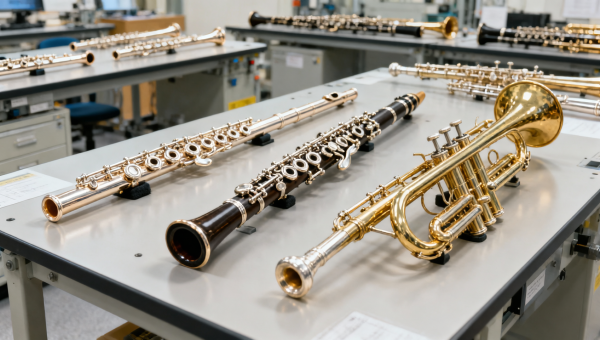
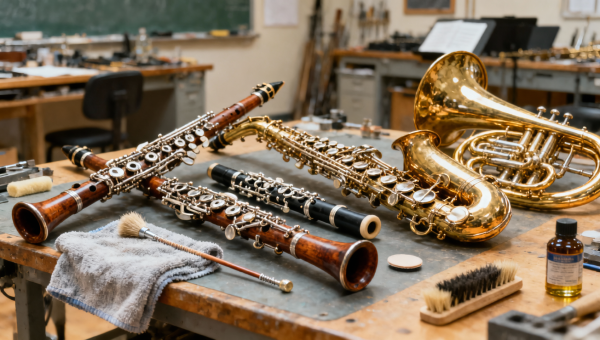
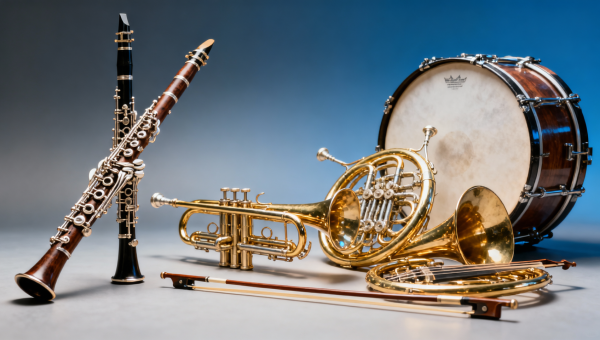
Wind instruments depend heavily on bore design, key mechanism accuracy, pad sealing, metal or wood composition, and airflow response. Manufacturing precision is critical, but tonal variation is often easier to standardize than in lower-volume handcrafted string production.
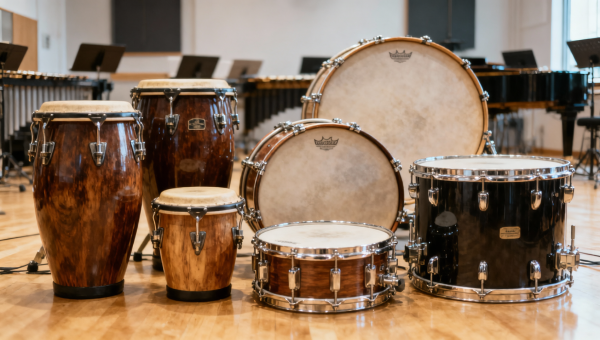
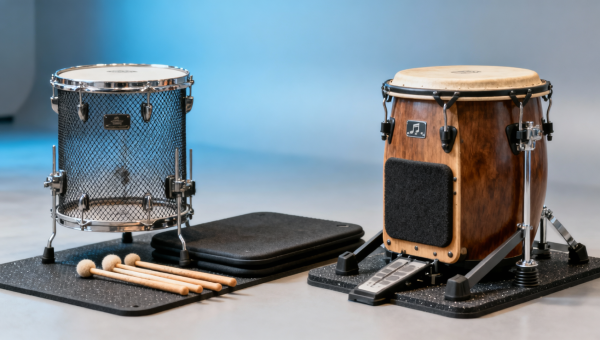
Percussion instruments vary according to shell material, head type, tuning range, construction robustness, and intended performance environment. Their commercial assessment often emphasizes durability, projection, and rhythmic clarity more than harmonic complexity.
For procurement teams, this comparison leads to an important insight: string instrument sourcing usually demands more attention to unit-level consistency, acoustic testing, and setup verification than many other instrument categories.
What target readers should check before buying or distributing string instruments
If your role involves sourcing, wholesale assessment, or vendor comparison, focus on the practical questions below rather than relying on appearance, brand claims, or price tier alone.
Is the instrument intended for students, intermediate users, professionals, or venue use?
The right purchase standard changes by application. A school program may prioritize durability, tuning stability, and low maintenance. A retailer targeting advancing players may need stronger tonal complexity and upgrade potential. An entertainment venue may prioritize projection and reliability under frequent handling.
How consistent is the supplier across batches?
Ask for evidence of production consistency, including:
- Quality control procedures
- Material grading standards
- Setup inspection protocols
- Tolerance control for dimensions and finishing
- Sample-to-bulk consistency data
This is particularly important for distributors, dealers, and procurement officers who cannot afford large tonal differences across inventory.
Can the supplier support OEM, ODM, or custom specification requests?
For private-label or regional market strategies, custom capability may be a competitive advantage. Buyers may request different varnish finishes, setup levels, accessory packages, branding, or quality grades. However, customization should not compromise acoustic consistency.
What is the total cost after setup, shipping, and after-sales support?
An inexpensive instrument may become costly if it requires workshop correction, frequent returns, or heavy customer service support. Total landed value should include:
- Factory setup quality
- Packaging protection
- Climate-related shipping risk
- Warranty handling
- Spare parts or repairability
- Customer complaint rate
Why craftsmanship matters so much in premium and commercial string instrument markets
In pro audio and musical instruments, craftsmanship is not just an artistic story. It is a measurable commercial variable. Better workmanship improves tonal balance, response speed, player comfort, perceived value, and long-term brand reputation.
For dealers and sourcing professionals, craftsmanship affects business performance in several ways:
- Lower return rates: Better setup and finish reduce dissatisfaction.
- Stronger product positioning: Sales teams can justify pricing more confidently.
- Higher customer trust: Reliable tonal performance supports repeat business.
- Better margin protection: Premium quality is easier to differentiate in crowded channels.
- Improved distributor confidence: Stable quality reduces commercial risk.
This is one reason why two instruments that look nearly identical in online listings may belong to very different market segments once evaluated in person.
How to assess sound differences objectively instead of relying on appearance
For commercial buyers, a simple evaluation framework can make sourcing decisions more defensible.
Use controlled comparison conditions
Whenever possible, compare instruments using the same player, room, microphone distance, string age, and tuning standard. Uncontrolled demos can distort judgment.
Evaluate the key tonal dimensions
- Warmth versus brightness
- Projection and volume ceiling
- Clarity across low, middle, and high registers
- Dynamic response
- Sustain and resonance
- Evenness between strings
Check playability alongside tone
A commercially successful instrument must not only sound acceptable but also feel stable and comfortable. Poor playability often leads to negative reviews even if raw tone is decent.
Test multiple units, not one sample only
One strong sample does not guarantee a reliable production run. Batch testing provides a more realistic picture of supplier capability.
Match the result to the end-use environment
An instrument that sounds excellent in a quiet showroom may behave differently in a classroom, on stage, in a rental fleet, or in international shipment cycles. Application fit is as important as acoustic quality.
Common sourcing mistakes when evaluating string instruments
- Assuming similar appearance means similar tone
- Overvaluing decorative finish while ignoring setup quality
- Comparing samples with different strings or tuning conditions
- Ignoring humidity and shipping sensitivity
- Choosing lowest price without estimating after-sales cost
- Not asking about production consistency and inspection standards
- Selecting instruments without defining the final user profile
These mistakes are especially common in fast-moving sourcing cycles, where visual catalogs and broad specifications replace proper acoustic and operational evaluation.
Final takeaway for researchers, buyers, and distributors
String instruments can look similar but sound very different because tone is shaped by much more than external form. Materials, internal structure, craftsmanship, setup quality, scale, and intended use all influence the final acoustic result. For commercial buyers, the key lesson is clear: do not judge string instruments by appearance alone.
The best sourcing decisions come from aligning sound character, consistency, product positioning, and lifecycle cost with the real use case. Whether you are comparing suppliers, building a distribution portfolio, or evaluating instruments against wind instruments and percussion instruments, the strongest commercial outcome comes from structured assessment rather than surface-level similarity.
When buyers understand why these tonal differences exist, they can make more accurate product selections, reduce risk, and create stronger value for schools, retailers, venues, and end customers alike.
Search News
Hot Articles
Popular Tags
Need ExpertConsultation?
Connect with our specialized leisureengineering team for procurementstrategies.
Recommended News
 Apr 22, 2026Which Instrument Cables Sound BestWhich instrument cables sound best? Discover how capacitance, shielding, and durability affect performance, plus sourcing tips for instrument cables and related commercial needs.● Pro Audio Engineer
 Apr 22, 2026Why String Instruments Can Look Similar but Sound Very DifferentString instruments may look alike yet sound vastly different. Explore sourcing insights across musical instruments, plus comparisons with wind instruments and percussion instruments.● Pro Audio Engineer
 Apr 22, 2026String Instruments: Solid Wood or Laminate for Long-Term Use?String instruments guide: compare solid wood vs laminate for long-term use, durability, tone, and sourcing value across musical instruments. Click for smarter B2B buying insights.● Pro Audio Engineer
 Apr 22, 2026What Affects Tone Consistency in Student Wind Instruments?Wind instruments buying guide: discover what affects tone consistency in student musical instruments, with insights comparing percussion instruments and string instruments for smarter school sourcing.● Pro Audio Engineer
 Apr 22, 2026Wind Instruments That Need More Maintenance Than ExpectedWind instruments maintenance guide for buyers: compare musical instruments, string instruments and percussion instruments to reduce service costs and source smarter.● Pro Audio Engineer
 Apr 22, 2026Common Tuning Problems in Percussion Instruments and Their CausesPercussion instruments tuning problems explained for buyers of musical instruments, with practical tips on comparing percussion instruments, string instruments, and wind instruments for reliable commercial sourcing.● Pro Audio Engineer
 Apr 22, 2026Percussion Instruments That Handle Heavy Use Better in ClassroomsPercussion instruments built for classrooms: compare durable musical instruments, from percussion instruments to wind instruments and string instruments, for safer, longer-lasting school use.● Pro Audio Engineer
 Apr 22, 2026What Shortens the Lifespan of Musical Instruments in Daily Use?Musical instruments wear out faster from humidity, poor storage, and rough handling. Learn how string instruments, wind instruments, and percussion instruments last longer with smarter B2B care.● Pro Audio Engineer
 Apr 22, 2026Musical Instruments With the Strongest School Market DemandMusical instruments with strong school demand: compare percussion instruments, wind instruments, and string instruments to find durable, curriculum-ready solutions for smarter school sourcing.● Pro Audio Engineer
 Apr 21, 2026Choosing musical instruments for bands in small venuesMusical instruments for bands in small venues: learn how buyers choose compact, durable setups with better sound control, lower costs, and stronger audience appeal.● Pro Audio Engineer
 Apr 20, 2026Music Accessories Often Overlooked Until They Start Causing ProblemsMusic accessories often cause hidden issues across musical instruments, percussion instruments, wind instruments, string instruments, keyboard instruments, orchestral instruments, music stands, instrument cables, and pro audio equipment.● Pro Audio Engineer
 Apr 20, 2026When Orchestral Instruments Need Custom Cases and Why It MattersMusical instruments and orchestral instruments need custom cases to protect string instruments, wind instruments, percussion instruments, and keyboard instruments during transport. Learn when buyers should upgrade for safer logistics.● Pro Audio Engineer
 Apr 20, 2026Keyboard Instruments in 2026: What Features Are Becoming Standard?Keyboard instruments in 2026 are redefining musical instruments with smarter connectivity, durable builds, and seamless integration with pro audio equipment, instrument cables, music stands, and music accessories.● Pro Audio Engineer
 Apr 20, 2026Music Stands With Folding Designs: Convenient or Less Reliable?Music stands buyers compare folding convenience with long-term reliability across musical instruments, percussion instruments, wind instruments, string instruments, and pro audio equipment.● Pro Audio Engineer
 Apr 20, 2026String Instruments With Better Tuning Stability in Busy Use CyclesExplore string instruments with better tuning stability for busy venues. Compare musical instruments, percussion instruments, and wind instruments to source reliable, low-maintenance performance solutions.● Pro Audio Engineer
 Apr 20, 2026Why Wind Instruments React So Differently to Climate and StorageWind instruments react fast to climate and storage. Compare musical instruments, percussion instruments, string instruments, and music accessories to cut maintenance risk and buy smarter.● Pro Audio Engineer
 Apr 20, 2026Percussion Instruments for Shared Spaces: What Reduces Noise Most?Percussion instruments for shared spaces: discover what reduces noise most across musical instruments, with smart comparisons to wind instruments, string instruments, keyboard instruments, and practical accessories.● Pro Audio Engineer
 Apr 20, 2026How to Spot Musical Instruments That Look Fine but Wear Out FastDiscover how to spot musical instruments that look premium but wear out fast. Learn key checks for percussion instruments, wind instruments, string instruments, keyboard instruments, music stands, instrument cables, pro audio equipment, and music accessories before you buy.● Pro Audio Engineer
 Apr 20, 2026Music Accessories That Quietly Affect Daily Performance QualityExplore how music accessories shape daily performance quality—from music stands and instrument cables to pro audio equipment for musical instruments, percussion instruments, wind instruments, string instruments, and keyboard instruments.● Pro Audio Engineer
 Apr 20, 2026Orchestral Instruments With the Highest Repair RatesExplore which orchestral instruments have the highest repair rates across wind instruments, string instruments, percussion instruments, and keyboard instruments, with smart buying tips for musical instruments, music accessories, music stands, instrument cables, and pro audio equipment.● Pro Audio Engineer
 Apr 20, 2026Are Keyboard Instruments With Weighted Keys Worth the Extra Cost?Keyboard instruments with weighted keys: discover if the extra cost pays off for musical instruments buyers, with smart tips on music accessories, instrument cables, and pro audio equipment.● Pro Audio Engineer
 Apr 20, 2026Music Stands That Stay Stable on Stage: What Makes the Difference?Music stands for musical instruments: discover what keeps them stable on stage for string instruments, wind instruments, percussion instruments, and keyboard instruments—plus smart buying tips.● Pro Audio Engineer
 Apr 20, 2026String Instruments: Solid Wood or Laminated for Regular Use?String instruments guide for regular use: compare solid wood vs laminated models across musical instruments setups with music accessories, pro audio equipment, and smarter sourcing insights.● Pro Audio Engineer
 Apr 20, 2026Wind Instruments for Schools and Venues: What Affects Longevity?Wind instruments longevity guide for schools and venues: compare musical instruments, percussion instruments, string instruments, and keyboard instruments to source smarter and reduce total cost.● Pro Audio Engineer