Yamaha Announces Termination of Golf Equipment Business to Focus on Core Music and Audio Segments, Enhancing Supply Stability for Overseas Distributors
Introduction
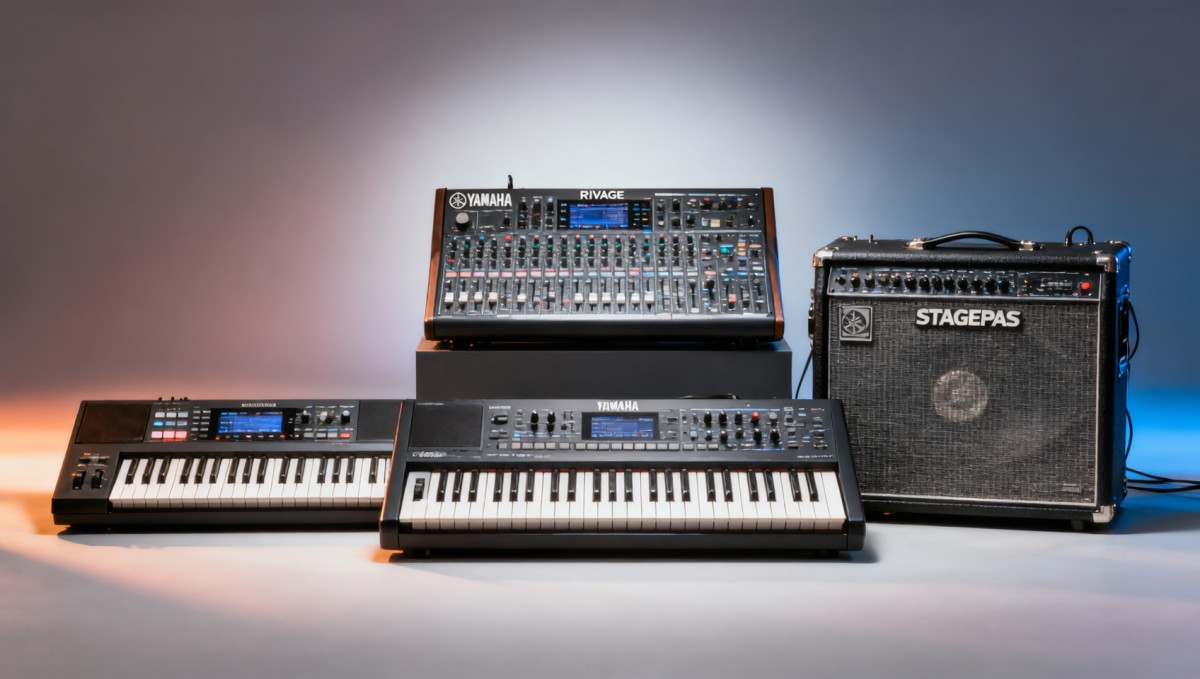
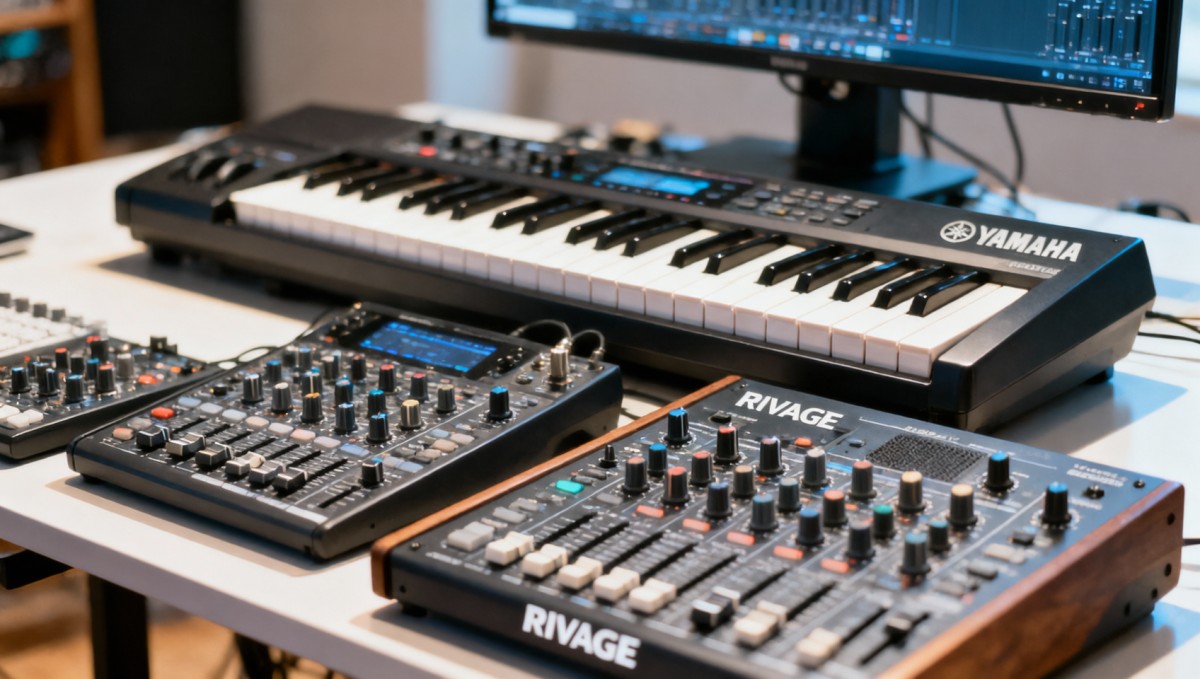
On March 5, 2026, Yamaha Corporation officially announced the termination of its golf equipment business, reallocating global resources to strengthen its core segments in musical instruments, professional audio, and the MusicCast ecosystem. This strategic shift aims to optimize production and R&D efficiency, particularly for high-demand export products like electronic keyboards, RIVAGE mixers, and STAGEPAS portable systems. The move is expected to improve order response times for Chinese factories and reduce delivery cycles for distributors in key markets such as Europe, North America, and Southeast Asia. Industries impacted include musical instrument manufacturing, professional audio equipment, and global supply chain logistics.
Event Overview
Yamaha Corporation confirmed on March 5, 2026, that it will discontinue its golf equipment operations to concentrate resources on its core music and audio businesses. The decision includes reallocating production capacity, R&D investments, and logistics quotas to support high-synergy products like electronic keyboards, professional audio equipment, and connected audio systems under the MusicCast platform. The company emphasized improved supply chain stability for overseas distributors, particularly in addressing delivery bottlenecks for critical product categories.
Impact on Specific Industries
1. Musical Instrument Manufacturers
The consolidation of Yamaha's resources into musical instruments may intensify competition in the electronic keyboard and digital piano markets. Competing brands should monitor potential shifts in production capacity allocation, especially for OEM/ODM partners in Asia.
2. Professional Audio Equipment Distributors
Distributors of RIVAGE series mixers and STAGEPAS systems may benefit from prioritized inventory allocation and shorter lead times. However, they should verify revised minimum order quantities (MOQs) and certification requirements for 2026-2027 shipments.
3. Supply Chain Service Providers
Logistics firms handling Yamaha's exports should anticipate changes in shipment volumes for golf-related components versus audio equipment. The redirection of air/ocean freight quotas toward music products may affect seasonal capacity planning.
Key Considerations for Businesses
1. Monitor Official Communication Channels
Distributors should track Yamaha's official bulletins for updated product roadmaps and regional allocation policies, particularly regarding phased discontinuation of golf inventory support.
2. Review Contractual Terms
Authorized dealers with multi-category agreements may need to renegotiate performance clauses given the removed product line, while ensuring continued access to core music/audio products.
3. Adjust Inventory Strategies
Retailers balancing golf and music merchandise should analyze sell-through rates to optimize stock levels before the transition period concludes in key markets.
Editorial Perspective
From an industry standpoint, Yamaha's exit from golf equipment reflects a strategic prioritization of higher-margin, technology-driven segments where it holds stronger competitive advantages. The move signals broader corporate restructuring rather than immediate market contraction, as freed-up resources could accelerate innovation in digital music solutions. However, the actual supply chain improvements will require verification through Q3 2026 shipment performance data.
Conclusion
Yamaha's business realignment underscores the growing importance of vertical integration in musical instrument and pro-audio sectors. While the golf equipment discontinuation creates short-term adjustment needs, the long-term focus on core competencies may strengthen Yamaha's position in global music technology markets. Industry participants should treat this as an operational adjustment rather than a market disruption, while preparing for potential ripple effects in component sourcing and distribution networks.
Source Information
Primary source: Yamaha Corporation official announcement (March 5, 2026). Ongoing monitoring required for implementation details regarding regional distribution changes and product phase-out timelines.
Search News
Hot Articles
- Restaurant FurnitureFast-Casual Restaurant Interiors: Design Choices That Improve Speed and Guest FlowOct 04, 2026
- Outdoor RidesHow to Select Leisure Park Equipment for Safe, High-Throughput Visitor AreasOct 03, 2026
- Fashion & Gem JewelryDiamond Tester Wholesale: How to Vet Accuracy, Calibration, and MOQ Before OrderingOct 02, 2026
Popular Tags
Need ExpertConsultation?
Connect with our specialized leisureengineering team for procurementstrategies.
Recommended News
 Sep 11, 2026How to Choose Touring Instrument Cases for Flights, Trucks, and Daily Load-InsInstrument cases for touring: learn how to balance flight protection, truck durability, weight, fit, and serviceable hardware for safer, faster load-ins.● Pro Audio Engineer
 Sep 07, 2026How to Choose Wood Frame Tambourines for Sound Quality and Long-Term UseWood frame tambourines: learn how to compare frame construction, jingle tone, head options, durability, and supplier quality for reliable long-term performance.● Pro Audio Engineer
 Sep 05, 2026How Often Should Music Education Equipment Be Serviced?How often should music education equipment be serviced? Explore practical schedules, maintenance tips, and lifecycle planning to keep instruments and audio systems reliable.● Pro Audio Engineer
 Aug 21, 2026How to Choose Marching Band Drums for Sound Projection, Weight, and DurabilityMarching band drums buying guide: learn how to balance sound projection, weight, and durability for better field performance, easier carrying, and longer-lasting value.● Pro Audio Engineer
 Aug 09, 2026How to Evaluate a MIDI Cable Manufacturer for Audio Quality and OEM ReliabilityMIDI cable manufacturer evaluation guide: learn how to assess signal stability, connector quality, OEM process control, and batch consistency to reduce failures and source with confidence.● Pro Audio Engineer
 Aug 08, 2026How to Evaluate a Trumpets OEM Manufacturer for Quality, MOQ, and Custom DesignTrumpets OEM manufacturer selection starts with quality, MOQ, and custom design control. Learn how to compare suppliers, reduce sourcing risk, and choose a reliable long-term factory partner.● Pro Audio Engineer
 Jul 27, 2026How to Source Conga Drums in Bulk for Schools, Bands, and Event ProgramsConga drums bulk sourcing for schools, bands, and event programs made easier. Learn how to compare quality, durability, compliance, and total cost before you place a large order.● Pro Audio Engineer
 Jul 24, 2026How to Choose Low Dust Violin Rosin for Cleaner Practice and Better Bow ControlLow dust violin rosin buying guide: learn how to compare formula, climate fit, grip, and string compatibility for cleaner practice, better bow control, and smarter purchase decisions.● Pro Audio Engineer
 Jul 15, 2026Plastic Tambourines Bulk Buying Guide: Sizes, Materials, and MOQ QuestionsPlastic tambourines bulk buying guide covering sizes, ABS vs PP materials, sound consistency, customization, and MOQ questions to help buyers cut risk and choose the right supplier.● Pro Audio Engineer
 Jul 13, 2026Acoustic Guitars Wholesale China: How to Evaluate Build Quality and OEM OptionsAcoustic guitars wholesale China guide: learn how to assess build quality, factory consistency, and OEM options to choose reliable suppliers and reduce sourcing risk.● Pro Audio Engineer
 Jul 12, 2026Mini Effect Pedals Wholesale: MOQ, OEM Options, Testing, and Supplier ComparisonMini effect pedals wholesale guide covering MOQ, OEM options, testing standards, and supplier comparison to help buyers reduce risk, improve margins, and choose reliable partners.● Pro Audio Engineer
 Jul 11, 2026DJ Turntables OEM Guide: Key Torque, Drive, and Build Specs to CompareDJ turntables OEM guide covering torque, drive type, speed stability, platter build, and manufacturing consistency. Compare the specs that impact performance, reliability, and sourcing confidence.● Pro Audio Engineer
 Jul 08, 2026Guitar Capos Wholesale: What Materials, Clamp Types, and MOQ Terms Should You Compare?Guitar capos wholesale buying starts with more than price. Compare materials, clamp types, quality checks, and MOQ terms to reduce returns, protect margins, and choose a supplier with confidence.● Pro Audio Engineer
 Jul 07, 2026Birch Drum Kits Manufacturer Comparison: Shell Construction, Hardware Quality, and OEM OptionsBirch drum kits manufacturer comparison covering shell construction, hardware quality, and OEM options to help buyers reduce sourcing risk and choose reliable suppliers.● Pro Audio Engineer
 Jul 06, 2026Spruce Top Acoustic Guitars Explained: Tone, Wood Grades, and Who They Suit BestSpruce top acoustic guitars explained: compare tone, wood grades, and build quality to find the best fit for players, retailers, and commercial buyers.● Pro Audio Engineer
 Jun 30, 2026Xylophones and Glockenspiels: Key Differences in Range, Tone, and Classroom UseXylophones and glockenspiels compared: discover key differences in range, tone, durability, and classroom use to choose the right instrument for teaching, buying, or school programs.● Pro Audio Engineer
 Jun 25, 2026Musical Instrument Industry Report: Key Market Segments, Demand Drivers, and Price TrendsMusical instrument industry report covering key market segments, demand drivers, and price trends. Explore sourcing risks, premium growth, and where buyer demand is shifting next.● Pro Audio Engineer
 Jun 23, 2026Metronomes and Tuners Explained: Types, Key Features, and Who Needs BothMetronomes and tuners explained: compare types, key features, and who needs both. Learn how to choose the right tool for better timing, pitch, and practical daily use.● Pro Audio Engineer
 Jun 22, 2026How the Musical Instrument Industry Supply Chain Affects Lead Times, Cost, and QualityMusical instrument industry supply chain trends now shape lead times, cost, and quality. Discover how smarter sourcing and supplier transparency reduce risk and improve buying outcomes.● Pro Audio Engineer
 Jun 20, 2026DJ Headphones Wholesale Buying Guide: OEM Options, MOQ, and Audio Specs to CompareDJ headphones wholesale guide covering OEM options, MOQ strategy, and key audio specs. Compare build quality, compliance, and total cost to source smarter and reduce returns.● Pro Audio Engineer
 Jun 19, 2026Acoustic Guitars Wholesale: 7 Specs Buyers Should Compare Before Placing an OrderAcoustic guitars wholesale buyers can compare 7 key specs before ordering, from tonewoods and playability to OEM, packaging, and QC, to reduce risk and protect margins.● Pro Audio Engineer
 Jun 15, 2026Tambourines Bulk Buying Guide: Materials, Sound Quality, and Pack Size DifferencesTambourines bulk buying guide covering material choices, sound consistency, and pack size differences. Compare suppliers smarter, reduce risk, and choose the best fit for schools, retail, and events.● Pro Audio Engineer
 Jun 14, 2026Professional Musical Instruments Explained: Types, Skill Levels, and Buying CriteriaProfessional musical instruments explained: discover key types, ideal skill levels, and practical buying criteria to choose reliable, high-performance instruments with confidence.● Pro Audio Engineer
 Jun 10, 2026Drum Kits Manufacturer Comparison: What to Check Before OEM or Bulk OrdersDrum kits manufacturer comparison guide for OEM and bulk buyers: check quality, compliance, lead times, packaging, and true cost before placing large orders.● Pro Audio Engineer