What ODM services actually include when developing custom arcade & VR machines for global distributors
For global distributors seeking turnkey arcade and VR machine solutions, understanding what ODM services truly encompass — from industrial design and compliance-certified engineering to scalable supply chain solutions and commercial procurement support — is mission-critical. Unlike generic OEM manufacturing, premium ODM partners deliver end-to-end ownership: hardware customization, firmware integration, safety certification (CE/UL/FCC), multilingual UI localization, and after-sales service architecture. Backed by Global Commercial Trade’s E-E-A-T–verified insights, this guide breaks down the real scope of ODM capabilities across amusement park equipment, pro audio equipment, and luxury accessories-aligned experiential hardware — empowering procurement teams, project managers, and technical evaluators to source with confidence.
What Does a Full-Spectrum Arcade & VR ODM Service Actually Cover?
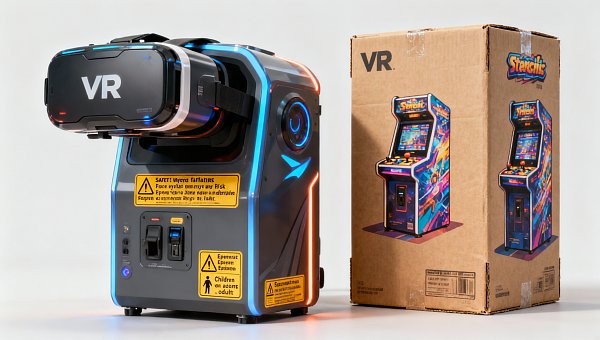
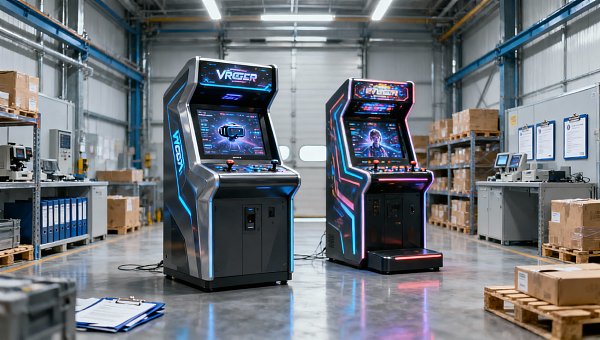
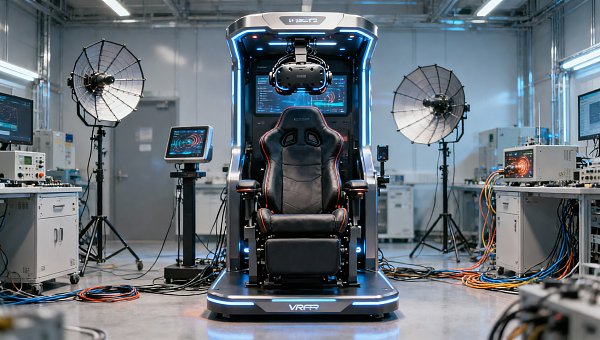
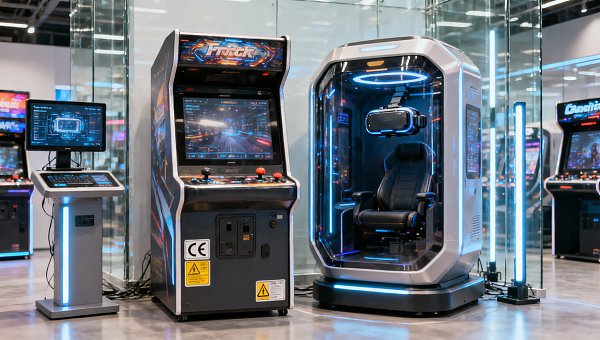
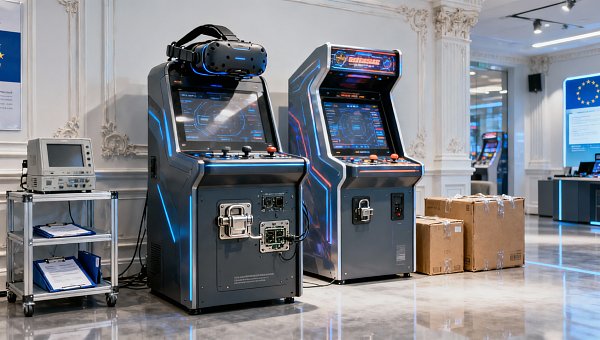
ODM for arcade and VR machines goes far beyond component assembly. It is a vertically integrated capability spanning concept validation, mechanical and electrical engineering, embedded software development, regulatory compliance, and post-launch support — all tailored for high-traffic commercial environments like family entertainment centers (FECs), shopping mall arcades, and VR theme zones.
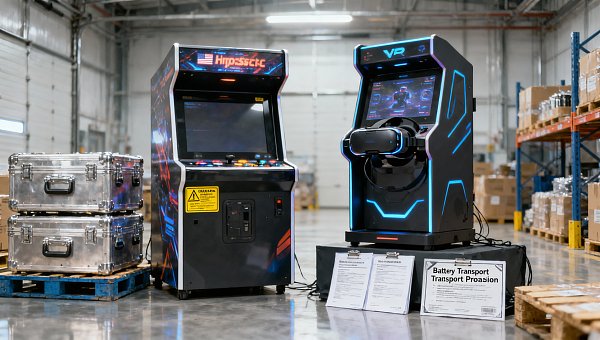
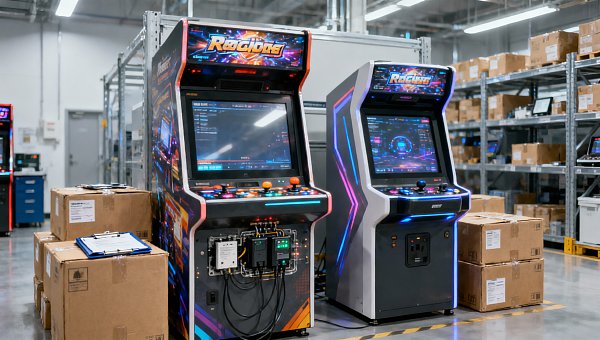
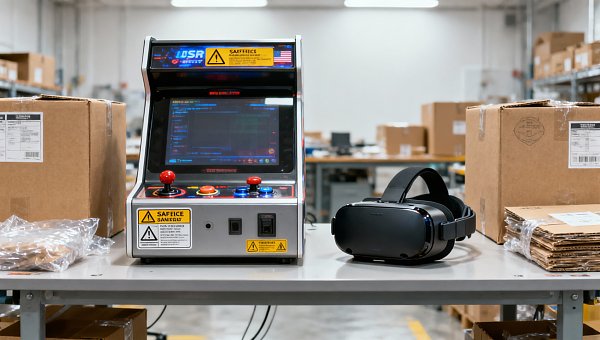
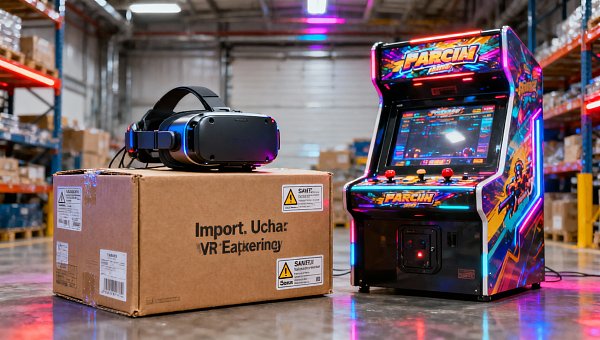
A Tier-1 ODM partner delivers at least six core service layers: (1) industrial design aligned with brand identity and space ergonomics; (2) structural engineering for 50,000+ cycle durability; (3) certified electronics integration (e.g., 24V DC power systems, IP54-rated enclosures); (4) firmware + cloud-based content management; (5) CE/UL/FCC/ROHS certification pathways; and (6) logistics-ready packaging and documentation for multi-country distribution.
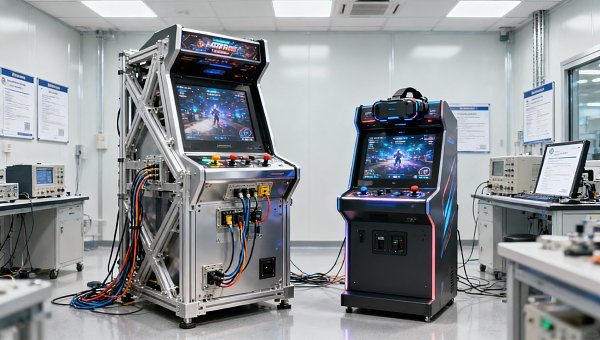
Unlike OEM-only suppliers, ODM providers assume full technical accountability — meaning they own the BOM, manage PCB revisions, conduct thermal stress testing (operating range: −10°C to 45°C), and maintain firmware version control across 3+ years of product lifecycle. This reduces time-to-market by up to 40% compared to fragmented vendor sourcing.

How ODM Differs From OEM in Real-World Procurement Scenarios
OEM implies “build to spec” — the buyer provides complete drawings, firmware logic, and compliance requirements. ODM means “design and build to outcome” — the supplier co-develops the solution based on functional intent, user flow, and regional deployment constraints.
This distinction becomes decisive when scaling across APAC, EMEA, or LATAM markets — where language localization, payment system integration (e.g., Alipay, Klarna), and regional safety standards require deep platform-level adaptability, not just cosmetic rebranding.
Critical Compliance & Certification Requirements for Global Deployment
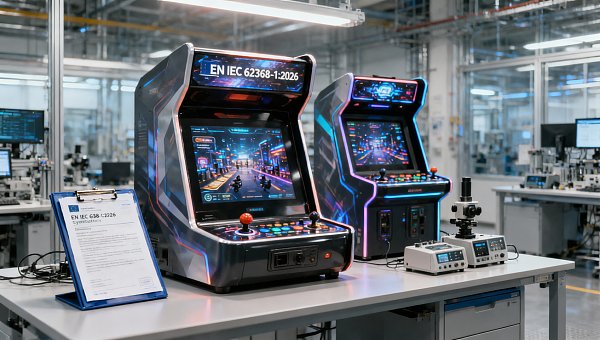
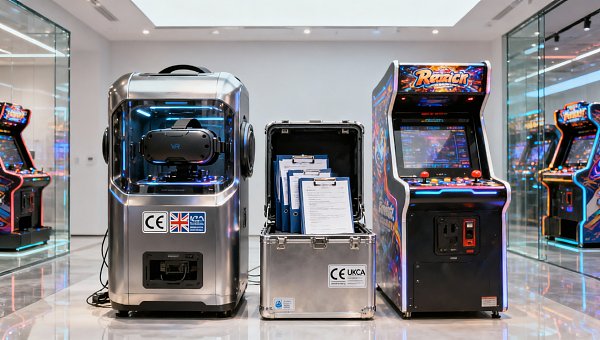
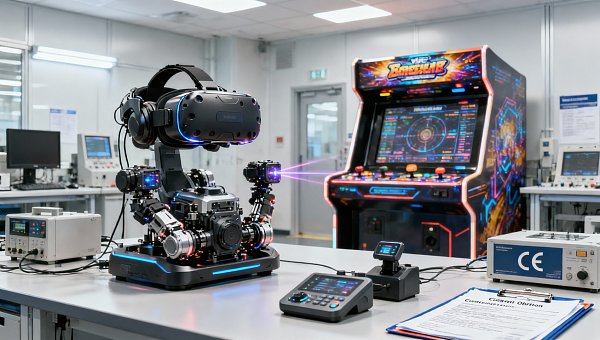
Arcade and VR machines deployed commercially must meet strict safety, EMC, and usability benchmarks. A qualified ODM partner embeds these into the design phase — not as add-ons. Key certifications include UL 62368-1 (North America), EN IEC 62368-1 (EU), PSE (Japan), and KC Mark (Korea). All apply to both cabinet structure and interactive subsystems (motion sensors, haptic feedback units, biometric readers).
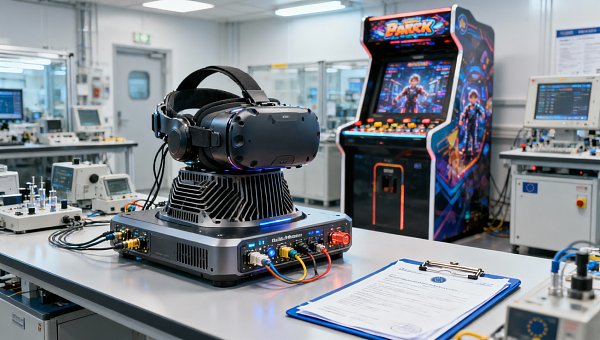
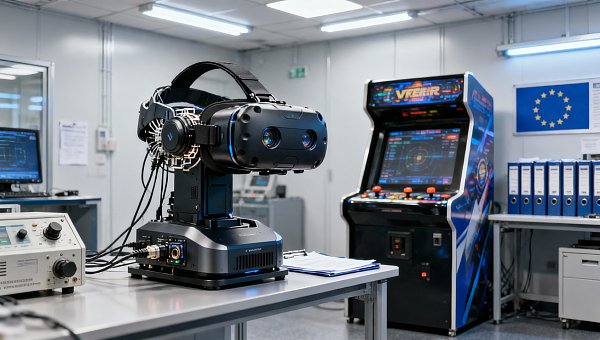
Electromagnetic compatibility is non-negotiable: devices must pass radiated emissions tests (30 MHz–1 GHz) and immunity tests (e.g., 3 V/m RF field, 1 kV ESD). For VR headsets bundled with arcade cabinets, FCC Part 15 Subpart B applies — requiring pre-scan validation before lab submission.
Additionally, accessibility mandates are rising globally: EN 301 549 (EU), Section 508 (US), and JIS T 0001 (Japan) now influence UI navigation logic, audio cue design, and physical reach envelope (max 120 cm height for touch interfaces). ODM partners with in-house UX researchers validate these against ISO 9241-210 human-centered design principles.
Procurement Decision Checklist: 5 Must-Verify Capabilities
Before engaging an ODM supplier for arcade or VR hardware, procurement and technical evaluation teams should jointly verify these five operational capabilities:
- Full-stack firmware ownership — including bootloader, device drivers, and OTA update server infrastructure
- Validated thermal management for continuous 12-hour operation in ambient temperatures up to 35°C
- Multi-language UI framework supporting RTL (Arabic/Hebrew) and CJK (Chinese/Japanese/Korean) rendering
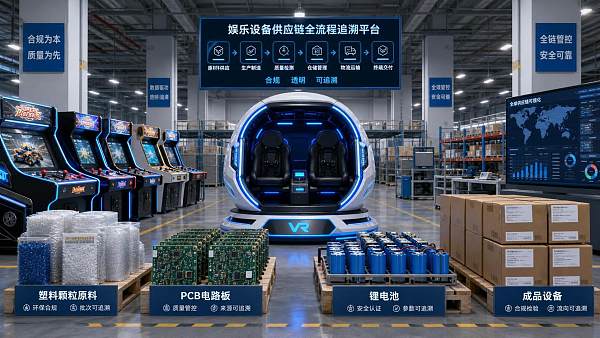
- End-to-end traceability: serial number → BOM revision → test log → shipping manifest
- Dedicated commercial support SLA: <72-hour response for critical firmware bugs, <5-business-day turnaround for hardware replacements
Suppliers meeting all five typically operate certified ISO 9001:2015 QA systems with ≥3 dedicated QA engineers per production line — a benchmark verified during GCT’s supplier due diligence audits.
Why Partner With Global Commercial Trade for Your ODM Sourcing Strategy
Global Commercial Trade doesn’t list vendors — we qualify them. Our editorial team, composed of hospitality procurement directors and FEC operations specialists, conducts on-site capability assessments, reviews 12-month field failure data, and validates compliance documentation against original lab reports.
When you engage through GCT, you gain access to: (1) pre-vetted ODM partners with ≥5 years’ proven experience in arcade/VR hardware; (2) side-by-side comparison dashboards covering lead times (standard: 10–14 weeks), MOQ flexibility (small-batch: 50 units; mid-volume: 200+), and firmware upgrade history; and (3) direct coordination support for sample evaluation, certification gap analysis, and commercial terms negotiation.
Ready to align your next arcade or VR hardware rollout with a rigorously validated ODM partner? Contact our Amusement & Leisure Parks sourcing desk for a confidential capability briefing — including reference projects, compliance roadmap templates, and localized pricing models.

Search News
Hot Articles
- Hotel Room AmenitiesHow to Select Hotel Hair Dryers That Balance Guest Safety, Durability, and CostOct 05, 2026
- Restaurant FurnitureFast-Casual Restaurant Interiors: Design Choices That Improve Speed and Guest FlowOct 04, 2026
- Outdoor RidesHow to Select Leisure Park Equipment for Safe, High-Throughput Visitor AreasOct 03, 2026
Popular Tags
Need ExpertConsultation?
Connect with our specialized leisureengineering team for procurementstrategies.
Recommended News
 Sep 15, 2026How to Choose Coin-Operated Pool Tables for Bars, Hotels, and Arcade VenuesCoin operated pool tables for bars, hotels, and arcades: compare sizes, payment systems, durability, service access, and revenue potential.● Theme Park Strategist
 Sep 08, 2026What to Look for in a Flight Simulator Chair Manufacturer for Commercial VR CentersChoose a flight simulator chair manufacturer that delivers durable, safe, customizable seating for commercial VR centers. Explore key sourcing criteria now.● Theme Park Strategist
 Aug 25, 2026What to Evaluate Before Buying Commercial Self Service Photo Booths for VenuesCommercial self service photo booths for venues: learn how to evaluate durability, software stability, branding flexibility, support, and total ROI before you buy.● Theme Park Strategist
 Aug 23, 2026How to Evaluate Wholesale Vending Machines for Multi-Location Business DeploymentWholesale vending machines for multi-location deployment require more than low unit cost. Learn how to compare reliability, payments, telemetry, and supplier support to scale smarter.● Theme Park Strategist
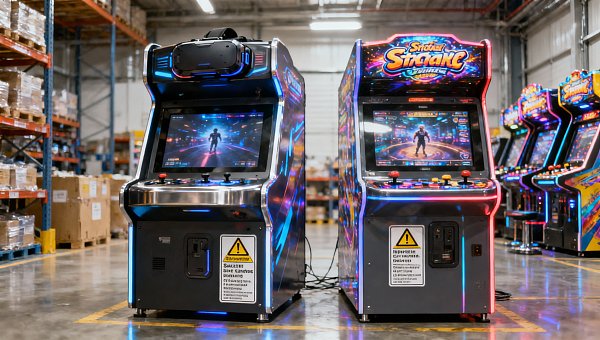
 Aug 17, 2026U.S. CPSC Urges Bilingual Warnings for Arcade and VR MachinesU.S. CPSC urges bilingual safety warnings for Arcade & VR Machines—learn what exporters, importers, and distributors must do now to avoid delays and returns.● Theme Park Strategist
 Aug 16, 2026EU Enforces EN IEC 62368-1:2026 Certification for Arcade and VR MachinesEU Enforces EN IEC 62368-1:2026 certification for arcade and VR machines, reshaping EU market access, customs clearance, and compliance planning for exporters and distributors.● Theme Park Strategist
 Aug 13, 2026UFLPA’s new guidelines take effect: Exports of Arcade and VR equipment face full-link labor compliance requirementsUFLPA’s new guide takes effect: Arcade and VR machine exports to the U.S. now face full-chain labor compliance checks. Discover key risks and action steps.● Theme Park Strategist
 Aug 12, 2026EU PPWR takes effect, Arcade and VR packaging incorporate heavy metal and PFAS restrictionsEU PPWR now applies to Arcade and VR packaging, tightening heavy metal and PFAS compliance. Learn how exporters can avoid delays, fines, and customs risks.● Theme Park Strategist
 Aug 11, 2026CPSC Sets Bilingual Labels for Arcade and VR ImportsCPSC bilingual labels for arcade and VR imports become mandatory on October 1, 2026. Learn the new English-Spanish warning rules, customs risks, and key compliance steps now.● Theme Park Strategist
 Aug 10, 2026EU Rule Takes Effect for Arcade & VR Machine ClearanceArcade & VR Machine clearance in the EU now depends on EN IEC 62368-1:2026+A11:2026 compliance. Learn what changed, who is affected, and how to avoid customs delays.● Theme Park Strategist
 Aug 09, 2026CPSC Requires New Labels for Arcade and VR ImportsCPSC requires new labels for Arcade and VR imports starting Oct 1, 2026. Learn the multilingual warning rules, compliance risks, and key steps exporters and buyers must take now.● Theme Park Strategist
 Aug 08, 2026EU Entry Rule Tightens for Arcade & VR MachinesArcade & VR Machines entering the EU now face stricter CE compliance under EN IEC 62368-1:2026+A11:2026. Learn the new rule, risks, and what exporters must do now.● Theme Park Strategist
 Aug 07, 2026CPSC Notice Tightens U.S. Entry Rules for Arcade and VR MachinesCPSC Notice Tightens U.S. Entry Rules for Arcade and VR Machines: learn the new labeling, FCC, UN38.3, and compliance document requirements before October 1, 2026.● Theme Park Strategist
 Aug 06, 2026EU Rule Takes Effect for CE-UKCA Labels on Arcade & VR MachinesArcade & VR Machines face new CE-UKCA label and ECPD filing rules in the EU and UK. Learn what manufacturers, importers, and distributors must do now to avoid delays.● Theme Park Strategist
 Aug 05, 2026CPSC Recalls Arcade and VR Machines Over UL 62368-1CPSC recalls arcade and VR machines over UL 62368-1 non-compliance. Learn how this 2026 safety action may affect imports, distribution, customs clearance, and market access.● Theme Park Strategist
 Aug 02, 2026EU Sets New Certification Rule for Arcade and VR MachinesArcade and VR Machines face a new EU certification rule from Oct 1, 2026. Learn how EN IEC 62368-1:2026+A11:2026 affects CE marking, customs clearance, and market access.● Theme Park Strategist
 Aug 01, 2026CPSC Moves to Require Bilingual Warnings on Arcade and VR MachinesCPSC bilingual warnings for Arcade and VR Machines may reshape U.S. import compliance. Learn how English-Spanish labels affect packaging, customs risk, and shipment readiness.● Theme Park Strategist
 Jul 31, 2026EU Sets EN IEC 62368-1:2025 Rule for Arcade and VR MachinesEU Sets EN IEC 62368-1:2025 Rule for Arcade and VR Machines. Learn the new EU compliance deadlines, safety updates, and key actions for manufacturers, OEMs, and distributors.● Theme Park Strategist
 Jul 30, 2026CPSC Sets New Warning Label Rule for Arcade & VR MachinesCPSC sets a new warning label rule for Arcade & VR Machines effective August 15, 2026. Learn key compliance risks, multilingual label requirements, and shipment actions now.● Theme Park Strategist
 Jul 29, 2026EU Enforces New Safety Standard for Arcade and VR MachinesEU Enforces New Safety Standard for Arcade and VR Machines: learn how EN IEC 62368-1 affects CE compliance, customs clearance, and EU market access for exporters and buyers.● Theme Park Strategist
 Jul 28, 2026CPSC Sets ASTM F3472-26 Rule for Arcade & VR ImportsCPSC ASTM F3472-26 rule reshapes Arcade & VR imports to the U.S. Learn key compliance deadlines, certification risks, and what exporters, OEM/ODM suppliers, and buyers should do now.● Theme Park Strategist
 Jul 27, 2026EU Rule Takes Effect for Arcade & VR Machine CybersecurityEU Rule Takes Effect for Arcade & VR Machine Cybersecurity: learn how EN IEC 62443-3-3:2025 affects compliance, customs clearance, sales continuity, and supplier planning in the EU market.● Theme Park Strategist
 Jul 25, 2026CPSC Sets Bilingual Warning Rule for Arcade and VR ImportsCPSC bilingual warning rule for arcade and VR imports takes effect August 1, 2026. Learn how OEM/ODM exporters can avoid CBP delays, relabel shipments, and protect U.S. delivery timelines.● Theme Park Strategist
 Jul 24, 2026EU Enforces New Safety Standard for Arcade and VR MachinesEU Enforces New Safety Standard for Arcade and VR Machines: learn how EN IEC 62368-1:2026+A11:2026 reshapes EU compliance, CE documentation, testing timelines, and export readiness.● Theme Park Strategist