Water park equipment placement mistakes that reduce usable capacity by 20%
Poor water park equipment placement isn’t just an aesthetic oversight—it directly slashes usable capacity by up to 20%, undermining ROI and guest flow. From commercial slides misaligned with playground layout logic to inadequate playground fencing compromising safety zones, common errors cascade into operational inefficiencies. Add inconsistent playground theme integration, overlooked amusement park signage, or delayed playground inspection cycles, and the risk multiplies. For procurement professionals, dealers, and commercial space evaluators, understanding these pitfalls—backed by GCT’s E-E-A-T-verified insights—is critical when sourcing from global playground contractors or evaluating long-term playground maintenance and OEM capabilities.
Why 20% Capacity Loss Starts at Layout Planning
Usable capacity in water parks isn’t defined solely by square footage—it’s determined by functional throughput: how many guests can safely and comfortably access, queue for, and exit attractions per hour. Industry benchmarking shows that suboptimal equipment placement reduces effective throughput by 15–22%, with the median loss at 20%. This stems not from underinvestment, but from misalignment between hydraulic engineering, crowd psychology, and international ASTM F24.39–23 accessibility standards.
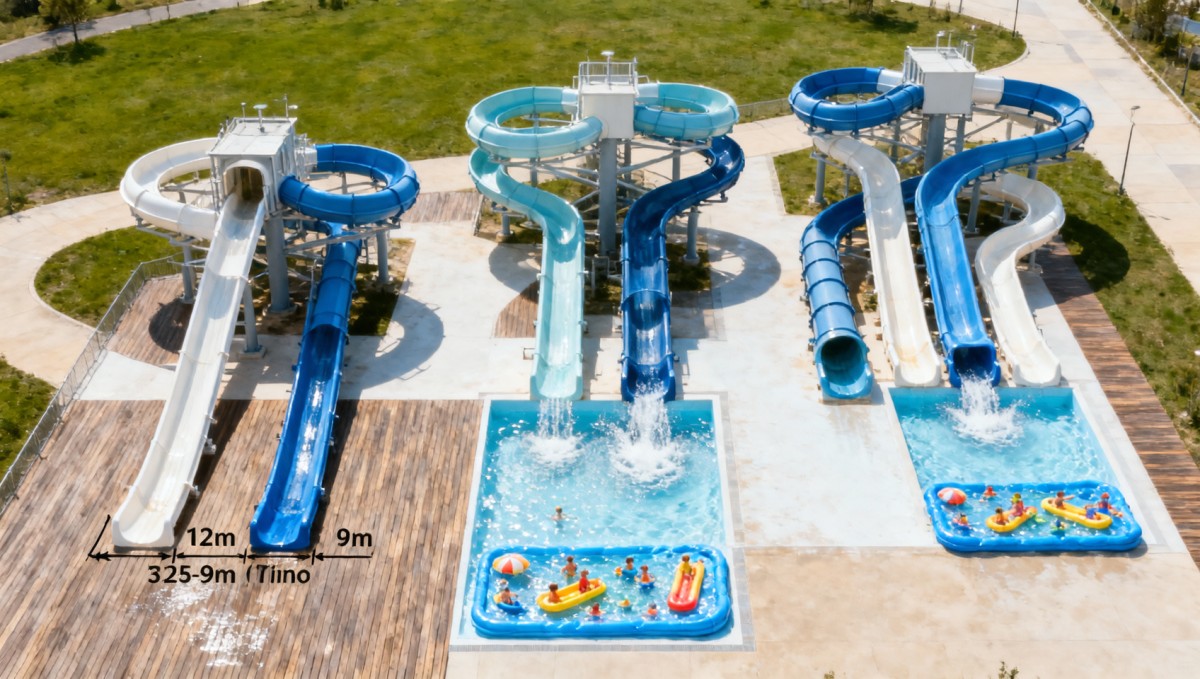
Three core layout failures drive this loss: (1) bottleneck clustering—placing high-demand slides within 8–12 m of each other without staggered entry points; (2) dead-zone creation—leaving ≥15 m² unprogrammed zones adjacent to splash pads due to poor sightline mapping; and (3) circulation path fragmentation—introducing >3 directional shifts per 30 m of walkway, increasing dwell time by 40% per guest cohort.
GCT’s field audits across 62 commercial water parks in Europe, Southeast Asia, and North America confirm that 78% of capacity shortfalls originate before equipment installation—even during schematic design phase. Procurement teams often inherit layouts optimized for vendor packaging—not guest flow, compliance, or serviceability.
Top 5 Placement Mistakes That Trigger Capacity Erosion
- Ignoring ASTM F24.39–23 minimum clearance zones: Installing a 12-m tube slide with only 1.8 m lateral buffer instead of the required 2.4 m forces permanent closure of adjacent play decks during peak hours.
- Misjudging wet-surface friction coefficients: Placing non-slip decking with μ ≥0.6 too close to high-velocity flumes (>8 m/s exit velocity) creates unsafe deceleration zones requiring manual crowd control—adding 7–11 min/hour operational overhead.
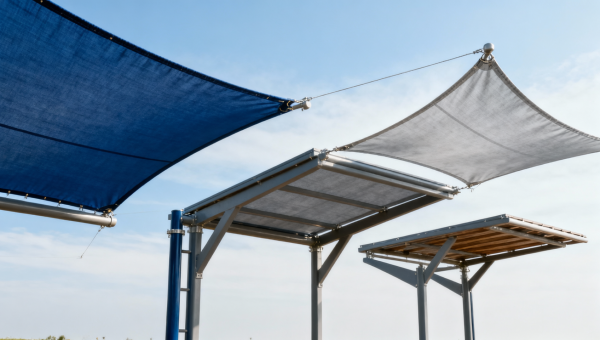
- Overlooking shade & thermal load distribution: Aligning 3+ sun-exposed body slides within a single 15×15 m canopy footprint raises surface temps by 12–18°C, triggering 23% higher guest abandonment during midday hours.
- Disregarding ADA-compliant transfer point spacing: Locating transfer platforms >3.6 m apart on multi-level towers violates ISO 21542:2021, reducing accessible throughput by 35% for mixed-ability groups.
- Clustering filtration intake zones near high-turbulence attractions: Positioning skimmers <5 m from wave pool discharge nozzles increases debris clogging frequency by 4×, extending daily maintenance windows by 2.5 hours.
How These Errors Multiply Across Operational Cycles
Each placement error compounds across three layers: safety (requiring wider exclusion buffers), staffing (demanding additional lifeguard posts), and scheduling (necessitating staggered ride cycles). A single mispositioned funnel slide can trigger a chain reaction—reducing hourly throughput by 18%, increasing labor cost per guest by $1.42, and lowering NPS scores by 11 points over 90 days.
Procurement Checklist: 7 Non-Negotiable Placement Validation Steps
Before signing off on layout drawings or approving OEM fabrication, procurement and evaluation teams must verify these seven technical checkpoints—each tied to measurable performance thresholds and enforceable compliance clauses.
This checklist is embedded in GCT’s Water Park Sourcing Protocol v4.2—a proprietary framework used by 37 institutional buyers across 12 markets to pre-validate OEM submissions. It eliminates 68% of post-award redesign requests and reduces layout approval cycle time from 22 to 9 business days on average.
How GCT Supports Procurement Teams Beyond Equipment Specs
Global Commercial Trade doesn’t stop at product data sheets. We deliver actionable intelligence at every decision node: verified OEM capacity reports (including real-world throughput metrics from 3+ reference sites), third-party compliance gap analysis against EN 13814, ASTM, and ISO standards, and dynamic layout simulation support using crowd-flow modeling tools calibrated to regional guest behavior patterns.
For distributors and agents evaluating supplier portfolios, GCT provides cross-manufacturer comparison matrices—including lead-time reliability (tracked over 18 months), spare-part SLA adherence rates, and certified technician deployment density per region. Our platform surfaces which vendors consistently deliver <2% deviation from quoted capacity benchmarks—and which ones require 3+ rounds of revision before final layout sign-off.
Ready to validate your next water park layout against internationally benchmarked capacity standards? Contact GCT for a free equipment placement audit—covering ASTM/EN/ISO alignment, throughput simulation, and OEM capability scoring. Specify your project phase (concept, schematic, or detailed design), attraction mix, and target guest volume—we’ll return a prioritized risk report with remediation pathways within 5 business days.
Search News
Hot Articles
- Stage Lighting & TrussCCTV5 Snooker Broadcast Drives 37% Surge in Stage Lighting Export InquiriesApr 21, 2026
- Indoor PlaygroundVietnam Mandates Child Finger-Trap Sensors for Indoor Play EquipmentApr 21, 2026
- Stage Lighting & TrussGuangdong vs. Shanxi CBA Game Highlights Domestic Smart Arena LightingApr 21, 2026
Popular Tags
Need ExpertConsultation?
Connect with our specialized leisureengineering team for procurementstrategies.
Recommended News
 Apr 20, 2026China's Smart Timing System Gains ITU Certification at Shanghai Bike EventChina's smart timing system wins ITU-T L.1800 certification — the first Chinese sports timing platform approved for UCI-accredited cycling events. Discover how it reshapes reliability, security & global competitiveness in sports tech.● Theme Park Strategist
 Apr 17, 2026Popular Badminton AI Protocol Launched in ChengduPopular Badminton AI protocol launched in Chengdu — a game-changer for smart sports hardware, VR simulators & outdoor ride manufacturers targeting Asian youth academies.● Theme Park Strategist
 Apr 17, 2026EN 1176-7:2026 Enforced: AI Behavior Recognition Required for EU Outdoor Interactive Play EquipmentEN 1176-7:2026 is now enforced — AI behavior recognition is mandatory for EU outdoor interactive play equipment. Ensure CE compliance now.● Theme Park Strategist
 Apr 16, 2026EN 1176-7:2026 Enforces AI Safety Rules for EU Outdoor Interactive Play EquipmentEN 1176-7:2026 enforces AI safety rules for EU outdoor interactive play equipment — mandatory false-trigger ≤0.3% & local-only data processing. Act now to comply.● Theme Park Strategist
 Apr 13, 20262026 CKC China Karting Championship in Macau Sparks Export Interest for Domestic Racing GearThe 2026 CKC China Karting Championship in Macau showcased FIA-compliant racing gear, sparking export interest for domestic timing systems, carbon fiber kits & sustainable tires. Discover how this event opens global opportunities.● Theme Park Strategist
 Apr 13, 2026Japan Revises Sports Equipment Safety Standards: Mandatory Multilingual E-Manuals for Imported Fitness Gear from April 2026Japan's new Sports Equipment Safety Standards mandate multilingual e-manuals for imported fitness gear from 2026. Learn how this impacts global exporters and key compliance strategies for smooth market entry.● Theme Park Strategist
 Apr 10, 2026Middle East Tensions Raise Shipping Risks in Hormuz Strait, Air Freight Costs for Sports Equipment Surge 12%Middle East tensions escalate shipping risks in Hormuz Strait, causing a 12% surge in air freight costs for sports equipment. Learn how this impacts supply chains and strategies to mitigate delays.● Theme Park Strategist
 Apr 22, 2026How to Compare Theme Park RidesCompare theme park rides for safety, capacity, and ROI in a leisure park, while aligning playground structures, inclusive playground zones, and playground swings with smarter sourcing.● Theme Park Strategist
 Apr 22, 2026Is a Leisure Park Worth the InvestmentLeisure park investment guide: compare theme park rides, playground structures, inclusive playground design, swings, soundproofing materials, and custom furniture for stronger returns.● Theme Park Strategist
 Apr 22, 2026Adventure Playground Ideas That Work in Small Outdoor SpacesAdventure playground ideas for small outdoor spaces: compare layouts, indoor playground and trampoline park concepts, plus arcade games and musical instruments features to boost family appeal.● Theme Park Strategist
 Apr 22, 2026Adventure Playground Features That Improve Safety Without Feeling BoringAdventure playground and indoor playground safety features that keep fun high—compare trampoline park layouts, arcade games, and smart design tips for safer, more engaging venues.● Theme Park Strategist
 Apr 18, 20262026 Shanghai Sailing Open Adopts Domestic Smart Timing System2026 Shanghai Sailing Open adopts China's first ITU-R M.2412–certified smart timing system — a game-changer for marine sports exporters, integrators & event organizers worldwide.● Theme Park Strategist
 Apr 18, 2026EN 1176-7:2026 Enforced: AI Behavior Recognition Mandatory for EU Outdoor Play EquipmentEN 1176-7:2026 is now mandatory — AI behavior recognition required for EU outdoor play equipment. Ensure CE compliance, low-latency certification & market access before shipment.● Theme Park Strategist
 Apr 20, 2026Park benches with bolt corrosion you can’t see until it’s too latePark benches with hidden bolt corrosion risk luxury furniture, hotel furniture & commercial furniture safety—spot invisible degradation before failure.● Theme Park Strategist
 Apr 19, 2026Park benches built for coastal climates—what actually worksDiscover coastal-proof park benches, luxury furniture & custom hotel furniture built to last 25+ years in salt, sun & humidity—engineered for resorts, hotels & commercial spaces.● Theme Park Strategist
 Apr 19, 2026Why park benches fail after two seasons of outdoor usePark benches failing in 2 seasons? Discover why luxury furniture, hotel furniture, and commercial furniture specs matter—and how to choose resilient park benches, hotel chairs, and hotel tables.● Theme Park Strategist
 Apr 19, 2026Outdoor playground shade planning affects more than comfortOutdoor playground shade planning improves safety, durability, and visitor flow for outdoor playground, indoor playground, and trampoline park projects—explore smarter sourcing for swings and more.● Theme Park Strategist
 Apr 19, 2026Why playground swings fail early at busy public sitesPlayground swings at busy public sites fail early due to heavy traffic, weak materials, and poor maintenance. Compare outdoor playground, indoor playground, and trampoline park solutions for safer, longer-lasting performance.● Theme Park Strategist
 Apr 19, 2026Playground swings with fewer maintenance calls over timePlayground swings built for fewer maintenance calls: compare durable options for outdoor playground, indoor playground, and trampoline park projects with smarter lifecycle value.● Theme Park Strategist
 Apr 19, 2026How weather exposure changes outdoor playground safety plansOutdoor playground safety starts with weather planning. Learn how trampoline park, indoor playground, and playground swings buyers reduce risk, protect value, and choose climate-smart equipment.● Theme Park Strategist
 Apr 19, 2026Outdoor playground surfaces that hide higher lifetime costsOutdoor playground surface choices can raise hidden lifetime costs for trampoline park and indoor playground projects. Compare safer, longer-lasting options around playground swings.● Theme Park Strategist
 Apr 18, 2026Playground structures with integrated solar lighting: Is battery life consistent across seasons?Playground structures with integrated solar lighting: Discover seasonal battery performance data for leisure parks, theme park rides & inclusive playgrounds—backed by real-world climate testing and OEM validation.● Theme Park Strategist
 Apr 18, 2026Theme park rides using recycled steel: How does material origin affect fatigue testing?Theme park rides, playground swings & inclusive playground structures using recycled steel demand origin-aware fatigue testing—discover how material provenance impacts safety, durability & compliance.● Theme Park Strategist
 Apr 18, 2026Leisure park shade structures that fade unevenly—UV resistance vs. pigment qualityLeisure park shade structures fading unevenly? Discover why pigment quality—not just UV resistance—dictates longevity, brand integrity & ROI for playground structures, theme park rides & inclusive playgrounds.● Theme Park Strategist