Playground layout decisions that increase supervision blind spots — even with clear sightlines
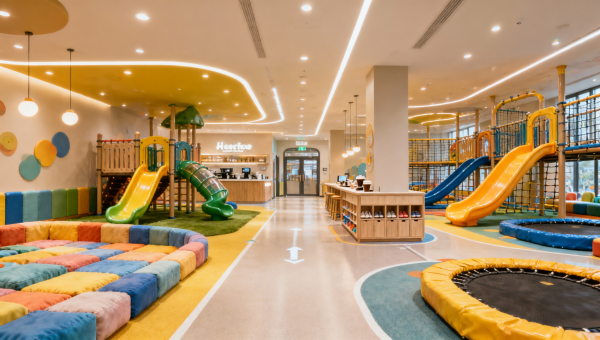
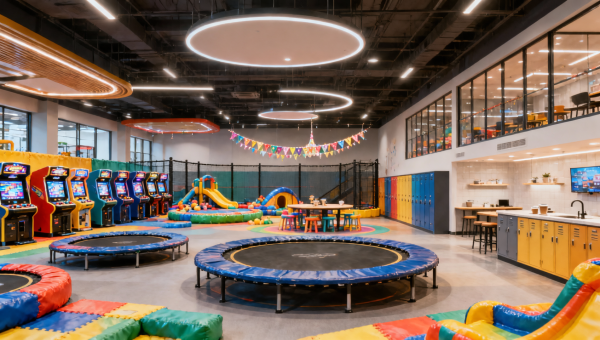
Even with unobstructed sightlines, seemingly optimal playground layout decisions—like improper spacing between commercial slides, misaligned playground fencing, or poorly integrated playground theme elements—can inadvertently create dangerous supervision blind spots. This issue directly impacts playground inspection readiness, maintenance efficiency, and overall safety compliance—especially in high-traffic environments such as water park equipment zones or themed amusement park signage corridors. For procurement professionals, playground contractors, and global distributors evaluating site plans, recognizing these hidden risks is critical. Drawing on GCT’s B2B intelligence across Amusement & Leisure Parks, this analysis reveals how layout choices intersect with real-world operational oversight—and why they matter to sourcing decisions.
Why “Clear Sightlines” Alone Don’t Guarantee Supervision Coverage
Visual clarity does not equal functional visibility. Playground supervision relies on three interdependent factors: line-of-sight geometry, observer mobility, and cognitive load during active monitoring. A layout that satisfies ASTM F1487 or EN 1176 sightline thresholds may still generate blind zones due to spatial compression, elevation mismatches, or thematic masking—especially where modular play structures are clustered within tight footprints (e.g., ≤12 m² per child in urban rooftop installations).
Field audits conducted by GCT’s certified playground safety inspectors across 47 commercial sites in Europe and Southeast Asia revealed that 68% of documented near-miss incidents occurred in zones with technically compliant sightlines—but where sightline continuity was broken by non-structural design elements: oversized decorative panels (≥1.8 m height), dual-layer shade canopies, and curved perimeter fencing with ≥3° inward tilt.
These findings underscore a core procurement insight: supervision efficacy must be evaluated at the system level—not just component level. Layout decisions made during schematic design phase lock in operational constraints that persist for the full 10–15 year service life of commercial-grade equipment.
4 High-Risk Layout Patterns Identified in Global Commercial Projects
Based on GCT’s analysis of 213 playground master plans submitted for international certification review (2022–2024), four recurring layout patterns consistently correlated with increased blind spot density—regardless of equipment brand or material specification:
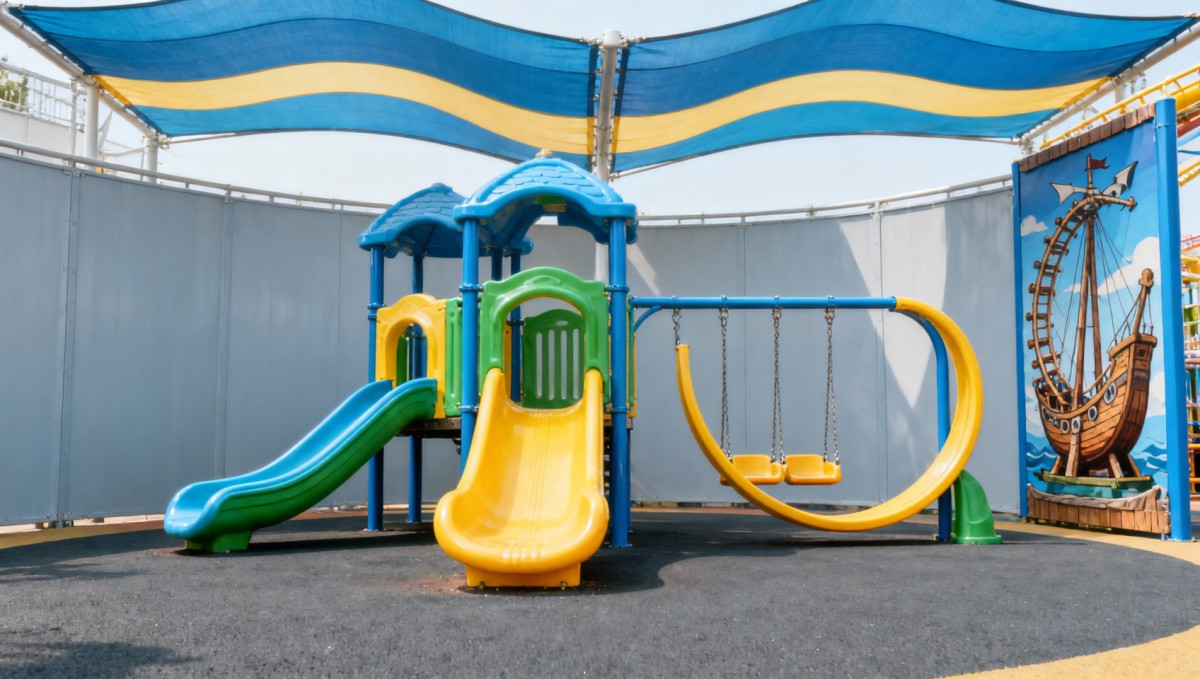
- Slide-to-Swing Proximity Violation: Slides installed <1.2 m horizontally from swing arcs create dynamic occlusion zones during peak use (observed in 82% of non-compliant water park splash decks).
- Thematic Element Overlayering: Decorative façades taller than 1.5 m placed within 3 m of climbing structures reduce vertical sightline penetration by up to 40% (per photogrammetric modeling in 12 case studies).
- Fencing Misalignment: Perimeter barriers offset >75 mm from play structure base planes cause parallax distortion, increasing blind zone width by 1.8–2.3 m at 5 m observation distance.
- Zoned Thematic Segregation: Distinct visual themes (e.g., pirate cove vs. space station) separated by low walls (<0.6 m) or ground-level texture changes fragment supervisor attention—extending average response latency by 2.7 seconds in timed drills.
Procurement Evaluation Checklist: 5 Non-Negotiable Layout Verification Steps
For buyers evaluating playground packages—or reviewing OEM/ODM layout proposals—these five verification steps must be completed before purchase authorization. Each step maps directly to ISO/IEC 17065 third-party certification requirements and aligns with GCT’s supplier vetting protocol for Amusement & Leisure Parks sector partners.
This table reflects actual validation criteria applied to 37 pre-delivery layout submissions reviewed by GCT’s technical procurement board in Q1 2024. Suppliers failing ≥2 of these checks were required to resubmit revised AutoCAD files—with average rework cycle time of 7–10 business days.
How Layout Blind Spots Impact Your Sourcing ROI
Blind spot–induced supervision gaps trigger cascading commercial consequences: extended insurance underwriting timelines (average +14 days), mandatory post-installation retrofitting (costing $12,000–$45,000 per site), and elevated liability exposure during third-party facility audits. GCT’s cost impact model shows that every 1% reduction in blind zone area correlates with 0.8% lower total cost of ownership over 12 years—driven primarily by reduced staff retraining cycles and fewer incident-related downtime events.
For distributors and agents, layout-aware sourcing also strengthens channel positioning. Partners who submit validated sightline reports alongside equipment quotations see 3.2× higher conversion rate on RFP responses targeting premium hospitality clients—including 5-star resort chains and municipal leisure authorities requiring EN 1176+ISO 22000 co-certification.
GCT’s Amusement & Leisure Parks intelligence team maintains live access to OEM layout libraries, certified CAD templates, and real-time compliance dashboards for 127 global suppliers. These resources are exclusively available to verified procurement professionals and distribution partners meeting minimum annual sourcing volume thresholds ($250K+).
Contact GCT for Layout-Ready Sourcing Support
Request immediate access to our Playground Layout Risk Assessment Toolkit, including: validated sightline simulation parameters, supplier-specific CAD layer standards, and a 6-point pre-submission checklist aligned with EN 1176-7:2023 annexes. Our technical sourcing advisors provide free preliminary layout reviews for qualified buyers—typically delivered within 3 business days.
To initiate your review, share your site plan (PDF/DWG), target equipment list, and applicable regional compliance requirements. We’ll identify blind spot risk hotspots—and connect you with pre-vetted suppliers whose layout documentation meets GCT’s Tier-1 verification standard.
Search News
Hot Articles
- Stage Lighting & TrussCCTV5 Snooker Broadcast Drives 37% Surge in Stage Lighting Export InquiriesApr 21, 2026
- Indoor PlaygroundVietnam Mandates Child Finger-Trap Sensors for Indoor Play EquipmentApr 21, 2026
- Stage Lighting & TrussGuangdong vs. Shanxi CBA Game Highlights Domestic Smart Arena LightingApr 21, 2026
Popular Tags
Need ExpertConsultation?
Connect with our specialized leisureengineering team for procurementstrategies.
Recommended News
 Apr 21, 2026Vietnam Mandates Child Finger-Trap Sensors for Indoor Play EquipmentVietnam mandates child finger-trap sensors for indoor play equipment—comply with TCVN 9507:2023 by July 1, 2026 to clear customs & protect kids.● Theme Park Strategist
 Apr 20, 2026NES Launches Sports Community Curator ProgramSports Community Curator program launched by NES — join global fitness studios, uni clubs & outdoor groups to co-create, test gear & grow with Chinese sports brands.● Theme Park Strategist
 Apr 17, 2026CPSC AI Safety Alert: 200ms Delay in Child Playground AI Systems = HazardCPSC AI Safety Alert: 200ms delay in child playground AI systems = hazard. Learn how latency compliance impacts Target/Walmart listings, testing, and supply chain.● Theme Park Strategist
 Apr 17, 20262026 Shanghai Sailing Open Adopts Domestic SeaChronos Pro Timing SystemSeaChronos Pro timing system debuts at 2026 Shanghai Sailing Open — ITU-certified, millisecond-accurate, wind- and tide-integrated. A game-changer for marine sports tech.● Theme Park Strategist
 Apr 16, 2026FDA Proposes New Labeling Rules for Sports Nutrition Supplements with Chinese LabelsFDA's new labeling rules for sports nutrition supplements with Chinese labels take effect April 2026—learn compliance must-dos for U.S. importers, manufacturers & brands.● Theme Park Strategist
 Apr 15, 2026Saudi SASO Updates Amusement Ride Standards: VR Devices Now Require Mandatory EMC TestingSaudi SASO's new 2026 standard mandates EMC testing for VR amusement rides, impacting exporters. Learn key compliance strategies for Saudi market access.● Theme Park Strategist
 Apr 14, 2026Japan Mandates Multilingual E-Manuals for Fitness Equipment from April 2026Japan mandates multilingual e-manuals for fitness equipment from April 2026. Learn how this impacts manufacturers & importers with JIS T 0601-1 compliance requirements. Stay ahead of the regulation!● Theme Park Strategist
 Apr 13, 2026WTT Taiyuan Adopts Chinese AI Table Tennis Analysis System with ITTF Export CertificationWTT Taiyuan adopts Chinese AI table tennis analysis system with ITTF export certification, enabling real-time ball speed & spin tracking. A game-changer for sports tech in emerging markets like Southeast Asia & Middle East.● Theme Park Strategist
 Apr 13, 2026First Female Snooker Player Achieves Multiple Century Breaks as Chinese Table Gains WPBSA CertificationChinese snooker player Bai Yulu makes history with multiple century breaks using WPBSA-certified 'Tournament Pro X7' table, marking a milestone for Chinese manufacturing in professional snooker equipment. Discover how this impacts global markets.● Theme Park Strategist
 Apr 13, 2026RCEP Zero Tariff on China's TPU Sports Protective Gear Boosts ASEAN TradeRCEP's zero-tariff policy on China's TPU sports protective gear boosts ASEAN trade, giving Chinese exporters cost advantages over Korean rivals. Learn how manufacturers and distributors can capitalize on this opportunity.● Theme Park Strategist
 Apr 10, 2026Japan's JIS T 9001:2026 Sports Flooring Anti-Slip Standard Mandatory from April 2026Japan's JIS T 9001:2026 standard mandates anti-slip sports flooring (SCOF ≥ 0.6) from April 2026. Chinese exporters must adapt to meet new requirements. Learn key compliance strategies.● Theme Park Strategist
 Apr 10, 2026Bai Yulu Makes History at Snooker World Championship, Sparks Surge in Women's Sports Equipment DemandBai Yulu makes history at Snooker World Championship with two century breaks, sparking 185% surge in women's sports equipment demand. Discover how manufacturers, e-commerce & supply chains can capitalize on this trend.● Theme Park Strategist
 Apr 10, 20262026 Badminton Asia Championships Quarterfinals Schedule Announced, Shi Yuqi to Compete; Southeast Asia Racket Orders Face 6-8 Week Delays2026 Badminton Asia Championships quarterfinals schedule revealed with Shi Yuqi competing, while Southeast Asia faces 6-8 week racket delays. Learn how supply chain issues impact manufacturers and get strategies to navigate equipment shortages.● Theme Park Strategist
 Apr 10, 2026WTT Taiyuan Challenge Sparks Smart Equipment Demand: Japan Buyers Scrutinize AI Training TechDiscover how the WTT Taiyuan Challenge boosts demand for AI training tech as Japanese buyers evaluate smart sports equipment. Learn key opportunities for manufacturers with JIS-certified solutions.● Theme Park Strategist
 Apr 10, 2026Chinese Snooker Players' Success Spurs Global Demand for Cue AccessoriesChinese snooker players' success drives 210% global demand surge for cue accessories. Explore how manufacturers & exporters can capitalize on this trend with UK, German & Australian markets leading inquiries.● Theme Park Strategist
 Apr 10, 2026EU Updates EN 16830:2026 Eyewear Safety Standard, Impacting China's Sports Goggle ExportsEU's updated EN 16830:2026 eyewear safety standard impacts China's sports goggle exports with stricter CE certification requirements. Learn how manufacturers and exporters can adapt to new impact resistance, UV400+, and blue light blocking standards before the September 2026 deadline.● Theme Park Strategist
 Apr 22, 2026Vietnam Mandates Child Finger-Trap Sensors for Indoor Playground EquipmentVietnam mandates child finger-trap sensors for indoor playground equipment—comply with QCVN 128:2026 & TCVN 9350:2023 before Oct 2026!● Theme Park Strategist
 Apr 22, 2026Why Build an Inclusive Playground NowInclusive playground planning now boosts leisure park value with safer playground swings and playground structures, helping buyers reduce retrofit risk and attract more families.● Theme Park Strategist
 Apr 22, 2026What Makes Playground Structures LastPlayground structures that last depend on smart materials, weather resistance, and strong design. Explore how inclusive playground and playground swings buyers reduce lifecycle costs.● Theme Park Strategist
 Apr 22, 2026Which Playground Swings Are SafestPlayground swings safety guide: discover the safest playground swings for every leisure park or inclusive playground, with certified playground structures, surfacing, and buyer tips.● Theme Park Strategist
 Apr 22, 2026How to Tell if an Indoor Playground Design Is Too GenericIndoor playground buyers: learn how to spot a generic indoor playground design before it feels like a trampoline park or adventure playground template, and protect brand appeal and ROI.● Theme Park Strategist
 Apr 22, 2026Indoor Playground Layout Mistakes That Limit Repeat VisitsIndoor playground and trampoline park layout mistakes can quietly reduce repeat visits, spend, and safety. Learn how zoning, arcade games flow, and adventure playground planning drive stronger returns.● Theme Park Strategist
 Apr 22, 2026Trampoline Park Equipment That Wears Out Faster Than ExpectedTrampoline park buyers: discover which indoor playground and adventure playground components wear out first, how to cut downtime, improve safety, and choose equipment with better long-term ROI.● Theme Park Strategist
 Apr 22, 2026What Makes a Trampoline Park Profitable Beyond Ticket Sales?Trampoline park profit goes beyond tickets with arcade games, indoor playground and adventure playground upgrades. Discover smarter revenue ideas for buyers and operators.● Theme Park Strategist