Adventure Playground Ideas That Work in Small Outdoor Spaces
Designing a compelling adventure playground in a small outdoor footprint is absolutely achievable. For procurement teams, distributors, and commercial buyers, the key question is not whether a compact site can work, but how to make every square meter deliver strong play value, safety, durability, and commercial return. In practice, the most successful small-space playgrounds use vertical play, multi-function equipment, clear traffic flow, and age-appropriate zoning rather than trying to replicate large-park layouts on a reduced scale.
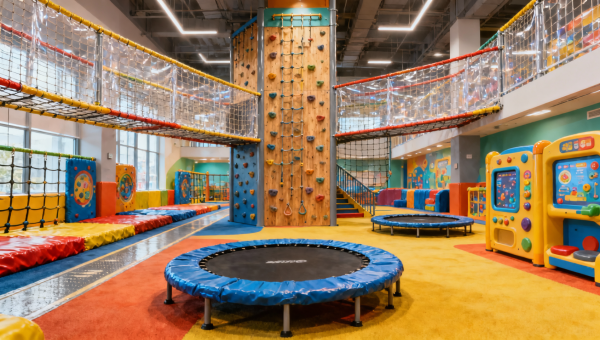
For buyers evaluating compact leisure concepts alongside indoor playground systems, trampoline features, or arcade-based family entertainment formats, a small outdoor adventure playground can be a highly effective option when the equipment mix is planned around user capacity, maintenance realities, and site limitations. This guide focuses on practical ideas, buying criteria, and layout strategies that help decision-makers assess whether a compact outdoor playground can meet experience goals and business targets.
What actually makes a small adventure playground successful?
A small outdoor space succeeds when it feels active, layered, and rewarding instead of cramped. The mistake many projects make is prioritizing the number of components over the quality of movement and interaction. In compact sites, success usually comes from combining climbing, balancing, crawling, sliding, and imaginative play in one integrated structure.
For commercial decision-makers, the best compact adventure playgrounds typically share five traits:
- High play density: multiple activities integrated into a small footprint
- Vertical use of space: towers, nets, ramps, and elevated decks instead of spread-out layouts
- Clear age targeting: equipment selected for a defined user group rather than trying to serve everyone equally
- Simple supervision lines: caregivers and staff can monitor activity without visual obstruction
- Low-friction maintenance: durable materials and accessible components that reduce downtime
From a buyer perspective, the overall judgment is straightforward: in small outdoor areas, compact integrated systems outperform scattered standalone pieces almost every time.
Best adventure playground ideas for small outdoor spaces
If the goal is to create a memorable experience in limited space, these concepts consistently perform well in schools, hospitality sites, mixed-use developments, residential amenities, and leisure venues.
1. Multi-level climbing towers
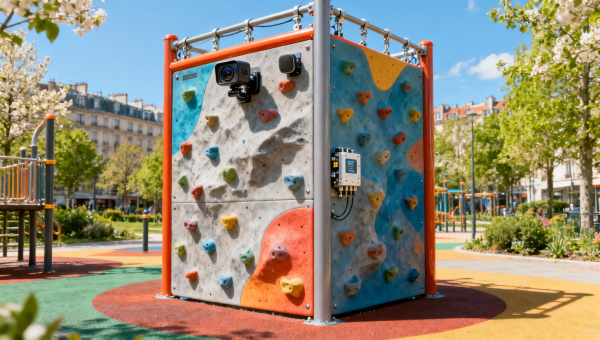
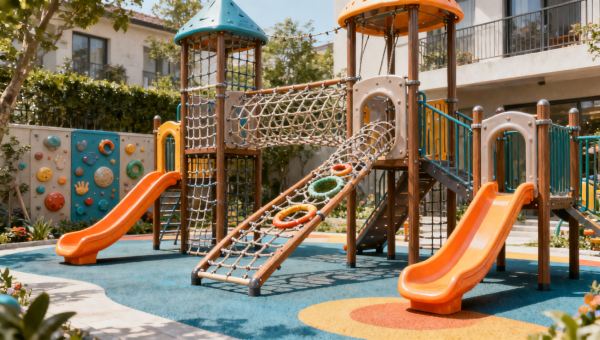
A compact climbing tower with platforms, ladders, rope access, and one short slide is often the strongest anchor product for a small site. It creates vertical engagement and gives children a sense of challenge without requiring a broad ground plan. For commercial buyers, this also simplifies surfacing and perimeter planning.
2. Rope and net play structures
Rope pyramids, suspended bridges, and compact net trails offer excellent play value per square meter. They encourage balancing, climbing, and social interaction while maintaining an open visual profile, which helps supervision. These structures are especially useful where a site must feel adventurous without becoming visually heavy.
3. Modular obstacle circuits
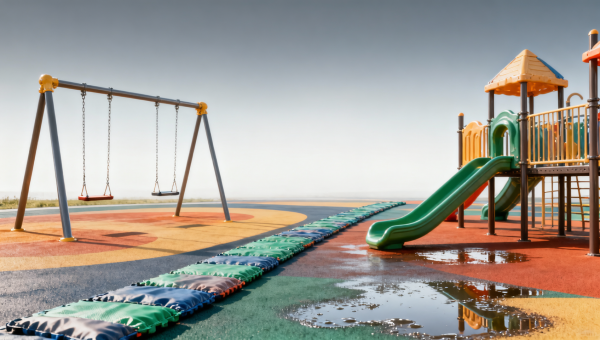
Short obstacle sequences using stepping pods, balance beams, low hurdles, crawl tunnels, and grip elements can turn a narrow or irregular area into an active play zone. This is a practical option for distributors and project planners working with leftover landscape strips, courtyard edges, or secondary outdoor spaces.
4. Nature-inspired play elements
Artificial boulders, timber-look balance logs, stump steps, and low climbing mounds can create an adventure feel without the bulk of large steel-framed systems. For hospitality and lifestyle-driven projects, this approach often blends better with upscale landscape design.
5. Low-footprint sensory adventure zones
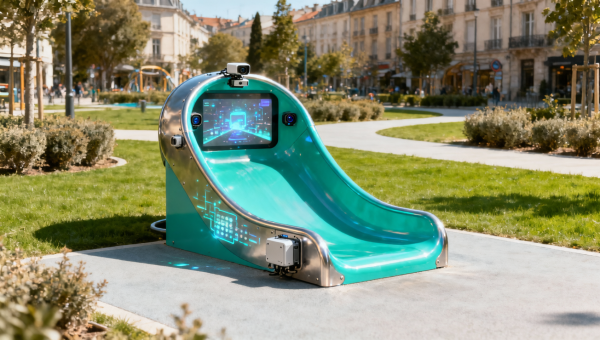
Not every compact playground needs to focus on high-thrill movement. Small sensory paths, tactile panels, musical play features, and interactive wall-mounted activities can increase inclusivity and broaden age appeal. These are useful where the site serves family groups with different play needs.
6. Perimeter play layouts
In very tight courtyards or rooftop-adjacent outdoor areas, designers can place play activity along the edges and leave the center open. This improves circulation, reduces collision risk, and creates a more spacious impression. It can also preserve flexible central space for seasonal programming or events.
7. Combination play-and-rest zones
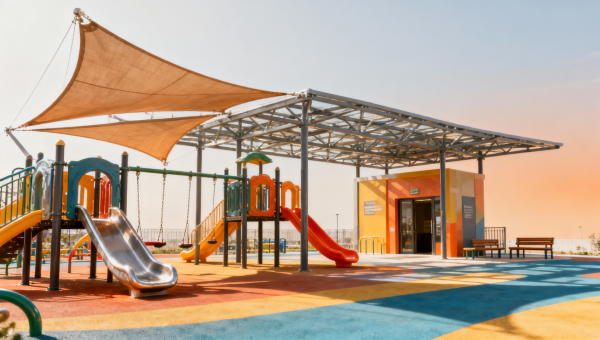
For commercial environments such as hotels, retail destinations, and food-led family venues, integrating seating, shade, and play in one compact arrangement increases dwell time. A small playground does more business value when it supports parent comfort and longer stays.
How to choose equipment when space is limited
When buyers compare equipment options, the right question is not “What can fit?” but “What can fit while still delivering repeatable use, safe circulation, and easy upkeep?” A compact site has less tolerance for poor equipment selection.
Focus on these evaluation criteria:
- Play-to-footprint ratio: how many distinct activities are built into one unit
- Required safety zone: actual installed area may be much larger than the equipment footprint
- User throughput: how many children can use it at the same time without congestion
- Age suitability: whether the challenge level matches the intended audience
- Accessibility considerations: inclusive access routes and play participation options
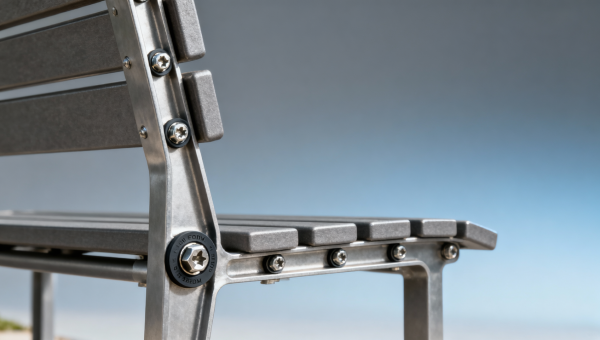
- Material durability: resistance to UV, corrosion, moisture, vandalism, and heavy use
- Maintenance complexity: replacement parts, inspection needs, and service access
For most small projects, integrated modular systems are easier to specify than highly customized one-off layouts. However, custom solutions can create a stronger commercial identity when branding, themed design, or unusual site geometry is a priority.
Layout planning mistakes that reduce play value in compact sites
Even good equipment can underperform if the layout is poorly planned. Buyers and project evaluators should watch for these common issues:
Overcrowding the site
Too many features make a space feel restricted and can reduce actual usability. Children need room to approach, move, queue, and transition between activities. A cleaner layout often delivers better engagement than a crowded one.
Ignoring circulation flow
Compact sites need clear movement paths. Entry points, exits, slide run-outs, and challenge sequences should not intersect in ways that create conflict or supervision difficulty.
Choosing large footprint items with low replay value
A single bulky element can consume the whole budget and much of the site while offering limited interaction. In smaller spaces, every major item should support repeated, varied play.
Not defining the age group early
If the target user is unclear, the final design often becomes too safe for older children and too challenging for younger ones. This weakens both user satisfaction and buyer ROI.
Underestimating surfacing and clearance needs
Many layouts look efficient on paper until fall zones and access clearances are applied. Procurement teams should verify installed dimensions, not just product dimensions.
How small outdoor playgrounds create commercial value
For business-focused readers, the value of a compact adventure playground goes beyond child entertainment. A well-designed installation can support wider commercial objectives, especially in experience-led environments.
Key business benefits include:
- Improved family appeal: helps venues attract parents and children together
- Longer dwell time: encourages visitors to stay longer in hospitality, retail, and mixed-use spaces
- Better space monetization: activates underused courtyards, terraces, side yards, and landscape pockets
- Brand differentiation: creates a more memorable environment than passive seating or decorative landscaping alone
- Flexible positioning: can support schools, resorts, community developments, family restaurants, and public leisure projects
Compared with some indoor entertainment formats, a compact outdoor playground may also offer lower energy demand and lower operational staffing requirements, although this depends on the site model and supervision standards.
What procurement teams should ask suppliers before making a decision
For sourcing and vendor evaluation, product aesthetics are only one part of the equation. Serious buyers should ask suppliers questions that reveal installation suitability, compliance credibility, and lifecycle reliability.
- Which international safety standards does the equipment comply with?
- What is the recommended user age and simultaneous capacity?
- What is the total installed area including safety clearance?
- Which materials are used for structural components, ropes, coatings, panels, and fasteners?
- How does the system perform in high-UV, coastal, humid, or heavy-use environments?
- What are the routine maintenance requirements and inspection intervals?
- Are spare parts stocked and how fast can replacements be supplied?
- Can the supplier support OEM or ODM needs for themed or branded projects?
- What installation guidance, documentation, and after-sales support are included?
For distributors and resellers, supplier responsiveness, documentation quality, and project support often matter just as much as the equipment itself, particularly in export or multi-market projects.
When to choose a compact outdoor adventure playground instead of other leisure formats
A small outdoor adventure playground is often the right choice when the project needs visible family value, moderate capital intensity, and broad public appeal. It is particularly suitable when the site has limited enclosed area, when outdoor landscape activation is a priority, or when operators want a lower-complexity offering than a fully managed indoor attraction.
It may be a better fit than other formats when:
- the available outdoor area is too small for a traditional playground but large enough for a vertical or modular play solution
- the venue wants to complement hospitality, retail, or community functions rather than build a standalone attraction
- operators need durable, weather-resistant equipment with strong visual appeal
- the target audience includes families seeking short, repeat visits rather than long-ticketed sessions
However, if weather exposure, supervision constraints, or revenue model requirements are highly restrictive, buyers may still prefer indoor playground systems or hybrid leisure concepts.
Final decision framework for buyers and specifiers
If you are assessing small outdoor playground ideas, the most important takeaway is this: limited space does not automatically mean limited experience. The right solution is usually a compact, high-density play environment built around vertical activity, clear user flow, durable materials, and a defined target age group.
For procurement teams and commercial evaluators, the strongest proposals will show more than attractive renderings. They will demonstrate safety compliance, realistic installed dimensions, maintenance practicality, throughput logic, and clear alignment with the venue’s commercial goals. In small-space projects, disciplined planning matters more than scale.
When chosen carefully, an adventure playground for a small outdoor space can deliver strong user engagement, efficient land use, and meaningful commercial value. For buyers, that makes compact playgrounds not a compromise, but a smart format in their own right.
Search News
Hot Articles
- Stage Lighting & TrussCCTV5 Snooker Broadcast Drives 37% Surge in Stage Lighting Export InquiriesApr 21, 2026
- Indoor PlaygroundVietnam Mandates Child Finger-Trap Sensors for Indoor Play EquipmentApr 21, 2026
- Stage Lighting & TrussGuangdong vs. Shanxi CBA Game Highlights Domestic Smart Arena LightingApr 21, 2026
Popular Tags
Need ExpertConsultation?
Connect with our specialized leisureengineering team for procurementstrategies.
Recommended News
 Apr 20, 2026China's Smart Timing System Gains ITU Certification at Shanghai Bike EventChina's smart timing system wins ITU-T L.1800 certification — the first Chinese sports timing platform approved for UCI-accredited cycling events. Discover how it reshapes reliability, security & global competitiveness in sports tech.● Theme Park Strategist
 Apr 17, 2026Popular Badminton AI Protocol Launched in ChengduPopular Badminton AI protocol launched in Chengdu — a game-changer for smart sports hardware, VR simulators & outdoor ride manufacturers targeting Asian youth academies.● Theme Park Strategist
 Apr 17, 2026EN 1176-7:2026 Enforced: AI Behavior Recognition Required for EU Outdoor Interactive Play EquipmentEN 1176-7:2026 is now enforced — AI behavior recognition is mandatory for EU outdoor interactive play equipment. Ensure CE compliance now.● Theme Park Strategist
 Apr 16, 2026EN 1176-7:2026 Enforces AI Safety Rules for EU Outdoor Interactive Play EquipmentEN 1176-7:2026 enforces AI safety rules for EU outdoor interactive play equipment — mandatory false-trigger ≤0.3% & local-only data processing. Act now to comply.● Theme Park Strategist
 Apr 13, 20262026 CKC China Karting Championship in Macau Sparks Export Interest for Domestic Racing GearThe 2026 CKC China Karting Championship in Macau showcased FIA-compliant racing gear, sparking export interest for domestic timing systems, carbon fiber kits & sustainable tires. Discover how this event opens global opportunities.● Theme Park Strategist
 Apr 13, 2026Japan Revises Sports Equipment Safety Standards: Mandatory Multilingual E-Manuals for Imported Fitness Gear from April 2026Japan's new Sports Equipment Safety Standards mandate multilingual e-manuals for imported fitness gear from 2026. Learn how this impacts global exporters and key compliance strategies for smooth market entry.● Theme Park Strategist
 Apr 10, 2026Middle East Tensions Raise Shipping Risks in Hormuz Strait, Air Freight Costs for Sports Equipment Surge 12%Middle East tensions escalate shipping risks in Hormuz Strait, causing a 12% surge in air freight costs for sports equipment. Learn how this impacts supply chains and strategies to mitigate delays.● Theme Park Strategist
 Apr 22, 2026How to Compare Theme Park RidesCompare theme park rides for safety, capacity, and ROI in a leisure park, while aligning playground structures, inclusive playground zones, and playground swings with smarter sourcing.● Theme Park Strategist
 Apr 22, 2026Is a Leisure Park Worth the InvestmentLeisure park investment guide: compare theme park rides, playground structures, inclusive playground design, swings, soundproofing materials, and custom furniture for stronger returns.● Theme Park Strategist
 Apr 22, 2026Adventure Playground Ideas That Work in Small Outdoor SpacesAdventure playground ideas for small outdoor spaces: compare layouts, indoor playground and trampoline park concepts, plus arcade games and musical instruments features to boost family appeal.● Theme Park Strategist
 Apr 22, 2026Adventure Playground Features That Improve Safety Without Feeling BoringAdventure playground and indoor playground safety features that keep fun high—compare trampoline park layouts, arcade games, and smart design tips for safer, more engaging venues.● Theme Park Strategist
 Apr 18, 20262026 Shanghai Sailing Open Adopts Domestic Smart Timing System2026 Shanghai Sailing Open adopts China's first ITU-R M.2412–certified smart timing system — a game-changer for marine sports exporters, integrators & event organizers worldwide.● Theme Park Strategist
 Apr 18, 2026EN 1176-7:2026 Enforced: AI Behavior Recognition Mandatory for EU Outdoor Play EquipmentEN 1176-7:2026 is now mandatory — AI behavior recognition required for EU outdoor play equipment. Ensure CE compliance, low-latency certification & market access before shipment.● Theme Park Strategist
 Apr 20, 2026Park benches with bolt corrosion you can’t see until it’s too latePark benches with hidden bolt corrosion risk luxury furniture, hotel furniture & commercial furniture safety—spot invisible degradation before failure.● Theme Park Strategist
 Apr 19, 2026Park benches built for coastal climates—what actually worksDiscover coastal-proof park benches, luxury furniture & custom hotel furniture built to last 25+ years in salt, sun & humidity—engineered for resorts, hotels & commercial spaces.● Theme Park Strategist
 Apr 19, 2026Why park benches fail after two seasons of outdoor usePark benches failing in 2 seasons? Discover why luxury furniture, hotel furniture, and commercial furniture specs matter—and how to choose resilient park benches, hotel chairs, and hotel tables.● Theme Park Strategist
 Apr 19, 2026Outdoor playground shade planning affects more than comfortOutdoor playground shade planning improves safety, durability, and visitor flow for outdoor playground, indoor playground, and trampoline park projects—explore smarter sourcing for swings and more.● Theme Park Strategist
 Apr 19, 2026Why playground swings fail early at busy public sitesPlayground swings at busy public sites fail early due to heavy traffic, weak materials, and poor maintenance. Compare outdoor playground, indoor playground, and trampoline park solutions for safer, longer-lasting performance.● Theme Park Strategist
 Apr 19, 2026Playground swings with fewer maintenance calls over timePlayground swings built for fewer maintenance calls: compare durable options for outdoor playground, indoor playground, and trampoline park projects with smarter lifecycle value.● Theme Park Strategist
 Apr 19, 2026How weather exposure changes outdoor playground safety plansOutdoor playground safety starts with weather planning. Learn how trampoline park, indoor playground, and playground swings buyers reduce risk, protect value, and choose climate-smart equipment.● Theme Park Strategist
 Apr 19, 2026Outdoor playground surfaces that hide higher lifetime costsOutdoor playground surface choices can raise hidden lifetime costs for trampoline park and indoor playground projects. Compare safer, longer-lasting options around playground swings.● Theme Park Strategist
 Apr 18, 2026Playground structures with integrated solar lighting: Is battery life consistent across seasons?Playground structures with integrated solar lighting: Discover seasonal battery performance data for leisure parks, theme park rides & inclusive playgrounds—backed by real-world climate testing and OEM validation.● Theme Park Strategist
 Apr 18, 2026Theme park rides using recycled steel: How does material origin affect fatigue testing?Theme park rides, playground swings & inclusive playground structures using recycled steel demand origin-aware fatigue testing—discover how material provenance impacts safety, durability & compliance.● Theme Park Strategist
 Apr 18, 2026Leisure park shade structures that fade unevenly—UV resistance vs. pigment qualityLeisure park shade structures fading unevenly? Discover why pigment quality—not just UV resistance—dictates longevity, brand integrity & ROI for playground structures, theme park rides & inclusive playgrounds.● Theme Park Strategist