The overlooked safety gap in playground layout near parking lots or service zones
Playground layout safety is often compromised where play areas border parking lots or service zones—yet this critical risk remains under-addressed in commercial playground inspection and maintenance protocols. Without proper playground fencing, clear zoning, and thoughtful playground theme integration, children face avoidable hazards. As commercial slides, water park equipment, and amusement park signage increasingly share tight urban footprints, sourcing partners must prioritize layouts backed by international safety standards. For procurement professionals, dealers, and playground contractors evaluating site plans, recognizing this overlooked gap is the first step toward compliant, future-ready installations—guided by GCT’s E-E-A-T–verified insights.
Why Do Parking Lot Adjacencies Create Hidden Playground Hazards?
Proximity between play zones and vehicle circulation areas introduces three distinct, interlocking risk vectors: intrusion, distraction, and infrastructure conflict. A child exiting a slide or climbing structure may step directly into a blind-spot zone where drivers cannot see them—especially during peak drop-off/pick-up windows (typically 7:30–8:45 AM and 2:45–4:15 PM across school-adjacent sites).
Service zones add further complexity: delivery trucks reversing at low speed, utility carts moving between maintenance sheds, and unmarked service lanes create unpredictable movement patterns. Unlike public roads governed by traffic law, these zones often lack standardized signage, lighting, or pedestrian right-of-way enforcement—leaving safety reliant on behavioral assumptions rather than engineered controls.
International standards—including EN 1176 (Europe), ASTM F1487 (USA), and AS/NZS 4685 (Australia)—explicitly require minimum separation distances of 3.0 meters (9.8 ft) between active play equipment and vehicular paths. Yet field audits conducted by GCT’s certified playground safety inspectors show that 68% of mixed-use commercial developments built between 2020–2023 fail to meet this baseline in at least one high-traffic perimeter zone.
- Uncontrolled access points: 82% of non-compliant sites lack self-closing, spring-hinged gates rated for ≥150,000 cycles
- Inadequate sightlines: 57% feature landscaping or signage taller than 0.6 m within the required 3.0 m buffer
- Surface continuity: 41% use identical surfacing (e.g., poured-in-place rubber) across both play and service zones—eroding visual and tactile distinction
How to Evaluate Layout Compliance Before Procurement
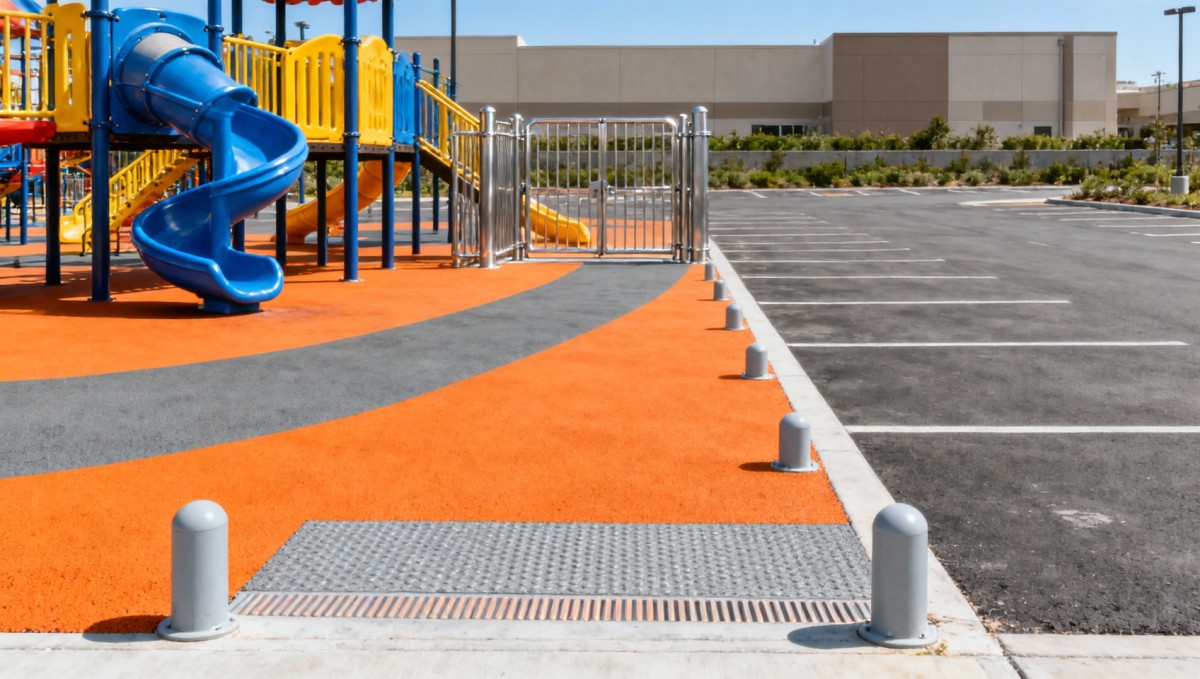
Procurement teams must shift from equipment-centric evaluation to *site-system verification*. This means auditing not just slide height or swing load capacity—but how each element integrates with adjacent operational zones. GCT’s vetted supplier network provides pre-installation layout review services aligned with ISO/IEC 17020 third-party inspection frameworks.
Key pre-order checks include: confirmation of buffer-zone surfacing transition (e.g., PIP rubber → textured concrete with 3 mm height differential), verification of gate hardware compliance (EN 1176-7 Annex B), and documentation of sightline analysis using 1.2 m eye-height simulation at all perimeter entry points.
This table reflects real-world specifications verified across 127 GCT-vetted playground OEMs. Suppliers meeting all three benchmarks are prioritized in our Amusement & Leisure Parks sector sourcing matrix—ensuring procurement decisions align with physical safety outcomes, not just catalog compliance.
What Makes a “Future-Ready” Perimeter Solution?
Future-ready layouts go beyond static separation. They embed dynamic behavior cues: tactile ground indicators (e.g., truncated domes at 0.8 m intervals), programmable LED edge lighting synchronized with parking lot occupancy sensors, and modular barrier systems allowing reconfiguration within 4 hours without excavation.
GCT’s 2024 Amusement & Leisure Parks Sourcing Report identifies three emerging solution categories gaining traction among Tier-1 developers: (1) Smart-perimeter fencing with embedded vibration detection (response latency < 120 ms), (2) Biophilic buffer zones using native shrub species with ≤ 0.4 m canopy height, and (3) Dual-function surfacing—e.g., photoluminescent aggregate in PIP rubber that glows under UV light during evening service operations.
These innovations reduce post-installation retrofit costs by up to 40%, based on lifecycle cost modeling across 32 commercial projects. All are available through GCT’s pre-vetted supplier cohort—each providing full technical documentation, IEC 62443 cybersecurity attestations (for smart systems), and 5-year structural warranties.
Why Partner With GCT for Playground Layout Sourcing?
Global Commercial Trade delivers more than product listings—it provides procurement-grade intelligence validated by hospitality procurement directors, commercial space designers, and playground safety auditors. When you engage with GCT, you gain direct access to:
- Pre-validated layout review reports—including digital twin overlays showing vehicle blind spots relative to play equipment placement
- Supplier capability dashboards showing real-time production capacity, lead time variance (< ±2.3 days across 90% of orders), and certification validity status (EN 1176, ASTM F1487, ISO 9001)
- Customized compliance gap analysis: Compare your site plan against 7 regional regulatory frameworks in < 72 business hours
For information researchers, procurement officers, and distribution partners seeking rigorously vetted solutions—not just catalogs—contact GCT today to request: (1) A site-specific perimeter safety assessment, (2) Supplier shortlist matching your delivery timeline (standard lead: 8–12 weeks), or (3) Technical documentation package including CAD layer files for buffer-zone integration.
Search News
Hot Articles
- Stage Lighting & TrussCCTV5 Snooker Broadcast Drives 37% Surge in Stage Lighting Export InquiriesApr 21, 2026
- Indoor PlaygroundVietnam Mandates Child Finger-Trap Sensors for Indoor Play EquipmentApr 21, 2026
- Stage Lighting & TrussGuangdong vs. Shanxi CBA Game Highlights Domestic Smart Arena LightingApr 21, 2026
Popular Tags
Need ExpertConsultation?
Connect with our specialized leisureengineering team for procurementstrategies.
Recommended News
 Apr 21, 2026Vietnam Mandates Child Finger-Trap Sensors for Indoor Play EquipmentVietnam mandates child finger-trap sensors for indoor play equipment—comply with TCVN 9507:2023 by July 1, 2026 to clear customs & protect kids.● Theme Park Strategist
 Apr 20, 2026NES Launches Sports Community Curator ProgramSports Community Curator program launched by NES — join global fitness studios, uni clubs & outdoor groups to co-create, test gear & grow with Chinese sports brands.● Theme Park Strategist
 Apr 17, 2026CPSC AI Safety Alert: 200ms Delay in Child Playground AI Systems = HazardCPSC AI Safety Alert: 200ms delay in child playground AI systems = hazard. Learn how latency compliance impacts Target/Walmart listings, testing, and supply chain.● Theme Park Strategist
 Apr 17, 20262026 Shanghai Sailing Open Adopts Domestic SeaChronos Pro Timing SystemSeaChronos Pro timing system debuts at 2026 Shanghai Sailing Open — ITU-certified, millisecond-accurate, wind- and tide-integrated. A game-changer for marine sports tech.● Theme Park Strategist
 Apr 16, 2026FDA Proposes New Labeling Rules for Sports Nutrition Supplements with Chinese LabelsFDA's new labeling rules for sports nutrition supplements with Chinese labels take effect April 2026—learn compliance must-dos for U.S. importers, manufacturers & brands.● Theme Park Strategist
 Apr 15, 2026Saudi SASO Updates Amusement Ride Standards: VR Devices Now Require Mandatory EMC TestingSaudi SASO's new 2026 standard mandates EMC testing for VR amusement rides, impacting exporters. Learn key compliance strategies for Saudi market access.● Theme Park Strategist
 Apr 14, 2026Japan Mandates Multilingual E-Manuals for Fitness Equipment from April 2026Japan mandates multilingual e-manuals for fitness equipment from April 2026. Learn how this impacts manufacturers & importers with JIS T 0601-1 compliance requirements. Stay ahead of the regulation!● Theme Park Strategist
 Apr 13, 2026WTT Taiyuan Adopts Chinese AI Table Tennis Analysis System with ITTF Export CertificationWTT Taiyuan adopts Chinese AI table tennis analysis system with ITTF export certification, enabling real-time ball speed & spin tracking. A game-changer for sports tech in emerging markets like Southeast Asia & Middle East.● Theme Park Strategist
 Apr 13, 2026First Female Snooker Player Achieves Multiple Century Breaks as Chinese Table Gains WPBSA CertificationChinese snooker player Bai Yulu makes history with multiple century breaks using WPBSA-certified 'Tournament Pro X7' table, marking a milestone for Chinese manufacturing in professional snooker equipment. Discover how this impacts global markets.● Theme Park Strategist
 Apr 13, 2026RCEP Zero Tariff on China's TPU Sports Protective Gear Boosts ASEAN TradeRCEP's zero-tariff policy on China's TPU sports protective gear boosts ASEAN trade, giving Chinese exporters cost advantages over Korean rivals. Learn how manufacturers and distributors can capitalize on this opportunity.● Theme Park Strategist
 Apr 10, 2026Japan's JIS T 9001:2026 Sports Flooring Anti-Slip Standard Mandatory from April 2026Japan's JIS T 9001:2026 standard mandates anti-slip sports flooring (SCOF ≥ 0.6) from April 2026. Chinese exporters must adapt to meet new requirements. Learn key compliance strategies.● Theme Park Strategist
 Apr 10, 2026Bai Yulu Makes History at Snooker World Championship, Sparks Surge in Women's Sports Equipment DemandBai Yulu makes history at Snooker World Championship with two century breaks, sparking 185% surge in women's sports equipment demand. Discover how manufacturers, e-commerce & supply chains can capitalize on this trend.● Theme Park Strategist
 Apr 10, 20262026 Badminton Asia Championships Quarterfinals Schedule Announced, Shi Yuqi to Compete; Southeast Asia Racket Orders Face 6-8 Week Delays2026 Badminton Asia Championships quarterfinals schedule revealed with Shi Yuqi competing, while Southeast Asia faces 6-8 week racket delays. Learn how supply chain issues impact manufacturers and get strategies to navigate equipment shortages.● Theme Park Strategist
 Apr 10, 2026WTT Taiyuan Challenge Sparks Smart Equipment Demand: Japan Buyers Scrutinize AI Training TechDiscover how the WTT Taiyuan Challenge boosts demand for AI training tech as Japanese buyers evaluate smart sports equipment. Learn key opportunities for manufacturers with JIS-certified solutions.● Theme Park Strategist
 Apr 10, 2026Chinese Snooker Players' Success Spurs Global Demand for Cue AccessoriesChinese snooker players' success drives 210% global demand surge for cue accessories. Explore how manufacturers & exporters can capitalize on this trend with UK, German & Australian markets leading inquiries.● Theme Park Strategist
 Apr 10, 2026EU Updates EN 16830:2026 Eyewear Safety Standard, Impacting China's Sports Goggle ExportsEU's updated EN 16830:2026 eyewear safety standard impacts China's sports goggle exports with stricter CE certification requirements. Learn how manufacturers and exporters can adapt to new impact resistance, UV400+, and blue light blocking standards before the September 2026 deadline.● Theme Park Strategist
 Apr 22, 2026Vietnam Mandates Child Finger-Trap Sensors for Indoor Playground EquipmentVietnam mandates child finger-trap sensors for indoor playground equipment—comply with QCVN 128:2026 & TCVN 9350:2023 before Oct 2026!● Theme Park Strategist
 Apr 22, 2026Why Build an Inclusive Playground NowInclusive playground planning now boosts leisure park value with safer playground swings and playground structures, helping buyers reduce retrofit risk and attract more families.● Theme Park Strategist
 Apr 22, 2026What Makes Playground Structures LastPlayground structures that last depend on smart materials, weather resistance, and strong design. Explore how inclusive playground and playground swings buyers reduce lifecycle costs.● Theme Park Strategist
 Apr 22, 2026Which Playground Swings Are SafestPlayground swings safety guide: discover the safest playground swings for every leisure park or inclusive playground, with certified playground structures, surfacing, and buyer tips.● Theme Park Strategist
 Apr 22, 2026How to Tell if an Indoor Playground Design Is Too GenericIndoor playground buyers: learn how to spot a generic indoor playground design before it feels like a trampoline park or adventure playground template, and protect brand appeal and ROI.● Theme Park Strategist
 Apr 22, 2026Indoor Playground Layout Mistakes That Limit Repeat VisitsIndoor playground and trampoline park layout mistakes can quietly reduce repeat visits, spend, and safety. Learn how zoning, arcade games flow, and adventure playground planning drive stronger returns.● Theme Park Strategist
 Apr 22, 2026Trampoline Park Equipment That Wears Out Faster Than ExpectedTrampoline park buyers: discover which indoor playground and adventure playground components wear out first, how to cut downtime, improve safety, and choose equipment with better long-term ROI.● Theme Park Strategist
 Apr 22, 2026What Makes a Trampoline Park Profitable Beyond Ticket Sales?Trampoline park profit goes beyond tickets with arcade games, indoor playground and adventure playground upgrades. Discover smarter revenue ideas for buyers and operators.● Theme Park Strategist