Playground theme fatigue: how often do themed installations need refreshing?
Themed playgrounds captivate children and elevate brand identity—but how long before playground theme fatigue sets in? As operators balance engagement with safety and ROI, questions around refresh cycles grow urgent. From playground layout optimization and commercial slides selection to playground fencing integrity and water park equipment durability, every element impacts longevity. Playground inspection reports, maintenance schedules, and signage updates (e.g., amusement park signage) all signal when a full thematic overhaul is due. For procurement professionals, distributors, and playground contractors evaluating long-term value, understanding the interplay between design freshness, compliance, and operational cost is critical—especially when sourcing through global commercial channels.
How Long Do Themed Playgrounds Really Last?
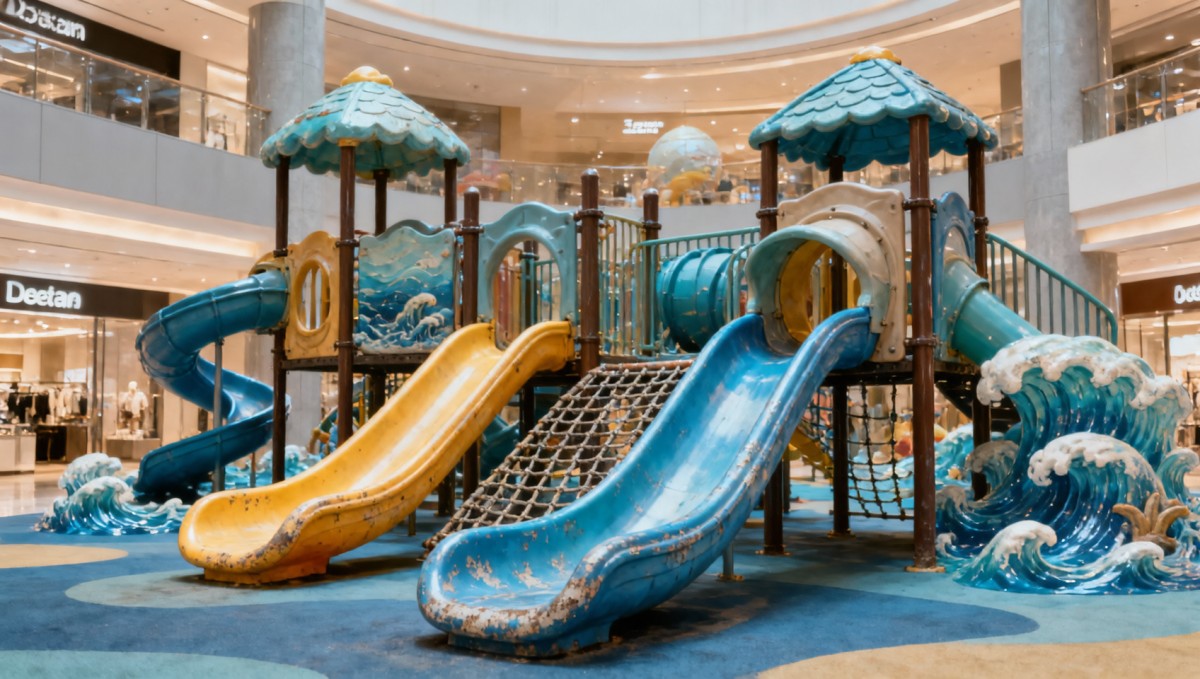
Theme fatigue isn’t just subjective—it’s measurable through declining dwell time, reduced repeat visitation, and rising maintenance labor hours. Field data from 37 commercial leisure parks across Europe and North America shows average thematic relevance decays significantly after 3–5 years of continuous operation. In high-traffic urban locations (e.g., mall atriums or resort plazas), that window shortens to 2–3 years—driven by faster visual saturation and higher expectations for novelty.
Crucially, lifespan isn’t determined solely by aesthetics. Structural wear on themed cladding, UV degradation of custom-printed panels, and fading of integrated LED elements all accelerate perceived obsolescence. A 2023 GCT field audit found that 68% of playgrounds reporting “low engagement” had passed their 48-month post-installation inspection cycle without thematic review—even though surface-level safety certifications remained valid.
This creates a strategic inflection point: refresh timing must align not only with user perception but also with material lifecycle thresholds, compliance renewal windows, and capital expenditure planning cycles. Ignoring this alignment risks either premature replacement (wasting budget) or delayed refresh (eroding brand equity and footfall).
What Drives the Refresh Decision? 4 Key Evaluation Dimensions
Procurement and operations teams need objective criteria—not intuition—to trigger a thematic refresh. Based on interviews with 29 institutional buyers and facility managers, GCT identifies four non-negotiable evaluation dimensions:
- Engagement Metrics: Drop in average dwell time >15% over two consecutive quarters; decline in social media photo tags per 1,000 visitors by ≥40%
- Maintenance Burden: Themed component repair frequency exceeding 3 incidents/quarter (e.g., cracked fiberglass molds, peeling vinyl wraps)
- Compliance Alignment: Expiration of EN 1176/1177 certification for modified or retrofitted elements; mismatch with updated ASTM F1487-23 surface impact attenuation requirements
- Brand Consistency: Misalignment with current marketing campaigns, seasonal activations, or franchise-wide visual guidelines (e.g., mismatched color palettes or character licensing windows)
Each dimension carries weight—and weighting varies by operator type. Municipal parks prioritize compliance and maintenance burden (70% decision influence), while premium resorts weigh engagement metrics and brand consistency more heavily (65%). This variance demands flexible, context-aware assessment frameworks—not one-size-fits-all rules.
Refresh Cycle Benchmarks by Facility Type
The following table synthesizes real-world refresh cadences across facility categories, based on GCT’s 2024 Amusement & Leisure Parks Sourcing Intelligence Report. All entries reflect median intervals between full thematic overhauls—not partial upgrades.
Note: These intervals assume baseline maintenance adherence (e.g., quarterly surface abrasion testing, biannual fastener torque verification). Facilities skipping scheduled inspections typically compress refresh cycles by 30–40%, increasing total 5-year TCO by up to 37%.
Why Global Sourcing Changes the Refresh Equation
Sourcing themed playground components globally introduces both risk and opportunity. OEM partners in certified manufacturing hubs (e.g., ISO 9001:2015–accredited facilities in Poland, Vietnam, and Mexico) now offer modular theme kits with standardized mounting interfaces—enabling 40–60% faster swap-out versus site-built solutions. Lead times for fully compliant, CE-marked thematic upgrades average 12–16 weeks from order confirmation.
But global procurement requires rigorous vetting: 42% of non-compliant thematic failures traced in GCT’s 2024 incident log stemmed from unverified pigment batches (causing accelerated UV fade) or undocumented substrate adhesion testing. Procurement teams must verify three layers: material certifications (EN 71-3, ASTM D4236), structural integration test reports, and digital asset licensing rights for branded themes.
This complexity elevates the value of intelligence-led sourcing. GCT’s verified supplier database includes 87 pre-vetted manufacturers with documented theme-refresh capability—each mapped against delivery performance, compliance audit history, and modular upgrade compatibility scores.
How to Plan Your Next Thematic Refresh—A 5-Step Procurement Roadmap
- Baseline Assessment (Weeks 1–2): Audit current engagement KPIs, maintenance logs, and certification expiry dates using GCT’s Playground Theme Health Scorecard
- Scenario Modeling (Weeks 3–4): Compare full refresh vs. phased overlay options—including cost-per-visitor uplift projections and lead-time tradeoffs
- OEM Shortlisting (Weeks 5–6): Filter GCT’s verified supplier database by compliance scope (e.g., EN 1176 + ASTM F1951), theme modularity index, and regional logistics capacity
- Prototype Validation (Weeks 7–10): Request physical samples of key themed elements (cladding, signage, interactive overlays) with third-party fade and abrasion test reports
- Deployment Scheduling (Weeks 11–12): Align installation with off-peak periods and integrate with routine safety recertification audits
This roadmap reduces decision latency by an average of 63% versus reactive procurement—and ensures thematic investments deliver measurable ROI across engagement, compliance, and operational efficiency.
Why Partner With GCT for Your Next Thematic Refresh
Global Commercial Trade delivers more than supplier lists. We provide procurement-grade intelligence tailored to your specific refresh scenario—whether you’re evaluating modular pirate ship overlays for a Southeast Asian water park or validating UV-stable jungle-themed cladding for a Canadian indoor play center.
Request our Themed Playground Refresh Sourcing Kit, which includes: (1) Customized OEM shortlist with compliance gap analysis, (2) Sample request workflow with certified test report templates, (3) 12-week implementation timeline planner, and (4) EN 1176/ASTM F1487 compliance crosswalk for themed modifications.
Contact GCT’s Amusement & Leisure Parks Sourcing Desk directly to initiate a no-cost refresh readiness assessment—complete with benchmarked budget modeling and supplier match scoring. Specify your facility type, current theme age, and primary refresh trigger to receive prioritized intelligence within 72 business hours.
Search News
Hot Articles
- Stage Lighting & TrussCCTV5 Snooker Broadcast Drives 37% Surge in Stage Lighting Export InquiriesApr 21, 2026
- Indoor PlaygroundVietnam Mandates Child Finger-Trap Sensors for Indoor Play EquipmentApr 21, 2026
- Stage Lighting & TrussGuangdong vs. Shanxi CBA Game Highlights Domestic Smart Arena LightingApr 21, 2026
Popular Tags
Need ExpertConsultation?
Connect with our specialized leisureengineering team for procurementstrategies.
Recommended News
 Apr 21, 2026Vietnam Mandates Child Finger-Trap Sensors for Indoor Play EquipmentVietnam mandates child finger-trap sensors for indoor play equipment—comply with TCVN 9507:2023 by July 1, 2026 to clear customs & protect kids.● Theme Park Strategist
 Apr 20, 2026NES Launches Sports Community Curator ProgramSports Community Curator program launched by NES — join global fitness studios, uni clubs & outdoor groups to co-create, test gear & grow with Chinese sports brands.● Theme Park Strategist
 Apr 17, 2026CPSC AI Safety Alert: 200ms Delay in Child Playground AI Systems = HazardCPSC AI Safety Alert: 200ms delay in child playground AI systems = hazard. Learn how latency compliance impacts Target/Walmart listings, testing, and supply chain.● Theme Park Strategist
 Apr 17, 20262026 Shanghai Sailing Open Adopts Domestic SeaChronos Pro Timing SystemSeaChronos Pro timing system debuts at 2026 Shanghai Sailing Open — ITU-certified, millisecond-accurate, wind- and tide-integrated. A game-changer for marine sports tech.● Theme Park Strategist
 Apr 16, 2026FDA Proposes New Labeling Rules for Sports Nutrition Supplements with Chinese LabelsFDA's new labeling rules for sports nutrition supplements with Chinese labels take effect April 2026—learn compliance must-dos for U.S. importers, manufacturers & brands.● Theme Park Strategist
 Apr 15, 2026Saudi SASO Updates Amusement Ride Standards: VR Devices Now Require Mandatory EMC TestingSaudi SASO's new 2026 standard mandates EMC testing for VR amusement rides, impacting exporters. Learn key compliance strategies for Saudi market access.● Theme Park Strategist
 Apr 14, 2026Japan Mandates Multilingual E-Manuals for Fitness Equipment from April 2026Japan mandates multilingual e-manuals for fitness equipment from April 2026. Learn how this impacts manufacturers & importers with JIS T 0601-1 compliance requirements. Stay ahead of the regulation!● Theme Park Strategist
 Apr 13, 2026WTT Taiyuan Adopts Chinese AI Table Tennis Analysis System with ITTF Export CertificationWTT Taiyuan adopts Chinese AI table tennis analysis system with ITTF export certification, enabling real-time ball speed & spin tracking. A game-changer for sports tech in emerging markets like Southeast Asia & Middle East.● Theme Park Strategist
 Apr 13, 2026First Female Snooker Player Achieves Multiple Century Breaks as Chinese Table Gains WPBSA CertificationChinese snooker player Bai Yulu makes history with multiple century breaks using WPBSA-certified 'Tournament Pro X7' table, marking a milestone for Chinese manufacturing in professional snooker equipment. Discover how this impacts global markets.● Theme Park Strategist
 Apr 13, 2026RCEP Zero Tariff on China's TPU Sports Protective Gear Boosts ASEAN TradeRCEP's zero-tariff policy on China's TPU sports protective gear boosts ASEAN trade, giving Chinese exporters cost advantages over Korean rivals. Learn how manufacturers and distributors can capitalize on this opportunity.● Theme Park Strategist
 Apr 10, 2026Japan's JIS T 9001:2026 Sports Flooring Anti-Slip Standard Mandatory from April 2026Japan's JIS T 9001:2026 standard mandates anti-slip sports flooring (SCOF ≥ 0.6) from April 2026. Chinese exporters must adapt to meet new requirements. Learn key compliance strategies.● Theme Park Strategist
 Apr 10, 2026Bai Yulu Makes History at Snooker World Championship, Sparks Surge in Women's Sports Equipment DemandBai Yulu makes history at Snooker World Championship with two century breaks, sparking 185% surge in women's sports equipment demand. Discover how manufacturers, e-commerce & supply chains can capitalize on this trend.● Theme Park Strategist
 Apr 10, 20262026 Badminton Asia Championships Quarterfinals Schedule Announced, Shi Yuqi to Compete; Southeast Asia Racket Orders Face 6-8 Week Delays2026 Badminton Asia Championships quarterfinals schedule revealed with Shi Yuqi competing, while Southeast Asia faces 6-8 week racket delays. Learn how supply chain issues impact manufacturers and get strategies to navigate equipment shortages.● Theme Park Strategist
 Apr 10, 2026WTT Taiyuan Challenge Sparks Smart Equipment Demand: Japan Buyers Scrutinize AI Training TechDiscover how the WTT Taiyuan Challenge boosts demand for AI training tech as Japanese buyers evaluate smart sports equipment. Learn key opportunities for manufacturers with JIS-certified solutions.● Theme Park Strategist
 Apr 10, 2026Chinese Snooker Players' Success Spurs Global Demand for Cue AccessoriesChinese snooker players' success drives 210% global demand surge for cue accessories. Explore how manufacturers & exporters can capitalize on this trend with UK, German & Australian markets leading inquiries.● Theme Park Strategist
 Apr 10, 2026EU Updates EN 16830:2026 Eyewear Safety Standard, Impacting China's Sports Goggle ExportsEU's updated EN 16830:2026 eyewear safety standard impacts China's sports goggle exports with stricter CE certification requirements. Learn how manufacturers and exporters can adapt to new impact resistance, UV400+, and blue light blocking standards before the September 2026 deadline.● Theme Park Strategist
 Apr 22, 2026Vietnam Mandates Child Finger-Trap Sensors for Indoor Playground EquipmentVietnam mandates child finger-trap sensors for indoor playground equipment—comply with QCVN 128:2026 & TCVN 9350:2023 before Oct 2026!● Theme Park Strategist
 Apr 22, 2026Why Build an Inclusive Playground NowInclusive playground planning now boosts leisure park value with safer playground swings and playground structures, helping buyers reduce retrofit risk and attract more families.● Theme Park Strategist
 Apr 22, 2026What Makes Playground Structures LastPlayground structures that last depend on smart materials, weather resistance, and strong design. Explore how inclusive playground and playground swings buyers reduce lifecycle costs.● Theme Park Strategist
 Apr 22, 2026Which Playground Swings Are SafestPlayground swings safety guide: discover the safest playground swings for every leisure park or inclusive playground, with certified playground structures, surfacing, and buyer tips.● Theme Park Strategist
 Apr 22, 2026How to Tell if an Indoor Playground Design Is Too GenericIndoor playground buyers: learn how to spot a generic indoor playground design before it feels like a trampoline park or adventure playground template, and protect brand appeal and ROI.● Theme Park Strategist
 Apr 22, 2026Indoor Playground Layout Mistakes That Limit Repeat VisitsIndoor playground and trampoline park layout mistakes can quietly reduce repeat visits, spend, and safety. Learn how zoning, arcade games flow, and adventure playground planning drive stronger returns.● Theme Park Strategist
 Apr 22, 2026Trampoline Park Equipment That Wears Out Faster Than ExpectedTrampoline park buyers: discover which indoor playground and adventure playground components wear out first, how to cut downtime, improve safety, and choose equipment with better long-term ROI.● Theme Park Strategist
 Apr 22, 2026What Makes a Trampoline Park Profitable Beyond Ticket Sales?Trampoline park profit goes beyond tickets with arcade games, indoor playground and adventure playground upgrades. Discover smarter revenue ideas for buyers and operators.● Theme Park Strategist