Lithium Carbonate Prices Stabilize and Rebound, Boosting Profit Recovery in Lithium Battery Industry Chain: Marginal Relief in Export Cost Pressure for China's Portable Energy Storage and Smart Wearable Devices
Introduction
In late March 2026, battery-grade lithium carbonate prices halted their decline and began to rebound, signaling an optimization in market supply-demand dynamics. As a core raw material, this upward trend supports profit recovery for China's A-share lithium battery sector and indirectly alleviates BOM cost pressures for lithium-containing products like portable energy storage systems, Bluetooth earphones, and smart watches. Overseas buyers may now find more competitive pricing and stable delivery capabilities from Chinese suppliers starting in Q2.
Event Overview
On March 26, 2026, battery-grade lithium carbonate prices entered a stabilization and recovery phase after prolonged declines. The adjustment reflects improved supply-demand balance in the upstream lithium market, with downstream demand from energy storage and consumer electronics sectors showing resilience. Current data indicates this marks the first sustained price rebound in six months.
Impact on Key Sub-Sectors
1. Portable Energy Storage Manufacturers
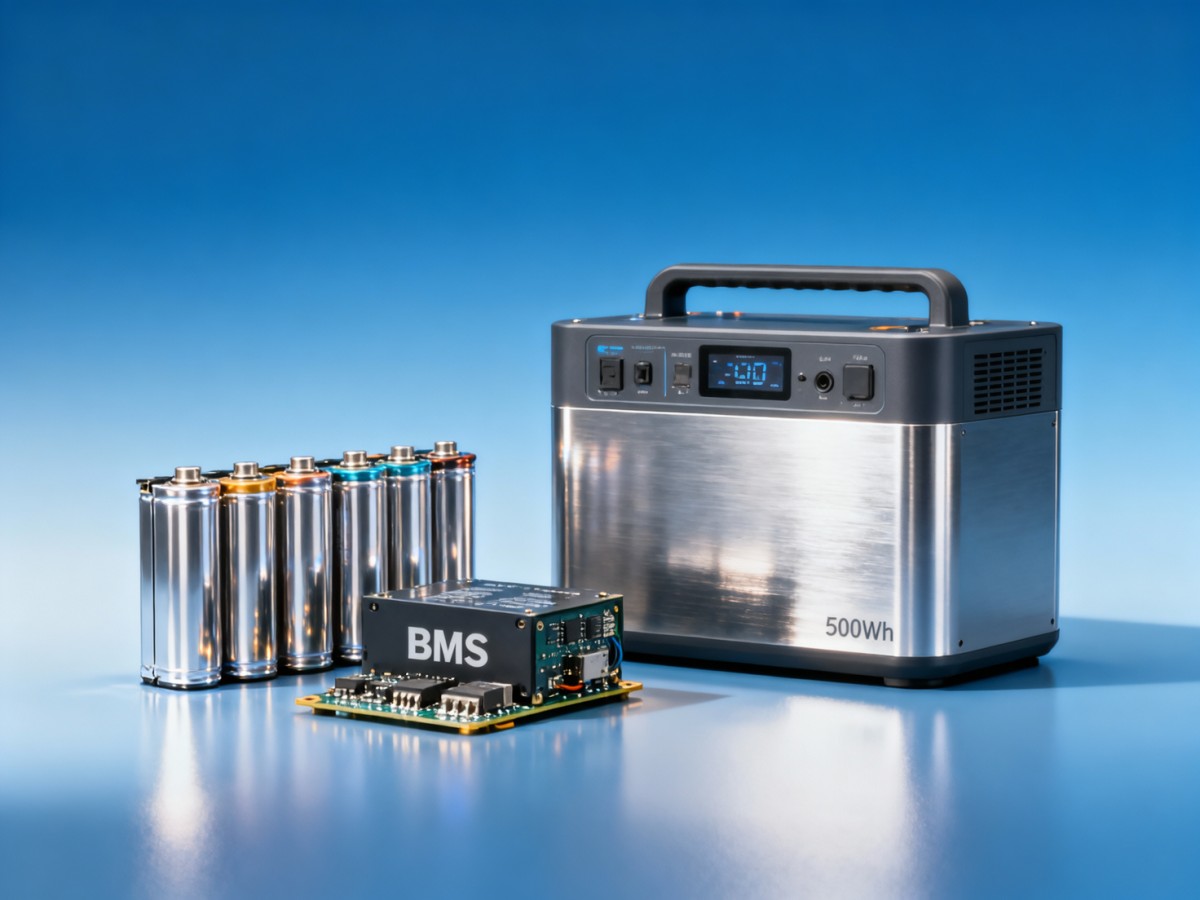
The cost structure for portable power stations (particularly those with 500Wh+ capacity) shows 15-20% direct sensitivity to lithium carbonate fluctuations. Analysis suggests the price rebound could narrow Q2 gross margin compression by 2-3 percentage points compared to Q1 2026 levels.
2. Smart Wearable Device Exporters
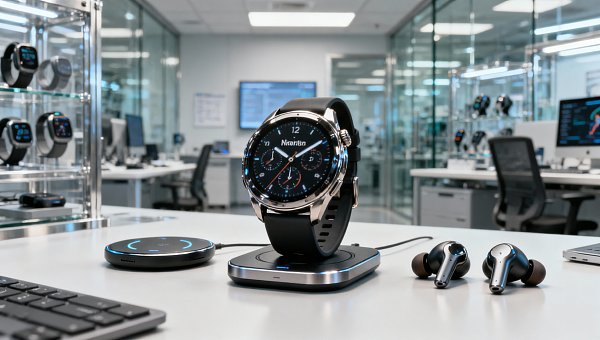
For Bluetooth headsets and smartwatches, lithium battery components account for 18-25% of total BOM costs. The marginal cost relief may enable Chinese OEMs to offer 3-5% more competitive FOB prices while maintaining existing profit thresholds - particularly crucial for European and North American markets where price sensitivity remains high.
3. Lithium Battery Component Suppliers
Midstream players (cell manufacturers, BMS providers) may experience improved bargaining power with downstream clients. Current contracts with price adjustment clauses could trigger 1-2 quarterly renegotiations, potentially reversing the raw material cost pass-through trend seen throughout 2025.
Actionable Insights for Industry Players
Procurement Strategy Adjustments
From an industry perspective, buyers with Q3 delivery requirements should monitor the 30-day moving average price trend before locking in contracts. The current window may represent a favorable entry point before potential seasonal demand peaks.
Export Pricing Reassessment
Export-oriented manufacturers could revisit their Q2 price lists, especially for orders with 60-90 day delivery cycles. The marginal cost improvement allows for tactical pricing adjustments without eroding hard-won market share.
Supply Chain Communication
Current dynamics warrant proactive communication with overseas clients about stabilized production costs and delivery reliability - key competitive advantages as global buyers reassess sourcing strategies amid fluctuating commodity markets.
Editor's Observation
This development appears more indicative of market rebalancing than a fundamental demand surge. Analysis suggests three monitoring priorities: 1) sustainability of lithium price stabilization, 2) downstream inventory digestion progress, and 3) potential policy impacts as major economies update critical mineral strategies. The industry should view this as a conditional opportunity rather than an unqualified positive signal.
Conclusion
The lithium carbonate price rebound represents a meaningful but measured inflection point for China's lithium-dependent export sectors. While providing breathing room for margin recovery, its ultimate significance will depend on whether the stabilization evolves into a sustained trend. Market participants would be prudent to approach this as a tactical advantage within a still-evolving cost structure landscape.
Information Sources
1. Shanghai Metals Market (SMM) lithium price tracking
2. China Customs export data analysis (Jan-Feb 2026)
3. Industry procurement benchmarks from major OEMs
*Ongoing monitoring required for April spot price trends and Q2 contract negotiations
Search News
Hot Articles
- Restaurant FurnitureFast-Casual Restaurant Interiors: Design Choices That Improve Speed and Guest FlowOct 04, 2026
- Outdoor RidesHow to Select Leisure Park Equipment for Safe, High-Throughput Visitor AreasOct 03, 2026
- Fashion & Gem JewelryDiamond Tester Wholesale: How to Vet Accuracy, Calibration, and MOQ Before OrderingOct 02, 2026
Popular Tags
Need ExpertConsultation?
Connect with our specialized leisureengineering team for procurementstrategies.
Recommended News
 Sep 08, 2026Water-Resistant Commercial Watches: Choosing Ratings for Workwear and Promotional UseWater resistant commercial watch guide: match 3, 5, or 10 ATM ratings to workwear and promotional needs, verify testing, and protect your budget and brand.● Luxury Retail Analyst
 Sep 07, 2026Commercial Watch Bulk Orders: How to Evaluate Pricing Tiers, Lead Times, and SamplesCommercial watch bulk order guide: evaluate pricing tiers, lead times, samples, landed costs, and supplier readiness to protect margins and launch on schedule.● Luxury Retail Analyst
 Sep 06, 2026Private Label Commercial Watches: A Buyer's Checklist for Branding, MOQ, and QCPrivate label commercial watch sourcing made simple: explore branding, MOQ, materials, supplier QC, and approval steps to build a reliable, market-ready watch program.● Luxury Retail Analyst
 Aug 16, 2026Where to Source Moissanite Iced Out Watches Wholesale Without Sacrificing QualityMoissanite iced out watches wholesale buyers: learn how to source factory-direct quality, verify stone setting and plating, and reduce risk before placing bulk orders.● Luxury Retail Analyst
 Aug 12, 2026How to Evaluate Luxury Watch Winders Wholesale for Retail and Gift Supply?Luxury watch winders wholesale buying guide: learn how to assess quality, noise, compatibility, OEM options, and supplier risk for retail, hospitality, and premium gift supply.● Luxury Retail Analyst
 Jul 15, 2026Kids Smart Watches for School: Key Features Parents Should Compare Before BuyingKids smart watches for school: compare school mode, safe calling, GPS accuracy, battery life, comfort, and privacy controls before you buy the best fit for your child.● Luxury Retail Analyst
 Jul 07, 2026Wholesale Mechanical Watches Stainless Steel: What to Check Before Placing a Bulk OrderWholesale mechanical watches stainless steel sourcing guide: learn how to verify movement quality, steel grade, compliance, and supplier reliability before placing a bulk order.● Luxury Retail Analyst
 Jul 05, 2026Nurse Watches Bulk Buying Guide: Styles, Compliance, and Order QuantitiesNurse watches bulk buying made simple: compare styles, compliance checks, MOQ strategy, and supplier reliability to reduce risk and place smarter orders.● Luxury Retail Analyst
 Jul 05, 2026Stainless Steel Watch Bands Clasp Guide: Types, Fit, and Common Locking IssuesStainless steel watch bands clasp guide covering clasp types, fit checks, and common locking issues. Learn how to compare options, avoid failures, and choose a secure, comfortable band with confidence.● Luxury Retail Analyst
 Jun 30, 2026SASO Arabic UI Rule Tightens Smartwatch ExportsSASO Arabic UI Rule Tightens Smartwatch Exports as Saudi Arabia mandates full Arabic support by Oct 1, 2026. Learn the compliance risks, testing impact, and export actions now.● Luxury Retail Analyst
 Jun 30, 2026How to Source Silicone Watch Bands Bulk: MOQ, Material Grades, and OEM OptionsSilicone watch bands bulk sourcing made simple: compare MOQ, material grades, quality control, and OEM options to reduce risk, choose reliable suppliers, and buy with confidence.● Luxury Retail Analyst
 Jun 29, 2026Saudi SASO Adds Arabic UI Check for SmartwatchesSaudi SASO Adds Arabic UI Check for Smartwatches: learn how the 2026 Arabic UI verification may affect OEM models, certification, imports, and retail listings in Saudi Arabia.● Luxury Retail Analyst
 Jun 17, 2026Automatic Watches OEM Explained: Movement Options, Case Materials, and CustomizationAutomatic watches OEM explained: compare movement options, case materials, and customization factors that shape quality, brand value, and supplier reliability.● Luxury Retail Analyst
 Jun 11, 2026REACH SVHC Update Hits Watch OEMs and SmartwatchesREACH SVHC update puts Watch OEM and smartwatch exports to the EU under new pressure. See how SCIP filing, supplier declarations, and material checks can protect shipments before the 2026 deadline.● Luxury Retail Analyst
 Jun 10, 2026REACH SVHC Update Adds New Watch Export Compliance DutiesREACH SVHC update puts Watch OEM and smartwatch exporters under new EU compliance pressure. Learn the new SCIP duties, 0.1% threshold risks, and what teams must do before December 2026.● Luxury Retail Analyst
 Jun 08, 2026Commercial Watch vs Retail Watch: Key Differences in OEM Specs, Pricing, and Use CasesCommercial watch vs retail watch: discover key OEM specs, pricing factors, and use cases to choose the right sourcing strategy, reduce risk, and improve brand fit.● Luxury Retail Analyst
 Jun 05, 2026Watch Hands and Crowns: Key Specs to Check for OEM Repair and AssemblyWatch hands and crowns for OEM repair and assembly: learn the key specs to verify for fit, sealing, durability, and repeatable quality before approval.● Luxury Retail Analyst
 Jun 02, 2026Sapphire Watch Glass vs Mineral Glass: Durability, Clarity, and Cost DifferencesSapphire watch glass vs mineral glass: compare scratch resistance, clarity, impact behavior, and cost to choose the right lens for premium or value-driven watches.● Luxury Retail Analyst
 May 23, 2026What should buyers check before sourcing iced out watches wholesale?Iced out watches wholesale buyers should check material honesty, stone setting, durability, and supplier compliance before ordering to reduce returns and protect profit.● Luxury Retail Analyst
 May 02, 2026Zheng Qinwen’s Madrid Exit Delays EU Orders for Smart Tennis WearablesSmart tennis wearables face EU procurement delays after Zheng Qinwen’s Madrid Open exit — key for manufacturers navigating WTA data privacy guidelines.● Luxury Retail Analyst
 Apr 30, 2026What separates a commercial watch from a fashion driven modelCommercial watch buying explained: discover how durability, precision, serviceability, and channel fit separate true commercial models from fashion-led watches for retail, gifting, and hospitality.● Luxury Retail Analyst
 Apr 30, 2026ODM watches or private label, which model fits betterODM watches or private label? Compare speed, customization, MOQ, and sourcing risk to choose the best watch model for your brand, launch timeline, and profit goals.● Luxury Retail Analyst
 Apr 24, 2026ODM Watches: Costs, MOQ, and Lead TimesODM watches guide: compare costs, MOQ, and lead times for sports and entertainment sourcing. Ideal for hospitality procurement, resort retail, and branded event merchandise buyers.● Luxury Retail Analyst
 Apr 24, 2026ODM Watches vs OEM: Which Fits Your Brand?ODM watches vs OEM: compare speed, cost, design control, MOQ, and brand value. A practical guide for hospitality procurement, retailers, and distributors.● Luxury Retail Analyst