International Gold Price Hits $4,376.30/Oz on March 26, Pressuring China's Jewelry Export Costs - Overseas Wholesalers Urged to Reassess Q2 Procurement Strategies
Introduction
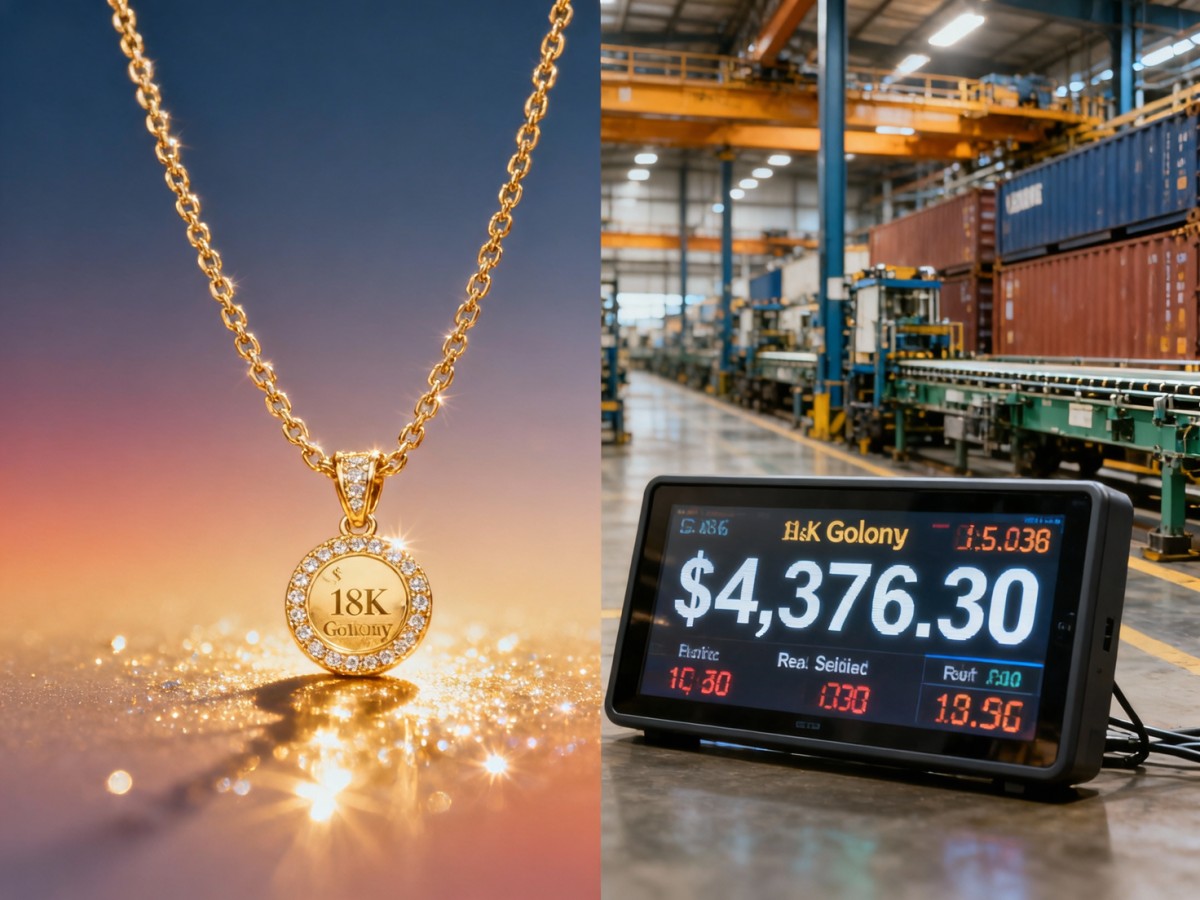
On March 26, 2026, the international gold price reached $4,376.30 per ounce (approximately ¥1,408 per gram), marking a 14.8% decline from the March 4 peak of $5,134.70 but remaining within historically high levels. This volatility directly impacts the stability of FOB pricing and delivery flexibility for Chinese gold jewelry, K-gold accessories, and gemstone-embedded jewelry. Overseas importers should closely monitor extended order lead times from Chinese factories, rising premiums for small trial orders, and tightening clauses for precious metal price locks. The gold jewelry manufacturing and export sectors, along with international wholesale buyers, are particularly affected by these developments.
Event Overview
As of March 26, 2026, the London Bullion Market Association (LBMA) reported a spot gold price of $4,376.30/oz, maintaining a 23% year-on-year increase despite the recent correction. Chinese export factories now face compressed margins due to: 1) delayed raw material procurement cycles (extended from 7-10 days to 15-20 days); 2) increased hedging costs for forward contracts (up 2.3 percentage points since Q4 2025); and 3) stricter bank collateral requirements for gold import letters of credit.
Impact on Key Sub-Sectors
1. Gold Jewelry Export Manufacturers
Analysis shows Chinese producers now require 18-25% upfront deposits for new orders (versus 10-15% in 2025), with MOQs increasing by 30-50% for cost recovery. The production cycle for 18K gold chains has extended from 21 to 35 days due to raw material allocation challenges.
2. Overseas Wholesale Buyers
From an industry perspective, European and North American importers face 12-15% higher total landed costs compared to Q1 2026, driven by: a) 8-10% FOB price adjustments from Guangdong factories; b) increased shipping insurance premiums for high-value cargo (now 1.2-1.8% of declared value); c) longer working capital cycles (45-60 days vs. 30-45 days previously).
3. Gemstone and Diamond Suppliers
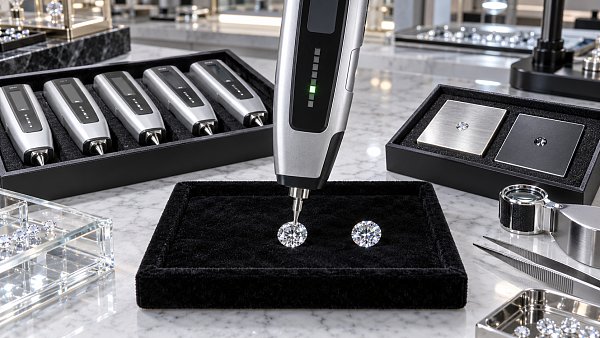
Current data indicates a 7-9% decline in Chinese manufacturers' willingness to accept consignment arrangements for melee diamonds (under 0.3ct), with more insisting on COD terms for stones exceeding $50/ct.
Key Action Points for Industry Players
1. Procurement Strategy Adjustments
Overseas buyers should consider: • Locking in gold prices for Q3 deliveries through forward contracts (current spreads indicate 6-8% potential upside) • Consolidating orders into fewer shipments to mitigate rising logistics costs • Exploring bonded warehouse programs in China for just-in-time inventory
2. Supplier Contract Review
Current contracts should be evaluated for: • Force majeure clauses covering gold price fluctuations above 15% • Penalty structures for delivery delays exceeding 20 working days • Raw material substitution allowances (e.g., 18K vs. 14K gold alternatives)
3. Market Diversification
Analysis suggests prioritizing markets with: • Lower import duties on gold jewelry (e.g., UAE 5% vs. India 12.5%) • Strong local currency hedging mechanisms (e.g., Singapore, Switzerland) • Established gold leasing programs to reduce working capital pressure
Industry Perspective
This development appears more structural than cyclical, with three observable trends: 1) Chinese exporters are shifting toward higher-margin designer collections (40-50% gross margin) versus mass-market pieces (15-20%); 2) Wholesale buyers are accelerating nearshoring of basic gold chain production to Turkey and India; 3) Blockchain-based gold tokenization is gaining traction for cross-border settlements, with pilot programs showing 30-40% transaction cost reductions.
Conclusion
The March 2026 gold price levels represent a new operational baseline rather than temporary volatility. Industry participants should view this through the lens of long-term supply chain restructuring rather than short-term price hedging. The most viable approach combines selective price locking for core SKUs, strategic inventory positioning in free trade zones, and deeper collaboration with financially stable manufacturers holding LBMA-certified refinery partnerships.
Source Information
Primary Data: LBMA Gold Price Fixing (March 26, 2026), China Customs Jewelry Export Statistics (Q1 2026 Preliminary)
Pending Verification: Shanghai Gold Exchange physical delivery volumes for March 2026 (to be released April 5)
Search News
Hot Articles
- Restaurant FurnitureFast-Casual Restaurant Interiors: Design Choices That Improve Speed and Guest FlowOct 04, 2026
- Outdoor RidesHow to Select Leisure Park Equipment for Safe, High-Throughput Visitor AreasOct 03, 2026
- Fashion & Gem JewelryDiamond Tester Wholesale: How to Vet Accuracy, Calibration, and MOQ Before OrderingOct 02, 2026
Popular Tags
Need ExpertConsultation?
Connect with our specialized leisureengineering team for procurementstrategies.
Recommended News
 Oct 02, 2026Diamond Tester Wholesale: How to Vet Accuracy, Calibration, and MOQ Before OrderingDiamond tester wholesale guide: verify accuracy, calibration records, supplier quality controls, and MOQ terms before ordering. Source reliable testers with confidence.● Luxury Retail Analyst
 Sep 09, 2026Wholesale Coral Earrings: How Buyers Can Assess Quality, Treatments, and Supply RiskCoral jewelry earrings wholesale guide for buyers: assess quality, treatments, secure settings, documentation, and supply risks before ordering.● Luxury Retail Analyst
 Sep 01, 2026How to Choose a Jewelry Laser Engraving Machine Manufacturer for Custom ProductionChoose a jewelry laser engraving machine manufacturer with proven sample testing, precision fixtures, workflow-ready software, and reliable support for custom production.● Luxury Retail Analyst
 Aug 27, 2026Evaluating Luxury Retail Accessories Suppliers: Quality, Lead Times, and Brand FitLuxury retail accessories supplier selection made clearer: assess quality, lead times, compliance, costs, and brand fit to protect premium launches and margins.● Luxury Retail Analyst
 Jul 29, 2026Fine Jewelry Price Guide: What Affects Cost and How to Judge Real ValueFine jewelry price guide for buyers: learn what drives cost in metals, gemstones, craftsmanship, certification, and branding so you can judge real value, reduce sourcing risk, and buy with confidence.● Luxury Retail Analyst
 Jul 14, 2026What to Ask an Enamel Jewelry Manufacturer Before Sampling and Mass ProductionEnamel jewelry manufacturer selection starts with the right questions. Learn what to ask about materials, color matching, MOQ, QC, compliance, and lead times before sampling and mass production.● Luxury Retail Analyst
 Jul 12, 2026Surgical Steel Belly Rings vs Titanium: Material Differences, Safety, and CostSurgical steel belly rings vs titanium: compare safety, nickel exposure, comfort, durability, and cost to choose the best option for sensitive skin or budget-friendly style.● Luxury Retail Analyst
 Jul 12, 2026Natural Coral Jewelry Guide: How to Identify Real Coral, Treatments, and QualityNatural coral jewelry guide covering how to identify real coral, spot treatments, assess quality, and buy with confidence. Learn the key signs before you choose.● Luxury Retail Analyst
 Jul 11, 2026Braided Leather Bracelets OEM: Material, Clasp, and MOQ Factors Before SamplingBraided leather bracelets OEM guide covering material grades, clasp options, and MOQ factors before sampling. Learn how to reduce sourcing risk, control cost, and choose the right supplier.● Luxury Retail Analyst
 Jul 09, 2026Jewelry Craftsmanship Gemstone Setting Methods Explained: Prong, Bezel, Pave, and MoreJewelry craftsmanship gemstone setting explained clearly: compare prong, bezel, pavé, channel, and more to choose secure, beautiful, and commercially smart jewelry designs.● Luxury Retail Analyst
 Jul 06, 2026Photo Locket Necklace Manufacturer Selection Guide: Materials, MOQ, and Custom OptionsPhoto locket necklace manufacturer selection guide covering materials, MOQ, custom options, compliance, and quality checks to help buyers source smarter and build stronger jewelry lines.● Luxury Retail Analyst
 Jul 05, 2026What to Check When Comparing a Sterling Silver Clasp ManufacturerChoosing a sterling silver clasp manufacturer? Learn what to check first: 925 silver claims, finish quality, testing, compliance, lead times, and hidden sourcing costs.● Luxury Retail Analyst
 Jul 02, 2026Jewelry Craftsmanship Techniques Explained: Casting, Stone Setting, Engraving, and PolishingJewelry craftsmanship techniques explained: discover how casting, stone setting, engraving, and polishing shape quality, durability, and sourcing confidence.● Luxury Retail Analyst
 Jul 01, 2026Lost Wax Casting Machines Explained: Types, Capacity, and Metal CompatibilityLost wax casting machines explained: compare types, real capacity, and metal compatibility to choose the right system for precision casting, higher quality, and smarter sourcing.● Luxury Retail Analyst
 Jun 29, 2026How to Evaluate a Luxury Accessories Online Store Before You BuyLuxury accessories online store buying guide: learn how to verify authenticity, compare policies, check reviews, and avoid costly mistakes before you place an order.● Luxury Retail Analyst
 Jun 22, 2026Matching Couple Rings: Popular Materials, Fit Differences, and How to ChooseMatching couple rings guide: compare popular materials, fit differences, comfort, durability, and resizing options to choose a stylish pair that truly lasts.● Luxury Retail Analyst
 Jun 19, 2026How to Build a Fashion Accessories Catalog That Improves Product Discovery and SalesFashion accessories catalog strategies that improve product discovery, filtering, and conversions. Learn how to structure pages, categories, and data to drive more qualified sales.● Luxury Retail Analyst
 Jun 19, 2026How to Choose Luxury Accessories for Women by Material, Style, and Price PointLuxury accessories for women: learn how to choose the right pieces by material, style, and price point for better value, timeless appeal, and smarter buying decisions.● Luxury Retail Analyst
 Jun 18, 2026Stainless Steel Rings Bulk: 304 vs 316L, Finishes, and Custom Order FactorsStainless steel rings bulk guide: compare 304 vs 316L, explore finish options, and learn key custom order factors to reduce sourcing risk and improve product value.● Luxury Retail Analyst
 Jun 18, 2026Body Piercing Jewelry Bulk Buying Guide: Materials, Sizes, and MOQ QuestionsBody piercing jewelry bulk buying guide covering safe materials, size checks, MOQ strategy, supplier screening, and compliance tips to reduce risk and source with confidence.● Luxury Retail Analyst
 Jun 18, 2026How to Evaluate a Luxury Jewelry Exporter for Quality, Compliance, and DeliveryLuxury jewelry exporter evaluation starts with more than design. Learn how to verify quality, compliance, and delivery control to source premium jewelry with less risk.● Luxury Retail Analyst
 Jun 17, 2026Iced Out Watches Wholesale: How to Compare MOQ, Stone Quality, and MarginsIced out watches wholesale guide: compare MOQ, stone quality, and real margins to choose reliable suppliers, reduce risk, and grow resale profits with smarter sourcing.● Luxury Retail Analyst
 Jun 15, 2026How to Evaluate an Amber Jewelry Manufacturer: Quality Grades, OEM Options, and Lead TimesAmber jewelry manufacturer selection starts with quality grades, OEM capability, and realistic lead times. Learn how to compare suppliers, reduce sourcing risk, and choose with confidence.● Luxury Retail Analyst
 Jun 14, 2026Stainless Steel Rings Bulk Buying Guide: Grades, Finishes, Sizes, and Supplier ChecksStainless steel rings bulk buying guide covering grades, finishes, sizing, and supplier checks to help you reduce returns, protect quality, and source with confidence.● Luxury Retail Analyst