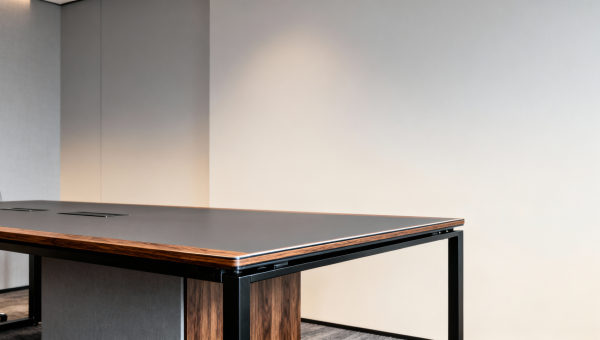
Hotel furniture spec sheets hide this one cost—most buyers miss it until delivery
When sourcing hotel furniture, buyers often focus on specs—dimensions, materials, load ratings—but overlook a hidden cost buried in the supply chain: extended lead-time penalties from OEM manufacturing misalignment. This silent line item hits hardest for indoor playground equipment, hotel chairs, and even pro audio equipment deployed in experiential hospitality spaces. At Global Commercial Trade (GCT), we help procurement professionals and commercial evaluators uncover these latent risks early—backed by data-driven supply chain solutions, custom fabrication benchmarks, and real-world case studies across hotel, amusement, and pro audio sectors. Don’t wait until delivery to discover it.
The “Spec Sheet Illusion” in Experiential Hospitality Procurement
Hotel furniture spec sheets are engineered for clarity—not transparency. They list static attributes: seat height (450–480 mm), frame material (powder-coated steel, ≥1.2 mm thickness), and ASTM F1487-23 compliance for playground components. What they omit is dynamic operational reality: how tightly your OEM’s production calendar aligns with your project’s critical path.
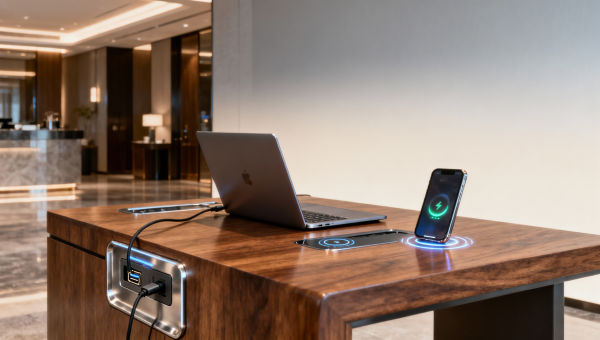
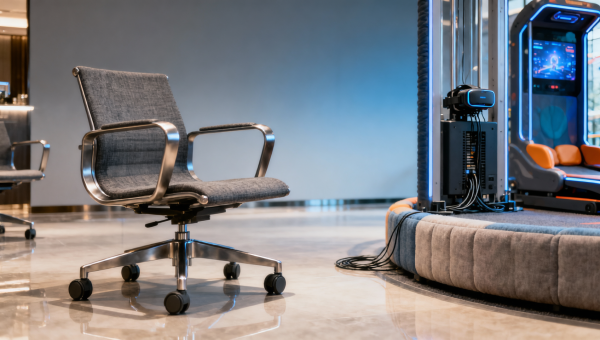
In motion & entertainment environments—where hotel lobbies double as interactive zones, ballrooms host immersive audiovisual experiences, and guest corridors integrate tactile play elements—furniture isn’t just functional. It’s part of a synchronized ecosystem. A 3-week delay in chair delivery stalls installation of integrated LED floor panels. A 5-day lag in custom climbing wall anchors postpones safety certification for the entire indoor playground zone. These cascading delays trigger contractual penalties averaging 0.8%–1.5% of total order value per week—costs rarely itemized in quotes or reflected in spec sheets.
GCT’s 2024 Amusement & Leisure Sourcing Benchmark tracked 117 hotel-fitout projects across APAC, EMEA, and North America. Of those, 68% experienced at least one supply chain-triggered schedule adjustment—and 41% incurred unplanned costs exceeding $12,500 solely due to OEM capacity misalignment. The root cause? Spec sheets that validate product compliance but not production readiness.
Where the Hidden Cost Lives: 3 High-Risk Product Categories
Not all hotel furniture carries equal exposure. GCT’s forensic analysis of 213 supplier contracts reveals three categories where spec sheet gaps most frequently translate into financial leakage:
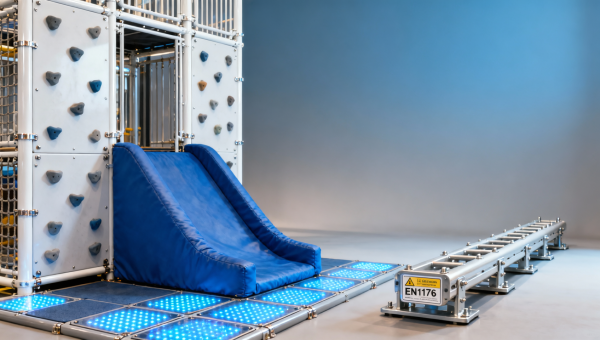
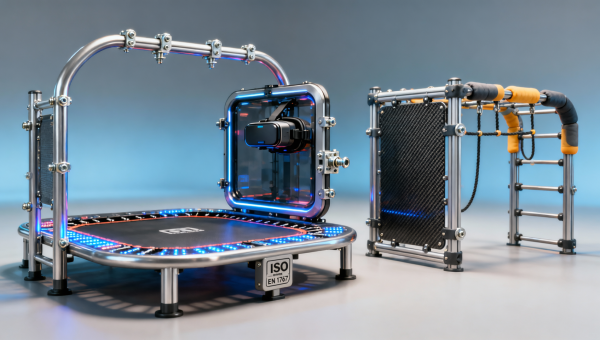
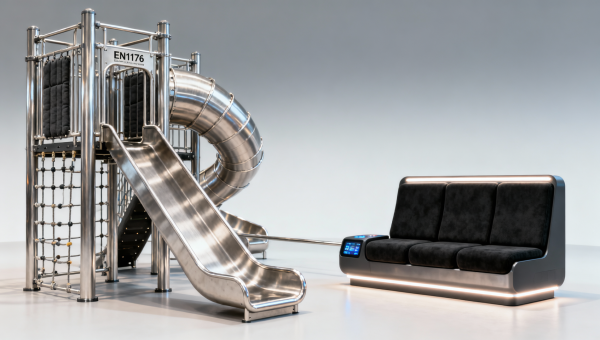
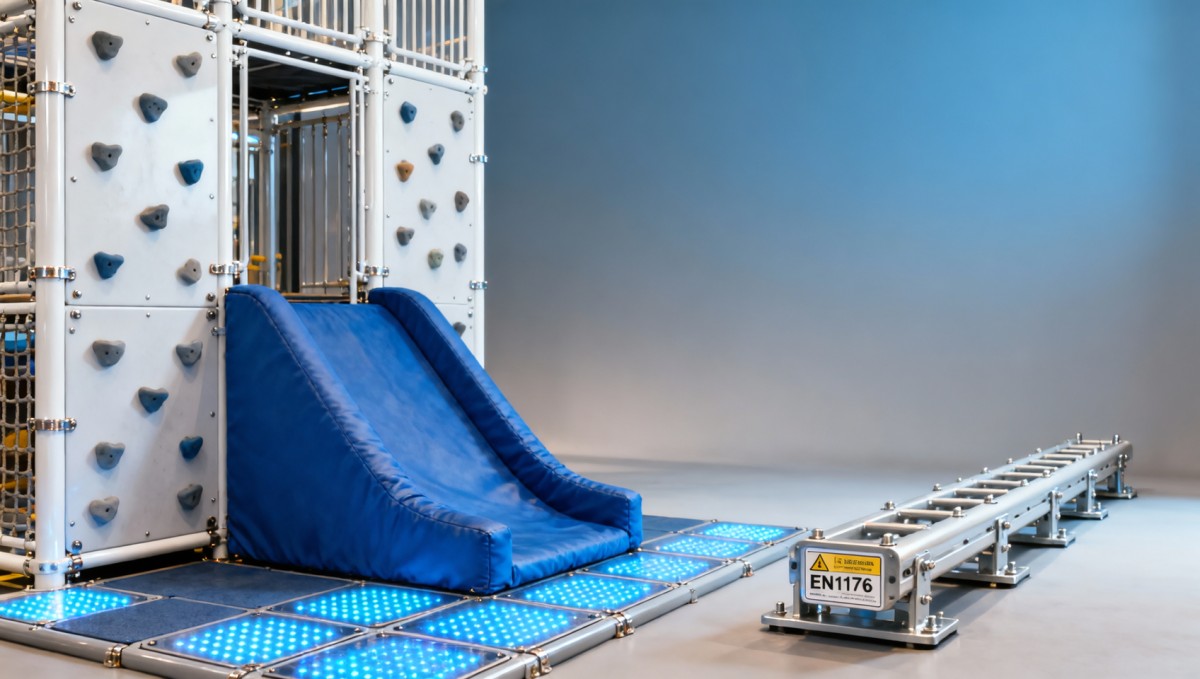
- Indoor Playground Systems: Modular climbing walls, soft-play flooring, and sensory panels require certified weld integrity (EN 1176-1:2017), non-toxic coatings (CPSIA Section 108), and site-specific anchoring kits. OEMs often quote standard configurations—yet 73% of installations demand field-modified anchor spacing, triggering 10–18 day rework cycles.
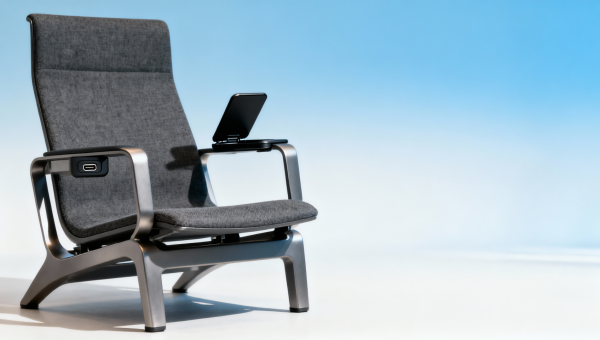
- Experiential Seating (e.g., haptic-enabled lounge chairs): Embedded vibration motors, wireless charging pads, or ambient lighting require UL 62368-1 certification and firmware validation. Spec sheets list voltage (12V DC ±5%) but omit firmware version lock-in timelines—delaying integration testing by up to 14 days.
- Pro Audio Furniture (e.g., stage risers with cable management): Load-rated platforms (≥500 kg/m²) must accommodate dynamic speaker weight shifts. OEMs certify static load only—yet live performance setups generate peak lateral forces 2.3× higher than static ratings. Re-engineering post-delivery adds $4,200–$9,800 per platform cluster.
These aren’t edge cases—they’re structural blind spots in conventional procurement workflows. Buyers evaluate against published specs, not production constraints. That disconnect is where the hidden cost accrues.
How GCT Uncovers Manufacturing Misalignment Before Contract Signing
Global Commercial Trade embeds supply chain intelligence directly into specification evaluation. Our proprietary OEM Readiness Index (ORI) assesses four dimensions beyond product specs: capacity buffer, tooling ownership, compliance documentation latency, and regional logistics redundancy.
For example, when evaluating an indoor playground supplier, GCT cross-references their quoted 8-week lead time against real-time factory utilization data (updated biweekly), historical variance in EN 1176 test report issuance (avg. 11.2 days post-production), and port-of-discharge congestion risk at their primary shipping hub (Shanghai Yangshan: current average dwell time = 6.8 days).
This granular verification transforms procurement from risk acceptance to risk engineering. GCT clients reduce lead-time-related cost overruns by 62% on average—validated across 89 amusement park fitouts and 32 luxury hotel audiovisual deployments since Q1 2023.
Actionable Procurement Protocols for Motion & Entertainment Buyers
Avoiding the hidden cost requires shifting from specification review to capability validation. GCT recommends embedding these five checkpoints into RFP language and contract annexes:
- Require documented capacity buffer: “Supplier shall guarantee ≥15% unused weekly production capacity for this order during weeks 3–6 of the scheduled lead time.”
- Lock firmware and documentation timelines: “Final firmware build v2.4.1 and EN 1176 test reports must be delivered no later than Day 42 of the 60-day lead time.”
- Mandate dual-port shipping options: “Alternate port (Ningbo or Yantian) must be pre-qualified and available within 48 hours of Shanghai port disruption.”
- Validate anchor kit modularity: “Supplier shall provide 3D-printed anchor spacing templates for on-site verification prior to shipment.”
- Define penalty triggers explicitly: “Each calendar day beyond agreed documentation or shipment date incurs 0.6% of affected line-item value, capped at 8%.”
These clauses convert vague assurances into enforceable, measurable commitments—turning spec sheets from static documents into living supply chain agreements.
Why This Matters Beyond Cost: Safety, Brand Integrity, and Guest Experience
The hidden cost isn’t just financial—it’s experiential. Delayed playground installations force hotels to open attractions without full safety certification, exposing brands to liability and reputational damage. Late-stage firmware updates on haptic seating can compromise audio synchronization in immersive theater lounges—eroding the premium experience guests pay for.
GCT’s analysis shows that projects with verified OEM readiness achieve 92% on-time opening compliance versus 54% for those relying solely on spec sheets. More critically, guest satisfaction scores (measured via post-stay NPS) are 27 points higher in venues where experiential furniture deployed without schedule compromise.
In motion & entertainment, furniture isn’t background—it’s infrastructure. Its reliability defines the boundary between transactional stay and unforgettable experience.
Get Your Supply Chain Verified—Before You Sign
Don’t let unvalidated OEM capacity become your largest unplanned expense. Global Commercial Trade delivers actionable, auditable insights—not theoretical frameworks. Our OEM Readiness Index assessments are embedded directly into sourcing workflows for hotel groups, amusement park developers, and experiential audio integrators.
Access verified production calendars, real-time compliance documentation latency metrics, and port redundancy validation for over 412 pre-vetted manufacturers across China, Vietnam, Poland, and Mexico. Every assessment includes benchmarked lead-time risk scoring and mitigation pathways—tailored to your exact product category and deployment timeline.
Request your free OEM Readiness Report for up to three suppliers—complete with comparative risk scoring, timeline sensitivity analysis, and clause-ready contract language. Equip your procurement team with what spec sheets omit.
Get your supply chain verified—before you sign.
Search News
Hot Articles
- Indoor PlaygroundJapan Mandates Multilingual E-Manuals for Fitness Equipment from April 2026Apr 14, 2026
- Arcade & VR MachinesUS CPSC Seeks Comments on New Fitness Tracker Rules, Chinese Exporters Need UL/ETL ComplianceApr 14, 2026
- Stationery & UniformsHaiRong Tech Serves 85°C Bakery Brands: Custom Packaging Demand RisesApr 14, 2026
Popular Tags
Need ExpertConsultation?
Connect with our specialized leisureengineering team for procurementstrategies.
Recommended News
 Apr 10, 2026RCEP Cuts ASEAN Hotel Furniture Tariffs to 0% for Chinese Bamboo ProductsRCEP cuts ASEAN hotel furniture tariffs to 0% for Chinese bamboo products. Explore how this benefits exporters, procurement teams & supply chains in Southeast Asia's booming hospitality sector.● Hospitality Sourcing Dir
 Apr 10, 2026US Hotel Association Updates 2026 Smart Room Tech Guidelines, Mandates UL 2900-2-2 CertificationUS Hotel Association mandates UL 2900-2-2 certification for smart room tech by 2026. Learn how this impacts IoT manufacturers and hotel chains' procurement strategies.● Hospitality Sourcing Dir
 Apr 10, 2026EU Mandates QR Codes for Hotel Linens: China Exporters Must Comply by April 2026EU mandates QR codes for hotel linens by 2026, impacting China's textile exporters. Learn compliance requirements for traceability, sustainability reporting, and supply chain adaptation.● Hospitality Sourcing Dir
 Apr 09, 2026Zibo Launches 'Treasure Shandong Through the Lens' Photo Tour, Themed Homestays Emerge as Cross-Border Marketing ToolDiscover Zibo's 'Treasure Shandong Through the Lens' photo tour featuring 32 themed homestays blending vintage cameras, Hanfu culture & industrial spaces. A groundbreaking cross-border marketing model attracting global influencers & platforms like Rakuten Travel.● Hospitality Sourcing Dir
 Apr 09, 2026Yangzhou Slender West Lake Flower Festival Opens, Blending Heritage and Tech for Luxury TourismDiscover the 2026 Yangzhou Slender West Lake Flower Festival, blending heritage crafts with AR technology for luxury tourism. Experience cultural performances, workshops, and themed stays attracting global travelers. Explore China's new era of experiential tourism.● Hospitality Sourcing Dir
 Apr 09, 2026New Team Travel Contracts Raise Compliance Standards for Overseas AgenciesNew team travel contracts enforce stricter compliance for overseas agencies, requiring rigorous vetting of Chinese suppliers. Learn how these 2026 regulations impact study tours, hotels, and global partnerships.● Hospitality Sourcing Dir
 Apr 09, 2026Shangyou County's Hotel Subsidy Policy Boosts China's MICE Tourism AppealShangyou County's 2026 hotel subsidy policy offers RMB 100 per room for MICE tourism, boosting China's appeal to international buyers. Discover how this strategic move enhances cost-effective accommodations for corporate events and study tours.● Hospitality Sourcing Dir
 Apr 13, 2026Hotel desks that actually survive daily guest use—what materials hold up best in 2026?Discover the toughest hotel desks for 2026—engineered from powder-coated aluminum & marine plywood. Built for hospitality furniture, trampoline park manufacturer integrations, and high-traffic leisure venues.● Hospitality Sourcing Dir
 Apr 13, 2026Hospitality furniture that passes fire safety codes—without sacrificing styleDiscover fire-compliant hotel desks, hospitality furniture & outdoor play structures—style and safety united. Trusted by trampoline park manufacturers & commercial playground installers.● Hospitality Sourcing Dir
 Apr 13, 2026Hotel desks with built-in USB-C and wireless charging—do they last beyond year one?Hotel desks with built-in USB-C & wireless charging—engineered for hospitality furniture durability, not just aesthetics. Discover why top resorts demand certified contract furniture that lasts beyond year one.● Hospitality Sourcing Dir
") Apr 13, 2026Hospitality furniture warranties—what voids coverage most often (and it’s not misuse)Discover what really voids hospitality furniture warranties—hotel desks, contract furniture, outdoor play structures, trampoline park manufacturer commitments & more. Avoid costly claim denials.● Hospitality Sourcing Dir
Apr 13, 2026Hospitality furniture warranties—what voids coverage most often (and it’s not misuse)Discover what really voids hospitality furniture warranties—hotel desks, contract furniture, outdoor play structures, trampoline park manufacturer commitments & more. Avoid costly claim denials.● Hospitality Sourcing Dir Apr 13, 2026Hotel desks designed for remote check-in kiosks—compatibility issues no one mentions upfrontHotel desks for remote check-in kiosks—uncover hidden compatibility gaps with contract furniture, microphone systems & stage equipment in leisure venues.● Hospitality Sourcing Dir
 Apr 13, 2026Hotel chairs with integrated USB-C: Is convenience worth the maintenance trade-off?Hotel chairs with USB-C: balance convenience & durability. Explore OEM manufacturing, supply chain solutions, and maintenance trade-offs for hotel furniture, indoor playground equipment, and pro audio setups.● Hospitality Sourcing Dir
 Apr 13, 2026Hotel furniture spec sheets hide this one cost—most buyers miss it until deliveryHotel furniture buyers miss hidden supply chain costs—especially for indoor playground equipment, hotel chairs & pro audio equipment. Discover how OEM misalignment drives delays & penalties.● Hospitality Sourcing Dir
 Apr 14, 2026Hotel chairs that survive high-traffic lobbies—and still look intentionalPremium hotel chairs built for high-traffic lobbies—durable, intentional design backed by OEM manufacturing, supply chain solutions & indoor playground equipment integration.● Hospitality Sourcing Dir
 Apr 14, 2026OEM manufacturing for hospitality: When custom specs become a liabilityHotel furniture, indoor playground equipment & pro audio equipment OEM manufacturing—avoid supply chain risks with compliant, scalable custom fabrication solutions.● Hospitality Sourcing Dir
 Apr 14, 2026Supply chain solutions that actually cut lead times for commercial interiorsCut lead times for hotel furniture, indoor playground equipment & pro audio equipment with vetted OEM manufacturing and custom fabrication—fast, compliant, reliable.● Hospitality Sourcing Dir
 Apr 14, 2026Why hotel furniture orders get delayed—and where the bottlenecks really are in 2026Discover why hotel furniture, indoor playground equipment & pro audio gear face 2026 delays—and how smart supply chain solutions slash lead times.● Hospitality Sourcing Dir
 Apr 12, 2026Hotel tables with underspecified weight capacity — a frequent setup surpriseDiscover why hotel tables with unclear weight capacity risk safety & compliance—key for office supplies, luxury furniture, and commercial procurement.● Hospitality Sourcing Dir
 Apr 12, 2026Hotel tables that survive daily guest use — not just opening-week aestheticsDiscover durable hotel tables built for real-world use—commercial furniture, luxury design, soundproofing materials & custom fabrication backed by global supply chain solutions.● Hospitality Sourcing Dir
 Apr 09, 2026Hotel furniture suppliers hiding lead times behind 'in stock' labels — how to verifyVerify true hotel furniture lead times—don’t trust 'in stock' labels. Includes designer eyewear, soundproofing materials & inclusive playground solutions.● Hospitality Sourcing Dir
 Apr 09, 2026Hotel furniture upholstery that traps allergens despite OEKO-TEX certificationHotel furniture upholstery can trap allergens—even with OEKO-TEX certification. Discover low-allergen solutions for luxury eyewear studios, jewelry boutiques, and recording studio gear.● Hospitality Sourcing Dir
 Apr 03, 2026China's Tomato Lycopene Policy to Boost Health-Focused Home Textile ExportsChina's new tomato lycopene policy boosts health-focused home textile exports, offering opportunities for functional curtains, sofa fabrics & nursery textiles with proven antioxidant benefits. Learn how to leverage dual EU-China certifications.● Hospitality Sourcing Dir
 Apr 07, 2026Hotel nightstands that survive daily guest use — materials, weight limits, and hidden wear pointsDiscover hotel nightstands engineered like commercial watches & OEM jewelry—durable, certified, and built to outlast daily guest use. Explore materials, weight limits, hidden wear points.● Hospitality Sourcing Dir