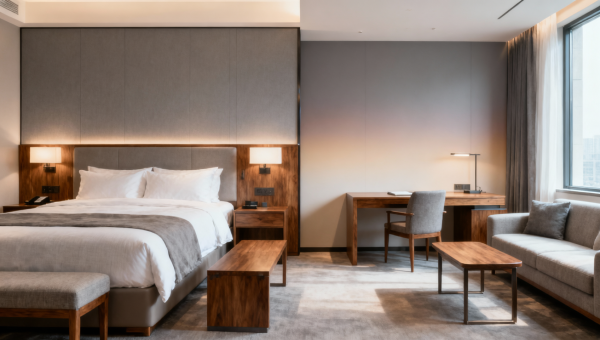
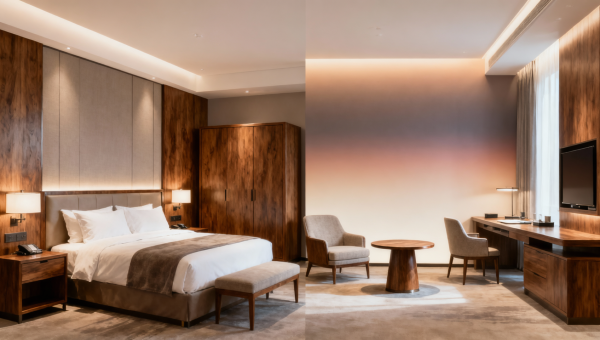
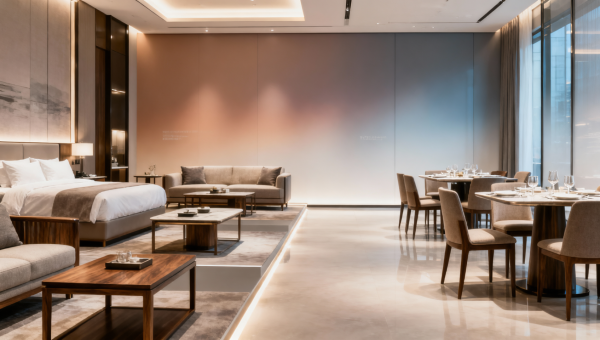
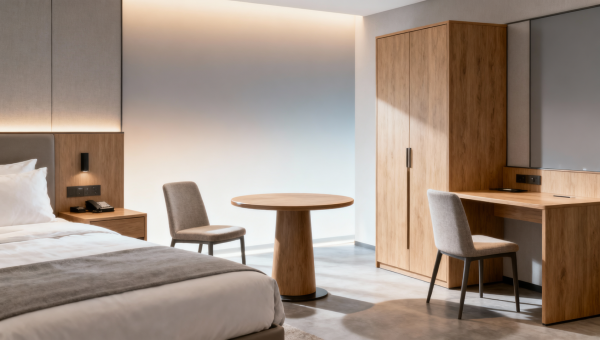
Hotel Sofas Buying Guide for Modern Rooms
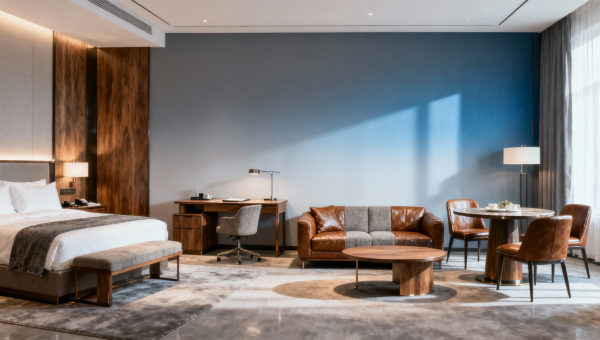
Choosing the right hotel sofas for modern rooms is less about following a furniture trend and more about making a smart commercial decision. For hospitality buyers, procurement teams, and distributors, the best option is usually a sofa that matches the room concept, withstands high-frequency use, meets fire and safety requirements, and delivers a strong balance between guest comfort and lifecycle cost. In practice, that means evaluating materials, construction, dimensions, compliance, customization capability, and supplier reliability together rather than treating style as the only priority.
For hotels operating in competitive leisure and experience-driven markets, guest room seating contributes directly to perceived room quality, visual identity, and operational durability. A sofa that looks impressive in a catalog but fails under daily use can quickly create maintenance costs, negative guest impressions, and replacement headaches. This guide outlines how to assess hotel sofas for modern rooms from a sourcing and business perspective, helping buyers make decisions that support both brand positioning and long-term value.
What do buyers really need from hotel sofas in modern rooms?
Most commercial buyers are not simply asking, “Which sofa looks modern?” They are usually trying to answer a more practical question: which hotel sofa will suit the room design, hold up under repeated use, satisfy compliance requirements, and still make financial sense over time?
In modern guest rooms, sofas often serve multiple purposes. They may act as a visual anchor, a secondary relaxation area, a workspace support seat, or even a convertible sleeping solution in family or extended-stay formats. Because of this, the right product should be judged across five core criteria:
- Design fit: complements the hotel’s interior concept and target guest profile
- Comfort: provides supportive seating without appearing overly residential or bulky
- Durability: resists sagging, fabric wear, staining, and frame instability
- Compliance: meets relevant fire safety and commercial use standards for destination markets
- Supply reliability: can be produced consistently at scale with clear lead times and after-sales support
For procurement and evaluation teams, the real objective is to avoid an expensive mismatch between concept design and operational reality. A well-selected hotel room sofa should enhance guest experience while reducing replacement frequency and maintenance pressure.
How modern room design changes sofa selection
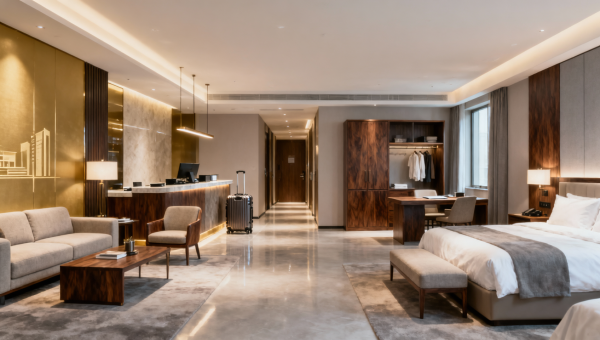
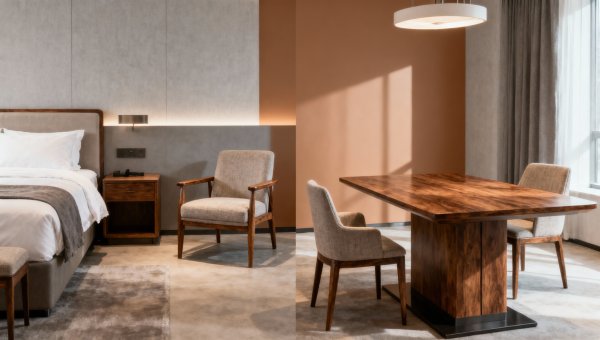
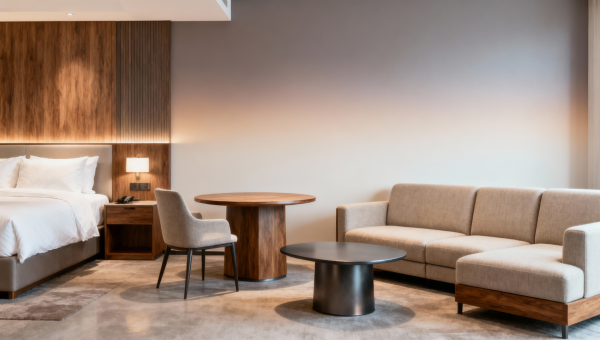
Modern hotel rooms typically prioritize cleaner lines, multi-functionality, efficient layouts, and a more curated visual identity. That changes what buyers should look for in a sofa.
Compared with traditional hospitality furniture, modern room sofas are more likely to feature:
- Slimmer silhouettes that preserve floor space
- Neutral or textured upholstery that works across varied room palettes
- Metal or concealed legs for a lighter visual footprint
- Modular or custom sizing to fit compact urban rooms
- Integrated practicality, such as stain-resistant fabrics or sofa beds
However, “modern” should not mean overly minimal to the point of discomfort. In hospitality settings, guests still expect softness, ergonomic support, and visible quality. Buyers should be cautious of trend-driven designs that photograph well but perform poorly in real occupancy conditions.
A better approach is to align sofa design with room type and property positioning. For example:
- Business hotels: compact two-seat sofas or loveseat formats with upright support
- Resort properties: softer lounge-style sofas with warmer textures
- Boutique hotels: distinctive forms, custom fabrics, and statement detailing
- Extended-stay and family rooms: sleeper sofas or modular seating with functional flexibility
Which sofa materials perform best in hospitality use?
Material choice has a direct impact on maintenance workload, guest perception, and replacement cost. For hotel sofas, upholstery and internal construction matter just as much as outward appearance.
Upholstery options
- Performance fabric: widely preferred for guest rooms because it offers a good balance of comfort, stain resistance, color variety, and commercial durability
- Faux leather: easier to wipe clean and suitable for certain modern aesthetics, though lower-grade versions may crack over time
- Genuine leather: premium in appearance, but often more expensive and maintenance-sensitive depending on climate and usage profile
- Textured woven fabrics: useful for adding depth to modern interiors, but should be tested for abrasion and cleanability
Internal construction
- Hardwood or engineered wood frames: should be tested for stability and joint strength
- High-density foam cushions: generally better for shape retention and commercial longevity
- Webbing or spring support systems: should be reviewed for comfort consistency and resistance to sagging
- Protective finishing and seam quality: important for preventing early visual wear
Commercial buyers should request technical specifications, abrasion test data where available, foam density details, and cleaning guidance. In hospitality procurement, attractive materials are not enough; performance under repeated turnover is what determines value.
What sizing and layout factors should procurement teams verify?
One of the most common sourcing mistakes is selecting a sofa based on showroom appeal without checking real guest room dimensions and circulation needs. Even an excellent product can become a poor fit if it disrupts movement, luggage placement, housekeeping access, or overall room balance.
Before approving a model, buyers should verify:
- Overall width, depth, and height against room plans
- Seat height and seat depth for practical guest comfort
- Clearance around beds, tables, windows, and walk paths
- Doorway, elevator, and installation access dimensions
- Suitability for standard rooms, suites, or mixed room categories
In smaller modern rooms, a compact loveseat or apartment-scale sofa often works better than a full three-seater. In larger premium rooms, undersized seating can make the room feel incomplete. This is why many buyers prefer suppliers that offer OEM or ODM customization in dimensions, upholstery, and leg finishes.
Mock-up room testing is highly recommended before mass order approval. It allows stakeholders from design, operations, and procurement to assess proportion, usability, and cleaning practicality in a real setting.
How to evaluate durability, safety, and compliance before placing an order
For hotel furniture, poor durability is not just a quality issue; it is a cost and reputation issue. Frequent repairs, wobbling frames, compressed cushions, and fabric damage reduce guest satisfaction and increase operating expense.
To reduce risk, buyers should assess durability through a structured checklist:
- Frame material and reinforcement method
- Weight capacity and stability testing
- Foam density and cushion recovery performance
- Fabric abrasion resistance and pilling behavior
- Seam strength and edge finishing
- Leg attachment strength and floor protection details
Compliance is equally important, especially for international sourcing. Depending on target market, buyers may need to confirm:
- Fire retardancy standards for upholstery and foam
- Applicable hospitality furniture safety regulations
- Chemical and material compliance documentation
- Test reports from recognized third-party bodies
Procurement teams should not rely only on verbal claims. Requesting certificates, lab reports, factory audit records, and sample verification is a practical step in supplier qualification. This is especially important for distributors and project buyers serving premium hotels, where compliance failures can delay openings or create serious liability exposure.
What supplier capabilities matter beyond product appearance?
For B2B furniture sourcing, the supplier is as important as the sofa itself. A visually attractive product loses value quickly if the manufacturer cannot maintain quality consistency, documentation accuracy, lead time stability, or post-sale responsiveness.
When comparing hotel sofa suppliers, decision-makers should review:
- Commercial project experience: prior work for hotels, serviced apartments, or contract furniture buyers
- Customization ability: flexibility in dimensions, fabric options, finishes, and branding details
- Quality control system: inspection process, sample approval workflow, and production consistency
- Compliance support: ability to provide fire test reports and relevant export documentation
- Packaging and logistics capability: export-ready packaging, shipment coordination, and damage reduction measures
- After-sales support: warranty policy, replacement handling, and communication efficiency
For procurement professionals and commercial evaluators, a good supplier should function as a project partner rather than a simple quote provider. Strong communication, transparent specifications, and realistic lead times usually indicate a lower-risk sourcing relationship.
How to compare cost versus long-term value
Price matters, but unit price alone rarely reflects the best commercial decision. A lower-cost hotel sofa can become more expensive over time if it needs frequent replacement, causes maintenance issues, or undermines guest perception of room quality.
Instead of focusing only on purchase cost, buyers should compare total value across:
- Expected service life
- Maintenance and cleaning requirements
- Replacement frequency
- Warranty coverage
- Impact on room presentation and brand standard
- Consistency across multiple properties or projects
For branded hotel groups and distributors, standardization can also generate value. Selecting a sofa platform that can be adapted across room categories or properties may reduce sourcing complexity, simplify replacement planning, and strengthen brand consistency.
In many cases, the best procurement decision is not the cheapest compliant sofa, but the one that delivers the most stable performance within the intended design and operating context.
A practical checklist for sourcing hotel sofas for modern rooms
To simplify evaluation, buyers can use the following checklist during sourcing and supplier comparison:
- Does the sofa match the property’s modern room concept and guest profile?
- Is the size appropriate for the actual room layout and circulation plan?
- Are upholstery and internal materials suitable for commercial hospitality use?
- Can the supplier provide fire safety and quality compliance documentation?
- Has the design been tested in a mock-up room or sample review process?
- Is the frame and cushion construction durable enough for high-frequency occupancy?
- Can the supplier support customization, repeat orders, and consistent production quality?
- Does the total lifecycle value justify the quoted price?
This approach helps teams move from subjective furniture selection to evidence-based sourcing. It is especially useful for procurement departments, distributors, and commercial buyers who need to defend decisions internally and minimize project risk.
Conclusion
Buying hotel sofas for modern rooms requires more than choosing a sleek design. The strongest options are those that combine visual compatibility, commercial durability, compliance readiness, spatial fit, and dependable supplier support. For hospitality buyers and sourcing professionals, the key is to evaluate sofas as long-term operating assets, not just decorative room elements.
When procurement teams compare hotel room sofas through the lens of guest experience, maintenance performance, and lifecycle value, they are far more likely to select products that support brand standards and reduce operational friction. In a market where design expectations and commercial accountability are both rising, that balanced approach is what separates a good purchase from a costly mistake.
Search News
Hot Articles
- Pro Stage AudioFIFA Adopts Chinese Mini-LED Displays for 2026 World Cup VAR SystemApr 24, 2026
- Outdoor RidesChina FA Warns Nanjing City Over Fan Conduct; ISO 20785 Compliance AcceleratesApr 24, 2026
- Pro Stage AudioFan Zhendong Visits Silicon Valley as MLTT Investor, AI Ping-Pong Tech Draws US InterestApr 24, 2026
Popular Tags
Need ExpertConsultation?
Connect with our specialized leisureengineering team for procurementstrategies.
Recommended News
 Apr 10, 2026RCEP Cuts ASEAN Hotel Furniture Tariffs to 0% for Chinese Bamboo ProductsRCEP cuts ASEAN hotel furniture tariffs to 0% for Chinese bamboo products. Explore how this benefits exporters, procurement teams & supply chains in Southeast Asia's booming hospitality sector.● Hospitality Sourcing Dir
 Apr 10, 2026US Hotel Association Updates 2026 Smart Room Tech Guidelines, Mandates UL 2900-2-2 CertificationUS Hotel Association mandates UL 2900-2-2 certification for smart room tech by 2026. Learn how this impacts IoT manufacturers and hotel chains' procurement strategies.● Hospitality Sourcing Dir
 Apr 10, 2026EU Mandates QR Codes for Hotel Linens: China Exporters Must Comply by April 2026EU mandates QR codes for hotel linens by 2026, impacting China's textile exporters. Learn compliance requirements for traceability, sustainability reporting, and supply chain adaptation.● Hospitality Sourcing Dir
 Apr 09, 2026Zibo Launches 'Treasure Shandong Through the Lens' Photo Tour, Themed Homestays Emerge as Cross-Border Marketing ToolDiscover Zibo's 'Treasure Shandong Through the Lens' photo tour featuring 32 themed homestays blending vintage cameras, Hanfu culture & industrial spaces. A groundbreaking cross-border marketing model attracting global influencers & platforms like Rakuten Travel.● Hospitality Sourcing Dir
 Apr 09, 2026Yangzhou Slender West Lake Flower Festival Opens, Blending Heritage and Tech for Luxury TourismDiscover the 2026 Yangzhou Slender West Lake Flower Festival, blending heritage crafts with AR technology for luxury tourism. Experience cultural performances, workshops, and themed stays attracting global travelers. Explore China's new era of experiential tourism.● Hospitality Sourcing Dir
 Apr 09, 2026New Team Travel Contracts Raise Compliance Standards for Overseas AgenciesNew team travel contracts enforce stricter compliance for overseas agencies, requiring rigorous vetting of Chinese suppliers. Learn how these 2026 regulations impact study tours, hotels, and global partnerships.● Hospitality Sourcing Dir
 Apr 09, 2026Shangyou County's Hotel Subsidy Policy Boosts China's MICE Tourism AppealShangyou County's 2026 hotel subsidy policy offers RMB 100 per room for MICE tourism, boosting China's appeal to international buyers. Discover how this strategic move enhances cost-effective accommodations for corporate events and study tours.● Hospitality Sourcing Dir
 Apr 21, 2026Open or closed hotel wardrobes for easier housekeeping?Hotel wardrobes affect housekeeping speed, guest appeal, and hospitality procurement. Compare open vs closed designs for hotel furniture, luxury furniture, and hotel room furniture planning.● Hospitality Sourcing Dir
 Apr 21, 2026Hotel wardrobes that fit luggage without wasting spaceHotel wardrobes that fit luggage smartly without wasting space—explore hotel furniture solutions that elevate hotel room furniture, support hospitality procurement, and enhance guest comfort.● Hospitality Sourcing Dir
 Apr 21, 2026Why hotel room furniture wears unevenly after openingHotel furniture wear starts unevenly from day one. Learn how hotel beds, hotel chairs, hotel desks and hotel room furniture perform in real use, with smart hospitality procurement tips.● Hospitality Sourcing Dir
 Apr 21, 2026Hotel room furniture packages that cut design mismatchHotel room furniture packages align hotel furniture, hotel beds, hotel chairs, hotel tables, and hotel desks with luxury furniture standards—reducing design mismatch and speeding hospitality procurement.● Hospitality Sourcing Dir
 Apr 21, 2026Low seat or deep seat hotel sofas for modern lobbies?Hotel furniture buyers compare low seat and deep seat hotel sofas for modern lobbies. Explore luxury furniture choices that improve comfort, traffic flow, brand image, and hospitality procurement value.● Hospitality Sourcing Dir
 Apr 21, 2026Hotel sofas that keep their shape in high traffic areasHotel sofas, hotel furniture, and hospitality furniture that keep shape in high-traffic areas—discover luxury furniture sourcing tips, durable commercial furniture specs, and smarter hospitality procurement.● Hospitality Sourcing Dir
 Apr 21, 2026Why hospitality furniture needs different specs by zoneHospitality furniture specs vary by zone. Learn how hotel furniture, hotel beds, hotel chairs, hotel tables, and hotel desks improve durability, ROI, and luxury guest experience.● Hospitality Sourcing Dir
 Apr 21, 2026Hospitality furniture that supports faster room turnoverHospitality furniture that speeds room turnover: compare hotel beds, hotel chairs, hotel tables, hotel desks and hotel sofas for easier cleaning, durability, and smarter hospitality procurement.● Hospitality Sourcing Dir
 Apr 21, 2026Where hotel equipment budgets usually go off trackHotel furniture and hotel equipment budgets often fail from hidden scope, logistics, and lifecycle costs. Learn smarter hospitality procurement for hotel beds, chairs, tables, and luxury furniture.● Hospitality Sourcing Dir
 Apr 21, 2026Hotel equipment upgrades that improve guest flow firstHotel equipment upgrades improve guest flow fast with hotel furniture, hotel beds, hotel chairs, catering equipment, and soundproofing materials—boost comfort, efficiency, and procurement ROI.● Hospitality Sourcing Dir
 Apr 21, 2026What shortens the life of commercial furniture in hotelsHotel furniture and commercial furniture wear out fast when hotel beds, hotel chairs, hotel tables, hotel desks, and hotel sofas face heavy use, poor maintenance, and weak materials. Learn smart hospitality procurement tips.● Hospitality Sourcing Dir
 Apr 21, 2026Commercial furniture trends hotels are actually adoptingCommercial furniture trends hotels are adopting: luxury furniture, hotel beds, hotel chairs, hotel tables and hotel sofas that improve hotel furniture sourcing, durability, and hospitality procurement value.● Hospitality Sourcing Dir
 Apr 21, 2026How to spot hotel furniture built for daily wearHotel furniture buying guide: learn how to assess hotel beds, hotel chairs, hotel tables, and hospitality furniture for daily wear, lower maintenance, and smarter hospitality procurement.● Hospitality Sourcing Dir
 Apr 21, 2026Hotel furniture mistakes that age a room too quicklyHotel furniture buying guide: avoid costly hotel beds, hotel chairs, and hotel room furniture mistakes. Discover luxury furniture tips for durable, brand-right hospitality procurement.● Hospitality Sourcing Dir
 Apr 21, 2026Why some soundproofing materials fail after installationLearn why soundproofing materials fail after installation in hotel furniture projects. Explore hotel beds, hotel sofas, hotel wardrobes and hospitality procurement tips for lasting acoustic performance.● Hospitality Sourcing Dir
 Apr 21, 2026Soundproofing materials that work best between guest roomsSoundproofing materials for hotel furniture projects: discover the best systems between guest rooms, from mineral wool to acoustic doors, to improve comfort, protect reviews, and support hospitality procurement.● Hospitality Sourcing Dir
 Apr 21, 2026How firm should hotel beds be for mixed guest profiles?Hotel beds for mixed guest profiles: learn how hotel furniture and hospitality procurement teams balance comfort, durability, and luxury furniture standards to improve guest satisfaction.● Hospitality Sourcing Dir