Hotel Sofas: Which Styles Age the Best?
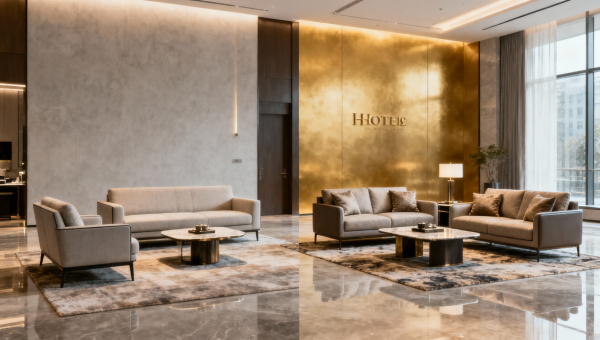
Choosing hotel sofas that still look refined after years of guest use is a critical part of hospitality procurement. For buyers comparing hotel room furniture, the right sofa style affects durability, upkeep, brand image, and long-term ROI. This guide explores which hotel sofas age best, what materials and silhouettes perform well in demanding environments, and how commercial sourcing decisions align with broader buyer priorities across design-led sectors.
Why do some hotel sofas age gracefully while others deteriorate fast?
In hospitality, a sofa is not judged only on day-one appearance. It is judged after 12 months of luggage impact, daily seat pressure, food spills, repeated cleaning, and shifting guest behavior. In sports and entertainment-linked hospitality environments such as resort hotels, leisure destinations, golf properties, theme-adjacent accommodation, and mixed-use entertainment venues, wear cycles are often more intense than in standard business lodging.
The hotel sofas that age best usually combine three factors: a stable frame, a forgiving silhouette, and upholstery that hides use without looking dull. Buyers often focus first on color or visual trend, but long-term performance is more closely tied to seat density, seam construction, abrasion resistance, and the ease of replacing cushions or covers during a 3–7 year operating window.
For procurement teams, the question is not simply “Which sofa looks premium?” It is “Which sofa still supports room rate positioning after repeated guest turnover?” A sofa that photographs well yet shows sagging within 18–24 months can increase maintenance calls, accelerate refurbishment planning, and weaken the guest perception of overall property standards.
This is where sourcing intelligence matters. GCT supports buyers, evaluators, and channel partners by connecting design judgment with commercial criteria: use intensity, target market positioning, compliance expectations, replenishment feasibility, and supplier consistency across multi-property programs.
- High-aging-potential sofas typically perform well under daily use, quarterly inspection, and periodic deep cleaning.
- Low-aging-potential sofas often rely on delicate shapes, unstable fillings, or fabrics that show pilling, shine marks, and staining too quickly.
- For hotel room furniture, the best choice is usually the one that balances visual durability with operational practicality.
What “aging well” really means in a commercial setting
In residential buying, aging well may mean developing character. In hotel procurement, it means maintaining shape, comfort, and finish within acceptable brand standards over repeated use cycles. A sofa can show minor softening and still perform well; however, visible seat troughs, stretched fabric, uneven back cushions, or chipped exposed wood quickly become commercial issues.
For many operators, especially those managing leisure-heavy guest profiles, a practical benchmark is whether the sofa still supports the design intent after 2–3 years without frequent touch-up interventions. If the unit requires monthly stain rescue, constant cushion rotation, or early reupholstery planning, it has not aged well in procurement terms.
Which hotel sofa styles tend to age the best?
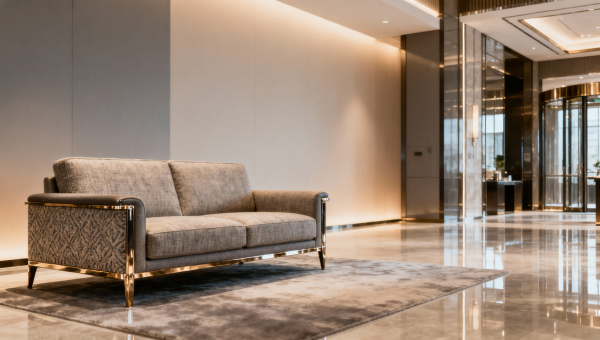
Not every stylish sofa performs equally in commercial hospitality. The best-aging styles are usually those with controlled proportions, limited visual fragility, and cushioning that distributes pressure evenly. In hotel room furniture programs, buyers often find that simple forms with disciplined detailing last longer than highly decorative shapes.
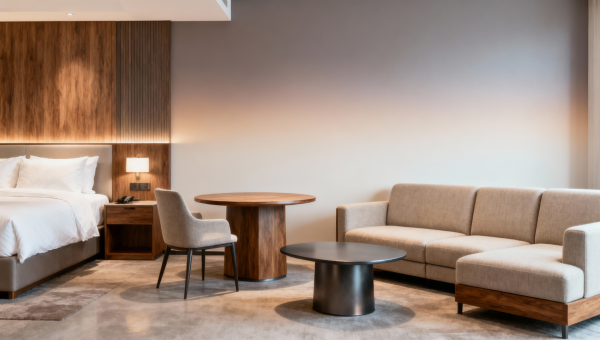
Track-arm sofas, tight-back sofas, and well-engineered bench-seat designs often age better than deeply tufted, overstuffed, or highly sculptural models. Why? Because they have fewer dust-catching creases, fewer loose components, and fewer areas where uneven compression becomes visually obvious after 6–12 months of use.
That does not mean classic statement pieces should be excluded. A well-built tuxedo sofa or refined shelter-arm sofa can age attractively in upscale hospitality if the frame, foam specification, and upholstery are chosen for commercial use. The key is disciplined adaptation of the style, not decorative overstatement.
The comparison below helps procurement teams evaluate which hotel sofa styles are more likely to retain their appearance in guest rooms, suites, lobby-adjacent lounges, and resort accommodation with variable use intensity.
For most commercial buyers, the safest long-life choice is a clean-lined sofa with moderate seat depth, a tight or semi-tight back, and a seat system designed for cushion replacement. This gives operators more control over maintenance costs during year 2, year 3, and later refresh cycles.
Styles that hide wear better
Some silhouettes visually disguise aging better than others. Slightly textured fabrics, medium-tone colorways, and straight-arm or gently curved arms often conceal use marks more effectively than very light solids, glossy weaves, or oversized pillow-back formats. This matters in hotel room furniture because inspection staff may review dozens or hundreds of rooms per week.
Styles that need more caution
Procurement teams should be cautious with very low-profile lounge sofas, exaggerated feather-soft seating, and intricate tufting in active leisure properties. These styles can still be specified, but usually for lower-frequency use zones, not for guest rooms expected to handle luggage placement, multi-user seating, and short-turn cleaning routines.
What materials and construction details matter most for long-term performance?
When hotel sofas fail early, the problem is often hidden beneath the upholstery. A durable appearance starts with the internal build. Buyers should review frame material, joint reinforcement, seat suspension, foam density range, upholstery rub performance, seam stress points, and leg attachment method. These details affect whether the sofa remains stable after 1,000s of seating cycles, not just whether it looks good on a specification sheet.
For commercial hospitality, kiln-dried hardwood or quality engineered wood combinations are commonly preferred for frame stability. Sinuous spring systems are widely used in hotel room furniture because they provide consistent support and manageable maintenance. Foam specifications vary by design, but buyers should request practical comfort and recovery ranges rather than vague “high density” claims.
Upholstery choice is equally important. Woven performance fabrics, commercial-grade polyester blends, solution-dyed textiles in relevant applications, and selected faux leathers can all work well depending on cleaning protocol and brand position. Leather can age beautifully in some lounge settings, but in high-turn guest rooms it may show scratches, body-oil shine, or color inconsistency faster than many buyers expect.
In sports and entertainment destination hotels, procurement teams should also consider spill frequency, family occupancy, climate variation, and the room’s role as a social mini-lounge. That often shifts the decision toward fabrics with stronger stain management and less visible compression marking.
The table below summarizes practical specification points that influence how hotel sofas age over a typical commercial lifecycle and refurbishment schedule.
For commercial buyers, one of the smartest questions is not “What is the price per unit?” but “Which component will fail first, and how is it replaced?” This single point often separates low initial cost from real long-term value.
Three specification checks that reduce aging risk
- Request a sample review that includes upholstery, seam finish, cushion feel, and cleaning response after basic spot treatment.
- Confirm whether the sofa is designed for hospitality use rather than adapted from a residential catalog with light-duty construction.
- Review replacement lead times for cushions, covers, or matching fabric lots, especially if procurement is phased over 2–4 quarters.
Compliance and practical standards to review
Depending on project location, buyers may need to review fire safety requirements, upholstery performance expectations, chemical restrictions, and general contract furniture suitability. Requirements vary by market, so procurement teams should align local regulations, property brand standards, and supplier documentation before final approval. Early review can prevent redesign delays of 2–6 weeks.
For cross-border sourcing, GCT helps commercial buyers compare specification language, supplier readiness, and documentation depth across sourcing regions. This is especially useful when hospitality groups, distributors, or project developers need to standardize procurement across several properties with different operational profiles.
How should buyers choose hotel sofas for different hospitality and leisure scenarios?
The right sofa for a city hotel suite is not always the right sofa for a family resort near an amusement destination or a sports-focused property with high weekend occupancy. Scenario-based selection reduces costly mismatches. Buyers should map sofa choice to guest behavior, cleaning rhythm, average stay pattern, and the room’s secondary function as a lounge, workspace, or family gathering point.
In entertainment-oriented properties, hotel sofas may be used for far more than seated relaxation. Guests place shopping bags, sports gear, children’s items, room-service trays, and open luggage on them. This raises the importance of stain control, compression recovery, and dimensional stability. A visually soft sofa may still work, but only if the construction is robust enough for multi-purpose use.
For procurement teams evaluating options across room categories, it often helps to classify needs into 3 levels: standard-use guest rooms, premium suites, and high-activity leisure accommodation. Each level can support a different balance of comfort, image, and maintenance expectation.
The scenario table below can support product selection, dealer proposals, and internal business evaluation during specification reviews.
A clear scenario match improves guest satisfaction and protects furniture ROI. It also helps distributors and project consultants present recommendations with stronger commercial logic instead of purely aesthetic preference.
A 5-point procurement checklist
- Define the room’s actual use intensity: weekday business, weekend leisure, family occupancy, or event-driven demand.
- Set the target replacement horizon, such as 3 years, 5 years, or a phased refresh program.
- Review fabric cleaning compatibility with current housekeeping routines and chemicals.
- Check whether matching units can be reordered in small, medium, or project-scale volumes.
- Assess packaging, delivery timing, and installation coordination for new openings or renovation windows.
Typical lead-time considerations
For standard commercial configurations, buyers often plan around 4–8 weeks for production after specification approval, though custom upholstery, region-specific compliance, and project batching may extend schedules. Sample review, mock-up approval, and final quantity confirmation can add another 1–3 stages to the process, so early alignment is essential for time-sensitive hospitality launches.
What mistakes do buyers make when evaluating hotel sofas?
A common mistake is selecting based on showroom softness instead of lifecycle performance. A sofa that feels exceptionally plush during a 10-minute trial may lose visual discipline too quickly in a hotel room. Buyers should evaluate comfort together with resilience, because hospitality seating must recover after repeated, inconsistent, and sometimes careless use.
Another mistake is overlooking maintenance visibility. Highly textured statement forms may look distinctive in renderings but create extra cleaning time in live operation. For properties with daily turnover or lean housekeeping labor, even an extra 3–5 minutes per room can add up across large inventories.
Some procurement teams also underestimate the value of replaceability. If legs, glides, cushions, or upholstery panels cannot be serviced, a minor issue may force full-unit replacement. In medium and large projects, that can distort budget planning far more than a slightly higher initial purchase price.
Finally, many buyers fail to align sofa selection with brand positioning. A property targeting premium leisure travelers needs a different balance of visual softness and rugged practicality than a volume-driven stay near sports venues or entertainment parks. Design consistency matters, but performance fit matters more.
FAQ for procurement and evaluation teams
How do I know if a hotel sofa is too residential for commercial use?
Ask for construction details, not only photos. Review frame structure, seat support, cushion specification, cleaning guidance, and component replacement options. If the supplier cannot clearly explain serviceability, reinforcement, and hospitality-use suitability, the product may be better suited to light residential settings.
Are loose back cushions a bad choice for hotel rooms?
Not always, but they require more maintenance discipline. In high-turn rooms, loose backs can shift, wrinkle, and appear untidy after each stay. Tight-back or semi-attached back designs are often easier to keep visually consistent, especially where housekeeping teams must reset rooms quickly.
Which upholstery usually ages better in active leisure hotels?
Many buyers prefer commercial woven fabrics with stain-conscious finishes and moderate texture because they balance appearance and maintenance. The best choice depends on cleaning protocol, room positioning, and guest mix. Very smooth surfaces may show scratches or shine, while very delicate textures may trap dirt more easily.
What is the safer strategy for multi-property sourcing?
Standardize key construction requirements, then allow controlled aesthetic variation by property tier. This approach helps hospitality groups, distributors, and business evaluators maintain procurement efficiency while preserving location-specific design identity. It also simplifies reorder planning over 2–5 year expansion cycles.
Why work with GCT when sourcing hotel sofas for long-term value?
Hotel sofa sourcing is no longer just a furniture decision. It is a brand, operations, and supply chain decision. Buyers need more than catalogs. They need clarity on style durability, material suitability, compliance pathways, customization limits, lead-time expectations, and the realities of replenishment across commercial projects.
GCT supports information researchers, procurement teams, business assessment professionals, and channel partners with focused sourcing intelligence across hospitality and experience-led sectors. That matters when projects connect accommodation with leisure, entertainment, or premium guest environments where furniture must support both image and high-frequency use.
If you are comparing hotel room furniture suppliers, planning a renovation cycle, reviewing OEM or ODM capacity, or building a distribution portfolio for hospitality seating, GCT can help narrow options based on commercial criteria rather than generic product claims. This reduces sourcing ambiguity and supports better stakeholder alignment from design review to final quotation.
You can contact GCT to discuss specific procurement needs, including sofa style selection, upholstery and construction parameters, sample evaluation, customization feasibility, compliance documentation, delivery timing, replacement-part planning, and quotation communication for small-batch, mid-scale, or large project requirements.
What you can consult with us about
- How to choose hotel sofas that maintain appearance across 2–3 year, 3–5 year, or phased refurbishment plans.
- Which sofa styles and upholstery directions fit resorts, entertainment-linked hotels, premium suites, and mixed-use hospitality environments.
- How to compare supplier readiness for custom dimensions, fabric programs, mock-up approval, and repeat-order consistency.
- How to align commercial seating choices with budget, lead time, compliance review, and long-term maintenance strategy.
For buyers who want hotel sofas that age well instead of simply looking impressive at launch, a structured sourcing conversation is the best next step. Share your room type, target market, expected use intensity, and delivery schedule, and GCT can help you evaluate options with stronger commercial confidence.
Search News
Hot Articles
- Pro Stage AudioFIFA Adopts Chinese Mini-LED Displays for 2026 World Cup VAR SystemApr 24, 2026
- Outdoor RidesChina FA Warns Nanjing City Over Fan Conduct; ISO 20785 Compliance AcceleratesApr 24, 2026
- Pro Stage AudioFan Zhendong Visits Silicon Valley as MLTT Investor, AI Ping-Pong Tech Draws US InterestApr 24, 2026
Popular Tags
Need ExpertConsultation?
Connect with our specialized leisureengineering team for procurementstrategies.
Recommended News
 Apr 10, 2026RCEP Cuts ASEAN Hotel Furniture Tariffs to 0% for Chinese Bamboo ProductsRCEP cuts ASEAN hotel furniture tariffs to 0% for Chinese bamboo products. Explore how this benefits exporters, procurement teams & supply chains in Southeast Asia's booming hospitality sector.● Hospitality Sourcing Dir
 Apr 10, 2026US Hotel Association Updates 2026 Smart Room Tech Guidelines, Mandates UL 2900-2-2 CertificationUS Hotel Association mandates UL 2900-2-2 certification for smart room tech by 2026. Learn how this impacts IoT manufacturers and hotel chains' procurement strategies.● Hospitality Sourcing Dir
 Apr 10, 2026EU Mandates QR Codes for Hotel Linens: China Exporters Must Comply by April 2026EU mandates QR codes for hotel linens by 2026, impacting China's textile exporters. Learn compliance requirements for traceability, sustainability reporting, and supply chain adaptation.● Hospitality Sourcing Dir
 Apr 09, 2026Zibo Launches 'Treasure Shandong Through the Lens' Photo Tour, Themed Homestays Emerge as Cross-Border Marketing ToolDiscover Zibo's 'Treasure Shandong Through the Lens' photo tour featuring 32 themed homestays blending vintage cameras, Hanfu culture & industrial spaces. A groundbreaking cross-border marketing model attracting global influencers & platforms like Rakuten Travel.● Hospitality Sourcing Dir
 Apr 09, 2026Yangzhou Slender West Lake Flower Festival Opens, Blending Heritage and Tech for Luxury TourismDiscover the 2026 Yangzhou Slender West Lake Flower Festival, blending heritage crafts with AR technology for luxury tourism. Experience cultural performances, workshops, and themed stays attracting global travelers. Explore China's new era of experiential tourism.● Hospitality Sourcing Dir
 Apr 09, 2026New Team Travel Contracts Raise Compliance Standards for Overseas AgenciesNew team travel contracts enforce stricter compliance for overseas agencies, requiring rigorous vetting of Chinese suppliers. Learn how these 2026 regulations impact study tours, hotels, and global partnerships.● Hospitality Sourcing Dir
 Apr 09, 2026Shangyou County's Hotel Subsidy Policy Boosts China's MICE Tourism AppealShangyou County's 2026 hotel subsidy policy offers RMB 100 per room for MICE tourism, boosting China's appeal to international buyers. Discover how this strategic move enhances cost-effective accommodations for corporate events and study tours.● Hospitality Sourcing Dir
 Apr 21, 2026Open or closed hotel wardrobes for easier housekeeping?Hotel wardrobes affect housekeeping speed, guest appeal, and hospitality procurement. Compare open vs closed designs for hotel furniture, luxury furniture, and hotel room furniture planning.● Hospitality Sourcing Dir
 Apr 21, 2026Hotel wardrobes that fit luggage without wasting spaceHotel wardrobes that fit luggage smartly without wasting space—explore hotel furniture solutions that elevate hotel room furniture, support hospitality procurement, and enhance guest comfort.● Hospitality Sourcing Dir
 Apr 21, 2026Why hotel room furniture wears unevenly after openingHotel furniture wear starts unevenly from day one. Learn how hotel beds, hotel chairs, hotel desks and hotel room furniture perform in real use, with smart hospitality procurement tips.● Hospitality Sourcing Dir
 Apr 21, 2026Hotel room furniture packages that cut design mismatchHotel room furniture packages align hotel furniture, hotel beds, hotel chairs, hotel tables, and hotel desks with luxury furniture standards—reducing design mismatch and speeding hospitality procurement.● Hospitality Sourcing Dir
 Apr 21, 2026Low seat or deep seat hotel sofas for modern lobbies?Hotel furniture buyers compare low seat and deep seat hotel sofas for modern lobbies. Explore luxury furniture choices that improve comfort, traffic flow, brand image, and hospitality procurement value.● Hospitality Sourcing Dir
 Apr 21, 2026Hotel sofas that keep their shape in high traffic areasHotel sofas, hotel furniture, and hospitality furniture that keep shape in high-traffic areas—discover luxury furniture sourcing tips, durable commercial furniture specs, and smarter hospitality procurement.● Hospitality Sourcing Dir
 Apr 21, 2026Why hospitality furniture needs different specs by zoneHospitality furniture specs vary by zone. Learn how hotel furniture, hotel beds, hotel chairs, hotel tables, and hotel desks improve durability, ROI, and luxury guest experience.● Hospitality Sourcing Dir
 Apr 21, 2026Hospitality furniture that supports faster room turnoverHospitality furniture that speeds room turnover: compare hotel beds, hotel chairs, hotel tables, hotel desks and hotel sofas for easier cleaning, durability, and smarter hospitality procurement.● Hospitality Sourcing Dir
 Apr 21, 2026Where hotel equipment budgets usually go off trackHotel furniture and hotel equipment budgets often fail from hidden scope, logistics, and lifecycle costs. Learn smarter hospitality procurement for hotel beds, chairs, tables, and luxury furniture.● Hospitality Sourcing Dir
 Apr 21, 2026Hotel equipment upgrades that improve guest flow firstHotel equipment upgrades improve guest flow fast with hotel furniture, hotel beds, hotel chairs, catering equipment, and soundproofing materials—boost comfort, efficiency, and procurement ROI.● Hospitality Sourcing Dir
 Apr 21, 2026What shortens the life of commercial furniture in hotelsHotel furniture and commercial furniture wear out fast when hotel beds, hotel chairs, hotel tables, hotel desks, and hotel sofas face heavy use, poor maintenance, and weak materials. Learn smart hospitality procurement tips.● Hospitality Sourcing Dir
 Apr 21, 2026Commercial furniture trends hotels are actually adoptingCommercial furniture trends hotels are adopting: luxury furniture, hotel beds, hotel chairs, hotel tables and hotel sofas that improve hotel furniture sourcing, durability, and hospitality procurement value.● Hospitality Sourcing Dir
 Apr 21, 2026How to spot hotel furniture built for daily wearHotel furniture buying guide: learn how to assess hotel beds, hotel chairs, hotel tables, and hospitality furniture for daily wear, lower maintenance, and smarter hospitality procurement.● Hospitality Sourcing Dir
 Apr 21, 2026Hotel furniture mistakes that age a room too quicklyHotel furniture buying guide: avoid costly hotel beds, hotel chairs, and hotel room furniture mistakes. Discover luxury furniture tips for durable, brand-right hospitality procurement.● Hospitality Sourcing Dir
 Apr 21, 2026Why some soundproofing materials fail after installationLearn why soundproofing materials fail after installation in hotel furniture projects. Explore hotel beds, hotel sofas, hotel wardrobes and hospitality procurement tips for lasting acoustic performance.● Hospitality Sourcing Dir
 Apr 21, 2026Soundproofing materials that work best between guest roomsSoundproofing materials for hotel furniture projects: discover the best systems between guest rooms, from mineral wool to acoustic doors, to improve comfort, protect reviews, and support hospitality procurement.● Hospitality Sourcing Dir
 Apr 21, 2026How firm should hotel beds be for mixed guest profiles?Hotel beds for mixed guest profiles: learn how hotel furniture and hospitality procurement teams balance comfort, durability, and luxury furniture standards to improve guest satisfaction.● Hospitality Sourcing Dir