Hotel Equipment Trends Shaping Renovations in 2026
In 2026, hotel renovations are no longer driven by appearance alone. For procurement teams, commercial evaluators, and hospitality distributors, the real question is which hotel equipment upgrades will improve guest satisfaction, reduce operating costs, support flexible space use, and remain serviceable over the next investment cycle. The strongest renovation trends point to smart hotel equipment, multi-use hotel tables, and durable commercial furniture that can adapt to hybrid guest expectations across hospitality, leisure, and entertainment environments. Buyers watching adjacent sectors such as amusement equipment, sensory playground design, playground safety, and music accessories are also finding useful ideas for guest engagement, zoning, and experience-led design.
For most decision-makers, the priority is not simply identifying what is new. It is understanding which trends are commercially relevant, which products are worth the capital spend, and how to source solutions that balance design, compliance, durability, and lifecycle value. This article focuses on those decisions.
What hotel buyers are really looking for in 2026 renovations
When people search for hotel equipment trends shaping renovations in 2026, they are usually not looking for a generic style forecast. They want to know what is changing in procurement priorities and how those changes affect renovation budgets, supplier selection, and long-term operating performance.
Across hotel groups, serviced residences, resort operators, and mixed-use hospitality projects, five concerns appear repeatedly:
- Return on renovation spend: Which upgrades improve occupancy, guest spend, labor efficiency, or maintenance costs?
- Product longevity: Which materials and equipment can handle heavy commercial use without frequent replacement?
- Operational flexibility: Can furniture and equipment support multiple use cases, dayparts, and guest segments?
- Technology relevance: Which smart features genuinely improve service, and which add unnecessary complexity?
- Compliance and sourcing risk: Are suppliers able to meet safety, fire, electrical, and regional certification requirements at scale?
That is why the most valuable renovation trends in 2026 are not just visual trends. They are investment trends tied to efficiency, resilience, and better space performance.
Smart hotel equipment is shifting from novelty to operational standard
Smart hotel equipment is one of the clearest drivers of renovation planning in 2026, but buyers are becoming more selective. The market has moved beyond installing connected devices for marketing value. Procurement teams now expect measurable business impact.
The most practical categories include:
- Energy-management systems linked to room occupancy, HVAC control, and lighting usage
- Smart minibars and inventory monitoring that reduce manual checks
- Commercial kitchen equipment with predictive maintenance alerts and energy tracking
- Laundry and housekeeping systems integrated with workflow dashboards
- Guestroom controls that simplify lighting, climate, and privacy settings
For buyers, the key question is simple: does the equipment reduce labor, downtime, or utility cost while improving guest comfort? If the answer is unclear, the technology may not justify renovation inclusion.
In practical terms, the best smart upgrades in 2026 share three traits. They are easy for staff to adopt, compatible with wider property systems, and supported by reliable after-sales service. A beautifully designed system with weak technical support can become a liability very quickly in a live hotel environment.
Procurement teams should also examine software dependency. Some smart systems look attractive at purchase stage but create long-term lock-in through subscriptions, proprietary parts, or limited integration options. In renovation projects with tight ROI expectations, open compatibility and service clarity matter as much as the equipment itself.
Versatile hotel tables and modular furniture are becoming renovation essentials
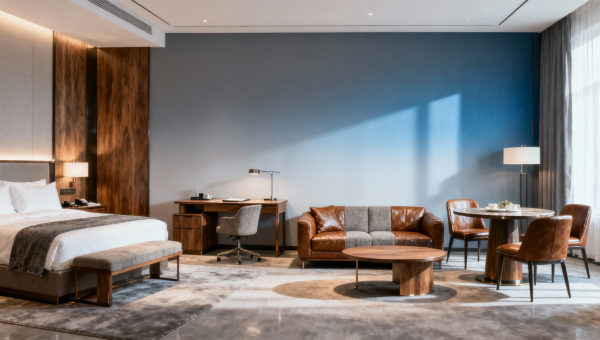
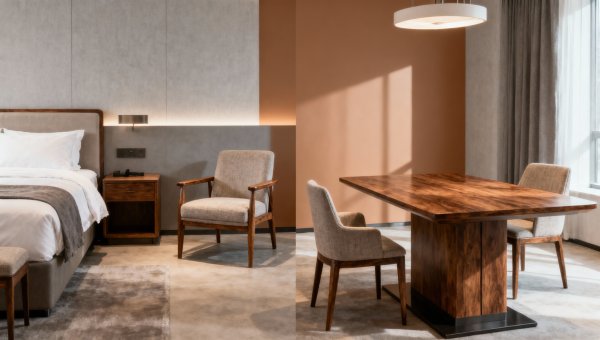
One of the strongest hotel renovation trends for 2026 is the move toward multi-functional furnishings. This is especially visible in hotel tables, lounge furniture, banqueting setups, and public-area layouts. Hospitality operators want spaces that can transition between breakfast service, remote work, casual meetings, social events, and light entertainment.
That has made hotel tables a more strategic purchasing category than many buyers treated it in the past. Instead of sourcing only by finish and dimensions, teams are now comparing:
- Reconfiguration speed
- Weight and mobility
- Surface durability
- Storage efficiency
- Power integration options
- Compatibility with indoor and semi-outdoor use
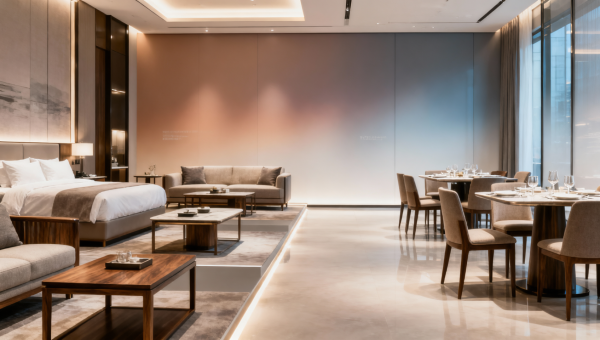
In renovated lobbies, all-day dining zones, rooftop venues, and mixed-use leisure areas, modular table systems help properties increase utilization without constant redesign. A table that works for co-working in the morning and beverage service in the evening offers more value than a fixed-format piece with limited use.
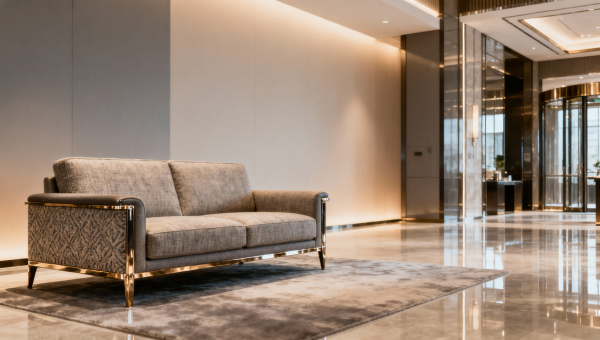
The same logic applies to commercial furniture. Buyers increasingly favor seating, casegoods, and public-area furnishings that can withstand frequent reconfiguration, high turnover, and diverse user profiles. This is particularly relevant for hotels that blend accommodation with sports viewing, family entertainment, events, or destination retail.
For distributors and sourcing agents, this trend creates demand for furniture collections that are not only aesthetically cohesive but also operationally flexible across multiple project types.
Durability is now a frontline design issue, not just a maintenance concern
In 2026, durability has become central to renovation planning because operators are under pressure to justify every capital decision. Products that look impressive at installation but degrade quickly under commercial conditions undermine both brand standards and financial performance.
This is why high-value buyers are looking more carefully at:
- Scratch, stain, and moisture resistance
- Frame strength and joint construction
- Upholstery performance under heavy use
- Fire-rating compliance
- Cleaning compatibility with commercial chemicals
- Replaceable components and spare-part access
For hotel renovations, durability is especially important in high-contact zones such as lobby seating, restaurant furniture, poolside setups, family activity areas, and event spaces. In these settings, lifecycle cost often matters more than unit price.
This is also where cross-sector thinking is becoming more valuable. Operators influenced by amusement equipment procurement and playground safety standards are applying similar thinking to hospitality environments that serve families or high-footfall leisure audiences. They are prioritizing impact resistance, easy sanitation, edge safety, weather performance, and user protection in a more rigorous way than before.
That crossover is particularly relevant for resorts, family hotels, destination entertainment complexes, and sports-and-leisure hospitality venues.
Experience-led renovations are borrowing ideas from leisure and entertainment sectors
Hotels are increasingly designed as destinations rather than simple accommodation assets. That shift is one reason adjacent sectors are influencing hospitality renovation strategy in 2026.
For example, principles seen in sensory playground design are informing wellness zones, family lounges, and inclusive guest environments. While a hotel is not a playground, the underlying ideas of tactile engagement, spatial comfort, intuitive movement, and multi-sensory experience are proving useful in hospitality settings.
Similarly, insights from amusement equipment and entertainment venue planning are shaping how hotels approach:
- Interactive family zones
- Immersive themed spaces
- Queue flow and spatial circulation
- Durable high-traffic installations
- Safety-conscious experiential design
Even music accessories and pro-audio-adjacent product categories are influencing renovation decisions in boutique hotels, resort lounges, event floors, and branded social spaces. Better acoustic treatment, performance-ready lounge setups, and music-enabled guest experiences can strengthen positioning for lifestyle hospitality brands.
For procurement professionals, the takeaway is not to overcomplicate hotel design with entertainment hardware. It is to recognize that guest expectations are now shaped by richer commercial experiences across many sectors. Renovation plans that account for this are often better aligned with future demand.
How procurement teams should evaluate hotel equipment trends before committing budget
Not every trend deserves adoption. The strongest buyers in 2026 are using structured evaluation criteria before approving renovation specifications. This helps separate commercially useful innovation from short-lived appeal.
A practical evaluation framework includes the following questions:
- Does it solve a defined operational problem? For example, energy waste, low space utilization, slow turnaround, or guest dissatisfaction.
- Is there measurable ROI? Consider maintenance savings, staffing efficiency, revenue uplift, or longer replacement cycles.
- Is it suitable for the property type? Luxury urban hotel, resort, serviced apartment, family destination, and entertainment-led property all require different specifications.
- Can the supplier support scale? Ask about lead time, customization, compliance documentation, and service network.
- Will it remain relevant for 5 to 7 years? Renovation cycles demand medium-term resilience, not trend chasing.
This is also where supplier transparency matters. A credible sourcing partner should be able to provide test reports, project references, finish options, material specifications, warranty terms, and realistic maintenance guidance. If these details are vague, the procurement risk is higher than it appears.
What distributors and commercial evaluators should watch in sourcing decisions
For distributors, agents, and B2B sourcing intermediaries, the 2026 opportunity lies in identifying manufacturers that can support both product quality and project complexity. Hotels renovating today are often asking for more than standard catalog items. They want flexible dimensions, coordinated finishes, integrated power access, branding alignment, and stronger compliance assurance.
That means commercially attractive suppliers increasingly need to demonstrate:
- OEM or ODM capability for tailored project requirements
- Consistent quality control across volume orders
- Clear export and certification readiness
- Cross-category coordination, especially in furniture and equipment packages
- Proven experience in hospitality or adjacent commercial sectors
Commercial evaluators should also consider whether a supplier understands the crossover between hospitality and entertainment-led design. Properties that combine lodging with leisure, family engagement, sports viewing, or event activity need products that bridge style, resilience, and safety.
In these cases, suppliers with experience across hotel equipment, leisure environments, and public-use furnishing categories may offer stronger long-term value than vendors focused on narrow product silos.
The hotel renovation trends most likely to matter in 2026
If buyers need a clear shortlist, the trends most likely to shape successful hotel renovations in 2026 are these:
- Smarter hotel equipment with clear operational ROI
- Versatile hotel tables that support mixed-use space planning
- Durable commercial furniture built for high-frequency use and lower lifecycle cost
- Experience-led design influences borrowed from leisure and entertainment sectors
- Higher emphasis on safety, serviceability, and compliance in every sourcing decision
These are not isolated trends. Together, they reflect a broader market shift toward renovation strategies that are more data-aware, guest-centered, and operationally disciplined.
For information researchers, the main insight is that 2026 hotel upgrades are becoming more interdisciplinary. For procurement teams, the key is to prioritize equipment and furniture that improve performance rather than simply refresh appearance. For distributors and sourcing partners, the opportunity lies in helping buyers navigate this shift with credible products, dependable manufacturing, and evidence-backed specifications.
In short, the hotel equipment trends shaping renovations in 2026 are those that turn design investment into measurable business value. Smart systems, adaptable furnishings, and durable commercial solutions will define the strongest projects, especially as hospitality continues to absorb ideas from sports, leisure, and entertainment environments.
Search News
Hot Articles
- Indoor PlaygroundFan Zhendong Visits Silicon Valley as MLTT Investor, AI Ping-Pong Tech Draws AttentionApr 23, 2026
- Stage Lighting & Truss2026 FIBA Women's World Cup Draw Opens Export Window for Arena Lighting & Timing SystemsApr 23, 2026
- Pro Stage AudioChina Upgrades Security Compliance for International Sports EventsApr 23, 2026
Popular Tags
Need ExpertConsultation?
Connect with our specialized leisureengineering team for procurementstrategies.
Recommended News
 Apr 10, 2026RCEP Cuts ASEAN Hotel Furniture Tariffs to 0% for Chinese Bamboo ProductsRCEP cuts ASEAN hotel furniture tariffs to 0% for Chinese bamboo products. Explore how this benefits exporters, procurement teams & supply chains in Southeast Asia's booming hospitality sector.● Hospitality Sourcing Dir
 Apr 10, 2026US Hotel Association Updates 2026 Smart Room Tech Guidelines, Mandates UL 2900-2-2 CertificationUS Hotel Association mandates UL 2900-2-2 certification for smart room tech by 2026. Learn how this impacts IoT manufacturers and hotel chains' procurement strategies.● Hospitality Sourcing Dir
 Apr 10, 2026EU Mandates QR Codes for Hotel Linens: China Exporters Must Comply by April 2026EU mandates QR codes for hotel linens by 2026, impacting China's textile exporters. Learn compliance requirements for traceability, sustainability reporting, and supply chain adaptation.● Hospitality Sourcing Dir
 Apr 09, 2026Zibo Launches 'Treasure Shandong Through the Lens' Photo Tour, Themed Homestays Emerge as Cross-Border Marketing ToolDiscover Zibo's 'Treasure Shandong Through the Lens' photo tour featuring 32 themed homestays blending vintage cameras, Hanfu culture & industrial spaces. A groundbreaking cross-border marketing model attracting global influencers & platforms like Rakuten Travel.● Hospitality Sourcing Dir
 Apr 09, 2026Yangzhou Slender West Lake Flower Festival Opens, Blending Heritage and Tech for Luxury TourismDiscover the 2026 Yangzhou Slender West Lake Flower Festival, blending heritage crafts with AR technology for luxury tourism. Experience cultural performances, workshops, and themed stays attracting global travelers. Explore China's new era of experiential tourism.● Hospitality Sourcing Dir
 Apr 09, 2026New Team Travel Contracts Raise Compliance Standards for Overseas AgenciesNew team travel contracts enforce stricter compliance for overseas agencies, requiring rigorous vetting of Chinese suppliers. Learn how these 2026 regulations impact study tours, hotels, and global partnerships.● Hospitality Sourcing Dir
 Apr 09, 2026Shangyou County's Hotel Subsidy Policy Boosts China's MICE Tourism AppealShangyou County's 2026 hotel subsidy policy offers RMB 100 per room for MICE tourism, boosting China's appeal to international buyers. Discover how this strategic move enhances cost-effective accommodations for corporate events and study tours.● Hospitality Sourcing Dir
 Apr 21, 2026Open or closed hotel wardrobes for easier housekeeping?Hotel wardrobes affect housekeeping speed, guest appeal, and hospitality procurement. Compare open vs closed designs for hotel furniture, luxury furniture, and hotel room furniture planning.● Hospitality Sourcing Dir
 Apr 21, 2026Hotel wardrobes that fit luggage without wasting spaceHotel wardrobes that fit luggage smartly without wasting space—explore hotel furniture solutions that elevate hotel room furniture, support hospitality procurement, and enhance guest comfort.● Hospitality Sourcing Dir
 Apr 21, 2026Why hotel room furniture wears unevenly after openingHotel furniture wear starts unevenly from day one. Learn how hotel beds, hotel chairs, hotel desks and hotel room furniture perform in real use, with smart hospitality procurement tips.● Hospitality Sourcing Dir
 Apr 21, 2026Hotel room furniture packages that cut design mismatchHotel room furniture packages align hotel furniture, hotel beds, hotel chairs, hotel tables, and hotel desks with luxury furniture standards—reducing design mismatch and speeding hospitality procurement.● Hospitality Sourcing Dir
 Apr 21, 2026Low seat or deep seat hotel sofas for modern lobbies?Hotel furniture buyers compare low seat and deep seat hotel sofas for modern lobbies. Explore luxury furniture choices that improve comfort, traffic flow, brand image, and hospitality procurement value.● Hospitality Sourcing Dir
 Apr 21, 2026Hotel sofas that keep their shape in high traffic areasHotel sofas, hotel furniture, and hospitality furniture that keep shape in high-traffic areas—discover luxury furniture sourcing tips, durable commercial furniture specs, and smarter hospitality procurement.● Hospitality Sourcing Dir
 Apr 21, 2026Why hospitality furniture needs different specs by zoneHospitality furniture specs vary by zone. Learn how hotel furniture, hotel beds, hotel chairs, hotel tables, and hotel desks improve durability, ROI, and luxury guest experience.● Hospitality Sourcing Dir
 Apr 21, 2026Hospitality furniture that supports faster room turnoverHospitality furniture that speeds room turnover: compare hotel beds, hotel chairs, hotel tables, hotel desks and hotel sofas for easier cleaning, durability, and smarter hospitality procurement.● Hospitality Sourcing Dir
 Apr 21, 2026Where hotel equipment budgets usually go off trackHotel furniture and hotel equipment budgets often fail from hidden scope, logistics, and lifecycle costs. Learn smarter hospitality procurement for hotel beds, chairs, tables, and luxury furniture.● Hospitality Sourcing Dir
 Apr 21, 2026Hotel equipment upgrades that improve guest flow firstHotel equipment upgrades improve guest flow fast with hotel furniture, hotel beds, hotel chairs, catering equipment, and soundproofing materials—boost comfort, efficiency, and procurement ROI.● Hospitality Sourcing Dir
 Apr 21, 2026What shortens the life of commercial furniture in hotelsHotel furniture and commercial furniture wear out fast when hotel beds, hotel chairs, hotel tables, hotel desks, and hotel sofas face heavy use, poor maintenance, and weak materials. Learn smart hospitality procurement tips.● Hospitality Sourcing Dir
 Apr 21, 2026Commercial furniture trends hotels are actually adoptingCommercial furniture trends hotels are adopting: luxury furniture, hotel beds, hotel chairs, hotel tables and hotel sofas that improve hotel furniture sourcing, durability, and hospitality procurement value.● Hospitality Sourcing Dir
 Apr 21, 2026How to spot hotel furniture built for daily wearHotel furniture buying guide: learn how to assess hotel beds, hotel chairs, hotel tables, and hospitality furniture for daily wear, lower maintenance, and smarter hospitality procurement.● Hospitality Sourcing Dir
 Apr 21, 2026Hotel furniture mistakes that age a room too quicklyHotel furniture buying guide: avoid costly hotel beds, hotel chairs, and hotel room furniture mistakes. Discover luxury furniture tips for durable, brand-right hospitality procurement.● Hospitality Sourcing Dir
 Apr 21, 2026Why some soundproofing materials fail after installationLearn why soundproofing materials fail after installation in hotel furniture projects. Explore hotel beds, hotel sofas, hotel wardrobes and hospitality procurement tips for lasting acoustic performance.● Hospitality Sourcing Dir
 Apr 21, 2026Soundproofing materials that work best between guest roomsSoundproofing materials for hotel furniture projects: discover the best systems between guest rooms, from mineral wool to acoustic doors, to improve comfort, protect reviews, and support hospitality procurement.● Hospitality Sourcing Dir
 Apr 21, 2026How firm should hotel beds be for mixed guest profiles?Hotel beds for mixed guest profiles: learn how hotel furniture and hospitality procurement teams balance comfort, durability, and luxury furniture standards to improve guest satisfaction.● Hospitality Sourcing Dir