Hotel Equipment Choices That Quietly Raise Operating Costs
Choosing the right hotel equipment is not just about appearance or upfront price. From hotel tables and commercial furniture to overlooked utility items, poor decisions can quietly increase maintenance, energy, and replacement costs over time. For procurement teams and commercial buyers in hospitality and leisure, understanding which equipment choices affect long-term efficiency is essential to protecting margins and improving operational performance.
In sports and leisure hospitality environments, the cost impact is even more visible. Resorts, activity hotels, family entertainment destinations, golf properties, ski lodges, and wellness retreats face heavier foot traffic, longer operating hours, and stronger seasonal pressure than many standard lodging formats. A table that wobbles after 12 months, a lounge chair that fails under poolside UV exposure, or a refrigeration unit that runs 18 hours a day at poor efficiency can turn a seemingly reasonable purchase into a recurring expense line.
For researchers, buyers, evaluators, and channel partners, the real question is not only which hotel equipment looks competitive on a quotation sheet, but which specifications reduce total cost over 3 to 7 years. This article examines the equipment choices that quietly raise operating costs, with a focus on hospitality venues linked to sports and entertainment use cases, where durability, safety, lifecycle performance, and sourcing reliability matter as much as design.
Why Low-Visibility Equipment Decisions Create High Long-Term Costs
Many hotel operators in leisure-driven properties focus first on guest-facing items such as lobby seating, outdoor dining sets, pool furniture, buffet counters, or room casegoods. Those categories matter, but the hidden cost problem often starts with specification gaps rather than obvious product failure. In sports-oriented hospitality venues, furniture and equipment may face 2 to 3 times the movement, cleaning frequency, and impact stress seen in business hotels.
A common example is selecting hotel tables based only on finish and unit price. If the table core material absorbs moisture, edge banding weakens, or hardware loosens under repeated relocation, maintenance teams may need service checks every 3 to 6 months. That creates labor cost, guest disruption, and earlier replacement cycles. A table priced 12% lower at purchase can become 25% to 40% more expensive over a 36-month operating period.
Another overlooked issue is mismatch between product specification and use environment. Commercial furniture used in a sports bar, bowling resort, or family leisure hotel requires impact resistance, stain tolerance, and faster cleaning turnaround. Equipment chosen for light-duty indoor use may degrade quickly when exposed to chlorinated air, sunscreen residue, wet swimwear, or repeated event reconfiguration.
Hospitality and leisure buyers should also account for downtime cost. A failed ice machine, damaged banquet table base, or poorly ventilated undercounter refrigerator does not just trigger repair. It can reduce room service responsiveness, event capacity, or restaurant turnover during peak weekends, when occupancy and recreational traffic are at their highest.
The most common hidden-cost drivers
- Short replacement intervals caused by low-grade frames, thin laminates, weak welds, or poor corrosion resistance.
- Higher energy consumption from refrigeration, hot holding, laundry, or ventilation equipment operating outside ideal load ranges.
- Maintenance labor increases due to hard-to-clean surfaces, non-standard spare parts, or repeated alignment and fastening issues.
- Guest safety risk and liability exposure from unstable furniture, slipping surfaces, or non-compliant electrical installations.
The table below shows how small specification shortcuts can create long-term cost leakage in active leisure hospitality settings.
The key takeaway is simple: low-visibility technical decisions often determine whether hospitality equipment performs for 18 months or 5 years. For sports and entertainment properties, that lifecycle gap can materially affect margins.
Furniture and Front-of-House Items That Often Underperform in Leisure Hotels
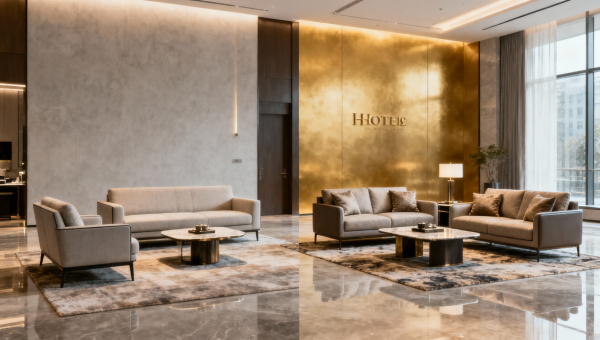
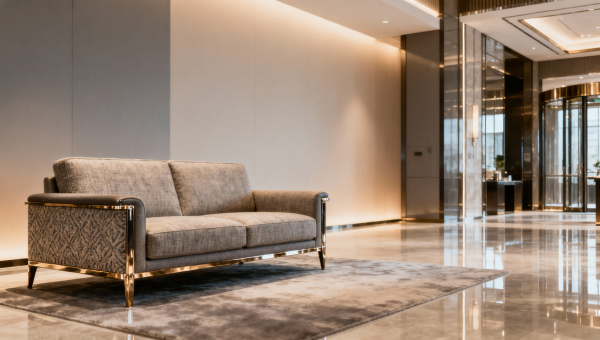
Front-of-house furniture absorbs some of the most underestimated operating pressure in entertainment-led hospitality. Hotel tables, banquet chairs, movable partitions, lobby sofas, and terrace seating are constantly exposed to drag movement, luggage impact, food spills, wet footwear, and fast turnover. In mixed-use properties with arcades, sports viewing lounges, rooftop bars, or event terraces, furniture may be repositioned several times per day.
Poor specification typically shows up in four areas: frame strength, surface durability, cleaning resistance, and replacement compatibility. For example, banquet tables with weak locking systems may require more frequent inspections and create setup inefficiencies during tournaments, conferences, or group leisure events. If one damaged part cannot be replaced easily, the operator may be forced to remove the entire item from service.
Outdoor and semi-outdoor zones present another challenge. Leisure hotels often feature pool bars, viewing decks, waterside lounges, and sports terraces. Materials that perform indoors can fail quickly under humidity, heat, or UV exposure. Powder-coated steel, compact laminate, treated aluminum, and marine-grade upholstery are generally more suitable than decorative but lightly rated alternatives.
Buyers should also review weight and handling. A chair that looks elegant but is too heavy for staff to move efficiently adds labor strain during event resets. A stacking chair that saves 20 seconds per unit in setup can make a meaningful difference when a team handles 150 to 300 seats for recurring leisure events.
What to check before approving commercial furniture
Structural and maintenance factors
- Frame material thickness and weld consistency for banquet and lounge use.
- Surface resistance to chlorine, alcohol-based cleaning agents, sunscreen, and food acids.
- Availability of replacement glides, feet, hinges, locks, and top panels within 30 to 60 days.
- Load rating suitable for commercial use, especially for pool, terrace, and family entertainment zones.
The comparison below helps buyers differentiate between a lower-cost fit-out and a more resilient hospitality furniture package.
For procurement teams, the best commercial furniture decision is usually not the cheapest unit. It is the option that balances visual standards, serviceability, and replacement predictability across a 3-year to 5-year operating window.
Utility Equipment That Quietly Raises Energy and Service Costs
In sports and entertainment hospitality, utility equipment can be a bigger long-term cost risk than visible furniture. Ice makers, glass washers, undercounter refrigerators, heated display units, extraction systems, and laundry support equipment often operate for 10 to 18 hours per day. If sizing, airflow, and duty rating are wrong, the operator pays through excessive energy use, unstable performance, and earlier service intervention.
A typical mistake is underestimating peak-load behavior. A bar serving guests after a live event, a golf clubhouse restaurant, or a waterpark hotel snack area may experience intense demand in narrow 2-hour to 4-hour windows. Equipment that performs adequately under average conditions may fail to recover quickly during those spikes, pushing staff into workarounds that reduce service speed and raise spoilage risk.
Ventilation and heat rejection are equally important. Refrigeration units installed without enough clearance can consume more power and place added stress on compressors. In back-of-house areas near leisure kitchens or activity concessions, even a 3°C to 5°C increase in ambient temperature can reduce equipment efficiency and shorten service life if specification margins are too narrow.
Water quality and cleaning cycles also affect cost. Ice machines and warewashing equipment exposed to mineral-heavy water may require more frequent descaling, while poor filtration can lead to unscheduled breakdowns. Over a 12-month period, these recurring maintenance needs can exceed the original savings achieved at purchase.
Key evaluation points for back-of-house hospitality equipment
- Match daily throughput to peak demand, not just average usage.
- Review energy performance under realistic ambient conditions such as 30°C to 43°C kitchen zones.
- Confirm maintenance access space, especially for undercounter and built-in equipment.
- Check spare-part availability and technician response windows in each target market.
The following table outlines utility equipment decisions that often look acceptable at ordering stage but become expensive in operation.
For commercial buyers, energy efficiency should be reviewed together with duty cycle, service access, and environmental conditions. In active hospitality venues, a unit that saves even a modest amount per day can produce substantial savings across 365 operating days.
How Procurement Teams Can Evaluate Total Cost Instead of Unit Price Alone
A structured procurement process is the best defense against hidden operating costs. In practice, many hospitality tenders still overweight capex and underweight maintenance frequency, expected service life, and part replacement complexity. That approach can distort decision-making, especially when multiple suppliers appear similar on paper.
For sports and entertainment hospitality projects, buyers should score each equipment option against at least 5 dimensions: purchase price, installation fit, maintenance burden, expected durability, and supplier support. A supplier with a slightly higher quote may still be the stronger commercial option if lead times are stable, spare parts are standardized, and after-sales support is available within 48 to 72 hours in major operating regions.
Commercial assessment teams should also request lifecycle assumptions. Even if exact outcomes vary by project, suppliers should be able to discuss cleaning compatibility, wear points, service intervals, and likely replacement components. That is particularly important for distributors and agents who need predictable support across several hotel, resort, or leisure clients.
Mock-use testing is valuable for high-touch areas. A simple evaluation cycle of 30 days to 90 days for tables, chairs, service carts, or refrigeration in one pilot venue can reveal issues that a showroom sample cannot. Scratches, wobble, stain retention, hinge fatigue, and thermal inconsistency often appear quickly under real operating conditions.
A practical 5-step evaluation framework
- Define the use case clearly: indoor, poolside, event, sports lounge, family leisure, or mixed-use.
- Estimate actual load: daily hours, guest volume, movement frequency, cleaning intensity, and seasonal peaks.
- Review technical details: materials, corrosion resistance, operating temperature, power demand, and service access.
- Compare supplier support: lead time, warranty scope, spare-part policy, and local distributor network.
- Model total cost over 36 to 60 months, not just the initial order value.
The matrix below can be used by procurement teams, evaluators, and channel partners during supplier comparison.
This method helps shift the conversation from “Which quote is lowest?” to “Which option protects operating efficiency over time?” That is the more relevant question for hospitality groups, institutional buyers, and distribution partners managing repeated procurement cycles.
Common Mistakes, Risk Controls, and Smarter Sourcing Paths
Several recurring mistakes drive hidden cost escalation in hotel and leisure equipment sourcing. One is over-customization without service planning. Bespoke finishes and unique dimensions can support brand identity, but if those choices create non-standard maintenance needs or difficult part replacement, total cost rises quickly. In many cases, a semi-custom approach offers a better balance between design consistency and operational practicality.
Another mistake is evaluating only the product and not the supply chain. Hospitality projects often run on tight opening schedules, and leisure properties may need phased delivery across guest rooms, restaurants, sports lounges, and pool zones. If a supplier cannot manage packaging quality, replacement coordination, or consistent production from batch to batch, the buyer may face hidden rework and delay costs.
Risk control should include pre-shipment review, installation sequencing, and early-life performance monitoring. For example, the first 60 to 90 days after opening are ideal for identifying loose hardware, finish defects, thermal instability, or cleaning-related wear. Capturing those issues early can reduce broader replacement exposure across the property.
For distributors, agents, and regional sourcing partners, it is also important to prioritize manufacturers that understand commercial use environments, not just export documentation. A supplier familiar with hotel, resort, and leisure turnover patterns is more likely to recommend appropriate materials, realistic packing methods, and supportable component standards.
FAQ for buyers and commercial evaluators
How long should commercial hotel furniture last in active leisure settings?
The answer depends on the category and use intensity, but a practical planning window is 3 to 5 years for heavily used dining and lounge furniture, and 5 to 7 years for better-specified casegoods or outdoor seating under controlled maintenance. If failure appears within the first 12 to 18 months, the original specification is often too weak for the operating environment.
What is a reasonable lead time for replacement parts?
For commonly used components such as glides, hinges, feet, gaskets, and control parts, commercial buyers should look for availability within 2 to 8 weeks, depending on region and order volume. Longer part lead times can significantly increase downtime during peak trading periods.
Is the cheapest energy-rated equipment always the best option?
Not necessarily. Energy performance should be reviewed together with load recovery, ambient tolerance, service support, and actual usage pattern. A unit that appears efficient in light use may underperform in a busy sports bar or event venue if recovery speed is too slow.
What should buyers prioritize when sourcing for sports and entertainment hotels?
Priority areas include material durability, cleaning resistance, environmental suitability, maintenance access, and spare-part continuity. Where guest traffic is high and turnaround is fast, those factors usually matter more than minor upfront price differences.
The strongest sourcing strategy is built around lifecycle value, not procurement optics. For hotel groups, leisure operators, institutional buyers, and trade partners, better equipment choices reduce maintenance calls, energy waste, replacement frequency, and operational disruption. GCT supports commercial decision-makers with market-focused sourcing insight across hospitality and experience-driven sectors, helping buyers compare options with greater clarity and commercial confidence. To discuss a tailored equipment sourcing strategy, request product details, or explore solutions suited to active hospitality and leisure environments, contact GCT and get a procurement plan aligned with long-term operating performance.
Search News
Hot Articles
- Indoor PlaygroundFan Zhendong Visits Silicon Valley as MLTT Investor, AI Ping-Pong Tech Draws AttentionApr 23, 2026
- Stage Lighting & Truss2026 FIBA Women's World Cup Draw Opens Export Window for Arena Lighting & Timing SystemsApr 23, 2026
- Pro Stage AudioChina Upgrades Security Compliance for International Sports EventsApr 23, 2026
Popular Tags
Need ExpertConsultation?
Connect with our specialized leisureengineering team for procurementstrategies.
Recommended News
 Apr 10, 2026RCEP Cuts ASEAN Hotel Furniture Tariffs to 0% for Chinese Bamboo ProductsRCEP cuts ASEAN hotel furniture tariffs to 0% for Chinese bamboo products. Explore how this benefits exporters, procurement teams & supply chains in Southeast Asia's booming hospitality sector.● Hospitality Sourcing Dir
 Apr 10, 2026US Hotel Association Updates 2026 Smart Room Tech Guidelines, Mandates UL 2900-2-2 CertificationUS Hotel Association mandates UL 2900-2-2 certification for smart room tech by 2026. Learn how this impacts IoT manufacturers and hotel chains' procurement strategies.● Hospitality Sourcing Dir
 Apr 10, 2026EU Mandates QR Codes for Hotel Linens: China Exporters Must Comply by April 2026EU mandates QR codes for hotel linens by 2026, impacting China's textile exporters. Learn compliance requirements for traceability, sustainability reporting, and supply chain adaptation.● Hospitality Sourcing Dir
 Apr 09, 2026Zibo Launches 'Treasure Shandong Through the Lens' Photo Tour, Themed Homestays Emerge as Cross-Border Marketing ToolDiscover Zibo's 'Treasure Shandong Through the Lens' photo tour featuring 32 themed homestays blending vintage cameras, Hanfu culture & industrial spaces. A groundbreaking cross-border marketing model attracting global influencers & platforms like Rakuten Travel.● Hospitality Sourcing Dir
 Apr 09, 2026Yangzhou Slender West Lake Flower Festival Opens, Blending Heritage and Tech for Luxury TourismDiscover the 2026 Yangzhou Slender West Lake Flower Festival, blending heritage crafts with AR technology for luxury tourism. Experience cultural performances, workshops, and themed stays attracting global travelers. Explore China's new era of experiential tourism.● Hospitality Sourcing Dir
 Apr 09, 2026New Team Travel Contracts Raise Compliance Standards for Overseas AgenciesNew team travel contracts enforce stricter compliance for overseas agencies, requiring rigorous vetting of Chinese suppliers. Learn how these 2026 regulations impact study tours, hotels, and global partnerships.● Hospitality Sourcing Dir
 Apr 09, 2026Shangyou County's Hotel Subsidy Policy Boosts China's MICE Tourism AppealShangyou County's 2026 hotel subsidy policy offers RMB 100 per room for MICE tourism, boosting China's appeal to international buyers. Discover how this strategic move enhances cost-effective accommodations for corporate events and study tours.● Hospitality Sourcing Dir
 Apr 21, 2026Open or closed hotel wardrobes for easier housekeeping?Hotel wardrobes affect housekeeping speed, guest appeal, and hospitality procurement. Compare open vs closed designs for hotel furniture, luxury furniture, and hotel room furniture planning.● Hospitality Sourcing Dir
 Apr 21, 2026Hotel wardrobes that fit luggage without wasting spaceHotel wardrobes that fit luggage smartly without wasting space—explore hotel furniture solutions that elevate hotel room furniture, support hospitality procurement, and enhance guest comfort.● Hospitality Sourcing Dir
 Apr 21, 2026Why hotel room furniture wears unevenly after openingHotel furniture wear starts unevenly from day one. Learn how hotel beds, hotel chairs, hotel desks and hotel room furniture perform in real use, with smart hospitality procurement tips.● Hospitality Sourcing Dir
 Apr 21, 2026Hotel room furniture packages that cut design mismatchHotel room furniture packages align hotel furniture, hotel beds, hotel chairs, hotel tables, and hotel desks with luxury furniture standards—reducing design mismatch and speeding hospitality procurement.● Hospitality Sourcing Dir
 Apr 21, 2026Low seat or deep seat hotel sofas for modern lobbies?Hotel furniture buyers compare low seat and deep seat hotel sofas for modern lobbies. Explore luxury furniture choices that improve comfort, traffic flow, brand image, and hospitality procurement value.● Hospitality Sourcing Dir
 Apr 21, 2026Hotel sofas that keep their shape in high traffic areasHotel sofas, hotel furniture, and hospitality furniture that keep shape in high-traffic areas—discover luxury furniture sourcing tips, durable commercial furniture specs, and smarter hospitality procurement.● Hospitality Sourcing Dir
 Apr 21, 2026Why hospitality furniture needs different specs by zoneHospitality furniture specs vary by zone. Learn how hotel furniture, hotel beds, hotel chairs, hotel tables, and hotel desks improve durability, ROI, and luxury guest experience.● Hospitality Sourcing Dir
 Apr 21, 2026Hospitality furniture that supports faster room turnoverHospitality furniture that speeds room turnover: compare hotel beds, hotel chairs, hotel tables, hotel desks and hotel sofas for easier cleaning, durability, and smarter hospitality procurement.● Hospitality Sourcing Dir
 Apr 21, 2026Where hotel equipment budgets usually go off trackHotel furniture and hotel equipment budgets often fail from hidden scope, logistics, and lifecycle costs. Learn smarter hospitality procurement for hotel beds, chairs, tables, and luxury furniture.● Hospitality Sourcing Dir
 Apr 21, 2026Hotel equipment upgrades that improve guest flow firstHotel equipment upgrades improve guest flow fast with hotel furniture, hotel beds, hotel chairs, catering equipment, and soundproofing materials—boost comfort, efficiency, and procurement ROI.● Hospitality Sourcing Dir
 Apr 21, 2026What shortens the life of commercial furniture in hotelsHotel furniture and commercial furniture wear out fast when hotel beds, hotel chairs, hotel tables, hotel desks, and hotel sofas face heavy use, poor maintenance, and weak materials. Learn smart hospitality procurement tips.● Hospitality Sourcing Dir
 Apr 21, 2026Commercial furniture trends hotels are actually adoptingCommercial furniture trends hotels are adopting: luxury furniture, hotel beds, hotel chairs, hotel tables and hotel sofas that improve hotel furniture sourcing, durability, and hospitality procurement value.● Hospitality Sourcing Dir
 Apr 21, 2026How to spot hotel furniture built for daily wearHotel furniture buying guide: learn how to assess hotel beds, hotel chairs, hotel tables, and hospitality furniture for daily wear, lower maintenance, and smarter hospitality procurement.● Hospitality Sourcing Dir
 Apr 21, 2026Hotel furniture mistakes that age a room too quicklyHotel furniture buying guide: avoid costly hotel beds, hotel chairs, and hotel room furniture mistakes. Discover luxury furniture tips for durable, brand-right hospitality procurement.● Hospitality Sourcing Dir
 Apr 21, 2026Why some soundproofing materials fail after installationLearn why soundproofing materials fail after installation in hotel furniture projects. Explore hotel beds, hotel sofas, hotel wardrobes and hospitality procurement tips for lasting acoustic performance.● Hospitality Sourcing Dir
 Apr 21, 2026Soundproofing materials that work best between guest roomsSoundproofing materials for hotel furniture projects: discover the best systems between guest rooms, from mineral wool to acoustic doors, to improve comfort, protect reviews, and support hospitality procurement.● Hospitality Sourcing Dir
 Apr 21, 2026How firm should hotel beds be for mixed guest profiles?Hotel beds for mixed guest profiles: learn how hotel furniture and hospitality procurement teams balance comfort, durability, and luxury furniture standards to improve guest satisfaction.● Hospitality Sourcing Dir