Hotel Equipment That Cuts Operating Costs
Reducing overhead starts with smarter sourcing. From durable hotel equipment and efficient hotel tables to compliant commercial furniture, the right investments can lower maintenance, energy use, and replacement costs. For buyers comparing suppliers across hospitality and adjacent sectors such as amusement equipment, educational supplies, and playground safety solutions, understanding what truly cuts operating costs is essential to making profitable, future-ready procurement decisions.
What Hotel Equipment Actually Reduces Operating Costs?
In hospitality and sport-entertainment environments, operating cost is rarely controlled by one purchase. It is shaped by a chain of decisions: material grade, cleaning frequency, energy demand, spare-part availability, and how well each item performs under daily traffic. For hotels serving leisure travelers, family activity groups, and event guests, the wrong equipment often creates hidden costs within 6–18 months.
The most cost-saving hotel equipment usually shares four traits. It lasts longer in high-use areas, reduces labor time, supports safer operations, and fits multiple service scenarios. This matters even more in mixed-use properties connected to amusement and leisure activities, where restaurants, game zones, children’s areas, and event halls create heavier wear than a standard business hotel.
For procurement teams, the focus should move beyond initial unit price. A lower purchase price may look attractive during quotation comparison, yet it often leads to more frequent replacement, unstable finishes, poor cleaning performance, or limited compliance documentation. Over a 2–4 year operating cycle, these weaknesses can outweigh the original savings.
GCT helps buyers evaluate hotel equipment from a commercial-use perspective. That means looking at sourcing intelligence across hospitality, leisure parks, educational environments, and other public-space sectors where durability, safety, and presentation must work together. This broader view is valuable for distributors and project buyers managing multifunctional venues rather than single-room procurement.
Four equipment groups that usually affect cost first
- Front-of-house furniture such as hotel tables, dining chairs, lobby seating, and banquet setups, which face repeated movement, impact, and cleaning.
- Back-of-house foodservice and storage equipment, where energy efficiency, workflow design, and maintenance intervals directly influence labor and utility costs.
- Outdoor and leisure-adjacent furnishings, especially near pools, recreation zones, family play areas, or activity terraces, where weather resistance affects replacement cycles.
- Safety-related commercial fixtures used in public and mixed-age environments, where compliant design helps reduce incident risk, downtime, and liability exposure.
When these categories are sourced correctly, operators often gain measurable advantages in housekeeping speed, lower repair frequency, and more stable presentation standards. That is especially relevant for hotels linked to sport and entertainment traffic, where peak occupancy can create intense short-cycle wear during weekends, holidays, and event periods.
Where Do Hotels in Leisure and Entertainment Settings Lose Money?
Hotels connected to entertainment districts, resorts, amusement attractions, or sports facilities do not behave like low-intensity office properties. Guest movement is faster, furniture turnover is higher, and equipment is exposed to children, luggage, moisture, food spills, and frequent rearrangement. These environments increase the cost impact of weak product selection.
A common issue is under-specification. Buyers may select hotel tables or seating designed for light commercial use, then install them in breakfast halls, recreation lounges, and event spaces that operate 12–16 hours per day. The result is edge chipping, unstable frames, and finish deterioration well before the expected service cycle ends.
Another loss point is fragmented sourcing. When furniture, service equipment, and public-area fixtures come from unrelated suppliers, maintenance teams face inconsistent parts, uneven materials, and mismatched cleaning requirements. This complicates stocking plans and raises downtime whenever one component fails or one finish needs special treatment.
The table below highlights where operating costs typically rise and which equipment choices help control them in hospitality projects with leisure or family-oriented traffic.
This comparison shows why procurement teams should define cost in operational terms, not just in quoted price. In a sport and entertainment context, a stronger frame, easier sanitation, or quicker service access can save money every week, not only at the point of purchase.
Three overlooked cost drivers
First, cleaning compatibility matters more than many buyers expect. If one tabletop finish requires special chemicals or careful wiping procedures, labor time rises across every shift. Second, delivery consistency matters. Delays of 2–6 weeks can interrupt opening schedules or force temporary replacements. Third, component standardization reduces spare-part confusion for chains and regional operators.
These points explain why distributors and evaluation teams often prefer suppliers with broader cross-sector experience. A sourcing partner that understands hotels, leisure parks, public environments, and educational traffic patterns can better recommend products built for repeated use rather than showroom appearance alone.
How to Compare Hotel Tables, Seating, and Commercial Furniture for Long-Term Savings
Hotel tables and commercial furniture are often treated as design purchases, but in reality they are operating assets. In breakfast spaces, family lounges, event halls, and recreation-linked restaurants, the right table specification can reduce scratches, wobbling complaints, maintenance calls, and premature replacement. This is one of the clearest ways to cut cost without compromising guest experience.
Buyers should compare furniture by use intensity rather than by catalog image. A table for a quiet meeting corner is not the same as a table used by children, sports groups, or buffet turnover every morning. Frame material, tabletop edge construction, moisture resistance, and movement frequency should all be reviewed before price negotiations begin.
For many projects, the most practical choice is not the premium finish with the highest decorative appeal, nor the cheapest standard item. It is the balanced option that matches a 3–5 year service expectation, allows efficient cleaning, and is easy to reorder when a chain property expands or updates one zone in phases.
The comparison below can help procurement teams judge furniture choices through a cost-control lens.
This type of evaluation is especially useful for distributors and agents building repeatable assortments. When product lines are selected by operational fit, resale value improves because end users can more easily compare expected lifecycle performance rather than just appearance and upfront cost.
A practical 5-point furniture screening checklist
- Define the use zone: guest room, buffet, event hall, terrace, children-adjacent area, or mixed public area.
- Estimate service intensity: light use, daily repeated use, or peak-volume use during 8–14 hour operating windows.
- Confirm material behavior under cleaning agents, spilled drinks, humidity, and frequent repositioning.
- Review reorder consistency, spare components, and finish continuity for future project phases.
- Check whether the product suits adjacent entertainment or family-use environments where impact and safety risks are higher.
These steps help business evaluators move from design preference to commercial judgment. They also reduce the risk of mixing decorative furniture into spaces that actually require robust hospitality-grade or public-use solutions.
Why cross-sector sourcing knowledge matters
Properties with sport and entertainment traffic often blur category boundaries. A breakfast zone may behave like a canteen at peak hour. A lobby corner may function like a waiting area for a family attraction. An outdoor café may need the resilience of leisure park furniture. GCT’s advantage is that it maps these overlaps, helping buyers source hotel equipment with a more realistic understanding of how spaces are actually used.
What Standards, Safety, and Compliance Checks Should Buyers Prioritize?
Cost reduction should never come from ignoring compliance. In public hospitality settings, especially those connected to recreation, children’s traffic, event use, or outdoor entertainment, non-compliant equipment can create far greater losses than any savings gained at procurement stage. Safety claims, material suitability, and intended-use documentation need to be verified early.
For commercial furniture and hotel equipment, buyers usually review several layers of suitability: structural stability, fire-related material considerations where applicable, corrosion resistance for wet zones, and cleaning safety for foodservice contact areas. For adjacent public-use products such as playground-facing fixtures or family-zone furniture, edge safety and application-appropriate design become even more important.
Lead times also depend on compliance readiness. A product with clear technical files, standard test references, and export documentation generally moves faster through project approval than one requiring repeated clarification. In many sourcing cycles, this can save 7–15 days of internal review and prevent late-stage substitution.
The following table summarizes practical compliance checkpoints for hotel equipment in leisure-oriented commercial spaces.
The key takeaway is simple: compliance review is not separate from cost control. It protects delivery schedules, avoids mismatched installation, and helps buyers compare suppliers on consistent technical grounds rather than on sales language alone.
Common mistakes procurement teams should avoid
- Assuming indoor furniture can be used in semi-outdoor leisure zones without checking humidity and UV exposure.
- Approving samples based on appearance only, without reviewing cleaning behavior after repeated commercial use.
- Ignoring document consistency between quotation, specification sheet, and shipping list.
- Treating family-oriented or child-adjacent hospitality spaces as standard adult-only environments.
These issues are common across hotels, leisure parks, educational venues, and mixed public spaces. That is why many buyers rely on sourcing partners able to review supplier capability through both product and application logic.
How Should Buyers Build a Smarter Procurement Plan?
A cost-saving purchase starts before quotation collection. Procurement teams should define application zones, replacement risk, and service expectations in advance. For example, a project may have 3 core operating zones: guestrooms, foodservice areas, and leisure-linked public spaces. Each zone needs different durability, finish, and maintenance requirements.
This is where structured sourcing becomes valuable. Instead of asking every supplier for a full catalog, buyers should request targeted recommendations by zone, expected traffic, and order scale. This approach saves evaluation time and improves comparability, especially when multiple stakeholders are involved, such as operations teams, project managers, and finance reviewers.
A practical procurement process often includes 4 steps over a 2–8 week sourcing window, depending on project complexity and whether customization is required. Simple replenishment orders move faster, while mixed-space developments usually require longer review and sample verification.
Below is a useful workflow for buyers sourcing hotel equipment intended to control operating cost while meeting hospitality and leisure-space demands.
- Requirement mapping: Define zone use, traffic level, cleaning frequency, and budget range. Distinguish between decorative, high-contact, and heavy-duty items.
- Supplier screening: Compare technical detail, documentation quality, production consistency, and ability to support repeat orders or phased projects.
- Sample and specification review: Check finish behavior, structural details, packaging logic, and suitability for the real operating environment.
- Commercial alignment: Confirm lead time, spare support, customization limits, and shipping terms before final approval.
For distributors, this process also supports better portfolio design. Instead of carrying too many overlapping SKUs, they can organize products into light-use, heavy-use, and outdoor-leisure categories. This improves recommendation quality and reduces confusion during client consultation.
What to ask before placing an order
Before confirming a supplier, buyers should ask six practical questions. What is the typical lead time for standard versus customized items? Which parts are most likely to need replacement after 12–24 months? What cleaning methods are recommended? Is the product suitable for family or recreation-heavy traffic? Can the supplier maintain finish consistency across repeat orders? What documents are available at approval stage?
These questions may look basic, but they often separate short-term purchasing from long-term cost control. They also create a better foundation for price negotiation because the discussion is based on service life and operational fit, not just on unit cost.
Why GCT is useful during evaluation
GCT supports buyers who need more than a supplier list. Because the platform covers hotel and catering equipment, office and educational supplies, amusement and leisure parks, and other commercial categories, it helps decision-makers compare products through a real-world usage lens. This is especially valuable for projects where hospitality spaces intersect with entertainment, institutional, or family-oriented environments.
FAQ: Cost Control, Lead Time, and Selection Risks
Which hotel equipment usually delivers the fastest cost savings?
The fastest impact often comes from high-touch, high-frequency items: hotel tables, dining seating, buffet-area furniture, and service equipment that runs daily. These products affect cleaning labor, maintenance calls, and replacement frequency almost immediately. In many projects, reviewing just 3 categories—furniture, foodservice equipment, and outdoor leisure furnishings—creates the clearest short-term savings path.
How long is a typical procurement cycle for commercial hotel furniture?
For standard commercial items, a typical sourcing and approval cycle may take 2–4 weeks. For customized finishes, multi-zone projects, or orders requiring broader technical review, 4–8 weeks is more realistic. If document readiness is weak or samples must be revised, the timeline can extend further. Buyers should align sourcing milestones with installation needs early in the project schedule.
What is the biggest mistake when comparing suppliers?
The biggest mistake is comparing price without comparing operating context. Two products may look similar in photos, yet one may be intended for low-frequency use while the other is built for repeated commercial handling. Without checking structure, finish behavior, cleaning compatibility, and documentation quality, the cheaper option can become the more expensive one over time.
Are hospitality buyers supposed to consider adjacent sectors like amusement or educational products?
Yes, especially when the property includes family recreation, children’s facilities, activity zones, or multi-use public spaces. In these cases, lessons from amusement equipment, educational supplies, and playground safety solutions can improve durability and risk awareness. Cross-sector sourcing helps buyers specify products that match real public-use behavior rather than narrow category assumptions.
Why Choose Us for Hotel Equipment Sourcing and Evaluation?
Global Commercial Trade is built for buyers who need commercial clarity, not just product listings. We connect hospitality sourcing with wider knowledge from amusement and leisure parks, institutional environments, and specialty retail spaces. That perspective is useful when a hotel project includes recreation zones, family traffic, event operations, or other mixed-use conditions that change equipment demands.
Our value lies in helping procurement teams, business evaluators, distributors, and project stakeholders narrow choices faster. Instead of reviewing generic offers, you can assess hotel equipment by service intensity, compliance expectations, material behavior, and long-term operating fit. This leads to better supplier comparison and more defensible purchasing decisions.
You can contact us for practical sourcing support, including parameter confirmation, hotel table and commercial furniture selection, typical lead-time review, customization scope, documentation expectations, sample planning, and quotation comparison. If your project spans hospitality and entertainment functions, we can also help identify where cross-sector product logic improves durability and reduces avoidable cost.
For upcoming tenders, refurbishment plans, distributor portfolio building, or phased hotel development, GCT can help you evaluate which equipment choices are likely to hold value over the next 12–36 months. That is the difference between buying items and building a procurement strategy that protects margins.
Search News
Hot Articles
- Indoor PlaygroundFan Zhendong Visits Silicon Valley as MLTT Investor, AI Ping-Pong Tech Draws AttentionApr 23, 2026
- Stage Lighting & Truss2026 FIBA Women's World Cup Draw Opens Export Window for Arena Lighting & Timing SystemsApr 23, 2026
- Pro Stage AudioChina Upgrades Security Compliance for International Sports EventsApr 23, 2026
Popular Tags
Need ExpertConsultation?
Connect with our specialized leisureengineering team for procurementstrategies.
Recommended News
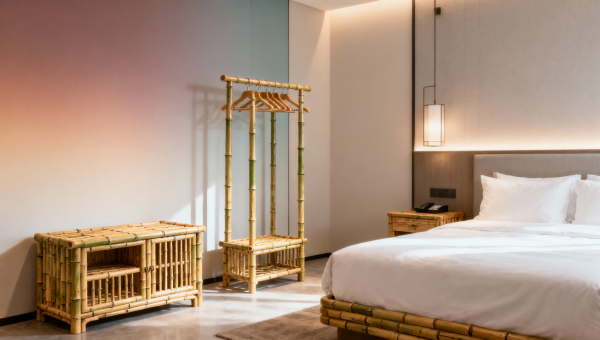
 Apr 10, 2026RCEP Cuts ASEAN Hotel Furniture Tariffs to 0% for Chinese Bamboo ProductsRCEP cuts ASEAN hotel furniture tariffs to 0% for Chinese bamboo products. Explore how this benefits exporters, procurement teams & supply chains in Southeast Asia's booming hospitality sector.● Hospitality Sourcing Dir
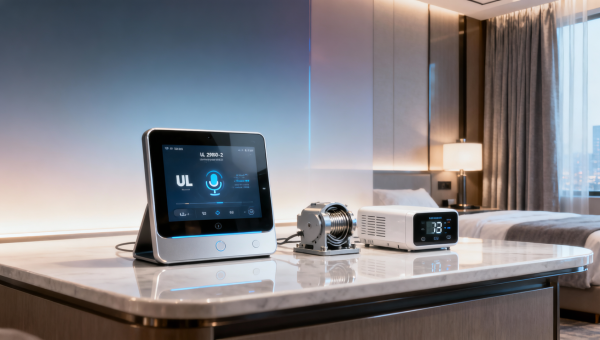
 Apr 10, 2026US Hotel Association Updates 2026 Smart Room Tech Guidelines, Mandates UL 2900-2-2 CertificationUS Hotel Association mandates UL 2900-2-2 certification for smart room tech by 2026. Learn how this impacts IoT manufacturers and hotel chains' procurement strategies.● Hospitality Sourcing Dir
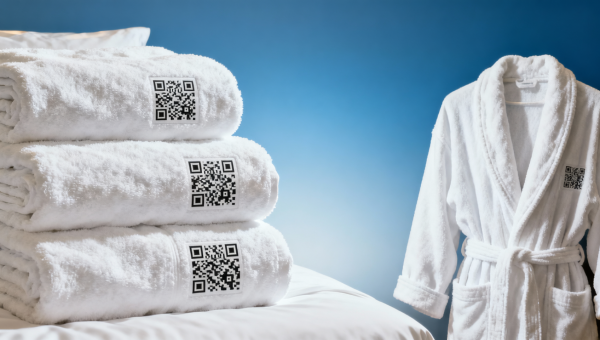
 Apr 10, 2026EU Mandates QR Codes for Hotel Linens: China Exporters Must Comply by April 2026EU mandates QR codes for hotel linens by 2026, impacting China's textile exporters. Learn compliance requirements for traceability, sustainability reporting, and supply chain adaptation.● Hospitality Sourcing Dir
 Apr 09, 2026Zibo Launches 'Treasure Shandong Through the Lens' Photo Tour, Themed Homestays Emerge as Cross-Border Marketing ToolDiscover Zibo's 'Treasure Shandong Through the Lens' photo tour featuring 32 themed homestays blending vintage cameras, Hanfu culture & industrial spaces. A groundbreaking cross-border marketing model attracting global influencers & platforms like Rakuten Travel.● Hospitality Sourcing Dir
 Apr 09, 2026Yangzhou Slender West Lake Flower Festival Opens, Blending Heritage and Tech for Luxury TourismDiscover the 2026 Yangzhou Slender West Lake Flower Festival, blending heritage crafts with AR technology for luxury tourism. Experience cultural performances, workshops, and themed stays attracting global travelers. Explore China's new era of experiential tourism.● Hospitality Sourcing Dir
 Apr 09, 2026New Team Travel Contracts Raise Compliance Standards for Overseas AgenciesNew team travel contracts enforce stricter compliance for overseas agencies, requiring rigorous vetting of Chinese suppliers. Learn how these 2026 regulations impact study tours, hotels, and global partnerships.● Hospitality Sourcing Dir
 Apr 09, 2026Shangyou County's Hotel Subsidy Policy Boosts China's MICE Tourism AppealShangyou County's 2026 hotel subsidy policy offers RMB 100 per room for MICE tourism, boosting China's appeal to international buyers. Discover how this strategic move enhances cost-effective accommodations for corporate events and study tours.● Hospitality Sourcing Dir
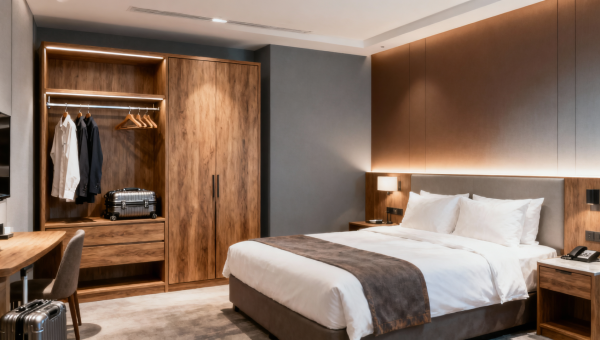
 Apr 21, 2026Open or closed hotel wardrobes for easier housekeeping?Hotel wardrobes affect housekeeping speed, guest appeal, and hospitality procurement. Compare open vs closed designs for hotel furniture, luxury furniture, and hotel room furniture planning.● Hospitality Sourcing Dir
 Apr 21, 2026Hotel wardrobes that fit luggage without wasting spaceHotel wardrobes that fit luggage smartly without wasting space—explore hotel furniture solutions that elevate hotel room furniture, support hospitality procurement, and enhance guest comfort.● Hospitality Sourcing Dir
 Apr 21, 2026Why hotel room furniture wears unevenly after openingHotel furniture wear starts unevenly from day one. Learn how hotel beds, hotel chairs, hotel desks and hotel room furniture perform in real use, with smart hospitality procurement tips.● Hospitality Sourcing Dir
 Apr 21, 2026Hotel room furniture packages that cut design mismatchHotel room furniture packages align hotel furniture, hotel beds, hotel chairs, hotel tables, and hotel desks with luxury furniture standards—reducing design mismatch and speeding hospitality procurement.● Hospitality Sourcing Dir
 Apr 21, 2026Low seat or deep seat hotel sofas for modern lobbies?Hotel furniture buyers compare low seat and deep seat hotel sofas for modern lobbies. Explore luxury furniture choices that improve comfort, traffic flow, brand image, and hospitality procurement value.● Hospitality Sourcing Dir
 Apr 21, 2026Hotel sofas that keep their shape in high traffic areasHotel sofas, hotel furniture, and hospitality furniture that keep shape in high-traffic areas—discover luxury furniture sourcing tips, durable commercial furniture specs, and smarter hospitality procurement.● Hospitality Sourcing Dir
 Apr 21, 2026Why hospitality furniture needs different specs by zoneHospitality furniture specs vary by zone. Learn how hotel furniture, hotel beds, hotel chairs, hotel tables, and hotel desks improve durability, ROI, and luxury guest experience.● Hospitality Sourcing Dir
 Apr 21, 2026Hospitality furniture that supports faster room turnoverHospitality furniture that speeds room turnover: compare hotel beds, hotel chairs, hotel tables, hotel desks and hotel sofas for easier cleaning, durability, and smarter hospitality procurement.● Hospitality Sourcing Dir
 Apr 21, 2026Where hotel equipment budgets usually go off trackHotel furniture and hotel equipment budgets often fail from hidden scope, logistics, and lifecycle costs. Learn smarter hospitality procurement for hotel beds, chairs, tables, and luxury furniture.● Hospitality Sourcing Dir
 Apr 21, 2026Hotel equipment upgrades that improve guest flow firstHotel equipment upgrades improve guest flow fast with hotel furniture, hotel beds, hotel chairs, catering equipment, and soundproofing materials—boost comfort, efficiency, and procurement ROI.● Hospitality Sourcing Dir
 Apr 21, 2026What shortens the life of commercial furniture in hotelsHotel furniture and commercial furniture wear out fast when hotel beds, hotel chairs, hotel tables, hotel desks, and hotel sofas face heavy use, poor maintenance, and weak materials. Learn smart hospitality procurement tips.● Hospitality Sourcing Dir
 Apr 21, 2026Commercial furniture trends hotels are actually adoptingCommercial furniture trends hotels are adopting: luxury furniture, hotel beds, hotel chairs, hotel tables and hotel sofas that improve hotel furniture sourcing, durability, and hospitality procurement value.● Hospitality Sourcing Dir
 Apr 21, 2026How to spot hotel furniture built for daily wearHotel furniture buying guide: learn how to assess hotel beds, hotel chairs, hotel tables, and hospitality furniture for daily wear, lower maintenance, and smarter hospitality procurement.● Hospitality Sourcing Dir
 Apr 21, 2026Hotel furniture mistakes that age a room too quicklyHotel furniture buying guide: avoid costly hotel beds, hotel chairs, and hotel room furniture mistakes. Discover luxury furniture tips for durable, brand-right hospitality procurement.● Hospitality Sourcing Dir
 Apr 21, 2026Why some soundproofing materials fail after installationLearn why soundproofing materials fail after installation in hotel furniture projects. Explore hotel beds, hotel sofas, hotel wardrobes and hospitality procurement tips for lasting acoustic performance.● Hospitality Sourcing Dir
 Apr 21, 2026Soundproofing materials that work best between guest roomsSoundproofing materials for hotel furniture projects: discover the best systems between guest rooms, from mineral wool to acoustic doors, to improve comfort, protect reviews, and support hospitality procurement.● Hospitality Sourcing Dir
 Apr 21, 2026How firm should hotel beds be for mixed guest profiles?Hotel beds for mixed guest profiles: learn how hotel furniture and hospitality procurement teams balance comfort, durability, and luxury furniture standards to improve guest satisfaction.● Hospitality Sourcing Dir