Hospitality Procurement Red Flags to Watch
In hospitality procurement, small warning signs can lead to major cost, compliance, and brand risks. From unreliable hotel sofas and hotel room furniture suppliers to overlooked quality issues in park trash cans, playground planning, playground surfacing, and playground safety surfacing, buyers must assess every detail carefully. This guide helps procurement teams, distributors, and evaluators identify red flags early while comparing global sourcing options across commercial experience sectors.
For buyers working across hotels, leisure parks, sports-entertainment venues, and mixed-use destinations, procurement errors rarely stay isolated. A poorly specified seating package can raise maintenance costs within 6 to 12 months. Inadequate playground surfacing can trigger safety disputes immediately after installation. Long replacement cycles for park fixtures or guest-room furniture can also disrupt seasonal revenue, distributor relationships, and renovation schedules.
The challenge is not only finding a competitive quote. It is evaluating whether a supplier can support design consistency, international compliance, production stability, packaging protection, and after-sales response across multiple commercial scenarios. In the sports and entertainment ecosystem, where guest experience, durability, and public safety intersect, procurement teams need a sharper method for spotting red flags before contracts are signed.
Why Procurement Red Flags Matter More in Hospitality and Leisure Projects
In a hotel, resort, family entertainment center, or amusement venue, procurement decisions influence both operations and perception. A sofa in a premium suite may be used hundreds of times per year, while park trash cans, benches, and public-area furniture can face heavy outdoor exposure 24/7. When buyers overlook durability, cleaning performance, or replacement planning, the hidden costs often exceed the initial savings by a wide margin.
Hospitality and entertainment projects are especially sensitive because many assets are visible to guests. Scratched finishes, unstable joints, uneven surfacing, or color mismatch can weaken brand positioning. For distributors and agents, inconsistent quality also creates channel risk. If 2 shipments out of 10 arrive with packaging damage or missing hardware, the downstream cost is not only rework but also trust loss with project owners.
Another reason red flags matter is timeline compression. Soft openings, phased renovations, and seasonal launches often leave only 8 to 16 weeks for sourcing, production, shipment, and installation. A supplier that cannot confirm lead time by material type, MOQ, or production slot may become a bottleneck. This is common in custom hotel room furniture, outdoor leisure fixtures, and multi-material children’s play equipment.
Common risk zones across sports and entertainment procurement
- Guest-room furniture where frame strength, upholstery abrasion resistance, and fire-related material requirements must align with project grade.
- Outdoor park and leisure fixtures where UV exposure, corrosion, drainage, and anchor stability affect service life over 3 to 5 years.
- Playground planning packages where layout flow, fall zones, age segmentation, and maintenance access are often underestimated.
- Safety surfacing systems where thickness, shock absorption range, and sub-base preparation determine long-term usability.
What buyers should verify before supplier shortlisting
Before requesting final quotes, procurement teams should verify at least 4 basics: material specification clarity, production capacity by month, packaging method for long-haul transport, and documented quality control stages. If a supplier cannot explain these points in concrete terms, that alone is a warning sign. Serious suppliers usually provide measurable tolerances, standard finish options, and realistic lead-time windows rather than vague promises.
The table below summarizes how minor procurement oversights can become major commercial issues in hotels, parks, and leisure environments.
The key takeaway is simple: visible products and public-use systems deserve the same level of scrutiny as back-end infrastructure. In sports and entertainment developments, product failure is rarely hidden, and the recovery cost often multiplies once installation is complete.
Supplier Red Flags: From Hotel Room Furniture to Outdoor Park Fixtures
One of the most common hospitality procurement mistakes is selecting suppliers based mainly on unit price. Low pricing can be legitimate, but buyers should investigate how that pricing is achieved. In hotel room furniture sourcing, hidden reductions often appear in substrate quality, hardware grade, finish thickness, or carton protection. In outdoor leisure products, savings may come from lighter-gauge metal, lower coating resistance, or simplified internal reinforcement.
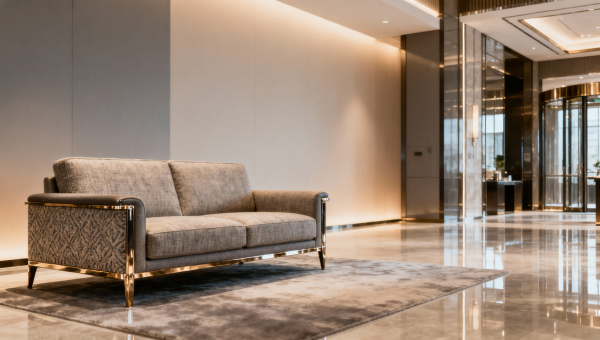
A reliable supplier should be able to explain how product construction supports the intended use cycle. For example, a lobby sofa, guest-room bench, and stadium-adjacent lounge seat are not interchangeable despite similar appearance. Their wear exposure, cleaning chemistry, and user turnover differ. If a vendor offers the same structure for all three applications without adjustment, buyers should pause and ask more questions.
Communication quality is another early signal. If technical replies take more than 3 to 5 working days, drawings are incomplete, or finish samples arrive without labeling, the issue is not only inconvenience. It may indicate weak internal process control. This matters even more for distributors who must relay accurate information to local buyers, installers, and project managers.
Red flags in quotation and specification documents
Procurement teams should read quotations beyond the total amount. A useful quotation should identify dimensions, material grades, finish type, color reference, packing method, lead time, and warranty scope. When those fields are missing, later disputes become hard to resolve. This is especially risky for custom furniture packages and playground planning projects that involve multiple components and phased installation.
- Dimensions shown without tolerance ranges, which can create fit issues during room installation or anchor positioning.
- Material descriptions such as “solid wood,” “premium steel,” or “commercial foam” without thickness, density, or species details.
- Warranty terms that cover only manufacturing defects but exclude finish failure, hardware loosening, or outdoor corrosion.
- Lead times listed as “about 30 days” with no breakdown for sampling, production, or loading.
A practical supplier evaluation matrix
To reduce sourcing risk, procurement and commercial evaluation teams can compare suppliers using a weighted matrix. This approach works well when selecting hotel room furniture suppliers, park equipment partners, or surfacing contractors across more than 1 market.
This matrix helps buyers compare suppliers on evidence rather than presentation. It is particularly effective when multiple stakeholders are involved, such as procurement heads, operations teams, designers, and channel partners evaluating the same vendor from different perspectives.
Technical and Safety Warning Signs in Playground Planning and Surfacing
In the sports and entertainment sector, playground planning is often treated as a design exercise when it should be handled as a risk-managed system. Layout, user flow, age segmentation, access control, drainage, and maintenance routes all influence long-term performance. A supplier that focuses only on colorful renderings but avoids technical discussion may not be ready for commercial-grade delivery.
Playground surfacing deserves special scrutiny. Buyers should ask how the surface type matches the intended fall height, climate, cleaning demand, and expected daily traffic. In hospitality resorts, mixed-use leisure parks, and family recreation zones, typical traffic can fluctuate sharply between weekdays and holiday peaks. A surface that performs well at low traffic may degrade quickly under seasonal surges.
Sub-base preparation is another under-discussed issue. Even when the top surfacing material is acceptable, poor sub-base leveling or drainage can shorten service life. Water pooling, edge lifting, and uneven settlement may appear within the first 3 to 9 months if the preparation standard is weak. For evaluators and distributors, this is a critical point because post-installation failures are costly to trace and resolve.
Questions buyers should ask about safety surfacing
- What thickness range is recommended for the intended equipment zone, and how does it change by fall height?
- How does the surface behave under UV, rainfall, freeze-thaw conditions, or high-temperature exposure?
- What maintenance interval is expected: weekly cleaning, monthly inspection, or annual repair review?
- Can the supplier explain seam treatment, edge transitions, and drainage pathways in writing?
A comparison of common planning and surfacing concerns
The table below outlines typical technical concerns procurement teams should compare when evaluating playground planning and playground safety surfacing proposals.
A well-planned system is usually easier to maintain, safer to operate, and less expensive to repair over time. Procurement teams should not separate playground equipment, surfacing, and drainage into isolated purchasing decisions if the venue depends on consistent guest experience and public-use safety.
Delivery, Quality Control, and After-Sales Risks That Buyers Often Miss
Many procurement problems start after the supplier has already been approved. Delivery planning, inspection discipline, packaging quality, and spare-part availability are frequent blind spots. In hotel and entertainment projects, the cost of post-delivery failure can be 2 to 4 times higher than correcting the issue before production. That is why strong buyers treat logistics and after-sales capability as part of sourcing, not as separate downstream tasks.
For hotel room furniture and upholstered seating, buyers should confirm whether pre-shipment checks include finish consistency, hardware completeness, carton labeling, and assembly instructions. For park fixtures and outdoor leisure products, inspection should also cover coating uniformity, weld quality, fastener pack separation, and anchoring components. If a supplier cannot define inspection checkpoints at the sample, in-line, and final stages, the risk of inconsistent shipments rises significantly.
After-sales planning matters equally. A resort, leisure park, or entertainment venue cannot wait 45 days for a minor replacement part during peak season. Buyers should ask what spare parts can be stocked, what the complaint response window looks like, and whether photo-based triage is available within 24 to 72 hours. These details are often more valuable than a broad warranty statement with limited practical support.
A 5-step control process for lower procurement risk
- Lock technical specifications before deposit payment, including dimensions, finishes, packaging, and replacement-part scope.
- Approve a control sample or pilot piece for all critical materials, especially upholstery, painted metal, and outdoor-use plastics.
- Conduct at least 3 QC checkpoints: raw-material review, in-process inspection, and final pre-loading inspection.
- Confirm packing marks, carton sequence, and installation kit completeness before container loading.
- Define after-sales escalation timing, ideally with first response in 1–3 working days and resolution path by issue type.
What a stable post-delivery plan should include
Distributors, agents, and procurement leaders should align on service expectations before shipment. This is especially important for cross-border projects where local labor cost, customs delay, and reinstallation time can quickly affect budget. A structured service plan can reduce disruption even when small defects occur.
The most resilient suppliers usually provide service documentation, replacement-part logic, and realistic turnaround guidance rather than open-ended assurances. In commercial experience projects, responsiveness and clarity often determine whether a problem stays manageable or becomes a contract dispute.
How Procurement Teams, Evaluators, and Distributors Can Make Better Sourcing Decisions
The best procurement practice is not simply risk avoidance. It is structured comparison. Buyers in the sports and entertainment space should evaluate products by use intensity, environment, safety exposure, design requirement, and service support. A hotel sofa for a luxury suite, a public-area bench in a leisure complex, and a playground safety surfacing system each require different decision priorities even when sourced under one project umbrella.
For research-driven buyers, market intelligence matters because supplier capability is not uniform across categories. Some factories perform well in OEM furniture but lack outdoor engineering knowledge. Others are strong in steel park fixtures but weak in finish consistency or hospitality-grade packaging. Evaluators should therefore compare category-specific competence rather than assuming a general supplier can support every line item at the same standard.
This is where a focused sourcing platform brings practical value. By consolidating category insights across hotel and catering equipment, amusement and leisure parks, and related commercial experience sectors, GCT helps buyers reduce screening time and ask better questions earlier. That is useful not only for direct procurement teams but also for distributors and agents building portfolios that must balance design appeal, operational durability, and sourcing reliability.
FAQ for commercial buyers and channel partners
How long should buyers expect for custom hotel furniture or leisure fixtures?
For standard commercial items, lead times may fall within 3 to 6 weeks. For custom hospitality furniture, mixed-material casegoods, or integrated park packages, a more realistic range is 8 to 16 weeks depending on sampling, finish approval, and shipping mode. Buyers should request a breakdown by phase instead of relying on a single headline date.
What are the most important indicators when comparing suppliers?
Four practical indicators are specification clarity, response speed, QC structure, and post-delivery support. Price remains important, but when two quotations are within 5% to 10% of each other, the supplier with better documentation and service discipline often delivers lower total cost over the project lifecycle.
What is a common mistake in playground planning procurement?
A frequent mistake is approving layout visuals before reviewing age zoning, fall areas, drainage, and maintenance routes. The project may look attractive on paper but perform poorly under daily use. Commercial buyers should confirm operational logic and installation detail at the same time as aesthetic review.
How should distributors reduce risk when adding new suppliers?
Start with a smaller pilot order, request complete technical documentation, and test the supplier’s response during sample revision. A distributor should also check packaging discipline and spare-part handling before scaling to large-volume orders. In many cases, the supplier’s process behavior during the first 30 days reveals more than the quotation itself.
Hospitality procurement red flags are rarely hidden in one dramatic failure. More often, they appear as small inconsistencies in specifications, communication, technical logic, packaging, installation planning, or after-sales support. For hotels, resorts, amusement venues, and public leisure environments, these warning signs can affect safety, brand perception, maintenance cost, and launch timing.
A disciplined sourcing process helps buyers compare hotel sofas, hotel room furniture suppliers, park trash cans, playground planning services, and playground safety surfacing systems with greater confidence. By using category-specific evaluation criteria and stronger supplier screening, procurement teams can protect both project budgets and guest experience outcomes.
If you are reviewing suppliers, planning a new venue, or comparing global sourcing options across hospitality and commercial experience sectors, connect with GCT to explore tailored sourcing intelligence, product guidance, and market-focused support. Contact us today to discuss your project requirements, request a customized solution, or learn more about practical procurement strategies for sports and entertainment environments.
Search News
Hot Articles
- Pro Stage AudioFIFA Adopts Chinese Mini-LED Displays for 2026 World Cup VAR SystemApr 24, 2026
- Outdoor RidesChina FA Warns Nanjing City Over Fan Conduct; ISO 20785 Compliance AcceleratesApr 24, 2026
- Pro Stage AudioFan Zhendong Visits Silicon Valley as MLTT Investor, AI Ping-Pong Tech Draws US InterestApr 24, 2026
Popular Tags
Need ExpertConsultation?
Connect with our specialized leisureengineering team for procurementstrategies.
Recommended News
 Apr 10, 2026RCEP Cuts ASEAN Hotel Furniture Tariffs to 0% for Chinese Bamboo ProductsRCEP cuts ASEAN hotel furniture tariffs to 0% for Chinese bamboo products. Explore how this benefits exporters, procurement teams & supply chains in Southeast Asia's booming hospitality sector.● Hospitality Sourcing Dir
 Apr 10, 2026US Hotel Association Updates 2026 Smart Room Tech Guidelines, Mandates UL 2900-2-2 CertificationUS Hotel Association mandates UL 2900-2-2 certification for smart room tech by 2026. Learn how this impacts IoT manufacturers and hotel chains' procurement strategies.● Hospitality Sourcing Dir
 Apr 10, 2026EU Mandates QR Codes for Hotel Linens: China Exporters Must Comply by April 2026EU mandates QR codes for hotel linens by 2026, impacting China's textile exporters. Learn compliance requirements for traceability, sustainability reporting, and supply chain adaptation.● Hospitality Sourcing Dir
 Apr 09, 2026Zibo Launches 'Treasure Shandong Through the Lens' Photo Tour, Themed Homestays Emerge as Cross-Border Marketing ToolDiscover Zibo's 'Treasure Shandong Through the Lens' photo tour featuring 32 themed homestays blending vintage cameras, Hanfu culture & industrial spaces. A groundbreaking cross-border marketing model attracting global influencers & platforms like Rakuten Travel.● Hospitality Sourcing Dir
 Apr 09, 2026Yangzhou Slender West Lake Flower Festival Opens, Blending Heritage and Tech for Luxury TourismDiscover the 2026 Yangzhou Slender West Lake Flower Festival, blending heritage crafts with AR technology for luxury tourism. Experience cultural performances, workshops, and themed stays attracting global travelers. Explore China's new era of experiential tourism.● Hospitality Sourcing Dir
 Apr 09, 2026New Team Travel Contracts Raise Compliance Standards for Overseas AgenciesNew team travel contracts enforce stricter compliance for overseas agencies, requiring rigorous vetting of Chinese suppliers. Learn how these 2026 regulations impact study tours, hotels, and global partnerships.● Hospitality Sourcing Dir
 Apr 09, 2026Shangyou County's Hotel Subsidy Policy Boosts China's MICE Tourism AppealShangyou County's 2026 hotel subsidy policy offers RMB 100 per room for MICE tourism, boosting China's appeal to international buyers. Discover how this strategic move enhances cost-effective accommodations for corporate events and study tours.● Hospitality Sourcing Dir
 Apr 21, 2026Open or closed hotel wardrobes for easier housekeeping?Hotel wardrobes affect housekeeping speed, guest appeal, and hospitality procurement. Compare open vs closed designs for hotel furniture, luxury furniture, and hotel room furniture planning.● Hospitality Sourcing Dir
 Apr 21, 2026Hotel wardrobes that fit luggage without wasting spaceHotel wardrobes that fit luggage smartly without wasting space—explore hotel furniture solutions that elevate hotel room furniture, support hospitality procurement, and enhance guest comfort.● Hospitality Sourcing Dir
 Apr 21, 2026Why hotel room furniture wears unevenly after openingHotel furniture wear starts unevenly from day one. Learn how hotel beds, hotel chairs, hotel desks and hotel room furniture perform in real use, with smart hospitality procurement tips.● Hospitality Sourcing Dir
 Apr 21, 2026Hotel room furniture packages that cut design mismatchHotel room furniture packages align hotel furniture, hotel beds, hotel chairs, hotel tables, and hotel desks with luxury furniture standards—reducing design mismatch and speeding hospitality procurement.● Hospitality Sourcing Dir
 Apr 21, 2026Low seat or deep seat hotel sofas for modern lobbies?Hotel furniture buyers compare low seat and deep seat hotel sofas for modern lobbies. Explore luxury furniture choices that improve comfort, traffic flow, brand image, and hospitality procurement value.● Hospitality Sourcing Dir
 Apr 21, 2026Hotel sofas that keep their shape in high traffic areasHotel sofas, hotel furniture, and hospitality furniture that keep shape in high-traffic areas—discover luxury furniture sourcing tips, durable commercial furniture specs, and smarter hospitality procurement.● Hospitality Sourcing Dir
 Apr 21, 2026Why hospitality furniture needs different specs by zoneHospitality furniture specs vary by zone. Learn how hotel furniture, hotel beds, hotel chairs, hotel tables, and hotel desks improve durability, ROI, and luxury guest experience.● Hospitality Sourcing Dir
 Apr 21, 2026Hospitality furniture that supports faster room turnoverHospitality furniture that speeds room turnover: compare hotel beds, hotel chairs, hotel tables, hotel desks and hotel sofas for easier cleaning, durability, and smarter hospitality procurement.● Hospitality Sourcing Dir
 Apr 21, 2026Where hotel equipment budgets usually go off trackHotel furniture and hotel equipment budgets often fail from hidden scope, logistics, and lifecycle costs. Learn smarter hospitality procurement for hotel beds, chairs, tables, and luxury furniture.● Hospitality Sourcing Dir
 Apr 21, 2026Hotel equipment upgrades that improve guest flow firstHotel equipment upgrades improve guest flow fast with hotel furniture, hotel beds, hotel chairs, catering equipment, and soundproofing materials—boost comfort, efficiency, and procurement ROI.● Hospitality Sourcing Dir
 Apr 21, 2026What shortens the life of commercial furniture in hotelsHotel furniture and commercial furniture wear out fast when hotel beds, hotel chairs, hotel tables, hotel desks, and hotel sofas face heavy use, poor maintenance, and weak materials. Learn smart hospitality procurement tips.● Hospitality Sourcing Dir
 Apr 21, 2026Commercial furniture trends hotels are actually adoptingCommercial furniture trends hotels are adopting: luxury furniture, hotel beds, hotel chairs, hotel tables and hotel sofas that improve hotel furniture sourcing, durability, and hospitality procurement value.● Hospitality Sourcing Dir
 Apr 21, 2026How to spot hotel furniture built for daily wearHotel furniture buying guide: learn how to assess hotel beds, hotel chairs, hotel tables, and hospitality furniture for daily wear, lower maintenance, and smarter hospitality procurement.● Hospitality Sourcing Dir
 Apr 21, 2026Hotel furniture mistakes that age a room too quicklyHotel furniture buying guide: avoid costly hotel beds, hotel chairs, and hotel room furniture mistakes. Discover luxury furniture tips for durable, brand-right hospitality procurement.● Hospitality Sourcing Dir
 Apr 21, 2026Why some soundproofing materials fail after installationLearn why soundproofing materials fail after installation in hotel furniture projects. Explore hotel beds, hotel sofas, hotel wardrobes and hospitality procurement tips for lasting acoustic performance.● Hospitality Sourcing Dir
 Apr 21, 2026Soundproofing materials that work best between guest roomsSoundproofing materials for hotel furniture projects: discover the best systems between guest rooms, from mineral wool to acoustic doors, to improve comfort, protect reviews, and support hospitality procurement.● Hospitality Sourcing Dir
 Apr 21, 2026How firm should hotel beds be for mixed guest profiles?Hotel beds for mixed guest profiles: learn how hotel furniture and hospitality procurement teams balance comfort, durability, and luxury furniture standards to improve guest satisfaction.● Hospitality Sourcing Dir