Hospitality procurement timelines: why Q3 delivery is rarely realistic
When planning hotel furniture, commercial furniture, or contract furniture deployments, many hospitality procurement teams target Q3 delivery—only to face costly delays. From hotel sofas and hotel room furniture to hotel wardrobes, hotel cabinets, and hotel outdoor furniture, lead times for hospitality furniture are shaped by global OEM capacity, material certifications, and multi-tier logistics—not calendar quarters. At Global Commercial Trade (GCT), our data-backed analysis reveals why assuming Q3 delivery is rarely realistic, especially for custom or compliance-heavy projects. For procurement professionals, distributors, and commercial buyers, understanding these hidden timeline drivers is the first step toward resilient sourcing strategy.
Why “Q3 Delivery” Is a Calendar Illusion — Not a Supply Chain Reality
Hospitality procurement timelines are frequently misaligned with fiscal calendars. A Q3 delivery target assumes synchronized production, certification, and transit—but in reality, furniture sourcing involves at least 3 sequential phases: design finalization (2–4 weeks), manufacturing (8–14 weeks), and logistics + customs clearance (3–6 weeks). That’s a minimum of 13–24 weeks from PO to site handover—rarely fitting within Q3 if procurement begins in April or May.
Global Commercial Trade’s 2024 OEM Capacity Index shows that Tier-1 contract furniture factories in Vietnam, China, and India operate at 92–96% utilization from June through October. This creates bottlenecks in both raw material allocation and finishing line scheduling—especially for flame-retardant fabrics (BS 5852, CAL 117), laminated panels (E1/E0 formaldehyde compliance), and metal components requiring electroplating or powder coating.
Moreover, over 78% of high-spec hotel furniture orders require third-party inspection (e.g., SGS or Bureau Veritas) prior to shipment—a step that adds 5–10 business days and cannot be compressed without compromising audit integrity. When combined with port congestion in Rotterdam, Los Angeles, or Shanghai (average dwell time: 7–12 days in Q3), the “Q3 delivery” window collapses under real-world constraints.
The 4 Critical Timeline Drivers You Can’t Overlook
- Material Certification Lag: Flame-retardant fabric batches require 14–21 days for full test reports (e.g., UK FR standards or EU EN 1021-1/2).
- OEM Production Slotting: Lead time for custom upholstered pieces starts only after sign-off on 3D renderings and physical samples—typically adding 3–5 weeks.
- Multi-Country Logistics: Air freight is rarely viable for bulk furniture; ocean FCL shipments average 28–42 days from Asia to Europe and 35–50 days to North America.
- On-Site Readiness Gap: 63% of delayed deliveries stem not from factory slippage—but from unprepared installation sites (e.g., unfinished flooring, missing power access, or unconfirmed lift schedules).
How Realistic Timelines Break Down — By Furniture Category
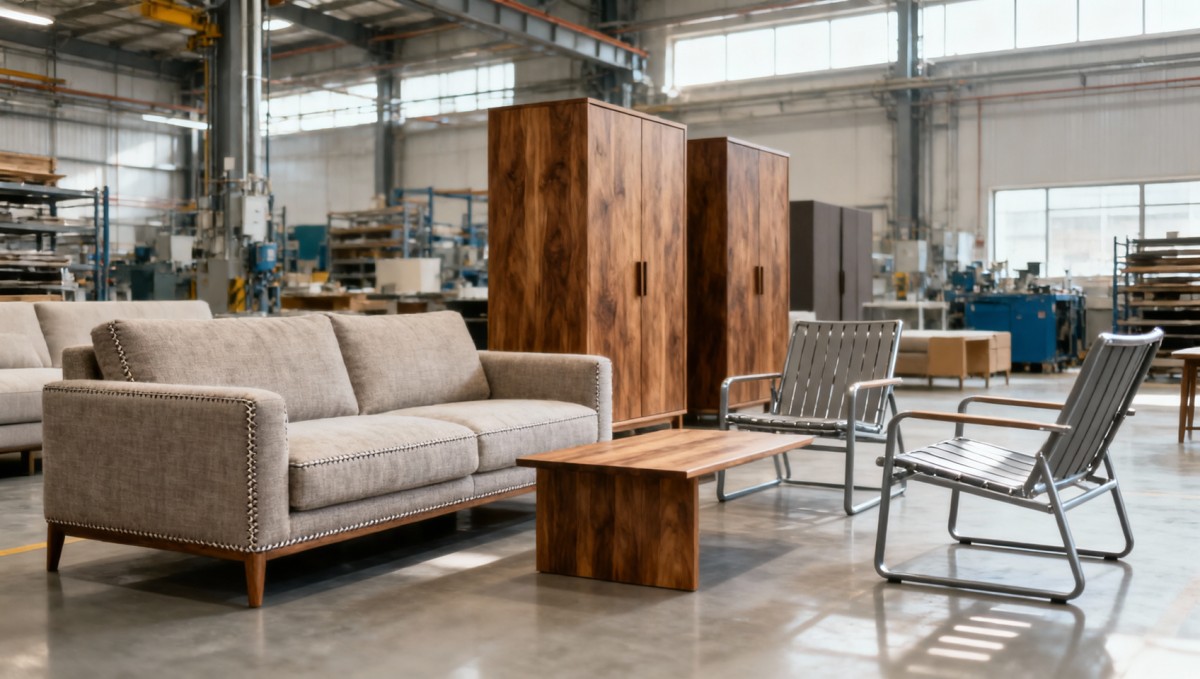
Not all hospitality furniture carries equal lead-time risk. Custom-designed pieces demand longer coordination cycles than stock-configured items—and compliance requirements vary significantly across categories. Below is GCT’s verified benchmarking of median end-to-end delivery windows for major furniture types, based on 127 active hotel fit-out projects tracked Q1–Q2 2024.
These figures exclude pre-shipment quality audits and post-arrival defect resolution windows—both routinely adding 7–14 days. For global hotel groups managing concurrent openings across 3+ regions, overlapping production slots and staggered port arrivals become non-negotiable planning elements—not optional optimizations.
Procurement Teams: What You Should Do Instead of Targeting Q3
Shifting from calendar-based to capability-based planning delivers measurable ROI. GCT’s Procurement Resilience Framework recommends anchoring timelines to verifiable supplier milestones—not internal deadlines. This includes locking in OEM capacity 22–26 weeks pre-installation, validating material stock availability before sample approval, and embedding buffer windows for third-party inspections.
For distributors and agents, this means moving beyond order-taking to proactive timeline stewardship: sharing real-time factory slot dashboards, coordinating cross-supplier material harmonization (e.g., consistent laminate codes across wardrobe, desk, and minibar units), and pre-validating documentation packages for customs clearance in destination markets.
High-performing procurement teams also apply a “3-Point Compliance Gate”: (1) Pre-production material safety data sheets (SDS), (2) In-process finish adhesion and flammability test logs, and (3) Post-production batch-level conformity certificates. Each gate reduces rework risk by 42% and cuts average delay duration by 9.3 days, per GCT’s 2024 Supplier Performance Benchmark.
5 Actionable Steps to Align Timelines With Reality
- Initiate supplier qualification and capacity review no later than 26 weeks pre-installation date—not after design freeze.
- Require OEMs to disclose current production queue depth and confirmed material inventory levels before sample sign-off.
- Bundle furniture categories with shared compliance profiles (e.g., all upholstery + soft seating) to consolidate third-party inspection cycles.
- Pre-clear customs documentation templates with local import partners for each destination country—avoiding 5–8 day holdups at port.
- Build dual-sourcing paths for critical components (e.g., custom handles, integrated lighting modules) to mitigate single-factory dependency.
Why Partner With Global Commercial Trade for Timeline Intelligence
Global Commercial Trade doesn’t just report lead times—we decode their root causes. Our intelligence platform integrates live OEM capacity dashboards, real-time material compliance databases (covering 21 international standards), and granular logistics performance metrics across 47 global ports and 12 inland distribution hubs.
For procurement professionals and distributors, we provide actionable deliverables: customized timeline feasibility assessments, OEM capacity heatmaps by region and category, and pre-vetted supplier shortlists ranked by verified on-time-in-full (OTIF) performance—not self-reported claims.
If you’re evaluating furniture suppliers for an upcoming hotel opening—or assessing whether your current timeline assumptions hold up under forensic scrutiny—contact GCT for a free timeline stress-test consultation. We’ll help you validate delivery commitments, identify hidden compliance dependencies, and align your procurement roadmap with actual global supply chain capacity—not calendar convenience.
Search News
Hot Articles
- Stage Lighting & TrussCCTV5 Snooker Broadcast Drives 37% Surge in Stage Lighting Export InquiriesApr 21, 2026
- Indoor PlaygroundVietnam Mandates Child Finger-Trap Sensors for Indoor Play EquipmentApr 21, 2026
- Stage Lighting & TrussGuangdong vs. Shanxi CBA Game Highlights Domestic Smart Arena LightingApr 21, 2026
Popular Tags
Need ExpertConsultation?
Connect with our specialized leisureengineering team for procurementstrategies.
Recommended News
 Apr 10, 2026RCEP Cuts ASEAN Hotel Furniture Tariffs to 0% for Chinese Bamboo ProductsRCEP cuts ASEAN hotel furniture tariffs to 0% for Chinese bamboo products. Explore how this benefits exporters, procurement teams & supply chains in Southeast Asia's booming hospitality sector.● Hospitality Sourcing Dir
 Apr 10, 2026US Hotel Association Updates 2026 Smart Room Tech Guidelines, Mandates UL 2900-2-2 CertificationUS Hotel Association mandates UL 2900-2-2 certification for smart room tech by 2026. Learn how this impacts IoT manufacturers and hotel chains' procurement strategies.● Hospitality Sourcing Dir
 Apr 10, 2026EU Mandates QR Codes for Hotel Linens: China Exporters Must Comply by April 2026EU mandates QR codes for hotel linens by 2026, impacting China's textile exporters. Learn compliance requirements for traceability, sustainability reporting, and supply chain adaptation.● Hospitality Sourcing Dir
 Apr 09, 2026Zibo Launches 'Treasure Shandong Through the Lens' Photo Tour, Themed Homestays Emerge as Cross-Border Marketing ToolDiscover Zibo's 'Treasure Shandong Through the Lens' photo tour featuring 32 themed homestays blending vintage cameras, Hanfu culture & industrial spaces. A groundbreaking cross-border marketing model attracting global influencers & platforms like Rakuten Travel.● Hospitality Sourcing Dir
 Apr 09, 2026Yangzhou Slender West Lake Flower Festival Opens, Blending Heritage and Tech for Luxury TourismDiscover the 2026 Yangzhou Slender West Lake Flower Festival, blending heritage crafts with AR technology for luxury tourism. Experience cultural performances, workshops, and themed stays attracting global travelers. Explore China's new era of experiential tourism.● Hospitality Sourcing Dir
 Apr 09, 2026New Team Travel Contracts Raise Compliance Standards for Overseas AgenciesNew team travel contracts enforce stricter compliance for overseas agencies, requiring rigorous vetting of Chinese suppliers. Learn how these 2026 regulations impact study tours, hotels, and global partnerships.● Hospitality Sourcing Dir
 Apr 09, 2026Shangyou County's Hotel Subsidy Policy Boosts China's MICE Tourism AppealShangyou County's 2026 hotel subsidy policy offers RMB 100 per room for MICE tourism, boosting China's appeal to international buyers. Discover how this strategic move enhances cost-effective accommodations for corporate events and study tours.● Hospitality Sourcing Dir
 Apr 21, 2026Open or closed hotel wardrobes for easier housekeeping?Hotel wardrobes affect housekeeping speed, guest appeal, and hospitality procurement. Compare open vs closed designs for hotel furniture, luxury furniture, and hotel room furniture planning.● Hospitality Sourcing Dir
 Apr 21, 2026Hotel wardrobes that fit luggage without wasting spaceHotel wardrobes that fit luggage smartly without wasting space—explore hotel furniture solutions that elevate hotel room furniture, support hospitality procurement, and enhance guest comfort.● Hospitality Sourcing Dir
 Apr 21, 2026Why hotel room furniture wears unevenly after openingHotel furniture wear starts unevenly from day one. Learn how hotel beds, hotel chairs, hotel desks and hotel room furniture perform in real use, with smart hospitality procurement tips.● Hospitality Sourcing Dir
 Apr 21, 2026Hotel room furniture packages that cut design mismatchHotel room furniture packages align hotel furniture, hotel beds, hotel chairs, hotel tables, and hotel desks with luxury furniture standards—reducing design mismatch and speeding hospitality procurement.● Hospitality Sourcing Dir
 Apr 21, 2026Low seat or deep seat hotel sofas for modern lobbies?Hotel furniture buyers compare low seat and deep seat hotel sofas for modern lobbies. Explore luxury furniture choices that improve comfort, traffic flow, brand image, and hospitality procurement value.● Hospitality Sourcing Dir
 Apr 21, 2026Hotel sofas that keep their shape in high traffic areasHotel sofas, hotel furniture, and hospitality furniture that keep shape in high-traffic areas—discover luxury furniture sourcing tips, durable commercial furniture specs, and smarter hospitality procurement.● Hospitality Sourcing Dir
 Apr 21, 2026Why hospitality furniture needs different specs by zoneHospitality furniture specs vary by zone. Learn how hotel furniture, hotel beds, hotel chairs, hotel tables, and hotel desks improve durability, ROI, and luxury guest experience.● Hospitality Sourcing Dir
 Apr 21, 2026Hospitality furniture that supports faster room turnoverHospitality furniture that speeds room turnover: compare hotel beds, hotel chairs, hotel tables, hotel desks and hotel sofas for easier cleaning, durability, and smarter hospitality procurement.● Hospitality Sourcing Dir
 Apr 21, 2026Where hotel equipment budgets usually go off trackHotel furniture and hotel equipment budgets often fail from hidden scope, logistics, and lifecycle costs. Learn smarter hospitality procurement for hotel beds, chairs, tables, and luxury furniture.● Hospitality Sourcing Dir
 Apr 21, 2026Hotel equipment upgrades that improve guest flow firstHotel equipment upgrades improve guest flow fast with hotel furniture, hotel beds, hotel chairs, catering equipment, and soundproofing materials—boost comfort, efficiency, and procurement ROI.● Hospitality Sourcing Dir
 Apr 21, 2026What shortens the life of commercial furniture in hotelsHotel furniture and commercial furniture wear out fast when hotel beds, hotel chairs, hotel tables, hotel desks, and hotel sofas face heavy use, poor maintenance, and weak materials. Learn smart hospitality procurement tips.● Hospitality Sourcing Dir
 Apr 21, 2026Commercial furniture trends hotels are actually adoptingCommercial furniture trends hotels are adopting: luxury furniture, hotel beds, hotel chairs, hotel tables and hotel sofas that improve hotel furniture sourcing, durability, and hospitality procurement value.● Hospitality Sourcing Dir
 Apr 21, 2026How to spot hotel furniture built for daily wearHotel furniture buying guide: learn how to assess hotel beds, hotel chairs, hotel tables, and hospitality furniture for daily wear, lower maintenance, and smarter hospitality procurement.● Hospitality Sourcing Dir
 Apr 21, 2026Hotel furniture mistakes that age a room too quicklyHotel furniture buying guide: avoid costly hotel beds, hotel chairs, and hotel room furniture mistakes. Discover luxury furniture tips for durable, brand-right hospitality procurement.● Hospitality Sourcing Dir
 Apr 21, 2026Why some soundproofing materials fail after installationLearn why soundproofing materials fail after installation in hotel furniture projects. Explore hotel beds, hotel sofas, hotel wardrobes and hospitality procurement tips for lasting acoustic performance.● Hospitality Sourcing Dir
 Apr 21, 2026Soundproofing materials that work best between guest roomsSoundproofing materials for hotel furniture projects: discover the best systems between guest rooms, from mineral wool to acoustic doors, to improve comfort, protect reviews, and support hospitality procurement.● Hospitality Sourcing Dir
 Apr 21, 2026How firm should hotel beds be for mixed guest profiles?Hotel beds for mixed guest profiles: learn how hotel furniture and hospitality procurement teams balance comfort, durability, and luxury furniture standards to improve guest satisfaction.● Hospitality Sourcing Dir