EU Mandates QR Codes for Hotel Linens: China Exporters Must Comply by April 2026
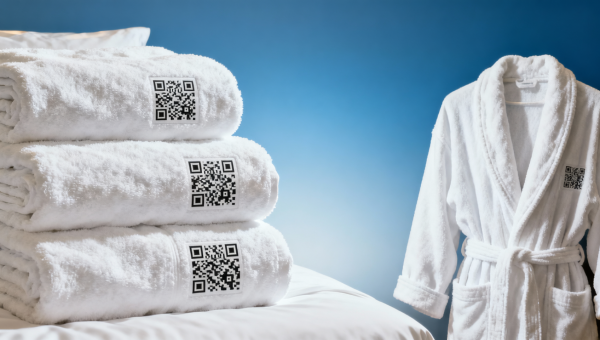
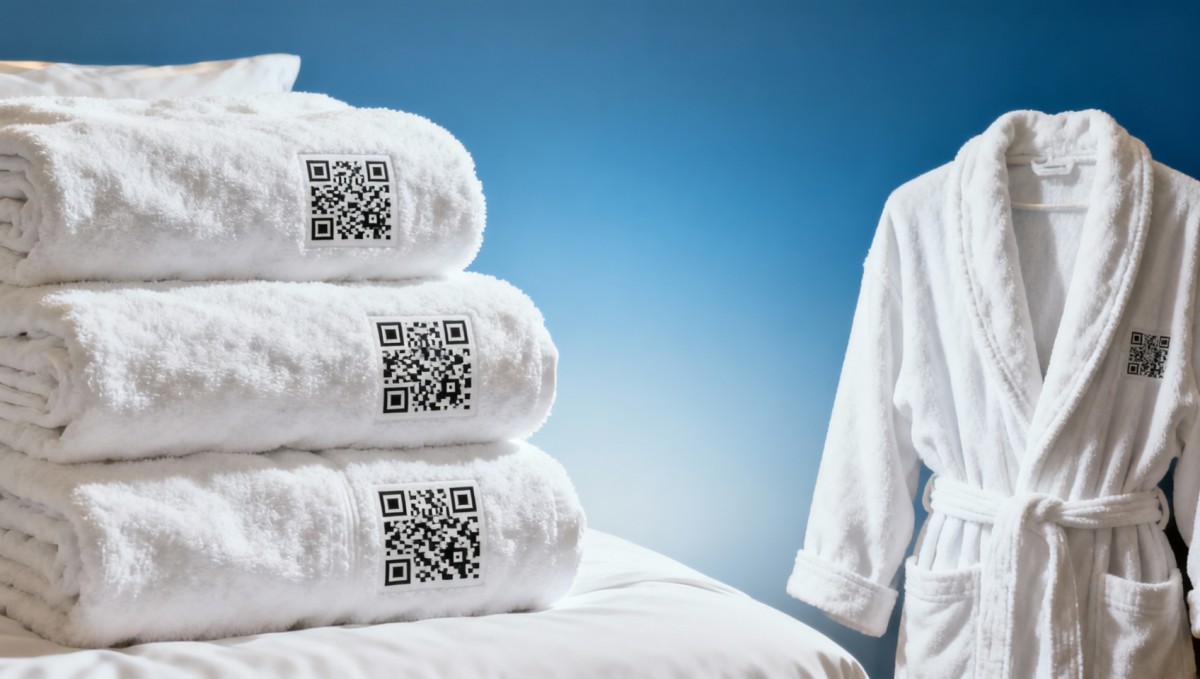
The European Commission has enacted supplementary provisions to the Eco-Design for Textiles Regulation, effective April 9, 2026, requiring hotel linens (e.g., bed sheets, towels, bathrobes) sold in the EU market to carry unique traceable QR codes linking to production batch, care labels, recycled fiber content, and carbon footprint data. This regulation directly impacts China’s hotel textile exporters, which account for 73% of global production capacity. Non-compliant products will face customs rejection or removal from shelves.
Event Overview
Starting April 2026, the EU mandates that all hotel textile products must display scannable QR codes containing traceability data. This applies to bed linens, bath towels, and robes imported into the EU. The regulation aims to enhance transparency in sustainability claims and supply chain accountability.
Impacted Sub-Sectors
Direct Exporters
Manufacturers and trading companies shipping hotel textiles to the EU must integrate QR code printing into production lines. Failure to comply risks shipment rejections, disrupting cash flow and client relationships.
Textile Processors
Dyeing, finishing, and embroidery units must adapt workflows to preserve QR code legibility during washing and treatment processes, potentially requiring new equipment or process audits.
Supply Chain Services
Logistics providers handling EU-bound shipments may face delays if documentation lacks QR code verification, necessitating closer coordination with exporters.
Key Action Points
Verify Technical Specifications
QR codes must meet ISO/IEC 18004 standards for durability after 50 industrial washes. Collaborate with printing technology providers for compliant solutions.
Documentation Preparedness
Compile batch-specific data (e.g., water consumption, dye chemicals) into standardized formats for QR code linking. Gap analysis of current record-keeping systems is advised.
Certification Timeline
Allow 6-8 months for testing and certification by EU-notified bodies, particularly for recycled content claims requiring third-party validation.
Industry Perspective
Analysis suggests this regulation accelerates the shift toward digital product passports in textiles. While initially targeting hotel linens, the framework may expand to other textile categories, making early adoption strategically valuable. The requirement for carbon footprint disclosure could reshape sourcing decisions toward low-emission suppliers.
Conclusion
This regulation represents a convergence of sustainability and digital traceability trends in textiles. Exporters should treat QR code implementation as both a compliance necessity and an opportunity to differentiate via transparent sustainability reporting.
Sources
- European Commission: Eco-Design for Textiles Regulation (2026 Amendment)
- Ongoing: Monitoring national-level enforcement guidelines (expected Q3 2025)
Search News
Hot Articles
- Stage Lighting & TrussCCTV5 Snooker Broadcast Drives 37% Surge in Stage Lighting Export InquiriesApr 21, 2026
- Indoor PlaygroundVietnam Mandates Child Finger-Trap Sensors for Indoor Play EquipmentApr 21, 2026
- Stage Lighting & TrussGuangdong vs. Shanxi CBA Game Highlights Domestic Smart Arena LightingApr 21, 2026
Popular Tags
Need ExpertConsultation?
Connect with our specialized leisureengineering team for procurementstrategies.
Recommended News
 Apr 10, 2026RCEP Cuts ASEAN Hotel Furniture Tariffs to 0% for Chinese Bamboo ProductsRCEP cuts ASEAN hotel furniture tariffs to 0% for Chinese bamboo products. Explore how this benefits exporters, procurement teams & supply chains in Southeast Asia's booming hospitality sector.● Hospitality Sourcing Dir
 Apr 10, 2026US Hotel Association Updates 2026 Smart Room Tech Guidelines, Mandates UL 2900-2-2 CertificationUS Hotel Association mandates UL 2900-2-2 certification for smart room tech by 2026. Learn how this impacts IoT manufacturers and hotel chains' procurement strategies.● Hospitality Sourcing Dir
 Apr 10, 2026EU Mandates QR Codes for Hotel Linens: China Exporters Must Comply by April 2026EU mandates QR codes for hotel linens by 2026, impacting China's textile exporters. Learn compliance requirements for traceability, sustainability reporting, and supply chain adaptation.● Hospitality Sourcing Dir
 Apr 09, 2026Zibo Launches 'Treasure Shandong Through the Lens' Photo Tour, Themed Homestays Emerge as Cross-Border Marketing ToolDiscover Zibo's 'Treasure Shandong Through the Lens' photo tour featuring 32 themed homestays blending vintage cameras, Hanfu culture & industrial spaces. A groundbreaking cross-border marketing model attracting global influencers & platforms like Rakuten Travel.● Hospitality Sourcing Dir
 Apr 09, 2026Yangzhou Slender West Lake Flower Festival Opens, Blending Heritage and Tech for Luxury TourismDiscover the 2026 Yangzhou Slender West Lake Flower Festival, blending heritage crafts with AR technology for luxury tourism. Experience cultural performances, workshops, and themed stays attracting global travelers. Explore China's new era of experiential tourism.● Hospitality Sourcing Dir
 Apr 09, 2026New Team Travel Contracts Raise Compliance Standards for Overseas AgenciesNew team travel contracts enforce stricter compliance for overseas agencies, requiring rigorous vetting of Chinese suppliers. Learn how these 2026 regulations impact study tours, hotels, and global partnerships.● Hospitality Sourcing Dir
 Apr 09, 2026Shangyou County's Hotel Subsidy Policy Boosts China's MICE Tourism AppealShangyou County's 2026 hotel subsidy policy offers RMB 100 per room for MICE tourism, boosting China's appeal to international buyers. Discover how this strategic move enhances cost-effective accommodations for corporate events and study tours.● Hospitality Sourcing Dir
 Apr 21, 2026Open or closed hotel wardrobes for easier housekeeping?Hotel wardrobes affect housekeeping speed, guest appeal, and hospitality procurement. Compare open vs closed designs for hotel furniture, luxury furniture, and hotel room furniture planning.● Hospitality Sourcing Dir
 Apr 21, 2026Hotel wardrobes that fit luggage without wasting spaceHotel wardrobes that fit luggage smartly without wasting space—explore hotel furniture solutions that elevate hotel room furniture, support hospitality procurement, and enhance guest comfort.● Hospitality Sourcing Dir
 Apr 21, 2026Why hotel room furniture wears unevenly after openingHotel furniture wear starts unevenly from day one. Learn how hotel beds, hotel chairs, hotel desks and hotel room furniture perform in real use, with smart hospitality procurement tips.● Hospitality Sourcing Dir
 Apr 21, 2026Hotel room furniture packages that cut design mismatchHotel room furniture packages align hotel furniture, hotel beds, hotel chairs, hotel tables, and hotel desks with luxury furniture standards—reducing design mismatch and speeding hospitality procurement.● Hospitality Sourcing Dir
 Apr 21, 2026Low seat or deep seat hotel sofas for modern lobbies?Hotel furniture buyers compare low seat and deep seat hotel sofas for modern lobbies. Explore luxury furniture choices that improve comfort, traffic flow, brand image, and hospitality procurement value.● Hospitality Sourcing Dir
 Apr 21, 2026Hotel sofas that keep their shape in high traffic areasHotel sofas, hotel furniture, and hospitality furniture that keep shape in high-traffic areas—discover luxury furniture sourcing tips, durable commercial furniture specs, and smarter hospitality procurement.● Hospitality Sourcing Dir
 Apr 21, 2026Why hospitality furniture needs different specs by zoneHospitality furniture specs vary by zone. Learn how hotel furniture, hotel beds, hotel chairs, hotel tables, and hotel desks improve durability, ROI, and luxury guest experience.● Hospitality Sourcing Dir
 Apr 21, 2026Hospitality furniture that supports faster room turnoverHospitality furniture that speeds room turnover: compare hotel beds, hotel chairs, hotel tables, hotel desks and hotel sofas for easier cleaning, durability, and smarter hospitality procurement.● Hospitality Sourcing Dir
 Apr 21, 2026Where hotel equipment budgets usually go off trackHotel furniture and hotel equipment budgets often fail from hidden scope, logistics, and lifecycle costs. Learn smarter hospitality procurement for hotel beds, chairs, tables, and luxury furniture.● Hospitality Sourcing Dir
 Apr 21, 2026Hotel equipment upgrades that improve guest flow firstHotel equipment upgrades improve guest flow fast with hotel furniture, hotel beds, hotel chairs, catering equipment, and soundproofing materials—boost comfort, efficiency, and procurement ROI.● Hospitality Sourcing Dir
 Apr 21, 2026What shortens the life of commercial furniture in hotelsHotel furniture and commercial furniture wear out fast when hotel beds, hotel chairs, hotel tables, hotel desks, and hotel sofas face heavy use, poor maintenance, and weak materials. Learn smart hospitality procurement tips.● Hospitality Sourcing Dir
 Apr 21, 2026Commercial furniture trends hotels are actually adoptingCommercial furniture trends hotels are adopting: luxury furniture, hotel beds, hotel chairs, hotel tables and hotel sofas that improve hotel furniture sourcing, durability, and hospitality procurement value.● Hospitality Sourcing Dir
 Apr 21, 2026How to spot hotel furniture built for daily wearHotel furniture buying guide: learn how to assess hotel beds, hotel chairs, hotel tables, and hospitality furniture for daily wear, lower maintenance, and smarter hospitality procurement.● Hospitality Sourcing Dir
 Apr 21, 2026Hotel furniture mistakes that age a room too quicklyHotel furniture buying guide: avoid costly hotel beds, hotel chairs, and hotel room furniture mistakes. Discover luxury furniture tips for durable, brand-right hospitality procurement.● Hospitality Sourcing Dir
 Apr 21, 2026Why some soundproofing materials fail after installationLearn why soundproofing materials fail after installation in hotel furniture projects. Explore hotel beds, hotel sofas, hotel wardrobes and hospitality procurement tips for lasting acoustic performance.● Hospitality Sourcing Dir
 Apr 21, 2026Soundproofing materials that work best between guest roomsSoundproofing materials for hotel furniture projects: discover the best systems between guest rooms, from mineral wool to acoustic doors, to improve comfort, protect reviews, and support hospitality procurement.● Hospitality Sourcing Dir
 Apr 21, 2026How firm should hotel beds be for mixed guest profiles?Hotel beds for mixed guest profiles: learn how hotel furniture and hospitality procurement teams balance comfort, durability, and luxury furniture standards to improve guest satisfaction.● Hospitality Sourcing Dir