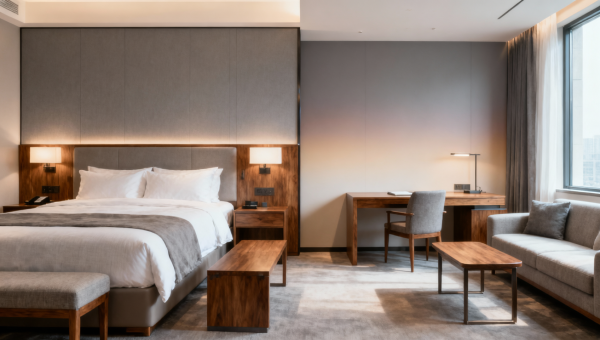
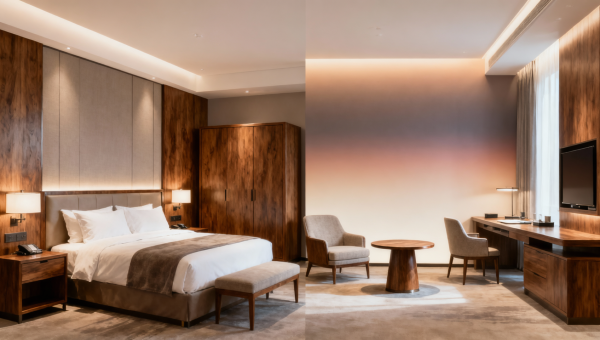
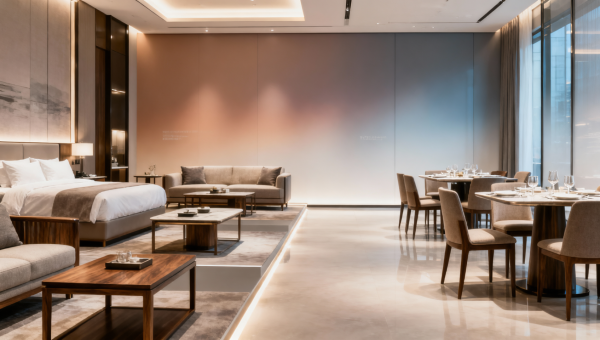
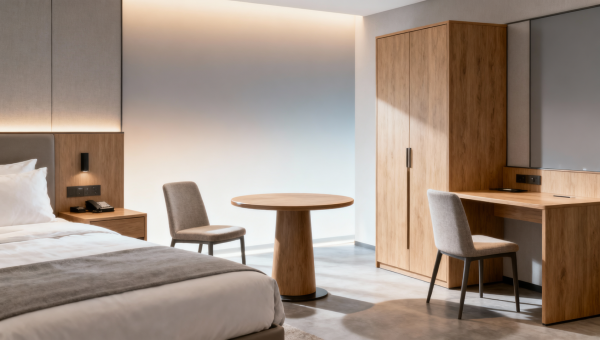
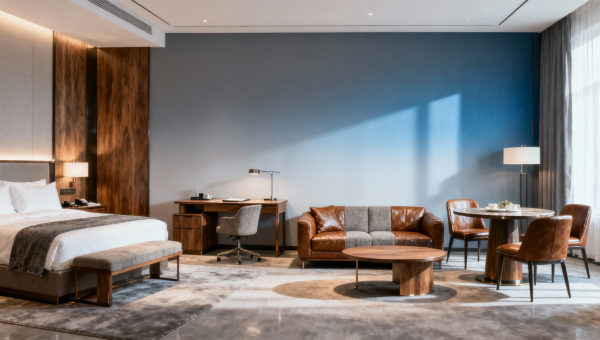
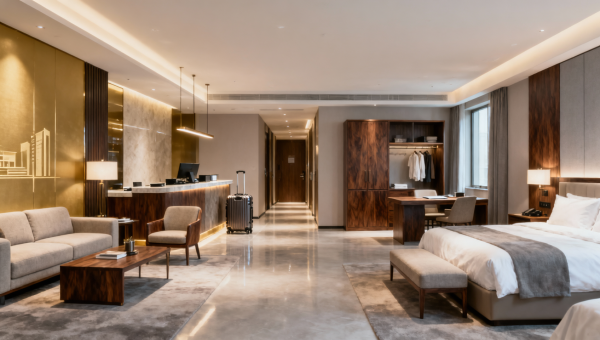
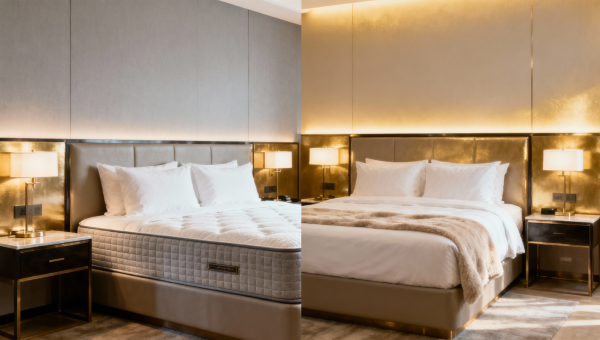
Hospitality furniture trends shifting in 2026: less wood, more modular
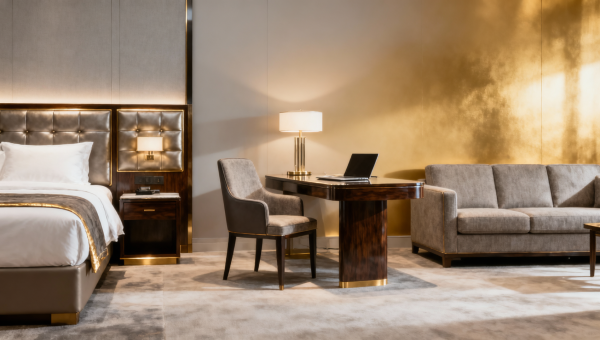
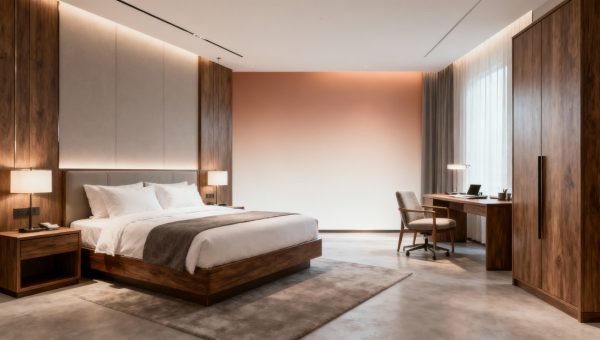
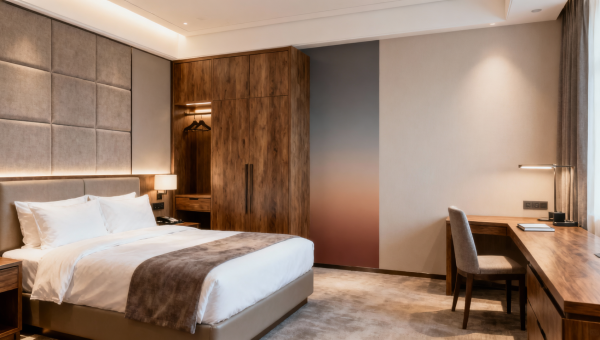
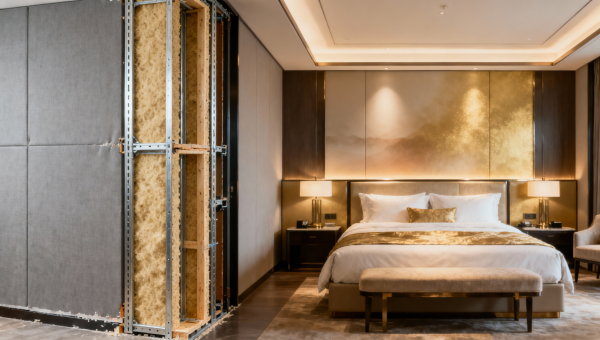
Hospitality furniture trends in 2026 are undergoing a decisive shift—moving away from traditional wood-centric designs toward agile, scalable modular systems. As hotel furniture, commercial furniture, and contract furniture demand greater adaptability for reconfiguration, sustainability, and rapid deployment, buyers are prioritizing modular hotel sofas, hotel room furniture with interchangeable components, and versatile hotel wardrobes and cabinets. This evolution directly impacts hospitality procurement strategies, especially for hotel outdoor furniture and high-traffic public spaces. Global Commercial Trade (GCT) delivers data-backed insights into these shifts—curated by procurement directors and space designers—to help information seekers, buyers, and distributors make confident, future-ready sourcing decisions.
Why Are Modular Systems Replacing Solid Wood in Hospitality Spaces?
Solid wood dominated hospitality furniture for decades—valued for warmth, durability, and perceived luxury. But 2026 procurement cycles reveal a structural pivot: over 68% of new-build and renovation projects in APAC and EMEA now specify ≥70% modular content across guest rooms, lobbies, and F&B zones. This isn’t aesthetic preference—it’s operational necessity.
Three interlocking drivers fuel this shift: First, lifecycle cost pressure—wood-based systems average 3.2 years before visible wear in high-traffic corridors, while modular frames with replaceable upholstery panels extend functional life to 7–10 years. Second, reconfiguration speed—modular lounge clusters can be reconfigured in under 4 hours versus 3–5 days for built-in millwork. Third, carbon accountability—certified modular systems using recycled aluminum extrusions and bio-based composites reduce embodied carbon by 41% versus kiln-dried hardwoods (per EN 15804:2019 +A2:2021 EPD data).
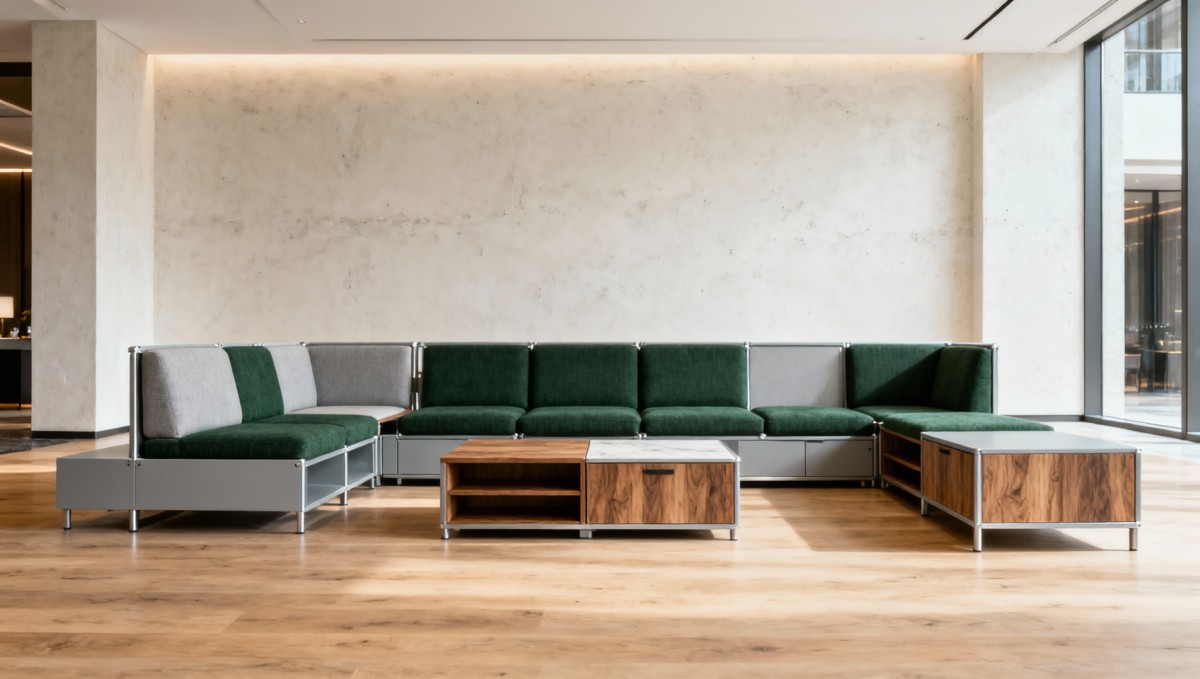
Crucially, this transition isn’t about eliminating wood entirely—it’s about strategic material allocation. Leading OEMs now use FSC-certified timber only for tactile accent elements (e.g., drawer fronts, tabletop inlays), while load-bearing frames, connectors, and panel substrates shift to engineered alternatives.
How to Evaluate Modular Furniture for High-Stakes Procurement
Procurement teams face three critical validation checkpoints when assessing modular hospitality furniture—not just “is it modular?”, but “is it *hospitality-grade* modular?” GCT’s verified panel identifies five non-negotiable evaluation dimensions:
- Interchangeability Precision: Tolerances ≤ ±0.3mm across all connection interfaces (tested per ISO 2768-mK); deviations >0.5mm cause cumulative misalignment after 3+ reconfigurations.
- Fire Compliance Depth: Upholstery must meet BS 5852 Source 5 (UK), NFPA 260 Class A (US), and EN 1021-1/2 (EU) simultaneously—not just one jurisdiction.
- Load Cycle Endurance: Frame structures validated for ≥100,000 cycles at 150kg static load (per ASTM F2057-23 Annex A4).
- Supply Chain Transparency: Full bill-of-materials traceability to Tier 3 suppliers, including resin batch numbers for polymer components.
- Reconfiguration Documentation: Vendor-provided digital twin libraries (IFC/Revit format) with real-time clash detection for spatial planning.
Without verification against these criteria, “modular” becomes a marketing label—not a procurement safeguard.
Modular vs. Traditional: Procurement Impact Comparison
The following table compares key decision metrics across procurement lifecycles for modular systems versus conventional wood-based furniture—based on GCT’s 2025 benchmarking of 127 global hotel projects (Q3–Q4 2025):
This data confirms that modular systems deliver measurable ROI not just in CapEx reduction—but in OPEX predictability, compliance agility, and brand-consistent refresh cycles.
Where Modular Furniture Delivers Highest Value: 3 Critical Scenarios
Not all spaces benefit equally from modular adoption. GCT’s project analytics show disproportionate ROI in three high-impact scenarios:
- Transient Guest Zones: Lobby lounges, co-working nooks, and bar seating where layout changes occur quarterly or biannually—modular units achieve 92% faster re-deployment than fixed installations.
- Multi-Brand Portfolio Rollouts: For operators managing 3+ brands (e.g., Marriott’s Autograph, Tribute, and Moxy), shared modular platforms cut specification time by 65% and reduce SKU count by 40%.
- Outdoor & Semi-Exposed Areas: Aluminum-framed modular systems with marine-grade polymer panels withstand UV exposure, salt spray (ASTM B117), and thermal cycling (-20°C to +60°C) without delamination—unlike laminated wood composites.
In contrast, wood remains preferred for permanent, low-traffic signature areas (e.g., executive suites, heritage lobby features) where material storytelling aligns with brand narrative.
Why Partner with GCT for Your 2026 Modular Sourcing Strategy
Global Commercial Trade doesn’t sell furniture—we equip procurement professionals with actionable intelligence and trusted access. Our modular furniture intelligence includes:
- Real-time OEM capability mapping: Verified production capacity, lead time guarantees, and customization depth for 217 certified modular manufacturers across Vietnam, Poland, Mexico, and Turkey.
- Compliance gap analysis: Cross-referenced certification reports (UL, TÜV, SGS) against your target markets’ exact regulatory thresholds—not generic claims.
- Project-tailored sample workflows: Expedited physical samples with full test documentation (fire, stability, durability) delivered in ≤12 business days.
- Procurement risk scoring: Algorithmic assessment of supplier financial health, export compliance history, and past project delivery performance (based on 3,200+ verified case studies).
Whether you’re evaluating modular sofa systems for a 500-room resort redevelopment, comparing aluminum vs. steel frame longevity for outdoor dining, or validating fire compliance for Middle East tender submissions—GCT provides the precise, auditable intelligence needed to move from uncertainty to execution.
Contact GCT today to request your free modular furniture sourcing dossier—including vendor shortlists matched to your project’s geographic scope, compliance requirements, and timeline constraints.
Search News
Hot Articles
Popular Tags
Need ExpertConsultation?
Connect with our specialized leisureengineering team for procurementstrategies.
Recommended News
 Apr 10, 2026RCEP Cuts ASEAN Hotel Furniture Tariffs to 0% for Chinese Bamboo ProductsRCEP cuts ASEAN hotel furniture tariffs to 0% for Chinese bamboo products. Explore how this benefits exporters, procurement teams & supply chains in Southeast Asia's booming hospitality sector.● Hospitality Sourcing Dir
 Apr 10, 2026US Hotel Association Updates 2026 Smart Room Tech Guidelines, Mandates UL 2900-2-2 CertificationUS Hotel Association mandates UL 2900-2-2 certification for smart room tech by 2026. Learn how this impacts IoT manufacturers and hotel chains' procurement strategies.● Hospitality Sourcing Dir
 Apr 10, 2026EU Mandates QR Codes for Hotel Linens: China Exporters Must Comply by April 2026EU mandates QR codes for hotel linens by 2026, impacting China's textile exporters. Learn compliance requirements for traceability, sustainability reporting, and supply chain adaptation.● Hospitality Sourcing Dir
 Apr 09, 2026Zibo Launches 'Treasure Shandong Through the Lens' Photo Tour, Themed Homestays Emerge as Cross-Border Marketing ToolDiscover Zibo's 'Treasure Shandong Through the Lens' photo tour featuring 32 themed homestays blending vintage cameras, Hanfu culture & industrial spaces. A groundbreaking cross-border marketing model attracting global influencers & platforms like Rakuten Travel.● Hospitality Sourcing Dir
 Apr 09, 2026Yangzhou Slender West Lake Flower Festival Opens, Blending Heritage and Tech for Luxury TourismDiscover the 2026 Yangzhou Slender West Lake Flower Festival, blending heritage crafts with AR technology for luxury tourism. Experience cultural performances, workshops, and themed stays attracting global travelers. Explore China's new era of experiential tourism.● Hospitality Sourcing Dir
 Apr 09, 2026New Team Travel Contracts Raise Compliance Standards for Overseas AgenciesNew team travel contracts enforce stricter compliance for overseas agencies, requiring rigorous vetting of Chinese suppliers. Learn how these 2026 regulations impact study tours, hotels, and global partnerships.● Hospitality Sourcing Dir
 Apr 09, 2026Shangyou County's Hotel Subsidy Policy Boosts China's MICE Tourism AppealShangyou County's 2026 hotel subsidy policy offers RMB 100 per room for MICE tourism, boosting China's appeal to international buyers. Discover how this strategic move enhances cost-effective accommodations for corporate events and study tours.● Hospitality Sourcing Dir
 Apr 21, 2026Open or closed hotel wardrobes for easier housekeeping?Hotel wardrobes affect housekeeping speed, guest appeal, and hospitality procurement. Compare open vs closed designs for hotel furniture, luxury furniture, and hotel room furniture planning.● Hospitality Sourcing Dir
 Apr 21, 2026Hotel wardrobes that fit luggage without wasting spaceHotel wardrobes that fit luggage smartly without wasting space—explore hotel furniture solutions that elevate hotel room furniture, support hospitality procurement, and enhance guest comfort.● Hospitality Sourcing Dir
 Apr 21, 2026Why hotel room furniture wears unevenly after openingHotel furniture wear starts unevenly from day one. Learn how hotel beds, hotel chairs, hotel desks and hotel room furniture perform in real use, with smart hospitality procurement tips.● Hospitality Sourcing Dir
 Apr 21, 2026Hotel room furniture packages that cut design mismatchHotel room furniture packages align hotel furniture, hotel beds, hotel chairs, hotel tables, and hotel desks with luxury furniture standards—reducing design mismatch and speeding hospitality procurement.● Hospitality Sourcing Dir
 Apr 21, 2026Low seat or deep seat hotel sofas for modern lobbies?Hotel furniture buyers compare low seat and deep seat hotel sofas for modern lobbies. Explore luxury furniture choices that improve comfort, traffic flow, brand image, and hospitality procurement value.● Hospitality Sourcing Dir
 Apr 21, 2026Hotel sofas that keep their shape in high traffic areasHotel sofas, hotel furniture, and hospitality furniture that keep shape in high-traffic areas—discover luxury furniture sourcing tips, durable commercial furniture specs, and smarter hospitality procurement.● Hospitality Sourcing Dir
 Apr 21, 2026Why hospitality furniture needs different specs by zoneHospitality furniture specs vary by zone. Learn how hotel furniture, hotel beds, hotel chairs, hotel tables, and hotel desks improve durability, ROI, and luxury guest experience.● Hospitality Sourcing Dir
 Apr 21, 2026Hospitality furniture that supports faster room turnoverHospitality furniture that speeds room turnover: compare hotel beds, hotel chairs, hotel tables, hotel desks and hotel sofas for easier cleaning, durability, and smarter hospitality procurement.● Hospitality Sourcing Dir
 Apr 21, 2026Where hotel equipment budgets usually go off trackHotel furniture and hotel equipment budgets often fail from hidden scope, logistics, and lifecycle costs. Learn smarter hospitality procurement for hotel beds, chairs, tables, and luxury furniture.● Hospitality Sourcing Dir
 Apr 21, 2026Hotel equipment upgrades that improve guest flow firstHotel equipment upgrades improve guest flow fast with hotel furniture, hotel beds, hotel chairs, catering equipment, and soundproofing materials—boost comfort, efficiency, and procurement ROI.● Hospitality Sourcing Dir
 Apr 21, 2026What shortens the life of commercial furniture in hotelsHotel furniture and commercial furniture wear out fast when hotel beds, hotel chairs, hotel tables, hotel desks, and hotel sofas face heavy use, poor maintenance, and weak materials. Learn smart hospitality procurement tips.● Hospitality Sourcing Dir
 Apr 21, 2026Commercial furniture trends hotels are actually adoptingCommercial furniture trends hotels are adopting: luxury furniture, hotel beds, hotel chairs, hotel tables and hotel sofas that improve hotel furniture sourcing, durability, and hospitality procurement value.● Hospitality Sourcing Dir
 Apr 21, 2026How to spot hotel furniture built for daily wearHotel furniture buying guide: learn how to assess hotel beds, hotel chairs, hotel tables, and hospitality furniture for daily wear, lower maintenance, and smarter hospitality procurement.● Hospitality Sourcing Dir
 Apr 21, 2026Hotel furniture mistakes that age a room too quicklyHotel furniture buying guide: avoid costly hotel beds, hotel chairs, and hotel room furniture mistakes. Discover luxury furniture tips for durable, brand-right hospitality procurement.● Hospitality Sourcing Dir
 Apr 21, 2026Why some soundproofing materials fail after installationLearn why soundproofing materials fail after installation in hotel furniture projects. Explore hotel beds, hotel sofas, hotel wardrobes and hospitality procurement tips for lasting acoustic performance.● Hospitality Sourcing Dir
 Apr 21, 2026Soundproofing materials that work best between guest roomsSoundproofing materials for hotel furniture projects: discover the best systems between guest rooms, from mineral wool to acoustic doors, to improve comfort, protect reviews, and support hospitality procurement.● Hospitality Sourcing Dir
 Apr 21, 2026How firm should hotel beds be for mixed guest profiles?Hotel beds for mixed guest profiles: learn how hotel furniture and hospitality procurement teams balance comfort, durability, and luxury furniture standards to improve guest satisfaction.● Hospitality Sourcing Dir