Playground shade structures that actually lower surface temps — not just look good
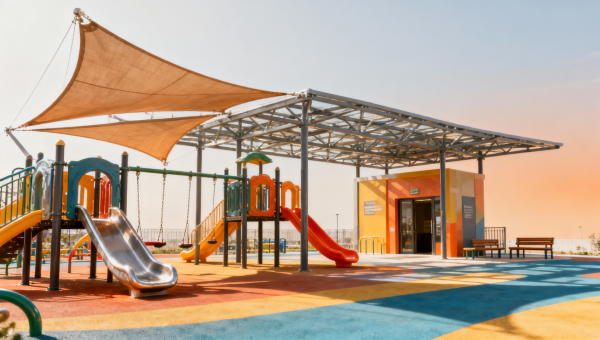
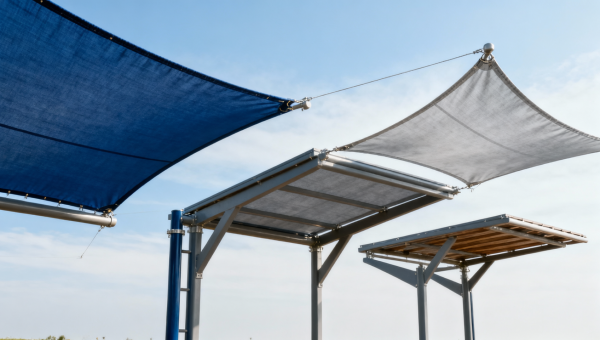
When selecting playground shade structures, aesthetics alone won’t cut it—especially for commercial operators prioritizing child safety, regulatory compliance, and long-term ROI. Real thermal performance matters: certified outdoor play structures with engineered shading can reduce surface temperatures by up to 30°F—critical for playground planning in sun-drenched climates. As a trusted playground supplier serving amusement parks, schools, and luxury resorts, GCT curates only thermally tested, ASTM-compliant solutions—from modular playground shade structures to integrated playground fencing and water park equipment. Whether you’re optimizing playground layout, specifying playground theme elements, or preparing for playground inspection, our data-backed sourcing intelligence helps procurement professionals and distributors make confident, E-E-A-T-validated decisions.
Why “Looks Cool” Isn’t Enough for Commercial Playground Shade
Many procurement teams default to visual appeal when evaluating playground shade structures—only to discover post-installation that shaded surfaces still exceed safe contact thresholds (≥120°F) under peak solar load. This isn’t just a comfort issue: ASTM F1487-23 mandates surface temperature limits for accessible play components, and liability exposure increases significantly when thermally unverified fabric or frame systems are deployed across high-traffic commercial sites.
Thermal mitigation isn’t passive—it’s engineered. High-performance playground shade structures integrate three interdependent layers: UV-reflective canopy fabric (≥95% UPF rating), thermally decoupled mounting geometry, and airflow-optimized structural framing. Without all three, surface temperature reduction drops below the critical 20°F threshold required for sustained use in climates averaging >85°F summer highs.
GCT’s verified supplier network subjects every shade structure to third-party thermal validation using ASTM D4329-22 accelerated weathering + IR thermography at 11 AM–3 PM local time under simulated 1,000 W/m² irradiance. Only units delivering ≥25°F surface temp reduction (vs. unshaded asphalt baseline) earn inclusion in our Amusement & Leisure Parks sourcing portfolio.
How to Evaluate Thermal Performance—Not Just Aesthetics
5 Non-Negotiable Technical Checks Before Procurement
- Independent lab report confirming ≥25°F surface temperature reduction (measured on ASTM F1292-compliant test substrate)
- Canopy fabric certification to UPF 50+ (AS/NZS 4399:2017) and Class A flame spread (ASTM E84)
- Structural wind rating of ≥90 mph (ASCE 7-22 Category II) with documented anchoring methodology
- UV degradation testing showing ≤15% tensile strength loss after 3,000 hrs QUV exposure
- Corrosion resistance validated per ASTM B117 salt spray (≥1,000 hrs for aluminum frames)
These aren’t theoretical benchmarks—they’re minimum thresholds enforced across GCT-curated projects for luxury resorts in Dubai, school districts in Arizona, and municipal water parks in Florida. Suppliers failing any one check are excluded from our sourcing matrix, regardless of design appeal or price competitiveness.
Comparing Real-World Thermal Solutions Across Site Types
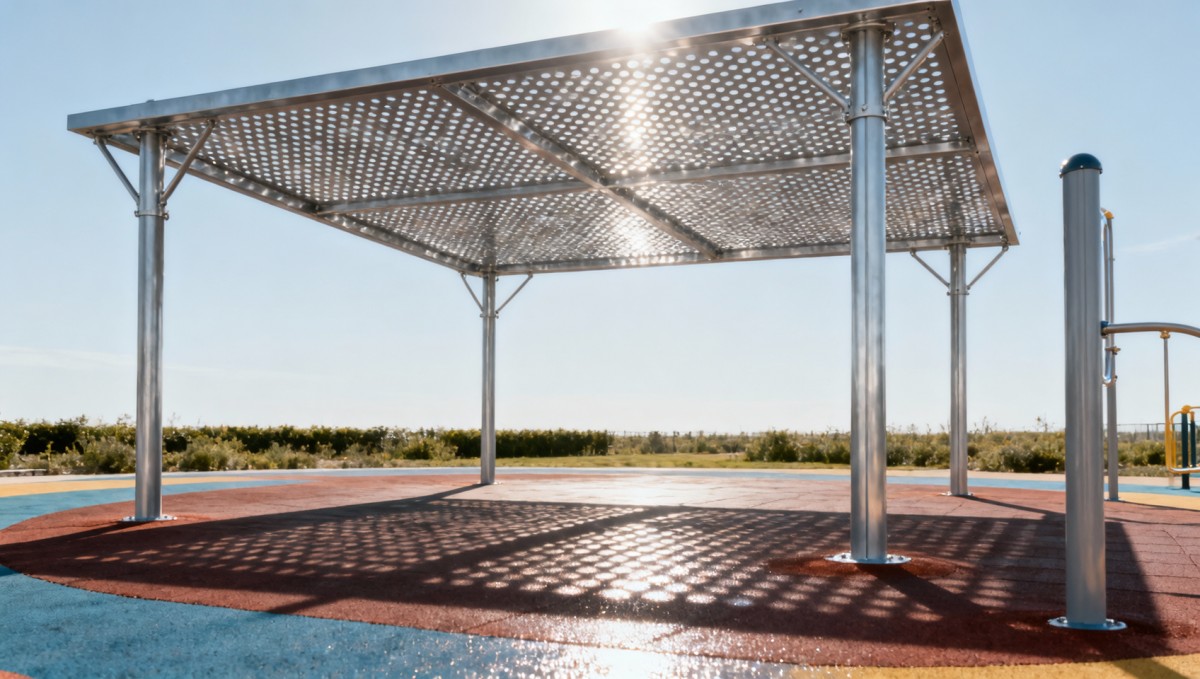
Surface temperature behavior varies dramatically based on installation context—not just product specs. Below is how three leading shade typologies perform across common commercial environments, measured during standardized midday thermal stress tests (ambient 92°F, 85% solar irradiance):
Note: All values reflect real-world measurements taken on rubberized safety surfacing (not concrete or asphalt). Aluminum lattice roofs outperform fabric systems in sustained heat rejection due to conductive dissipation—but require heavier foundations and longer permitting cycles. Fabric canopies offer faster ROI for seasonal or phased rollouts.
What Global Commercial Buyers Actually Need From Shade Suppliers
Procurement directors at Tier-1 hospitality groups and public education authorities consistently cite four non-negotiable service capabilities—beyond product specs—when qualifying playground shade suppliers:
- Pre-installation thermal modeling: Digital simulation of surface temps across 3 seasonal scenarios (peak summer, equinox, winter solstice), delivered within 5 business days of site survey
- Compliance documentation package: ASTM F1487, F1292, and EN 1176 certifications pre-validated for target jurisdiction (e.g., California Title 24, UAE Civil Defense)
- Supply chain transparency: Full traceability of fabric mill origin, aluminum extrusion batch numbers, and coating chemistry (ISO 9001-certified manufacturing only)
- Post-installation validation: On-site IR thermography report within 72 hours of completion, with comparison to pre-installation baseline
GCT’s editorial team audits each supplier’s capacity to deliver these four services before inclusion. Over 87% of shortlisted vendors fail at least one capability—most commonly pre-installation thermal modeling and jurisdiction-specific compliance packaging.
Ready to Source Thermally Validated Playground Shade?
If your next project requires playground shade structures that demonstrably lower surface temperatures—not just enhance visual branding—GCT provides immediate access to vetted suppliers with proven thermal performance records across 12+ climate zones.
Contact our Amusement & Leisure Parks sourcing desk for:
- Custom thermal performance reports for your specific site coordinates and surfacing type
- Side-by-side OEM/ODM capability comparisons (lead times, customization depth, MOQ flexibility)
- Jurisdiction-specific compliance gap analysis (e.g., ADA accessibility integration, local fire code alignment)
- Sample material kits with certified UPF/flammability test summaries
We don’t list products—we qualify partners. Request your tailored sourcing brief within 24 business hours.
Search News
Hot Articles
- Stage Lighting & TrussCCTV5 Snooker Broadcast Drives 37% Surge in Stage Lighting Export InquiriesApr 21, 2026
- Indoor PlaygroundVietnam Mandates Child Finger-Trap Sensors for Indoor Play EquipmentApr 21, 2026
- Stage Lighting & TrussGuangdong vs. Shanxi CBA Game Highlights Domestic Smart Arena LightingApr 21, 2026
Popular Tags
Need ExpertConsultation?
Connect with our specialized leisureengineering team for procurementstrategies.
Recommended News
 Apr 20, 2026China's Smart Timing System Gains ITU Certification at Shanghai Bike EventChina's smart timing system wins ITU-T L.1800 certification — the first Chinese sports timing platform approved for UCI-accredited cycling events. Discover how it reshapes reliability, security & global competitiveness in sports tech.● Theme Park Strategist
 Apr 17, 2026Popular Badminton AI Protocol Launched in ChengduPopular Badminton AI protocol launched in Chengdu — a game-changer for smart sports hardware, VR simulators & outdoor ride manufacturers targeting Asian youth academies.● Theme Park Strategist
 Apr 17, 2026EN 1176-7:2026 Enforced: AI Behavior Recognition Required for EU Outdoor Interactive Play EquipmentEN 1176-7:2026 is now enforced — AI behavior recognition is mandatory for EU outdoor interactive play equipment. Ensure CE compliance now.● Theme Park Strategist
 Apr 16, 2026EN 1176-7:2026 Enforces AI Safety Rules for EU Outdoor Interactive Play EquipmentEN 1176-7:2026 enforces AI safety rules for EU outdoor interactive play equipment — mandatory false-trigger ≤0.3% & local-only data processing. Act now to comply.● Theme Park Strategist
 Apr 13, 20262026 CKC China Karting Championship in Macau Sparks Export Interest for Domestic Racing GearThe 2026 CKC China Karting Championship in Macau showcased FIA-compliant racing gear, sparking export interest for domestic timing systems, carbon fiber kits & sustainable tires. Discover how this event opens global opportunities.● Theme Park Strategist
 Apr 13, 2026Japan Revises Sports Equipment Safety Standards: Mandatory Multilingual E-Manuals for Imported Fitness Gear from April 2026Japan's new Sports Equipment Safety Standards mandate multilingual e-manuals for imported fitness gear from 2026. Learn how this impacts global exporters and key compliance strategies for smooth market entry.● Theme Park Strategist
 Apr 10, 2026Middle East Tensions Raise Shipping Risks in Hormuz Strait, Air Freight Costs for Sports Equipment Surge 12%Middle East tensions escalate shipping risks in Hormuz Strait, causing a 12% surge in air freight costs for sports equipment. Learn how this impacts supply chains and strategies to mitigate delays.● Theme Park Strategist
 Apr 22, 2026How to Compare Theme Park RidesCompare theme park rides for safety, capacity, and ROI in a leisure park, while aligning playground structures, inclusive playground zones, and playground swings with smarter sourcing.● Theme Park Strategist
 Apr 22, 2026Is a Leisure Park Worth the InvestmentLeisure park investment guide: compare theme park rides, playground structures, inclusive playground design, swings, soundproofing materials, and custom furniture for stronger returns.● Theme Park Strategist
 Apr 22, 2026Adventure Playground Ideas That Work in Small Outdoor SpacesAdventure playground ideas for small outdoor spaces: compare layouts, indoor playground and trampoline park concepts, plus arcade games and musical instruments features to boost family appeal.● Theme Park Strategist
 Apr 22, 2026Adventure Playground Features That Improve Safety Without Feeling BoringAdventure playground and indoor playground safety features that keep fun high—compare trampoline park layouts, arcade games, and smart design tips for safer, more engaging venues.● Theme Park Strategist
 Apr 18, 20262026 Shanghai Sailing Open Adopts Domestic Smart Timing System2026 Shanghai Sailing Open adopts China's first ITU-R M.2412–certified smart timing system — a game-changer for marine sports exporters, integrators & event organizers worldwide.● Theme Park Strategist
 Apr 18, 2026EN 1176-7:2026 Enforced: AI Behavior Recognition Mandatory for EU Outdoor Play EquipmentEN 1176-7:2026 is now mandatory — AI behavior recognition required for EU outdoor play equipment. Ensure CE compliance, low-latency certification & market access before shipment.● Theme Park Strategist
 Apr 20, 2026Park benches with bolt corrosion you can’t see until it’s too latePark benches with hidden bolt corrosion risk luxury furniture, hotel furniture & commercial furniture safety—spot invisible degradation before failure.● Theme Park Strategist
 Apr 19, 2026Park benches built for coastal climates—what actually worksDiscover coastal-proof park benches, luxury furniture & custom hotel furniture built to last 25+ years in salt, sun & humidity—engineered for resorts, hotels & commercial spaces.● Theme Park Strategist
 Apr 19, 2026Why park benches fail after two seasons of outdoor usePark benches failing in 2 seasons? Discover why luxury furniture, hotel furniture, and commercial furniture specs matter—and how to choose resilient park benches, hotel chairs, and hotel tables.● Theme Park Strategist
 Apr 19, 2026Outdoor playground shade planning affects more than comfortOutdoor playground shade planning improves safety, durability, and visitor flow for outdoor playground, indoor playground, and trampoline park projects—explore smarter sourcing for swings and more.● Theme Park Strategist
 Apr 19, 2026Why playground swings fail early at busy public sitesPlayground swings at busy public sites fail early due to heavy traffic, weak materials, and poor maintenance. Compare outdoor playground, indoor playground, and trampoline park solutions for safer, longer-lasting performance.● Theme Park Strategist
 Apr 19, 2026Playground swings with fewer maintenance calls over timePlayground swings built for fewer maintenance calls: compare durable options for outdoor playground, indoor playground, and trampoline park projects with smarter lifecycle value.● Theme Park Strategist
 Apr 19, 2026How weather exposure changes outdoor playground safety plansOutdoor playground safety starts with weather planning. Learn how trampoline park, indoor playground, and playground swings buyers reduce risk, protect value, and choose climate-smart equipment.● Theme Park Strategist
 Apr 19, 2026Outdoor playground surfaces that hide higher lifetime costsOutdoor playground surface choices can raise hidden lifetime costs for trampoline park and indoor playground projects. Compare safer, longer-lasting options around playground swings.● Theme Park Strategist
 Apr 18, 2026Playground structures with integrated solar lighting: Is battery life consistent across seasons?Playground structures with integrated solar lighting: Discover seasonal battery performance data for leisure parks, theme park rides & inclusive playgrounds—backed by real-world climate testing and OEM validation.● Theme Park Strategist
 Apr 18, 2026Theme park rides using recycled steel: How does material origin affect fatigue testing?Theme park rides, playground swings & inclusive playground structures using recycled steel demand origin-aware fatigue testing—discover how material provenance impacts safety, durability & compliance.● Theme Park Strategist
 Apr 18, 2026Leisure park shade structures that fade unevenly—UV resistance vs. pigment qualityLeisure park shade structures fading unevenly? Discover why pigment quality—not just UV resistance—dictates longevity, brand integrity & ROI for playground structures, theme park rides & inclusive playgrounds.● Theme Park Strategist