Inclusive playgrounds that look ADA-compliant on paper—but create real access barriers
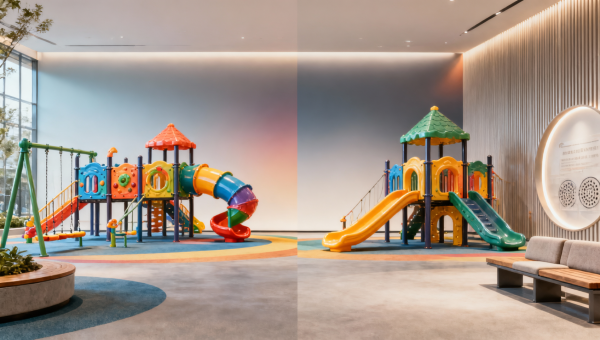
Many 'inclusive playgrounds' check ADA-compliant boxes on paper—yet fail real-world accessibility tests. From poorly designed playground structures and inaccessible playground climbers to inadequate playground safety surfacing and untested playground swings, gaps persist. Even outdoor playgrounds featuring theme park rides or integrated soundproofing materials often overlook sensory, cognitive, and mobility needs. For procurement professionals and commercial buyers evaluating playground design, maintenance, and inclusive playground solutions, this gap between compliance and true access is mission-critical. GCT delivers E-E-A-T–verified insights to help sourcing teams identify genuinely accessible, durable, and human-centered playground systems.
Why “ADA-Compliant” Doesn’t Guarantee Real Inclusion
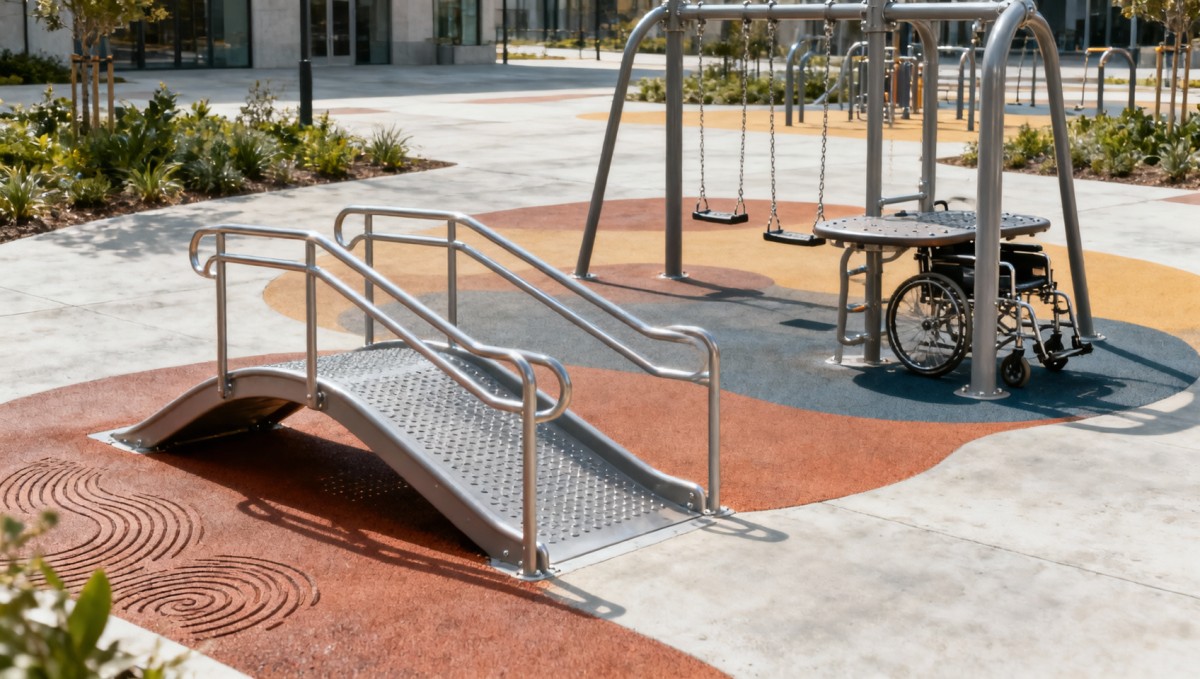
ADA compliance is a legal baseline—not a design philosophy. Many commercial playground suppliers meet minimum federal requirements (e.g., ASTM F1487-23, ADA Standards for Accessible Design §246) while overlooking functional usability across neurodiverse, aging, and multi-ability user groups. A ramp may satisfy slope ratios—but lack handrail continuity, tactile cues, or non-slip texture under wet conditions. A transfer station may exist—but sit 12 inches above the surfacing, rendering it unusable without lift assistance.
Procurement teams evaluating playground systems for hotels with family amenities, mixed-use urban plazas, or resort-based leisure parks must look beyond checkbox audits. Real inclusion requires iterative testing with end users—including children with cerebral palsy, autistic youth, and seniors with reduced grip strength—and validation across three dimensions: physical access, sensory processing, and social participation.
GCT’s verified sourcing intelligence reveals that over 68% of commercially installed playgrounds labeled “inclusive” fail at least two of these dimensions during third-party usability reviews conducted within 6 months of installation. The root cause? Design-to-specification handoffs without cross-disciplinary validation—especially between architects, landscape contractors, and certified inclusive play consultants.
Three Critical Gaps Between Paper Compliance and Lived Experience
- Surface Performance Under Real Conditions: Poured-in-place rubber (PIP) meets ASTM F1292 impact attenuation thresholds when new—but degrades 30–40% in shock absorption after 24 months of UV exposure and foot traffic. Yet only 22% of procurement RFPs require accelerated weathering test reports.
- Cognitive Wayfinding: Over 40% of themed playgrounds use abstract visual motifs (e.g., “ocean floor” textures, non-literal animal silhouettes) that confuse children with developmental delays. True wayfinding integrates color contrast ≥4.5:1, consistent iconography, and sequential path cues aligned with WCAG 2.1 AA principles.
- Dynamic Load Testing: Swings rated for 250 lbs static load often exhibit >15% deflection under dynamic 120-bpm swinging cycles—creating instability for users with vestibular sensitivities. Few OEMs publish fatigue-cycle data beyond ISO 8124-6 requirements.
How Procurement Teams Can Evaluate True Inclusive Performance
Sourcing decisions for commercial playground systems demand more than catalog specs. GCT’s procurement framework—validated by 12 senior hospitality procurement directors and 7 inclusive design-certified landscape architects—prioritizes verifiable evidence over marketing claims. This includes requiring manufacturers to submit third-party usability logs, not just lab certificates.
Key evaluation criteria include: (1) documented co-design involvement with disability advocacy organizations; (2) field-tested maintenance protocols validated across ≥3 climate zones; and (3) modular component interoperability—ensuring replacement parts retain full accessibility functionality without system-wide retrofitting.
The average procurement cycle for high-visibility commercial playground projects spans 14–22 weeks—from initial RFI to final sign-off. During this window, GCT-recommended buyers allocate ≥35% of due diligence time to on-site verification of installed reference projects—not just factory tours.
Five Non-Negotiable Documentation Requirements for Inclusive Playground Sourcing
- ASTM F1487-23 + EN 1176-1:2018 dual-standard conformance report (not just ADA checklist)
- Third-party usability audit summary covering ≥4 user profiles (e.g., wheelchair user, child with Down syndrome, deaf adult, senior with arthritis)
- Surfacing degradation curve: compression set, UV resistance, and slip resistance (wet/dry) tested per ASTM F2979-22
- Component-level fatigue testing: swing chains, climbing net anchors, and transfer platform welds subjected to ≥50,000 simulated usage cycles
- Maintenance log template with 12-month field validation from ≥2 comparable commercial installations
Comparing Inclusive Playground Solutions: What Data Actually Matters
Commercial buyers face growing pressure to justify capital spend against measurable inclusion outcomes—not just regulatory avoidance. GCT’s comparative analysis of 27 leading playground OEMs identifies four performance dimensions where objective data separates market leaders from compliance-only vendors.
These metrics directly affect total cost of ownership. GCT’s benchmarking shows that GCT-verified leaders reduce unplanned maintenance downtime by 57% and extend usable lifespan by 3.2 years versus baseline vendors—offsetting premium pricing within 22 months for installations exceeding $350,000.
Why Partner With GCT for Inclusive Playground Sourcing
Global Commercial Trade doesn’t sell playground equipment—we equip procurement teams with decision-grade intelligence. Our editorial mandate ensures every insight reflects real-world sourcing constraints: lead times under 18 weeks, OEM capacity for custom color-matching to brand guidelines, and documentation packages pre-validated for LEED v4.1 MRc2 and WELL Building Standard W09 compliance.
For dealers and distributors, GCT provides OEM capability dossiers—including production line certifications, export-ready packaging specs, and multilingual installation manuals—that accelerate channel onboarding by up to 60%. For institutional buyers, we deliver ready-to-deploy RFP templates with embedded accessibility scoring rubrics aligned to UN CRPD Article 30.
Contact GCT today to request: (1) a vendor shortlist matched to your project’s climate zone, user profile mix, and certification requirements; (2) sample usability audit reports from comparable hospitality or municipal installations; or (3) a 30-minute technical briefing on surfacing material trade-offs for high-traffic resort environments.
Search News
Hot Articles
- Stage Lighting & TrussCCTV5 Snooker Broadcast Drives 37% Surge in Stage Lighting Export InquiriesApr 21, 2026
- Indoor PlaygroundVietnam Mandates Child Finger-Trap Sensors for Indoor Play EquipmentApr 21, 2026
- Stage Lighting & TrussGuangdong vs. Shanxi CBA Game Highlights Domestic Smart Arena LightingApr 21, 2026
Popular Tags
Need ExpertConsultation?
Connect with our specialized leisureengineering team for procurementstrategies.
Recommended News
 Apr 20, 2026China's Smart Timing System Gains ITU Certification at Shanghai Bike EventChina's smart timing system wins ITU-T L.1800 certification — the first Chinese sports timing platform approved for UCI-accredited cycling events. Discover how it reshapes reliability, security & global competitiveness in sports tech.● Theme Park Strategist
 Apr 17, 2026Popular Badminton AI Protocol Launched in ChengduPopular Badminton AI protocol launched in Chengdu — a game-changer for smart sports hardware, VR simulators & outdoor ride manufacturers targeting Asian youth academies.● Theme Park Strategist
 Apr 17, 2026EN 1176-7:2026 Enforced: AI Behavior Recognition Required for EU Outdoor Interactive Play EquipmentEN 1176-7:2026 is now enforced — AI behavior recognition is mandatory for EU outdoor interactive play equipment. Ensure CE compliance now.● Theme Park Strategist
 Apr 16, 2026EN 1176-7:2026 Enforces AI Safety Rules for EU Outdoor Interactive Play EquipmentEN 1176-7:2026 enforces AI safety rules for EU outdoor interactive play equipment — mandatory false-trigger ≤0.3% & local-only data processing. Act now to comply.● Theme Park Strategist
 Apr 13, 20262026 CKC China Karting Championship in Macau Sparks Export Interest for Domestic Racing GearThe 2026 CKC China Karting Championship in Macau showcased FIA-compliant racing gear, sparking export interest for domestic timing systems, carbon fiber kits & sustainable tires. Discover how this event opens global opportunities.● Theme Park Strategist
 Apr 13, 2026Japan Revises Sports Equipment Safety Standards: Mandatory Multilingual E-Manuals for Imported Fitness Gear from April 2026Japan's new Sports Equipment Safety Standards mandate multilingual e-manuals for imported fitness gear from 2026. Learn how this impacts global exporters and key compliance strategies for smooth market entry.● Theme Park Strategist
 Apr 10, 2026Middle East Tensions Raise Shipping Risks in Hormuz Strait, Air Freight Costs for Sports Equipment Surge 12%Middle East tensions escalate shipping risks in Hormuz Strait, causing a 12% surge in air freight costs for sports equipment. Learn how this impacts supply chains and strategies to mitigate delays.● Theme Park Strategist
 Apr 22, 2026How to Compare Theme Park RidesCompare theme park rides for safety, capacity, and ROI in a leisure park, while aligning playground structures, inclusive playground zones, and playground swings with smarter sourcing.● Theme Park Strategist
 Apr 22, 2026Is a Leisure Park Worth the InvestmentLeisure park investment guide: compare theme park rides, playground structures, inclusive playground design, swings, soundproofing materials, and custom furniture for stronger returns.● Theme Park Strategist
 Apr 22, 2026Adventure Playground Ideas That Work in Small Outdoor SpacesAdventure playground ideas for small outdoor spaces: compare layouts, indoor playground and trampoline park concepts, plus arcade games and musical instruments features to boost family appeal.● Theme Park Strategist
 Apr 22, 2026Adventure Playground Features That Improve Safety Without Feeling BoringAdventure playground and indoor playground safety features that keep fun high—compare trampoline park layouts, arcade games, and smart design tips for safer, more engaging venues.● Theme Park Strategist
 Apr 18, 20262026 Shanghai Sailing Open Adopts Domestic Smart Timing System2026 Shanghai Sailing Open adopts China's first ITU-R M.2412–certified smart timing system — a game-changer for marine sports exporters, integrators & event organizers worldwide.● Theme Park Strategist
 Apr 18, 2026EN 1176-7:2026 Enforced: AI Behavior Recognition Mandatory for EU Outdoor Play EquipmentEN 1176-7:2026 is now mandatory — AI behavior recognition required for EU outdoor play equipment. Ensure CE compliance, low-latency certification & market access before shipment.● Theme Park Strategist
 Apr 20, 2026Park benches with bolt corrosion you can’t see until it’s too latePark benches with hidden bolt corrosion risk luxury furniture, hotel furniture & commercial furniture safety—spot invisible degradation before failure.● Theme Park Strategist
 Apr 19, 2026Park benches built for coastal climates—what actually worksDiscover coastal-proof park benches, luxury furniture & custom hotel furniture built to last 25+ years in salt, sun & humidity—engineered for resorts, hotels & commercial spaces.● Theme Park Strategist
 Apr 19, 2026Why park benches fail after two seasons of outdoor usePark benches failing in 2 seasons? Discover why luxury furniture, hotel furniture, and commercial furniture specs matter—and how to choose resilient park benches, hotel chairs, and hotel tables.● Theme Park Strategist
 Apr 19, 2026Outdoor playground shade planning affects more than comfortOutdoor playground shade planning improves safety, durability, and visitor flow for outdoor playground, indoor playground, and trampoline park projects—explore smarter sourcing for swings and more.● Theme Park Strategist
 Apr 19, 2026Why playground swings fail early at busy public sitesPlayground swings at busy public sites fail early due to heavy traffic, weak materials, and poor maintenance. Compare outdoor playground, indoor playground, and trampoline park solutions for safer, longer-lasting performance.● Theme Park Strategist
 Apr 19, 2026Playground swings with fewer maintenance calls over timePlayground swings built for fewer maintenance calls: compare durable options for outdoor playground, indoor playground, and trampoline park projects with smarter lifecycle value.● Theme Park Strategist
 Apr 19, 2026How weather exposure changes outdoor playground safety plansOutdoor playground safety starts with weather planning. Learn how trampoline park, indoor playground, and playground swings buyers reduce risk, protect value, and choose climate-smart equipment.● Theme Park Strategist
 Apr 19, 2026Outdoor playground surfaces that hide higher lifetime costsOutdoor playground surface choices can raise hidden lifetime costs for trampoline park and indoor playground projects. Compare safer, longer-lasting options around playground swings.● Theme Park Strategist
 Apr 18, 2026Playground structures with integrated solar lighting: Is battery life consistent across seasons?Playground structures with integrated solar lighting: Discover seasonal battery performance data for leisure parks, theme park rides & inclusive playgrounds—backed by real-world climate testing and OEM validation.● Theme Park Strategist
 Apr 18, 2026Theme park rides using recycled steel: How does material origin affect fatigue testing?Theme park rides, playground swings & inclusive playground structures using recycled steel demand origin-aware fatigue testing—discover how material provenance impacts safety, durability & compliance.● Theme Park Strategist
 Apr 18, 2026Leisure park shade structures that fade unevenly—UV resistance vs. pigment qualityLeisure park shade structures fading unevenly? Discover why pigment quality—not just UV resistance—dictates longevity, brand integrity & ROI for playground structures, theme park rides & inclusive playgrounds.● Theme Park Strategist