US CPSC Launches Review of New Fitness Tracker Regulations, Chinese Exporters Required to Submit UL/ETL Compliance
US CPSC Launches Review of New Fitness Tracker Regulations, Chinese Exporters Required to Submit UL/ETL Compliance
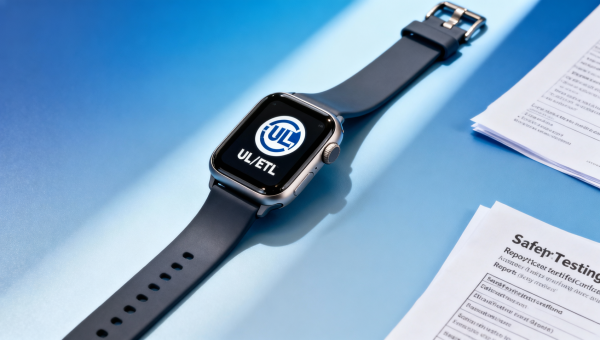
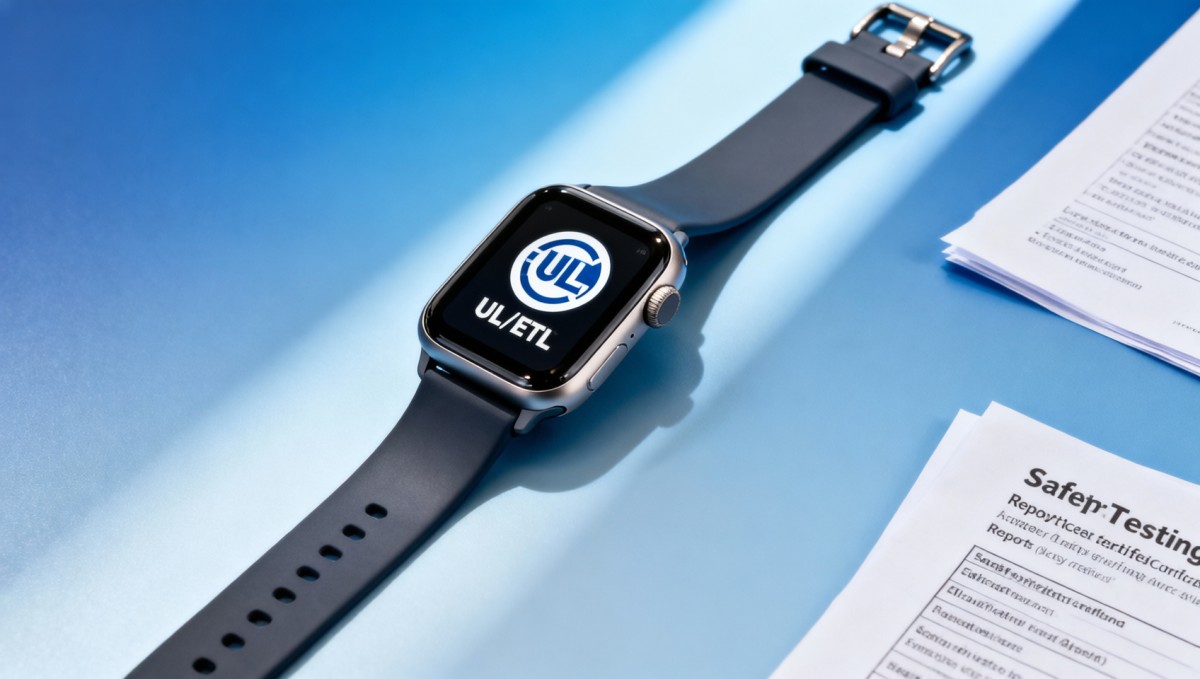
The US Consumer Product Safety Commission (CPSC) initiated a 30-day public review period for its draft Fitness Tracker Electrical Safety Guidance on April 9, 2026. The proposed regulation mandates that all imported fitness bands and sports watches must submit UL 62368-1 or equivalent ETL certification declarations upon import declaration. Chinese OEM manufacturers failing to comply will face extended customs inspections, delaying clearance by 7–10 working days. This development is critical for wearable device exporters, supply chain managers, and compliance professionals in the consumer electronics sector.
Event Overview
On April 9, 2026, the CPSC opened public comments for its proposed electrical safety standards targeting fitness trackers. The draft requires importers to provide UL 62368-1 or ETL-equivalent certifications during customs clearance. Non-compliant shipments from Chinese manufacturers will undergo enhanced scrutiny under CPSC’s high-risk inspection list, potentially disrupting just-in-time supply chains.
Industries Impacted
Wearable Device OEMs
Chinese contract manufacturers specializing in fitness trackers and smartwatches face immediate compliance pressures. Production lines may require retooling to meet UL 62368-1 standards for insulation resistance and hazardous energy levels.
Export Logistics Providers
Freight forwarders and customs brokers must prepare for documentation verification workflows. The 7–10 day clearance delay could necessitate buffer inventory strategies for time-sensitive shipments.
Component Suppliers
Battery and charging module vendors supplying Chinese OEMs may need to provide additional test reports to help manufacturers achieve UL/ETL compliance.
Key Action Items for Businesses
Prioritize Certification Audits
Manufacturers should immediately verify existing product certifications against UL 62368-1 Chapter 5 (Electrical Energy Source Limits) and Section 6 (Insulation Requirements).
Redesign Compliance Workflows
Export departments must integrate certification documentation into customs declaration processes, particularly for FCC ID and FDA-cleared medical tracking features.
Monitor Comment Period Developments
Stakeholders should track potential modifications to the draft rule during CPSC’s 30-day review window, especially regarding grandfather clauses for existing inventory.
Industry Perspective
Analysis suggests this move signals CPSC’s growing focus on wearable electronics safety following 2025 incidents involving overheating batteries in budget fitness trackers. While not yet finalized, the proposal indicates tightening enforcement similar to recent children’s product regulations. The wearable industry should view this as part of broader US market access trends emphasizing third-party certification.
Conclusion
This regulatory development underscores the increasing compliance complexity for consumer electronics exporters. Businesses should treat the draft as a probable future requirement rather than a speculative proposal, given CPSC’s historical enforcement patterns. Proactive certification planning will be essential to maintain competitive US market access post-2026.
Source
US Consumer Product Safety Commission (CPSC) Draft Guidance Docket #2026-CPSC-0042, published April 9, 2026. The final rule remains subject to modification based on public comments until May 9, 2026.
Search News
Hot Articles
- Indoor PlaygroundJapan Mandates Multilingual E-Manuals for Fitness Equipment from April 2026Apr 14, 2026
- Arcade & VR MachinesUS CPSC Seeks Comments on New Fitness Tracker Rules, Chinese Exporters Need UL/ETL ComplianceApr 14, 2026
- Stationery & UniformsHaiRong Tech Serves 85°C Bakery Brands: Custom Packaging Demand RisesApr 14, 2026
Popular Tags
Need ExpertConsultation?
Connect with our specialized leisureengineering team for procurementstrategies.
Recommended News
 Apr 14, 2026China's Berens Shines as Sole Domestic Brand at Watches & Wonders Geneva 2026China's Berens makes history as the only domestic brand at Watches & Wonders Geneva 2026, showcasing COSC-certified tourbillon movements and EU compliance. Discover how this milestone signals China's rising luxury watchmaking capabilities.● Luxury Retail Analyst
 Apr 13, 2026Watches & Wonders Geneva 2026: Audemars Piguet Returns, Behrens Makes History as First Chinese BrandWatches & Wonders Geneva 2026 marks Audemars Piguet's return and historic debut of Chinese brand Behrens. Discover how this event reshapes luxury watch sourcing with China's rising high-end watchmaking capabilities.● Luxury Retail Analyst
 Apr 13, 2026US CPSC Launches Review of New Fitness Tracker Regulations, Chinese Exporters Required to Submit UL/ETL ComplianceUS CPSC's new fitness tracker regulations require Chinese exporters to submit UL/ETL compliance. Learn how this impacts wearable device OEMs, logistics, and component suppliers. Stay ahead with key action items for 2026 compliance.● Luxury Retail Analyst
 Apr 11, 2026Watches & Wonders Geneva 2026: Audemars Piguet Returns, 10 New Brands Join, Behrens as Sole Chinese ExhibitorWatches & Wonders Geneva 2026 marks a historic event with Audemars Piguet's return & 10 new brands including China's Behrens. Discover luxury watch industry shifts & new opportunities in this groundbreaking exhibition.● Luxury Retail Analyst
 Apr 11, 2026EU EN 16830:2026 Eyewear Standard Mandatory from April 2026, Chinese Exporters Need Certification Within 6 MonthsEU EN 16830:2026 eyewear standard becomes mandatory April 2026. Chinese exporters must update CE certification within 6 months. Learn critical compliance steps for UV protection, impact resistance & labeling requirements to avoid market removal.● Luxury Retail Analyst
 Apr 10, 2026Designer eyewear frames labeled 'acetate' may contain only 37% bio-acetate — and no one discloses itDiscover supply chain solutions for designer eyewear, OEM jewelry & ODM watches — verify true bio-acetate content, not just labels. Premium accessories, commercial procurement made transparent.● Luxury Retail Analyst
 Apr 10, 2026ODM watches with interchangeable straps: Who controls the tolerances — designer or factory?ODM watches with interchangeable straps demand precision tolerance control. Discover how top-tier supply chain solutions, OEM manufacturing, and designer eyewear partnerships ensure premium accessories quality and commercial watch reliability.● Luxury Retail Analyst
 Apr 10, 2026Supply chain solutions for watches often ignore regional after-sales logisticssupply chain solutions for commercial watch, OEM jewelry & designer eyewear—unlock regional after-sales logistics resilience with GCT’s E-E-A-T–validated benchmarks.● Luxury Retail Analyst
 Apr 10, 2026Designer eyewear production runs under 500 units: Is MOQ negotiation still realistic?Explore realistic MOQ negotiation for designer eyewear under 500 units—backed by agile OEM manufacturing, supply chain solutions, and premium accessories expertise.● Luxury Retail Analyst
 Apr 11, 2026OEM manufacturing for eyewear: Where do tooling revisions actually begin?OEM manufacturing for eyewear starts where tooling revisions begin—early design validation, compliance mapping & pilot diagnostics. Discover supply chain solutions, designer eyewear, ODM watches & OEM jewelry excellence.● Luxury Retail Analyst
 Apr 11, 2026Commercial watch procurement often overlooks service lifecycle costsDiscover integrated supply chain solutions for commercial watch, OEM jewelry & ODM watches—reduce TCO with premium accessories, designer eyewear & more.● Luxury Retail Analyst
 Apr 11, 2026ODM watches with full compliance tracking — rare or just under-marketed?ODM watches with full compliance tracking—discover premium accessories, OEM jewelry & designer eyewear suppliers verified for commercial procurement, supply chain solutions, and traceability.● Luxury Retail Analyst
 Apr 11, 2026Designer eyewear brands: When 'custom' really means 'compromised fit'Discover how supply chain solutions & OEM manufacturing impact designer eyewear fit—plus ODM watches, OEM jewelry & premium accessories sourcing.● Luxury Retail Analyst
 Apr 07, 2026EU Updates EN 16830:2026 Eyewear Safety Standards, Impacting Chinese ExportersEU's new EN 16830:2026 eyewear safety standards impact Chinese exporters with blue light limits, impact resistance tests & AI privacy labels. Learn how to comply and maintain EU market access.● Luxury Retail Analyst
 Apr 07, 2026US New Tariffs on Optical Lenses: Impact on Chinese ExportersExplore how US new tariffs on optical lenses impact Chinese exporters, with key insights on compliance strategies for high-index resin and photochromic lenses. Essential reading for eyewear manufacturers and supply chain professionals.● Luxury Retail Analyst
 Apr 07, 2026AR Glasses Under $500: Chinese Brands Enter Global MarketsDiscover affordable AR glasses under $500 from Chinese brands like RayNeo and INMO now in global markets. Explore how this price shift impacts retail, enterprise solutions, and distribution networks in 2024.● Luxury Retail Analyst
 Apr 07, 2026XREAL Aims for HK IPO as Global AR Glasses Leader with 24.8% Market Share by 2025XREAL, the global AR glasses leader with 24.8% projected market share by 2025, files for HK IPO. Discover how this impacts distributors, suppliers & logistics providers in the growing AR hardware sector.● Luxury Retail Analyst
 Apr 07, 2026Commercial watches built for field service teams — battery life, shock resistance, and legibility under glareCommercial watch built for playground contractor, hotel nightstands & park drinking fountains teams—3-year battery, MIL-STD shock resistance, glare-proof legibility.● Luxury Retail Analyst
 Apr 02, 2026China's Eyewear Export Logistics Under Pressure: US West Coast Route Space Shortage Extends Lead Times to 65–75 DaysChina's eyewear exports face 65–75 day delays due to US West Coast route shortages. Learn how exporters and buyers can adapt to extended lead times and protect supply chains in 2026.● Luxury Retail Analyst
 Apr 02, 2026Zeiss Unveils AI Smart Glasses at Shanghai Expo, Eyes US Market with FDA Pre-ClearanceZeiss AI smart glasses debut at Shanghai Expo with FDA pre-clearance, eyeing US market. Features eye-tracking & low-vision assistance, expected full FDA approval by Q3 2026. A game-changer for medical eyewear and smart tech sectors.● Luxury Retail Analyst
 Apr 02, 20262026 Shanghai Eyewear Expo: Wenzhou's 179 Firms Gear Up for Milan Show, Smart Glasses Steal Spotlight2026 Shanghai Eyewear Expo highlights Wenzhou's 179 firms preparing for MIDO Milan with cutting-edge smart glasses featuring AR navigation, health monitoring. Over 2,300 global inquiries signal booming demand for CE/FDA-certified eyewear tech.● Luxury Retail Analyst
 Apr 02, 2026Vietnam's New Eyewear Import Rules: Bilingual Labels & QR Codes RequiredVietnam's new eyewear import rules require bilingual Vietnamese-Chinese labels & QR codes by April 2026. Learn how exporters can adapt to avoid customs delays and maintain market access.● Luxury Retail Analyst
 Apr 02, 2026US CPSC Tightens Chemical Safety Checks on Kids' Glasses FramesUS CPSC tightens chemical safety checks on kids' glasses frames, targeting phthalates in PC/TPU materials. Learn how this impacts OEMs, suppliers & compliance strategies to avoid customs delays.● Luxury Retail Analyst
 Apr 04, 2026Watch OEM & Smartwatches Brands Turn to Office Supplies Exporters for Packaging Inserts — Not Just BoxesOffice supplies supplier? Discover how top office supplies exporters & OEM manufacturers deliver premium, compliant packaging inserts for smartwatches—fast, sustainable, B2B-ready.● Luxury Retail Analyst