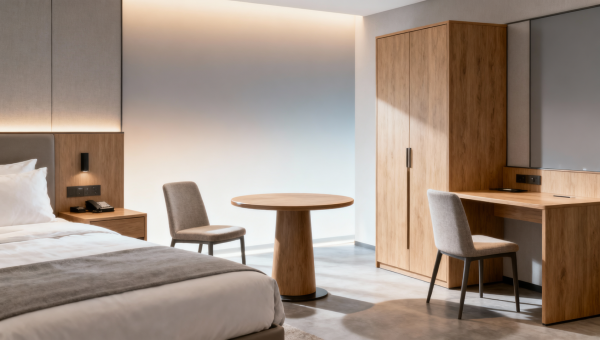
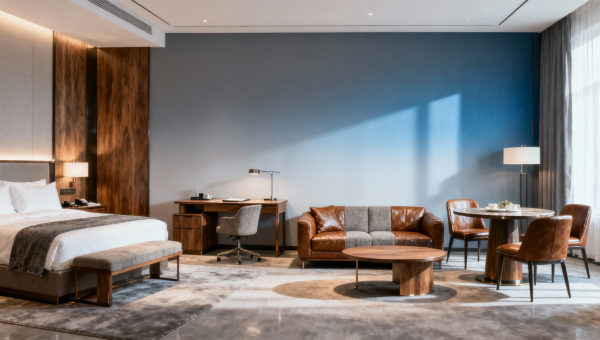
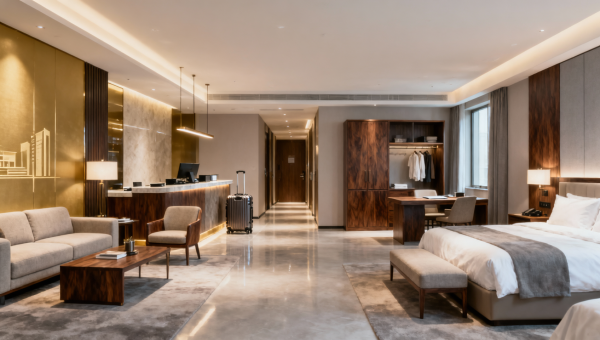
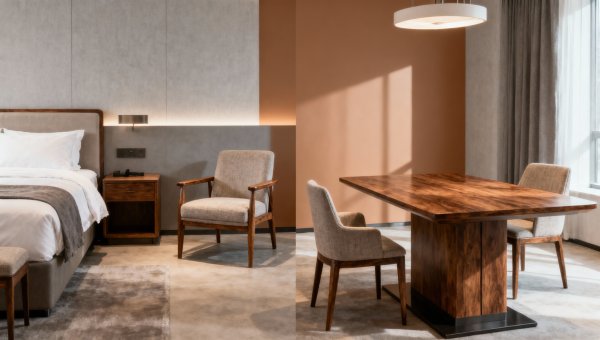
What Custom Furniture Fits Boutique Hotels
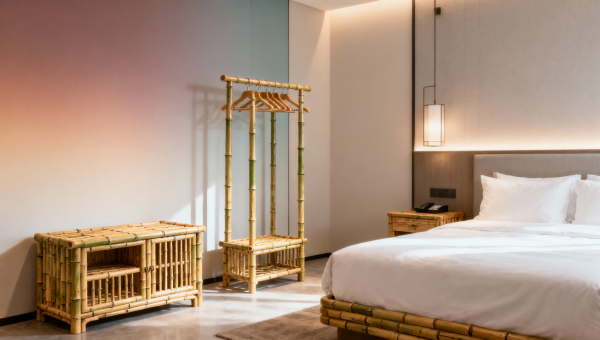
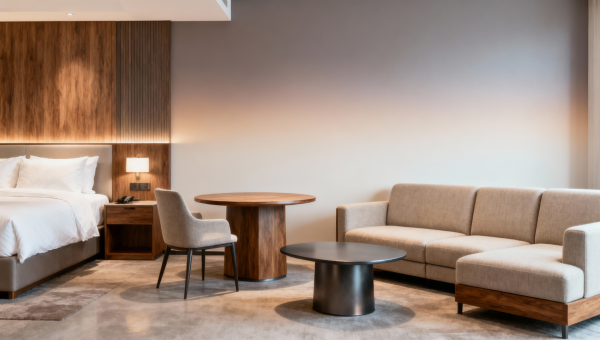
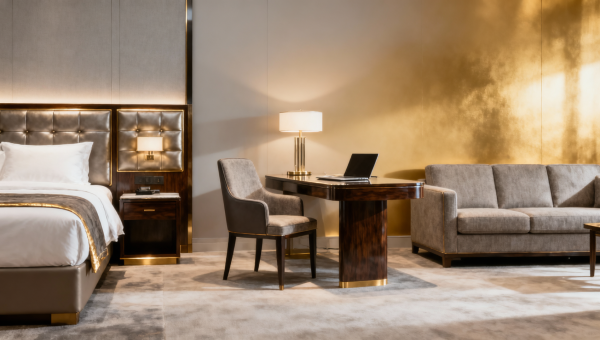
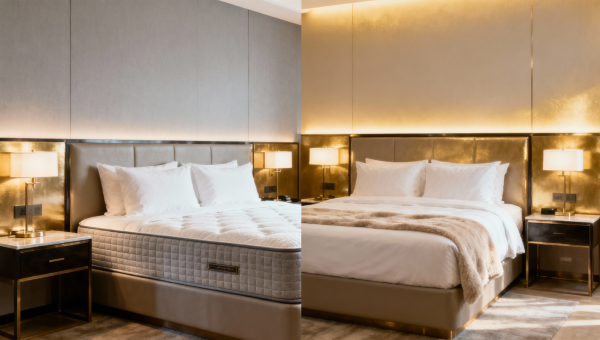
For boutique hotels, the right custom furniture shapes guest perception as much as service quality. From elegant hotel beds and tailored lounge seating to integrated catering equipment solutions, every detail should balance style, durability, and function. Buyers also increasingly consider soundproofing materials to improve comfort, especially in lifestyle properties near leisure park or theme park rides, where family-focused concepts may even connect with inclusive playground, playground structures, or playground swings.
That is why custom furniture selection for boutique hotels is no longer a purely decorative decision. For procurement teams, commercial evaluators, distributors, and sourcing agents, furniture must now support guest comfort, brand identity, operational efficiency, and long-term asset performance at the same time. In leisure-driven destinations, where hospitality and entertainment often overlap, the wrong specification can lead to faster wear, poor acoustics, inconsistent guest reviews, and higher replacement costs within 24 to 36 months.
For buyers working across hospitality, amusement, and commercial experience sectors, the best approach is to assess custom furniture as part of a wider project ecosystem. Guestroom casegoods, lobby seating, family-friendly dining fixtures, poolside loungers, and even children’s activity-zone furnishings should be evaluated against real traffic volume, maintenance intensity, installation conditions, and theme positioning. This is especially relevant for boutique hotels attached to resorts, waterparks, wellness clubs, entertainment complexes, or themed leisure developments.
How Boutique Hotels Define the Right Custom Furniture Mix
Boutique hotels rarely succeed with a one-size-fits-all furniture program. Their value lies in distinctive identity, local storytelling, and tailored guest journeys. In practice, this means the ideal custom furniture mix depends on at least 4 variables: property size, guest profile, public-space intensity, and connection to nearby sports or entertainment venues. A 35-room design hotel in a city arts district needs different specifications from a 90-key family lifestyle hotel located next to a theme park or leisure park.
The core categories usually include guestroom furniture, lobby and lounge seating, restaurant and bar furniture, outdoor pieces, and specialty items for wellness, gaming, or family recreation zones. In boutique settings, each category must deliver visual cohesion without becoming operationally fragile. For example, a handcrafted look may still require commercial-grade edge protection, stain-resistant upholstery, and hardware tested for repeated daily use of 8 to 14 hours in public areas.
Properties linked to sports and entertainment destinations should also assess how furniture supports movement, waiting, social interaction, and multi-generational use. Guests returning from amusement rides, water activities, concerts, or sports facilities often use lounges differently from business travelers. They may need wider seating, easy-clean surfaces, integrated charging, and more forgiving upholstery. In family-oriented hotels, furniture around play corners or inclusive playground access points should also reduce sharp edges and improve cleanability.
Key zones that deserve custom specification
Custom furniture brings the strongest return when it solves a specific spatial or branding challenge. In boutique hospitality, standard catalog products often fail to optimize room dimensions, traffic flow, or signature design intent. The most successful projects usually prioritize custom development in 5 high-visibility zones rather than customizing every single item.
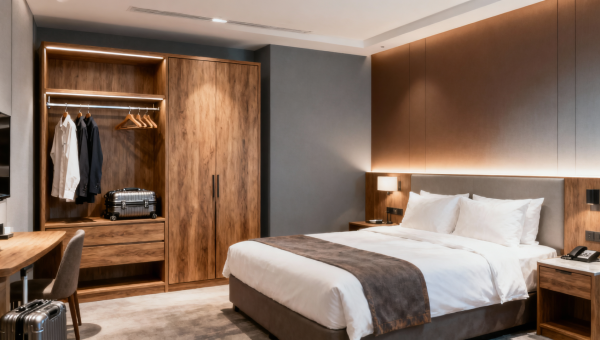
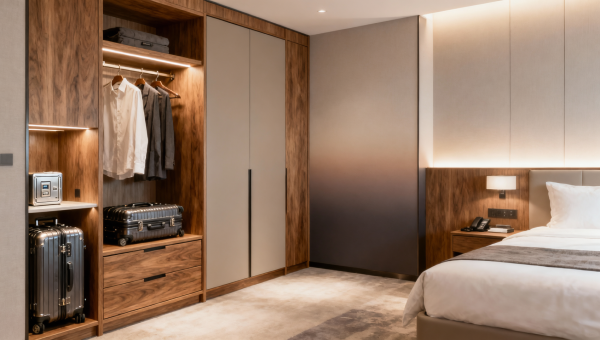
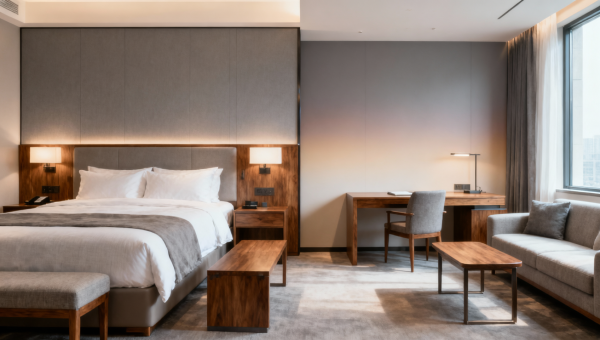
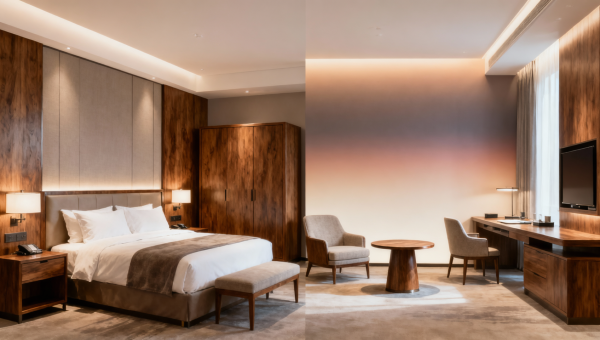
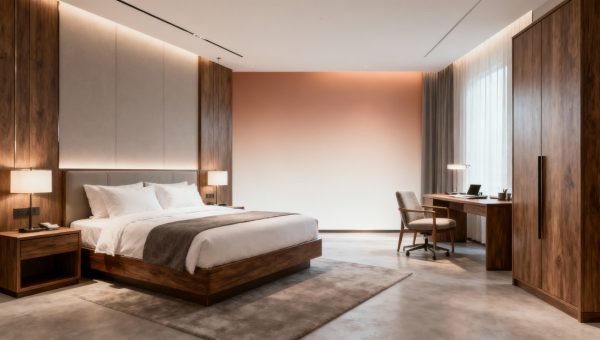
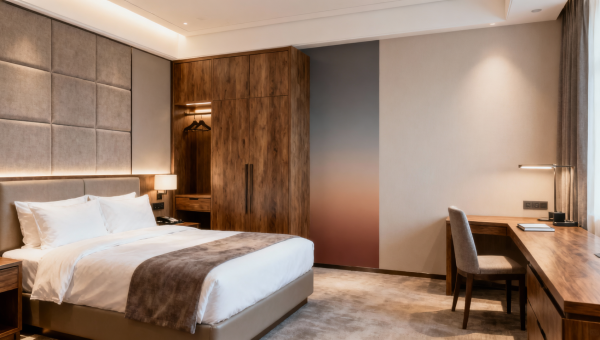
- Guestrooms: beds, headboards, nightstands, wardrobes, benches, luggage units, and vanity desks sized to actual room layout.
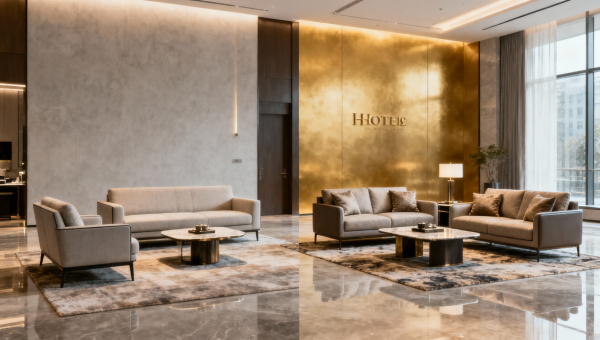
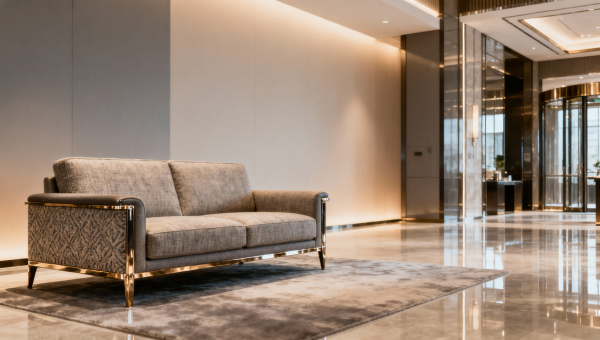
- Lobby and lounge areas: modular sofas, accent chairs, communal tables, and banquettes that support social dwell time of 15 to 90 minutes.
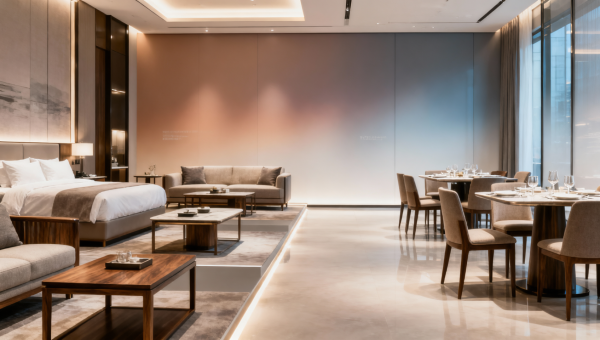
- Dining zones: banquettes, bar stools, buffet counters, and hostess stations aligned with catering equipment circulation and service workflow.
- Outdoor and poolside spaces: UV-resistant loungers, café seating, side tables, and weather-tolerant storage units.
- Family and leisure interfaces: kid-safe benches, activity tables, waiting-area seating, and furnishings near playground structures or entertainment access areas.
The table below shows how furniture priorities shift by boutique hotel concept, especially where hospitality merges with leisure and entertainment traffic.
The main takeaway is that custom furniture should be mapped to actual guest behavior, not only mood boards. Buyers who define use patterns early often reduce redesign changes, material substitutions, and post-installation complaints during the first 6 to 12 months of operation.
Materials, Construction, and Performance Standards That Matter
In boutique hotels, visual appeal gets attention first, but long-term value depends on construction quality. For guestrooms, engineered wood with stable substrate performance is often preferred over purely decorative materials that react badly to humidity or repeated impact. In public areas, metal reinforcement, high-pressure laminate surfaces, contract-grade upholstery, and replaceable wear components can materially extend service life beyond 5 to 7 years under heavy traffic.
Entertainment-adjacent properties face added stress factors. Guests may arrive wet from water attractions, carry sports gear, or use furniture intensively before and after events. This puts more pressure on finish durability, frame rigidity, edge protection, and stain resistance. For seating in lounges or family waiting areas, upholstery abrasion performance, cleanability, and cushion resilience become practical issues rather than specification details.
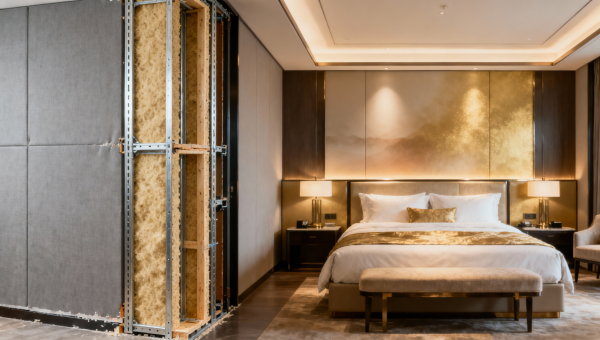
Acoustics are another overlooked factor. Boutique hotels near theme park rides, concert venues, recreation centers, or high-energy public zones often need more than wall insulation alone. Upholstered headboards, acoustic panels integrated into furniture, soft-close drawers, and padded bench bases can all help reduce noise reflection. These choices do not replace proper building isolation, but they can improve perceived quietness in guestrooms and corridor-facing lounge areas.
Performance criteria buyers should request
A strong request-for-quotation should go beyond dimensions and finishes. It should define the performance baseline expected for each furniture category. This allows suppliers, fabricators, and distributors to quote on comparable terms and lowers the risk of hidden downgrades during material value engineering.
- Frame strength for beds, sofas, and banquettes, especially where adult occupancy and family sharing may exceed standard load assumptions.
- Surface resistance to heat, abrasion, cleaning chemicals, and moisture, particularly in foodservice and pool-adjacent locations.
- Acoustic contribution, such as padded surfaces or integrated sound-absorbing elements in high-noise environments.
- Safety detailing, including rounded corners, stable anchoring, anti-tip measures, and smooth hardware operation.
- Serviceability, including replaceable upholstery panels, modular cushions, and access to spare components within 12 to 24 months.
The following comparison helps procurement teams match material choices to common boutique hotel applications.
For most boutique projects, the best specification is not the most luxurious material on paper, but the one that survives real operating conditions with stable appearance and predictable maintenance. Suppliers who can document lead times, tolerances, and replacement component availability often create more value than those who only present premium finishes.
Custom Furniture by Space: Guestrooms, Dining, Lounge, and Family Leisure Areas
Space planning should drive furniture decisions. In guestrooms, custom furniture helps recover unusable corners, hide service elements, and improve luggage flow. A properly dimensioned bed base, integrated headboard, and compact nightstand arrangement can free 300 to 600 mm of circulation space compared with poorly matched standard pieces. This matters in boutique properties where room categories often vary more than in chain hotels.
In dining spaces, furniture must work together with catering equipment, service aisles, and turnover targets. Banquette depth, table base placement, and chair stackability affect how many covers can be served during breakfast peaks or event intervals. In hotels serving park visitors or sports groups, furniture should support faster cleaning between 2 or 3 major meal waves and resist impact from bags, strollers, or team gear.
Lobby and lounge furniture in boutique hotels often acts as both a visual anchor and a revenue tool. Modular seating, communal work tables, and flexible ottomans can shift the space from coffee service in the morning to social activity in the evening. For entertainment-linked properties, this flexibility is especially valuable because guest dwell patterns may spike before shows, after rides, or during weather-related indoor crowding.
Family leisure areas require a more careful balance of style and safety. If the hotel has children’s corners, arcade interfaces, or circulation to inclusive playground zones, furniture should include radius edges, stable bases, wipeable finishes, and upholstery that does not trap debris. Seating height, reach distance, and clear walking routes all influence whether the area feels premium or chaotic.
Recommended furniture approach by zone
The matrix below helps buyers prioritize design and performance requirements across major boutique hotel spaces.
This zone-based method prevents overdesign in low-value areas and underinvestment in high-contact spaces. For distributors and project specifiers, it also supports clearer line-item planning, smoother supplier communication, and more accurate sample approval cycles.
Common mistakes in space-specific furniture selection
- Using residential-style lounge furniture in public zones with 10x higher daily use.
- Ignoring acoustic comfort in guestrooms near external entertainment activity.
- Specifying dining chairs without testing aisle width, cleaning access, or stackability.
- Choosing beautiful children’s area furniture that lacks rounded detailing or easy-clean surfaces.
Each of these mistakes may seem small during design review, but together they can affect operations every day. Correcting them after opening is usually far more expensive than refining the brief during procurement.
Procurement Workflow, Lead Times, and Risk Control for Buyers
For boutique hotel projects, custom furniture procurement works best when design intent, engineering detail, and delivery sequencing are aligned from the start. A typical project cycle runs 8 to 20 weeks depending on product complexity, prototype requirements, material availability, and shipping distance. Projects involving mixed hospitality and entertainment spaces may need longer coordination because furniture must integrate with lighting, foodservice operations, acoustic goals, and guest-safety circulation plans.
Buyers should define their sourcing process in stages. At minimum, this usually means concept review, shop drawing confirmation, material sampling, prototype approval, production release, pre-shipment inspection, and site delivery planning. Skipping any of these steps can create finish mismatches, inaccurate dimensions, or on-site installation delays that affect opening dates and cash flow.
Risk control is especially important when projects involve imported furniture, mixed OEM/ODM supply, or multiple public-space zones. Hospitality furniture is not only about appearance; it also touches logistics, safety, and operating resilience. In family-focused leisure hotels, for instance, a poorly specified chair or unstable bench can trigger higher maintenance calls and greater liability exposure within the first season.
A practical 6-step sourcing workflow
- Define room schedules, public-space counts, and use intensity by zone.
- Request technical drawings, material boards, and finish alternatives from shortlisted suppliers.
- Approve one prototype or mock-up for high-risk items such as beds, banquettes, or custom desks.
- Confirm packaging, labeling, spare parts, and phased delivery plan before mass production.
- Conduct pre-shipment quality review with dimension, finish, and hardware checks.
- Coordinate installation sequence with contractors, catering equipment teams, and opening schedule.
The table below outlines common procurement risks and what commercial buyers can do to reduce them.
A disciplined workflow improves more than quality control. It also helps buyers compare bids on realistic terms, plan phased openings, and minimize emergency substitutions that weaken the original guest experience concept.
FAQ and Final Buying Guidance for Commercial Decision-Makers
For sourcing teams evaluating custom furniture for boutique hotels, the right answer usually lies in balancing appearance, resilience, and project coordination. This is particularly true when the property serves guests connected to entertainment, recreation, or family leisure environments. Below are several practical questions that often shape final purchasing decisions.
How much customization is actually necessary?
Most boutique hotels do not need every item to be fully bespoke. A practical approach is to customize 20% to 40% of high-visibility or space-sensitive pieces, while standardizing lower-impact items where possible. This often preserves design identity while reducing development time, sampling cost, and spare-parts complexity.
What lead time should buyers expect for custom hotel furniture?
For many projects, sample development may take 2 to 4 weeks, production 4 to 10 weeks, and shipping or site logistics additional time depending on geography. Buyers should always plan for approval revisions, especially for mixed-material items such as upholstered headboards, banquettes, and integrated casegoods.
Which furniture items are most important in family or entertainment-linked boutique hotels?
Priority often goes to guest beds, lounge seating, dining banquettes, outdoor furniture, and family waiting-area pieces. These are the items that see the highest guest contact and most strongly influence comfort, reviews, and wear patterns. In hotels near playground swings, recreation areas, or theme attractions, easy-clean surfaces and stable construction should be treated as core requirements.
How should distributors or agents evaluate supplier suitability?
They should review 4 main points: engineering responsiveness, finish consistency, ability to manage mixed hospitality categories, and clarity on replacement parts or after-sales support. Strong suppliers usually provide technical drawings quickly, clarify tolerances, and communicate realistic batch lead times instead of overpromising.
Final decision checklist
- Check whether furniture supports the hotel’s brand story and guest profile.
- Confirm durability for real traffic levels, not only showroom presentation.
- Review acoustic, safety, and maintenance needs in entertainment-adjacent environments.
- Align furniture dimensions with catering equipment flow, circulation, and installation limits.
- Secure samples, drawings, and timeline checkpoints before releasing production.
The best custom furniture for boutique hotels is the kind that performs as beautifully as it looks. It should elevate the guest journey, support operations, and remain reliable across guestrooms, lounges, dining areas, and family leisure interfaces. For commercial buyers navigating hospitality and entertainment projects, a disciplined sourcing strategy turns furniture from a design expense into a durable operational asset. To evaluate specifications, compare sourcing options, or build a tailored procurement plan, contact GCT to get a custom solution and explore more commercial hospitality answers.
Search News
Hot Articles
- Stage Lighting & TrussCCTV5 Snooker Broadcast Drives 37% Surge in Stage Lighting Export InquiriesApr 21, 2026
- Indoor PlaygroundVietnam Mandates Child Finger-Trap Sensors for Indoor Play EquipmentApr 21, 2026
- Stage Lighting & TrussGuangdong vs. Shanxi CBA Game Highlights Domestic Smart Arena LightingApr 21, 2026
Popular Tags
Need ExpertConsultation?
Connect with our specialized leisureengineering team for procurementstrategies.
Recommended News
 Apr 10, 2026RCEP Cuts ASEAN Hotel Furniture Tariffs to 0% for Chinese Bamboo ProductsRCEP cuts ASEAN hotel furniture tariffs to 0% for Chinese bamboo products. Explore how this benefits exporters, procurement teams & supply chains in Southeast Asia's booming hospitality sector.● Hospitality Sourcing Dir
 Apr 10, 2026US Hotel Association Updates 2026 Smart Room Tech Guidelines, Mandates UL 2900-2-2 CertificationUS Hotel Association mandates UL 2900-2-2 certification for smart room tech by 2026. Learn how this impacts IoT manufacturers and hotel chains' procurement strategies.● Hospitality Sourcing Dir
 Apr 10, 2026EU Mandates QR Codes for Hotel Linens: China Exporters Must Comply by April 2026EU mandates QR codes for hotel linens by 2026, impacting China's textile exporters. Learn compliance requirements for traceability, sustainability reporting, and supply chain adaptation.● Hospitality Sourcing Dir
 Apr 09, 2026Zibo Launches 'Treasure Shandong Through the Lens' Photo Tour, Themed Homestays Emerge as Cross-Border Marketing ToolDiscover Zibo's 'Treasure Shandong Through the Lens' photo tour featuring 32 themed homestays blending vintage cameras, Hanfu culture & industrial spaces. A groundbreaking cross-border marketing model attracting global influencers & platforms like Rakuten Travel.● Hospitality Sourcing Dir
 Apr 09, 2026Yangzhou Slender West Lake Flower Festival Opens, Blending Heritage and Tech for Luxury TourismDiscover the 2026 Yangzhou Slender West Lake Flower Festival, blending heritage crafts with AR technology for luxury tourism. Experience cultural performances, workshops, and themed stays attracting global travelers. Explore China's new era of experiential tourism.● Hospitality Sourcing Dir
 Apr 09, 2026New Team Travel Contracts Raise Compliance Standards for Overseas AgenciesNew team travel contracts enforce stricter compliance for overseas agencies, requiring rigorous vetting of Chinese suppliers. Learn how these 2026 regulations impact study tours, hotels, and global partnerships.● Hospitality Sourcing Dir
 Apr 09, 2026Shangyou County's Hotel Subsidy Policy Boosts China's MICE Tourism AppealShangyou County's 2026 hotel subsidy policy offers RMB 100 per room for MICE tourism, boosting China's appeal to international buyers. Discover how this strategic move enhances cost-effective accommodations for corporate events and study tours.● Hospitality Sourcing Dir
 Apr 21, 2026Open or closed hotel wardrobes for easier housekeeping?Hotel wardrobes affect housekeeping speed, guest appeal, and hospitality procurement. Compare open vs closed designs for hotel furniture, luxury furniture, and hotel room furniture planning.● Hospitality Sourcing Dir
 Apr 21, 2026Hotel wardrobes that fit luggage without wasting spaceHotel wardrobes that fit luggage smartly without wasting space—explore hotel furniture solutions that elevate hotel room furniture, support hospitality procurement, and enhance guest comfort.● Hospitality Sourcing Dir
 Apr 21, 2026Why hotel room furniture wears unevenly after openingHotel furniture wear starts unevenly from day one. Learn how hotel beds, hotel chairs, hotel desks and hotel room furniture perform in real use, with smart hospitality procurement tips.● Hospitality Sourcing Dir
 Apr 21, 2026Hotel room furniture packages that cut design mismatchHotel room furniture packages align hotel furniture, hotel beds, hotel chairs, hotel tables, and hotel desks with luxury furniture standards—reducing design mismatch and speeding hospitality procurement.● Hospitality Sourcing Dir
 Apr 21, 2026Low seat or deep seat hotel sofas for modern lobbies?Hotel furniture buyers compare low seat and deep seat hotel sofas for modern lobbies. Explore luxury furniture choices that improve comfort, traffic flow, brand image, and hospitality procurement value.● Hospitality Sourcing Dir
 Apr 21, 2026Hotel sofas that keep their shape in high traffic areasHotel sofas, hotel furniture, and hospitality furniture that keep shape in high-traffic areas—discover luxury furniture sourcing tips, durable commercial furniture specs, and smarter hospitality procurement.● Hospitality Sourcing Dir
 Apr 21, 2026Why hospitality furniture needs different specs by zoneHospitality furniture specs vary by zone. Learn how hotel furniture, hotel beds, hotel chairs, hotel tables, and hotel desks improve durability, ROI, and luxury guest experience.● Hospitality Sourcing Dir
 Apr 21, 2026Hospitality furniture that supports faster room turnoverHospitality furniture that speeds room turnover: compare hotel beds, hotel chairs, hotel tables, hotel desks and hotel sofas for easier cleaning, durability, and smarter hospitality procurement.● Hospitality Sourcing Dir
 Apr 21, 2026Where hotel equipment budgets usually go off trackHotel furniture and hotel equipment budgets often fail from hidden scope, logistics, and lifecycle costs. Learn smarter hospitality procurement for hotel beds, chairs, tables, and luxury furniture.● Hospitality Sourcing Dir
 Apr 21, 2026Hotel equipment upgrades that improve guest flow firstHotel equipment upgrades improve guest flow fast with hotel furniture, hotel beds, hotel chairs, catering equipment, and soundproofing materials—boost comfort, efficiency, and procurement ROI.● Hospitality Sourcing Dir
 Apr 21, 2026What shortens the life of commercial furniture in hotelsHotel furniture and commercial furniture wear out fast when hotel beds, hotel chairs, hotel tables, hotel desks, and hotel sofas face heavy use, poor maintenance, and weak materials. Learn smart hospitality procurement tips.● Hospitality Sourcing Dir
 Apr 21, 2026Commercial furniture trends hotels are actually adoptingCommercial furniture trends hotels are adopting: luxury furniture, hotel beds, hotel chairs, hotel tables and hotel sofas that improve hotel furniture sourcing, durability, and hospitality procurement value.● Hospitality Sourcing Dir
 Apr 21, 2026How to spot hotel furniture built for daily wearHotel furniture buying guide: learn how to assess hotel beds, hotel chairs, hotel tables, and hospitality furniture for daily wear, lower maintenance, and smarter hospitality procurement.● Hospitality Sourcing Dir
 Apr 21, 2026Hotel furniture mistakes that age a room too quicklyHotel furniture buying guide: avoid costly hotel beds, hotel chairs, and hotel room furniture mistakes. Discover luxury furniture tips for durable, brand-right hospitality procurement.● Hospitality Sourcing Dir
 Apr 21, 2026Why some soundproofing materials fail after installationLearn why soundproofing materials fail after installation in hotel furniture projects. Explore hotel beds, hotel sofas, hotel wardrobes and hospitality procurement tips for lasting acoustic performance.● Hospitality Sourcing Dir
 Apr 21, 2026Soundproofing materials that work best between guest roomsSoundproofing materials for hotel furniture projects: discover the best systems between guest rooms, from mineral wool to acoustic doors, to improve comfort, protect reviews, and support hospitality procurement.● Hospitality Sourcing Dir
 Apr 21, 2026How firm should hotel beds be for mixed guest profiles?Hotel beds for mixed guest profiles: learn how hotel furniture and hospitality procurement teams balance comfort, durability, and luxury furniture standards to improve guest satisfaction.● Hospitality Sourcing Dir