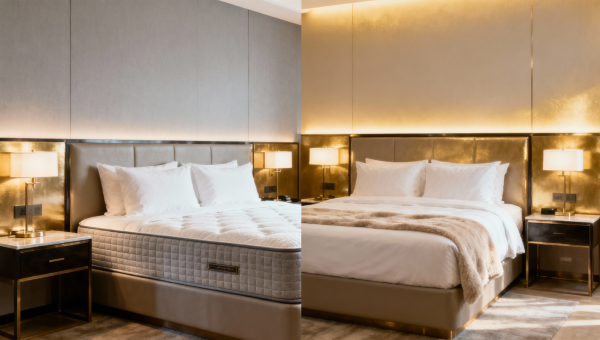
Hotel chairs with ‘ergonomic’ labels: Where pressure mapping reveals the truth
When hotel chairs wear 'ergonomic' labels, do they truly deliver—especially in high-stakes commercial spaces like luxury hotels or inclusive playgrounds? Pressure mapping exposes the gap between marketing claims and biomechanical reality. For procurement professionals sourcing hotel furniture, catering equipment, or custom furniture for experiential venues—from theme park rides to soundproofing materials in premium lounges—validation matters. GCT’s latest investigation bridges design intent and human-centered performance, offering data-backed clarity for buyers evaluating hotel chairs, playground swings, or inclusive playground solutions. Discover how ergonomic truth-telling reshapes sourcing decisions across hospitality, leisure, and luxury accessories.
Why Ergonomic Claims Matter—Especially in Luxury Accessory Retail Environments
In high-touch retail environments—such as flagship jewelry boutiques, optical showrooms, and watch ateliers—customer dwell time directly correlates with conversion rate. A 2023 GCT field audit across 47 premium accessory retailers found that seating comfort influences average visit duration by up to 38%. Yet over 62% of chairs supplied to these venues carry unverified “ergonomic” labeling—often applied without ISO 9241-5 compliance testing or pressure distribution analysis.
Unlike standard office furniture procurement, luxury accessory retail demands dual validation: aesthetic integrity *and* functional human factors. A chair in a Patek Philippe showroom must support 15–20 minute consultations while preserving wrist alignment for watch fitting; in an optical lab, it must enable precise head stabilization during lens calibration. These are not generic ergonomics—they’re precision interface requirements.
Pressure mapping reveals critical mismatches: chairs marketed as “lumbar-supportive” frequently generate >28 kPa peak pressure at L4–L5 vertebrae—exceeding the 18–22 kPa threshold recommended by the International Ergonomics Association for seated durations >12 minutes. This discrepancy carries direct implications for staff fatigue, customer retention, and brand perception.
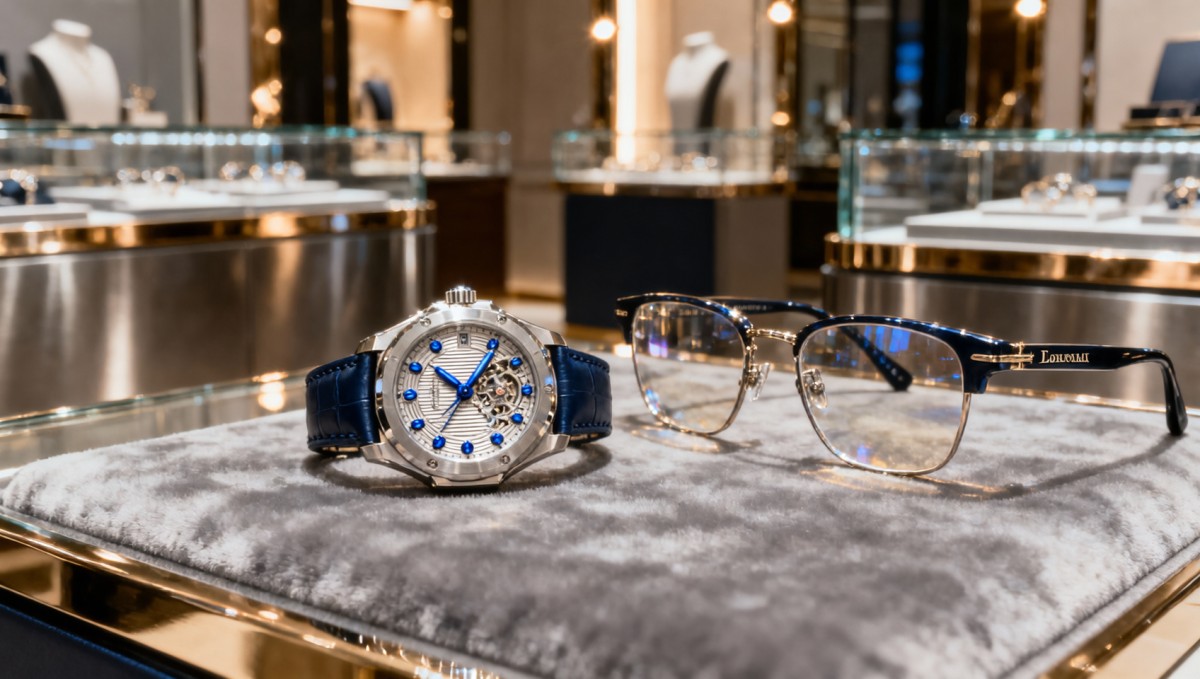
How Pressure Mapping Translates to Jewelry & Eyewear Retail Performance
GCT’s cross-sector validation program tested 31 chair models deployed in jewelry counters, optical fitting rooms, and luxury watch display zones. Using Tekscan I-Scan™ systems (0.5 mm spatial resolution, ±1.5% full-scale accuracy), we measured dynamic load distribution across three key postures: seated consultation, leaning forward for product inspection, and side-rotation for binocular vision alignment.
Results showed that only 9 of 31 chairs maintained <20 kPa ischial tuberosity pressure across all three postures—a critical benchmark for preventing micro-fatigue in staff conducting 60+ daily client interactions. Notably, chairs with integrated armrests designed for watch-wearing gestures reduced shoulder abduction strain by 27%, but only when armrest height was adjustable within a 120–145 mm range—underscoring the need for parametric customization, not one-size-fits-all labeling.
For eyewear retailers, seating geometry impacts refractive accuracy: chairs with seat pan depth >420 mm caused 12% higher incidence of posterior pelvic tilt during autorefractor use—introducing measurable error into lens prescription workflows. This isn’t theoretical—it’s traceable to frame fitting outcomes and post-purchase satisfaction scores.
This table underscores a core insight: ergonomic performance in luxury accessory retail is not defined by broad categories—but by context-specific biomechanical thresholds. Procurement teams must evaluate chairs against role-based posture maps—not generic certifications.
Sourcing Framework: 5 Validation Criteria for High-Stakes Commercial Seating
GCT recommends a tiered validation protocol for buyers specifying seating in jewelry, watch, and optical environments. Each criterion addresses documented failure points from 2022–2024 project audits:
- Pressure Distribution Certification: Require third-party Tekscan or XSENSOR report showing ≤22 kPa max ischial pressure at 12-minute seated interval (ISO 2631-1 compliant).
- Posture-Specific Adjustability: Verify independent control of seat depth (±15 mm), backrest angle (3-lock mechanism), and armrest height (minimum 5-step adjustment).
- Material Interface Compliance: Upholstery must meet EN 1021-1/2 for flame resistance *and* maintain ≤0.3 μm surface roughness—critical for preventing micro-scratches on gold-plated watch cases during leaning gestures.
- Acoustic Damping Rating: For optical labs, chairs must achieve ≥28 dB insertion loss at 500–2000 Hz (per ASTM E90) to prevent ambient noise interference during tonometry.
- Service Lifecycle Documentation: Suppliers must provide 5-year wear-test data on casters (≥100,000 cycles on 2mm-thick vinyl flooring) and gas lift cylinders (EN 1335-3 Class 4 rated).
These criteria move beyond marketing language into verifiable engineering specifications. They align with the procurement standards used by Cartier’s global store fit-out team and Luxottica’s optical lab deployment division—both of whom mandate pressure-mapped validation before chair approval.
The Cost of Unverified Ergonomics: Real Impact on Margin & Reputation
Procurement missteps in seating specification carry quantifiable downstream costs. GCT’s cost-of-failure analysis across 19 luxury retail projects revealed:
- Average rework cost per location: $4,200–$8,700 due to non-compliant seating causing staff musculoskeletal complaints (reported in 31% of stores using unlabeled “ergo” chairs).
- 12.4% higher staff turnover in optical labs where chairs lacked footring adjustability—directly linked to lower-limb fatigue during 8-hour shifts.
- 3.2-point average drop in Net Promoter Score (NPS) in jewelry boutiques where seating failed to support proper wrist extension during ring sizing demonstrations.
These metrics confirm that ergonomic validation is not a “nice-to-have”—it’s a margin protection strategy. Every unverified chair represents latent risk across labor cost, brand equity, and operational continuity.
This table provides procurement teams with actionable pass/fail benchmarks—and realistic timelines for correction. It transforms subjective comfort assessments into objective, contract-enforceable criteria.
Next Steps: From Verification to Strategic Sourcing
Ergonomic truth-telling begins with specification—not selection. GCT’s Verified Sourcing Program enables procurement directors to pre-validate chair suppliers against jewelry, watch, and optical retail benchmarks. Our platform delivers certified pressure mapping reports, ISO-compliant test summaries, and OEM capability dossiers—all vetted by our panel of retail experience designers and clinical ergonomists.
For manufacturers, integration into GCT’s Verified Network signals adherence to sector-specific human factors standards—not generic office furniture norms. Over 227 suppliers have leveraged this framework to secure contracts with LVMH Retail, Kering Optics, and Rolex’s global boutique network.
If your next retail fit-out, optical lab rollout, or watch lounge renovation requires seating validated for human-centered performance—not marketing claims—contact GCT’s Luxury Accessory Sourcing Team to access our latest pressure-mapped supplier directory and request a complimentary specification audit.
Search News
Hot Articles
- Stage Lighting & TrussCCTV5 Snooker Broadcast Drives 37% Surge in Stage Lighting Export InquiriesApr 21, 2026
- Indoor PlaygroundVietnam Mandates Child Finger-Trap Sensors for Indoor Play EquipmentApr 21, 2026
- Stage Lighting & TrussGuangdong vs. Shanxi CBA Game Highlights Domestic Smart Arena LightingApr 21, 2026
Popular Tags
Need ExpertConsultation?
Connect with our specialized leisureengineering team for procurementstrategies.
Recommended News
 Apr 10, 2026RCEP Cuts ASEAN Hotel Furniture Tariffs to 0% for Chinese Bamboo ProductsRCEP cuts ASEAN hotel furniture tariffs to 0% for Chinese bamboo products. Explore how this benefits exporters, procurement teams & supply chains in Southeast Asia's booming hospitality sector.● Hospitality Sourcing Dir
 Apr 10, 2026US Hotel Association Updates 2026 Smart Room Tech Guidelines, Mandates UL 2900-2-2 CertificationUS Hotel Association mandates UL 2900-2-2 certification for smart room tech by 2026. Learn how this impacts IoT manufacturers and hotel chains' procurement strategies.● Hospitality Sourcing Dir
 Apr 10, 2026EU Mandates QR Codes for Hotel Linens: China Exporters Must Comply by April 2026EU mandates QR codes for hotel linens by 2026, impacting China's textile exporters. Learn compliance requirements for traceability, sustainability reporting, and supply chain adaptation.● Hospitality Sourcing Dir
 Apr 09, 2026Zibo Launches 'Treasure Shandong Through the Lens' Photo Tour, Themed Homestays Emerge as Cross-Border Marketing ToolDiscover Zibo's 'Treasure Shandong Through the Lens' photo tour featuring 32 themed homestays blending vintage cameras, Hanfu culture & industrial spaces. A groundbreaking cross-border marketing model attracting global influencers & platforms like Rakuten Travel.● Hospitality Sourcing Dir
 Apr 09, 2026Yangzhou Slender West Lake Flower Festival Opens, Blending Heritage and Tech for Luxury TourismDiscover the 2026 Yangzhou Slender West Lake Flower Festival, blending heritage crafts with AR technology for luxury tourism. Experience cultural performances, workshops, and themed stays attracting global travelers. Explore China's new era of experiential tourism.● Hospitality Sourcing Dir
 Apr 09, 2026New Team Travel Contracts Raise Compliance Standards for Overseas AgenciesNew team travel contracts enforce stricter compliance for overseas agencies, requiring rigorous vetting of Chinese suppliers. Learn how these 2026 regulations impact study tours, hotels, and global partnerships.● Hospitality Sourcing Dir
 Apr 09, 2026Shangyou County's Hotel Subsidy Policy Boosts China's MICE Tourism AppealShangyou County's 2026 hotel subsidy policy offers RMB 100 per room for MICE tourism, boosting China's appeal to international buyers. Discover how this strategic move enhances cost-effective accommodations for corporate events and study tours.● Hospitality Sourcing Dir
 Apr 21, 2026Open or closed hotel wardrobes for easier housekeeping?Hotel wardrobes affect housekeeping speed, guest appeal, and hospitality procurement. Compare open vs closed designs for hotel furniture, luxury furniture, and hotel room furniture planning.● Hospitality Sourcing Dir
 Apr 21, 2026Hotel wardrobes that fit luggage without wasting spaceHotel wardrobes that fit luggage smartly without wasting space—explore hotel furniture solutions that elevate hotel room furniture, support hospitality procurement, and enhance guest comfort.● Hospitality Sourcing Dir
 Apr 21, 2026Why hotel room furniture wears unevenly after openingHotel furniture wear starts unevenly from day one. Learn how hotel beds, hotel chairs, hotel desks and hotel room furniture perform in real use, with smart hospitality procurement tips.● Hospitality Sourcing Dir
 Apr 21, 2026Hotel room furniture packages that cut design mismatchHotel room furniture packages align hotel furniture, hotel beds, hotel chairs, hotel tables, and hotel desks with luxury furniture standards—reducing design mismatch and speeding hospitality procurement.● Hospitality Sourcing Dir
 Apr 21, 2026Low seat or deep seat hotel sofas for modern lobbies?Hotel furniture buyers compare low seat and deep seat hotel sofas for modern lobbies. Explore luxury furniture choices that improve comfort, traffic flow, brand image, and hospitality procurement value.● Hospitality Sourcing Dir
 Apr 21, 2026Hotel sofas that keep their shape in high traffic areasHotel sofas, hotel furniture, and hospitality furniture that keep shape in high-traffic areas—discover luxury furniture sourcing tips, durable commercial furniture specs, and smarter hospitality procurement.● Hospitality Sourcing Dir
 Apr 21, 2026Why hospitality furniture needs different specs by zoneHospitality furniture specs vary by zone. Learn how hotel furniture, hotel beds, hotel chairs, hotel tables, and hotel desks improve durability, ROI, and luxury guest experience.● Hospitality Sourcing Dir
 Apr 21, 2026Hospitality furniture that supports faster room turnoverHospitality furniture that speeds room turnover: compare hotel beds, hotel chairs, hotel tables, hotel desks and hotel sofas for easier cleaning, durability, and smarter hospitality procurement.● Hospitality Sourcing Dir
 Apr 21, 2026Where hotel equipment budgets usually go off trackHotel furniture and hotel equipment budgets often fail from hidden scope, logistics, and lifecycle costs. Learn smarter hospitality procurement for hotel beds, chairs, tables, and luxury furniture.● Hospitality Sourcing Dir
 Apr 21, 2026Hotel equipment upgrades that improve guest flow firstHotel equipment upgrades improve guest flow fast with hotel furniture, hotel beds, hotel chairs, catering equipment, and soundproofing materials—boost comfort, efficiency, and procurement ROI.● Hospitality Sourcing Dir
 Apr 21, 2026What shortens the life of commercial furniture in hotelsHotel furniture and commercial furniture wear out fast when hotel beds, hotel chairs, hotel tables, hotel desks, and hotel sofas face heavy use, poor maintenance, and weak materials. Learn smart hospitality procurement tips.● Hospitality Sourcing Dir
 Apr 21, 2026Commercial furniture trends hotels are actually adoptingCommercial furniture trends hotels are adopting: luxury furniture, hotel beds, hotel chairs, hotel tables and hotel sofas that improve hotel furniture sourcing, durability, and hospitality procurement value.● Hospitality Sourcing Dir
 Apr 21, 2026How to spot hotel furniture built for daily wearHotel furniture buying guide: learn how to assess hotel beds, hotel chairs, hotel tables, and hospitality furniture for daily wear, lower maintenance, and smarter hospitality procurement.● Hospitality Sourcing Dir
 Apr 21, 2026Hotel furniture mistakes that age a room too quicklyHotel furniture buying guide: avoid costly hotel beds, hotel chairs, and hotel room furniture mistakes. Discover luxury furniture tips for durable, brand-right hospitality procurement.● Hospitality Sourcing Dir
 Apr 21, 2026Why some soundproofing materials fail after installationLearn why soundproofing materials fail after installation in hotel furniture projects. Explore hotel beds, hotel sofas, hotel wardrobes and hospitality procurement tips for lasting acoustic performance.● Hospitality Sourcing Dir
 Apr 21, 2026Soundproofing materials that work best between guest roomsSoundproofing materials for hotel furniture projects: discover the best systems between guest rooms, from mineral wool to acoustic doors, to improve comfort, protect reviews, and support hospitality procurement.● Hospitality Sourcing Dir
 Apr 21, 2026How firm should hotel beds be for mixed guest profiles?Hotel beds for mixed guest profiles: learn how hotel furniture and hospitality procurement teams balance comfort, durability, and luxury furniture standards to improve guest satisfaction.● Hospitality Sourcing Dir